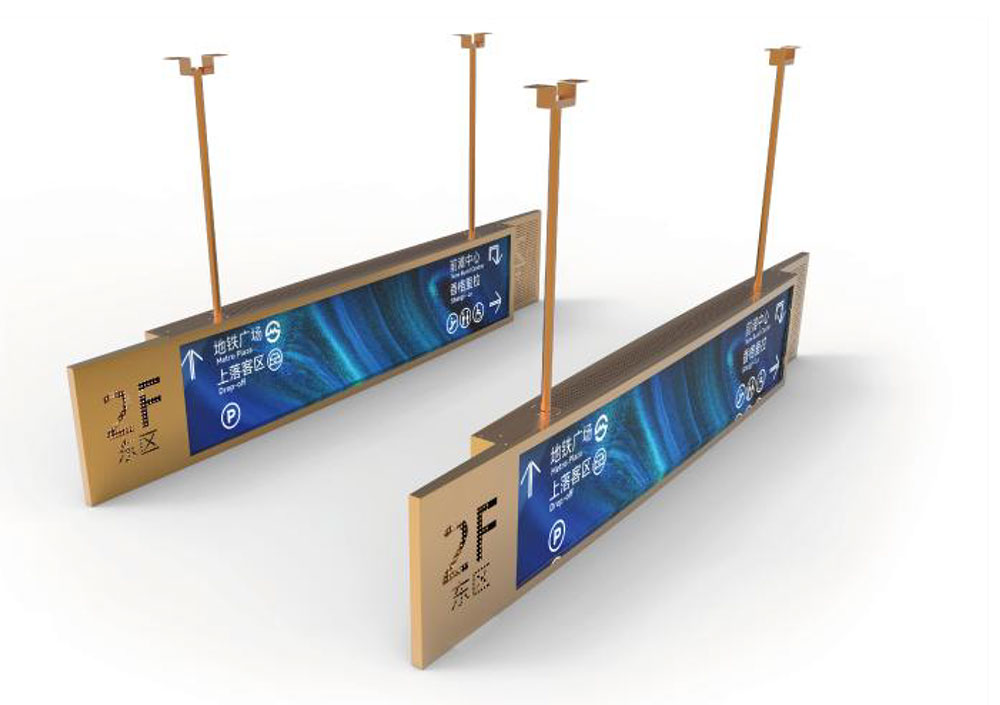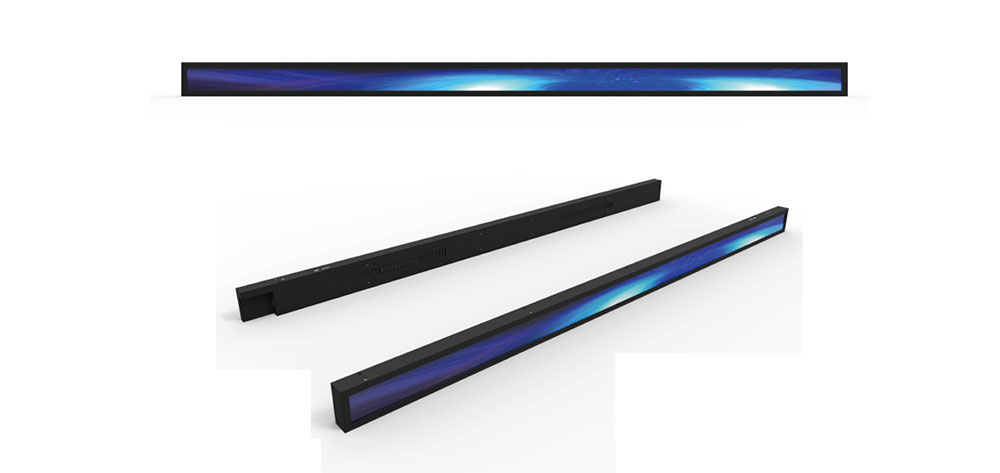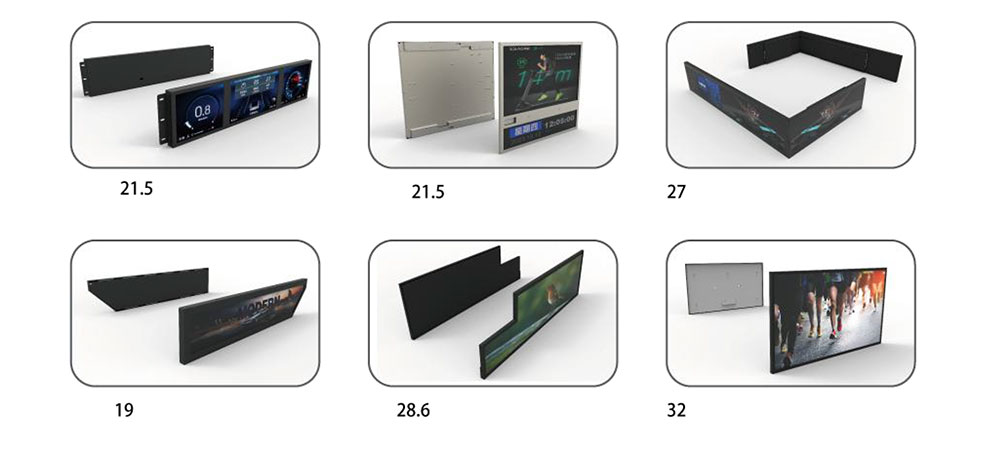
Bar-type LCDs (also known as stretched or ultra-wide displays) have become a defining component of modern self-service kiosks across the United States. From quick-service restaurant ordering terminals to airport wayfinding pillars, retail shelf-edge screens, and interactive vending fronts, US kiosk manufacturers increasingly require displays that break away from standard 16:9 aspect ratios. This white paper from HITULCD examines the engineering considerations, environmental requirements, and customization pathways involved in specifying custom bar displays for the demanding US kiosk market.
Why Bar Displays Fit Kiosk Applications
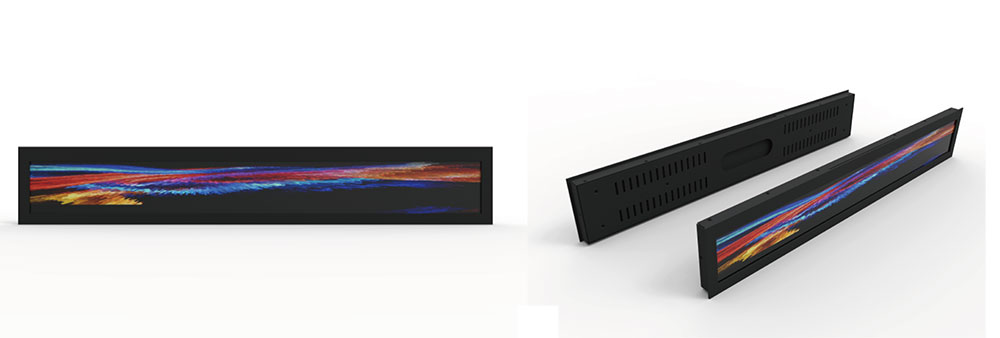
Kiosk enclosures are frequently tall and narrow, designed to occupy minimal floor space in busy public environments. A conventional rectangular panel wastes vertical or horizontal real estate, forcing designers to either leave dead space or use oversized housings. Bar displays—with aspect ratios such as 16:3, 16:4.5, 16:6, and similar stretched formats—map naturally onto slim kiosk columns, shelf edges, and counter-front strips. This allows content to fill the available surface efficiently while reducing the overall footprint of the terminal.
For US manufacturers, the advantage is twofold: a more compact, aesthetically clean product, and the ability to place high-impact dynamic content exactly where the customer's eye naturally travels.
High Brightness: A Core Requirement
Many US kiosks are deployed in bright interior lighting, semi-outdoor entryways, or near large storefront windows. Standard commercial displays rated around 250–350 nits appear washed out under these conditions. HITULCD bar displays are engineered with high-brightness backlight systems and optional optical bonding to remain legible in challenging lighting.
| Deployment Environment | Recommended Brightness (nits) | Notes |
|---|---|---|
| Standard indoor (controlled lighting) | 500 – 700 | Suitable for enclosed retail and office lobbies |
| Bright indoor / near windows | 1000 – 1500 | Anti-glare surface recommended |
| Semi-outdoor / entryway | 1500 – 2500 | Optical bonding and thermal design advised |
| Full outdoor (direct sun) | 2500 – 3500+ | Sunlight-readable stack with high-temp rating |
Common Bar Display Formats for Kiosks
The table below outlines representative bar display configurations frequently specified by kiosk builders. Exact availability depends on panel sourcing and volume.
| Nominal Size | Aspect Ratio | Typical Resolution | Common Kiosk Use |
|---|---|---|---|
| 15.3" | 16:5 | 1280 × 390 | Counter-front / payment strip |
| 19.1" | 16:4.5 | 1920 × 540 | Shelf-edge signage |
| 23.1" | 16:4 | 1920 × 480 | QSR menu bar |
| 28" | 16:9 cropped bar | 1920 × 540 | Wayfinding column |
| 37" | 16:5 | 1920 × 540 | Tall interactive pillar |
Customization Options for US Manufacturers
Serving kiosk OEMs requires flexibility beyond off-the-shelf panels. HITULCD supports a range of engineering-level customizations:
- Cover glass and touch: Projected capacitive (PCAP) touch with anti-fingerprint and anti-glare coatings, glove and rain-rejection tuning, and custom cover glass thickness for vandal resistance.
- Optical bonding: Reduces internal reflections, improves contrast in bright settings, and prevents dust and condensation between layers.
- Interface selection: LVDS, eDP, or HDMI/USB driver boards to match the kiosk's chosen media player or SBC.
- Mechanical mounting: Custom bezels, mounting brackets, and enclosure-ready form factors that align with existing kiosk chassis.
- Brightness control: Automatic dimming via ambient light sensor to conserve power and reduce burn-in risk.
- Wide operating temperature: Extended-temperature panels for semi-outdoor and unconditioned spaces.
Reliability and Duty Cycle
Public-facing kiosks typically operate 12 to 24 hours per day. Displays must be rated for continuous operation with a backlight lifetime supporting long service intervals. The following table summarizes typical durability parameters relevant to kiosk procurement.
| Parameter | Typical Range |
|---|---|
| Backlight lifetime (to 50% brightness) | 50,000 hours or more |
| Recommended operating duty cycle | 16/7 to 24/7 |
| Operating temperature (standard) | 0 °C to 50 °C |
| Operating temperature (extended) | −20 °C to 70 °C |
| Touch surface hardness | 7H or higher (with tempered cover glass) |
Thermal Management Considerations
High-brightness panels generate additional heat, and sealed kiosk enclosures can trap it. Effective thermal design—airflow channels, heat spreaders, and where necessary active cooling—prevents brightness degradation, image sticking, and premature aging. HITULCD works with kiosk engineers early in the design phase to model thermal load and recommend enclosure ventilation strategies that protect long-term performance.
Working With HITULCD
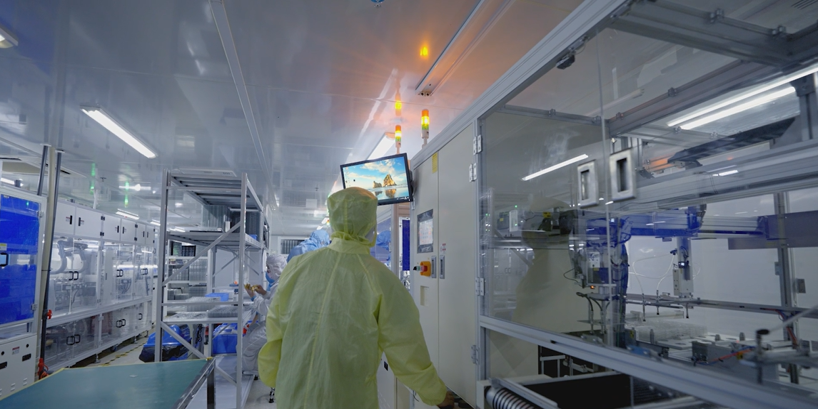
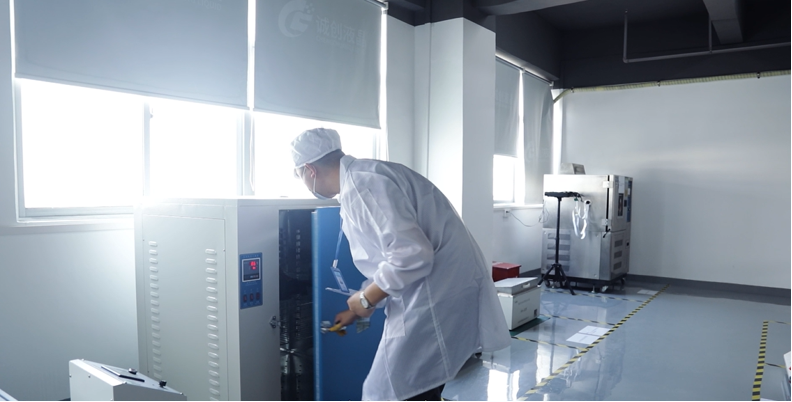
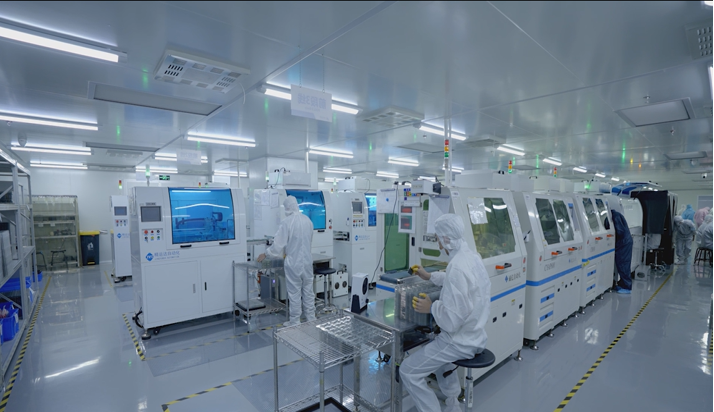
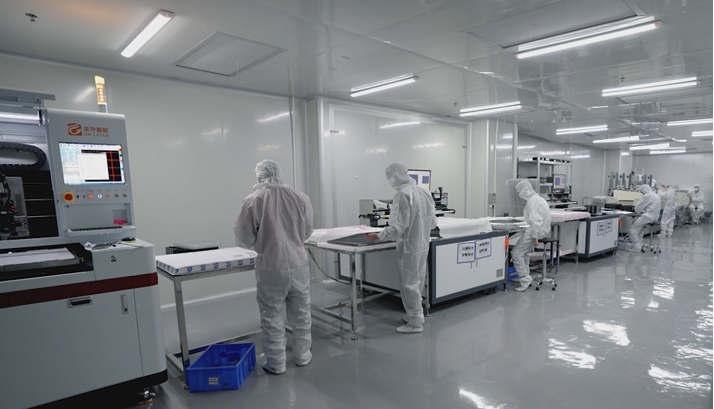
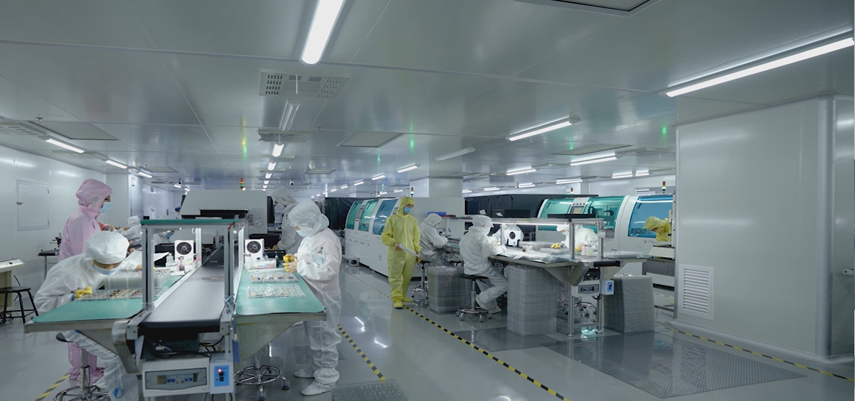
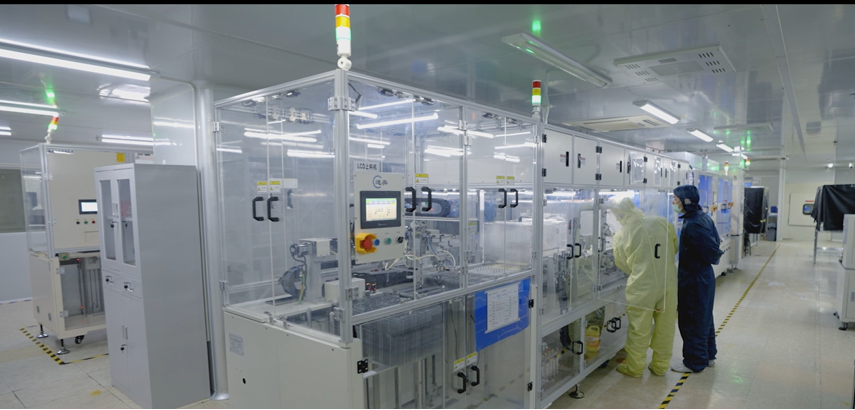
As a specialist high-brightness LCD manufacturer, HITULCD partners with US kiosk builders from prototype through production. Our engineering team provides sample panels, custom driver board development, optical bonding services, and volume manufacturing with consistent quality control. Whether you need a slim payment-strip display or a full-height interactive pillar, we align panel specifications to your enclosure, environment, and content strategy.
For kiosk manufacturers seeking a dependable bar display supply partner, the combination of high brightness, flexible customization, and reliable duty-cycle performance makes purpose-built panels a smart investment over adapted consumer displays. Contact HITULCD to discuss your next kiosk program.