Introduction
American OEM manufacturers increasingly rely on non-standard display formats to differentiate their products, optimize dashboard real estate, and deliver more intuitive user experiences. Custom wide LCD displays—often called bar-type, stretched, or ultra-wide panels—have become a cornerstone technology across industrial control, transportation, medical instrumentation, retail signage, and smart infrastructure. At HITULCD, we engineer high-brightness wide-format LCD solutions specifically tailored to the demanding requirements of US OEM projects, combining optical performance, mechanical flexibility, and long-term supply stability.
What Defines a Wide LCD Display?
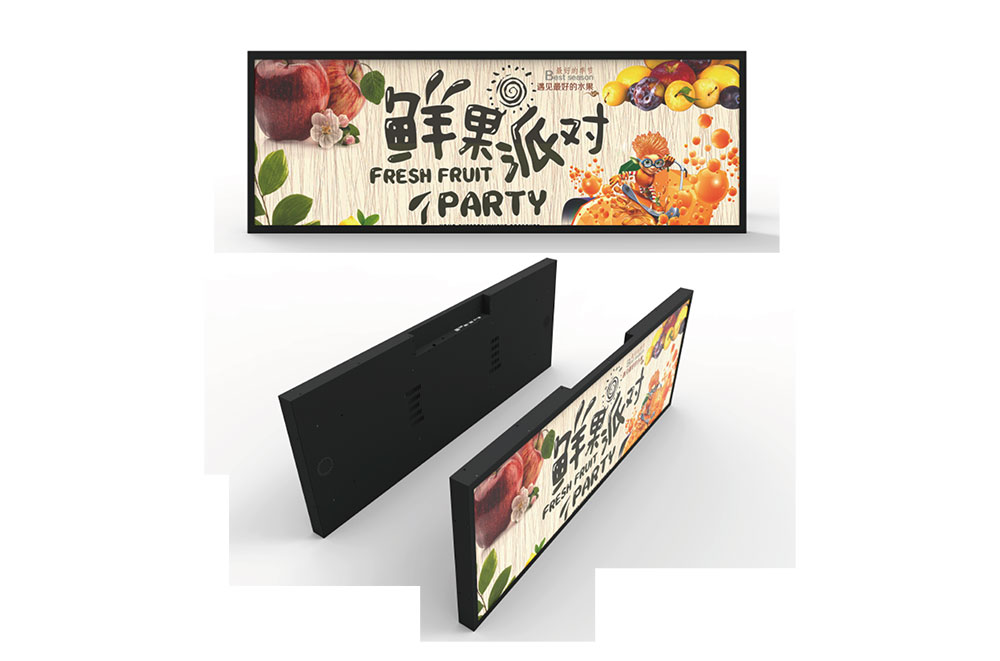
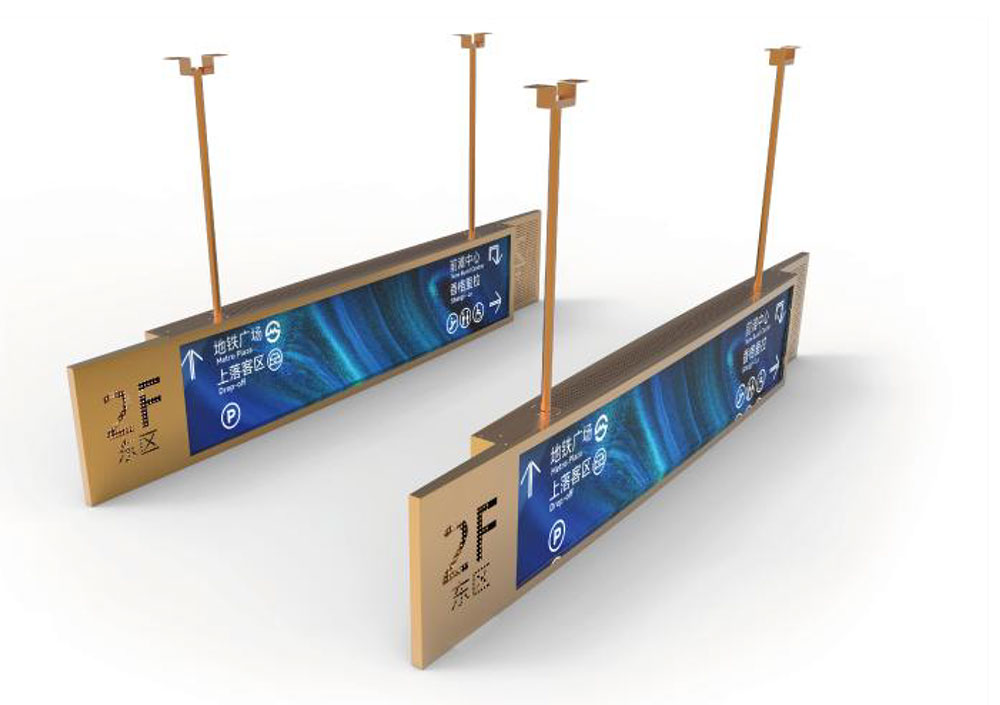
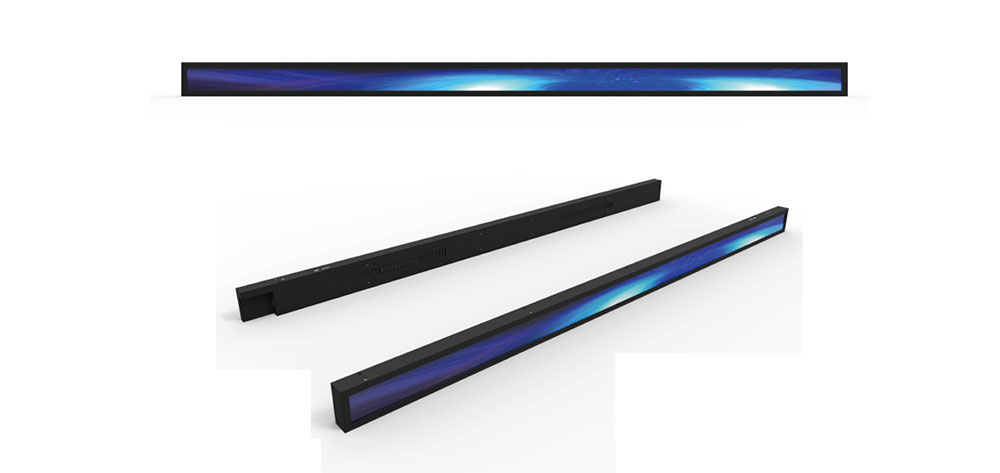
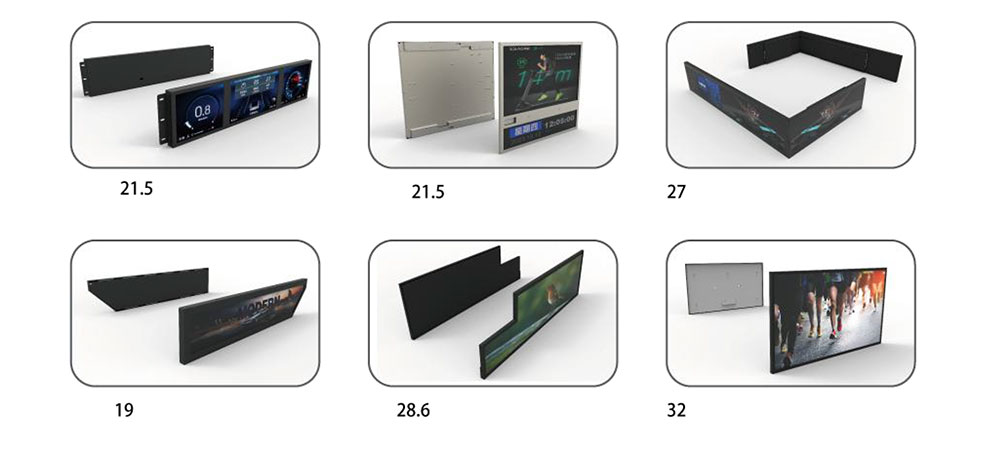
A wide LCD display features an elongated aspect ratio that departs from conventional 4:3 or 16:9 formats. Common wide ratios include 16:3, 24:9, 32:9, and fully custom proportions dictated by the mechanical envelope of the end product. These panels are ideal when installation space is long but shallow—such as shelf-edge signage, automotive instrument clusters, elevator information bars, or machine-side operator panels. Rather than forcing an application to fit a standard panel, a custom wide LCD adapts the display to the product, eliminating wasted bezel space and enabling cleaner industrial design.
Why US OEM Projects Demand Customization
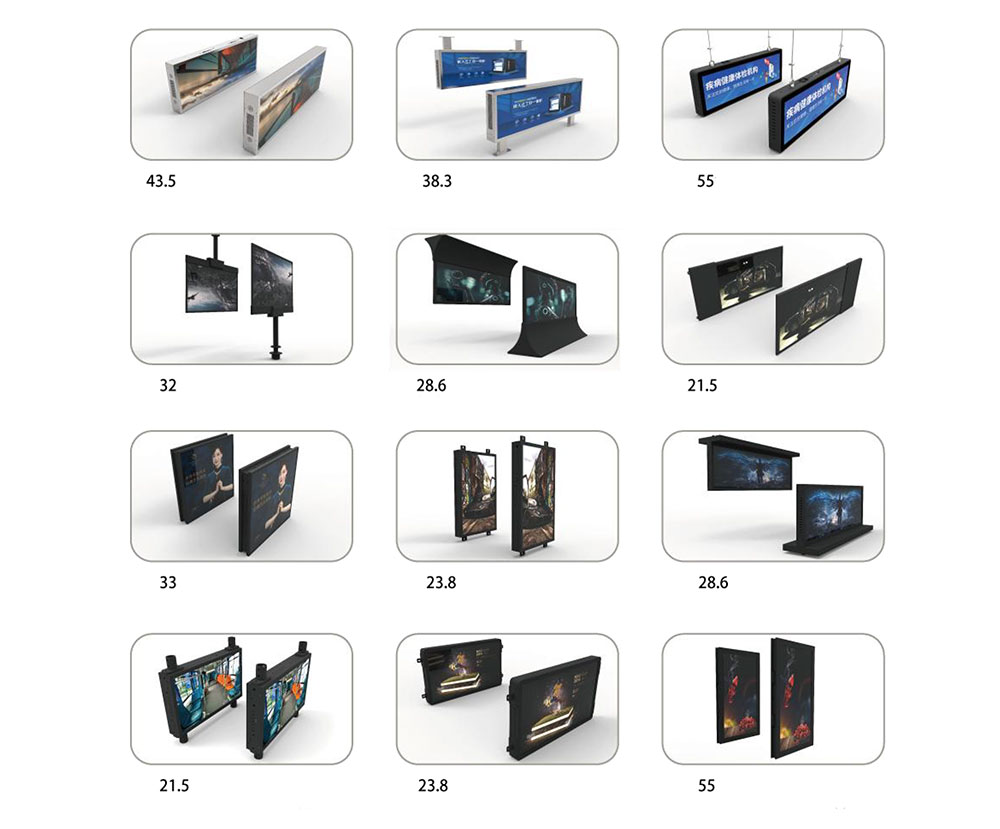
OEM development in the United States is defined by rigorous performance benchmarks, environmental durability, and regulatory expectations. Off-the-shelf panels rarely satisfy every requirement simultaneously. A custom wide LCD program allows OEM engineers to specify exactly the parameters that matter to their application:
- Aspect ratio and active area matched to the mechanical design.
- Brightness levels from standard 250 nits up to 1500–2500 nits for sunlight-readable outdoor deployment.
- Interface selection including LVDS, eDP, MIPI, and RGB to match the host controller board.
- Operating temperature range engineered for automotive, industrial, or outdoor environments.
- Touch integration with projected capacitive, resistive, or optically bonded overlays.
By defining these attributes early, OEM teams reduce integration risk, shorten validation cycles, and avoid costly redesigns late in the development process.
High-Brightness Technology for Demanding Environments
Many wide LCD applications operate in challenging lighting conditions—retail windows exposed to direct sun, outdoor kiosks, transit displays, and factory floors with high ambient light. HITULCD specializes in high-brightness engineering, delivering panels that remain crisp and legible where standard displays wash out. Our approach combines enhanced LED backlight systems, high-efficiency light guide plates, and thermal management designed to sustain brightness without premature degradation.
To further improve outdoor readability, we offer optical bonding, which laminates the touch panel or cover glass directly to the LCD. This reduces internal reflections, eliminates condensation risk, and improves contrast in bright environments. Combined with anti-glare and anti-reflective surface treatments, our high-brightness wide displays maintain excellent viewing quality across a wide range of ambient conditions.
Thermal and Reliability Engineering
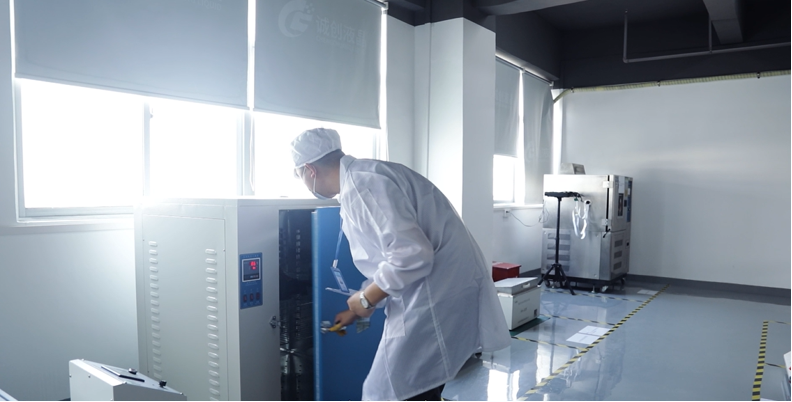
Elevated brightness generates additional heat, and long-format panels present unique thermal distribution challenges. Our engineering team designs backlight driving schemes and heat-dissipation structures that maintain uniform luminance across the entire elongated active area. For high-temperature deployments, we integrate automatic brightness control and temperature sensing to protect the liquid crystal and extend service life. This attention to thermal reliability is critical for OEM products expected to operate continuously for years in the field.
Mechanical Flexibility and Custom Integration
Custom wide LCD projects frequently require more than just a panel—they demand a complete display module. HITULCD provides tailored mechanical solutions including custom mounting brackets, protective cover glass, cable routing, and driver board placement optimized for the OEM enclosure. We accommodate specific connector types, cable lengths, and flex positioning so the finished module drops directly into the host assembly. This turnkey approach minimizes the engineering burden on OEM teams and accelerates time to market.
Meeting US Regulatory and Quality Expectations
Products sold in the US market must align with recognized safety and quality frameworks. Our wide LCD modules are engineered to support compliance with common certification categories such as UL safety standards and CE marking requirements, and our manufacturing operations are structured around ISO-based quality management systems. For environmental sealing, displays intended for outdoor or washdown applications can be designed to meet appropriate IP-rated ingress protection classifications. We work directly with OEM compliance teams to ensure the display subsystem supports the certification path of the finished product.
Supply Chain Stability and Long-Term Availability
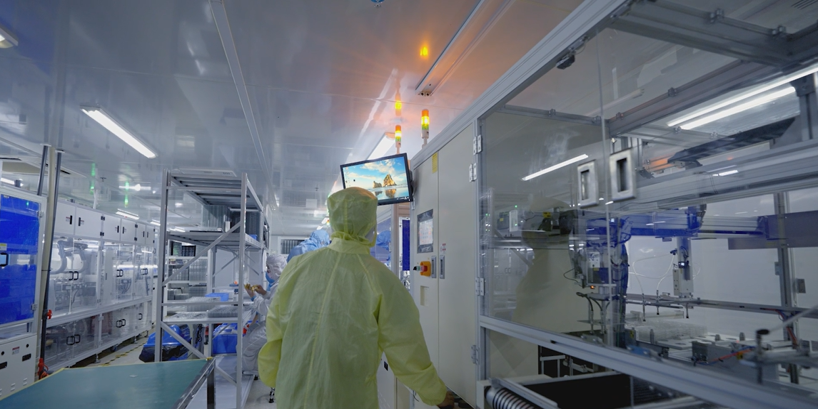
One of the most significant concerns for US OEM programs is component longevity. Consumer display panels often face short production lifecycles, creating end-of-life risk for products expected to remain in the field for a decade or more. HITULCD focuses on industrial-grade panels with extended availability commitments, giving OEM customers confidence in long-term production continuity. Our engineering-change notification processes and inventory planning help protect against sudden obsolescence, a critical advantage for medical, industrial, and infrastructure applications.
Typical Applications for Custom Wide Displays
- Retail and digital signage: shelf-edge strips and promotional bar displays with sunlight-readable brightness.
- Transportation: passenger information bars, transit dashboards, and fleet telematics displays.
- Industrial automation: machine-side operator interfaces where horizontal mounting space is limited.
- Medical equipment: diagnostic instrumentation requiring precise, elongated readout areas.
- Smart building and elevators: floor indicators, directory bars, and status panels.
The HITULCD Development Process
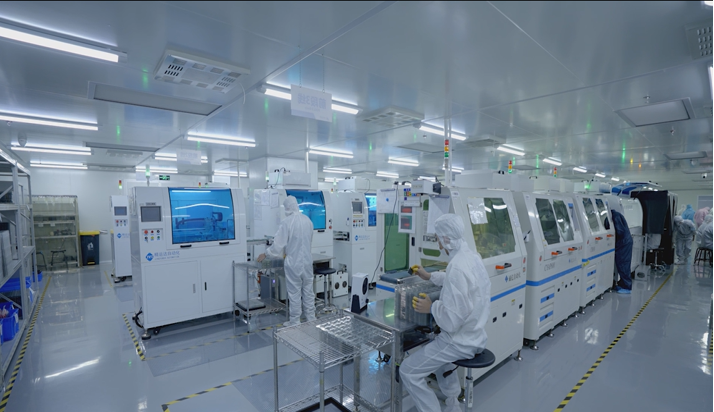
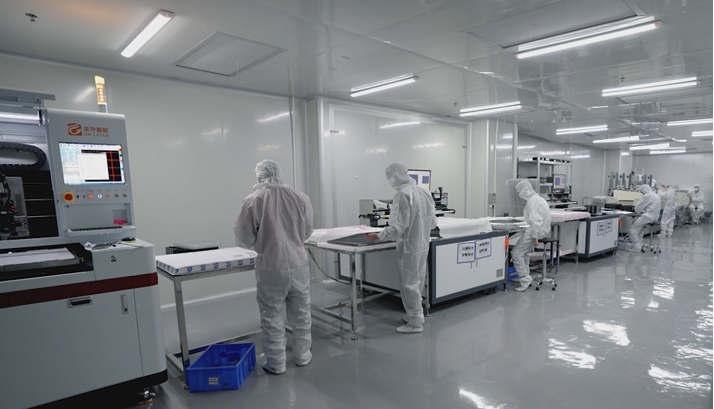
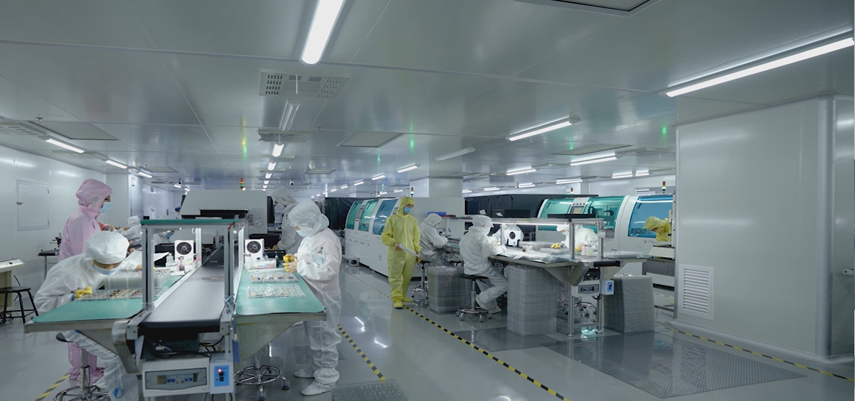
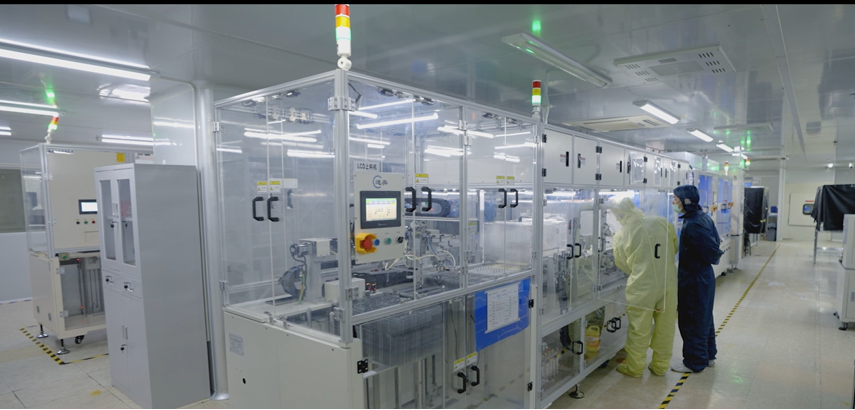
We structure every custom wide LCD project around a collaborative engineering workflow. It begins with a requirements review to capture optical, mechanical, electrical, and environmental targets. Our team then delivers design proposals, samples for evaluation, and iterative refinement based on OEM feedback. Following design validation, we move to pilot production and full-scale manufacturing with consistent quality controls. Throughout the program, dedicated engineering support ensures rapid response to integration questions and design adjustments.
Conclusion
Custom wide LCD displays give US OEM manufacturers the freedom to design products around the ideal user experience rather than compromising for standard panel formats. By combining high-brightness engineering, robust thermal reliability, flexible mechanical integration, and long-term supply commitment, HITULCD delivers wide-format display solutions built for the demands of the American market. Whether your project requires a sunlight-readable outdoor bar display or a precision industrial operator panel, our team is ready to engineer a display that fits your vision exactly.
KEYWORDS: custom wide LCD displays, US OEM display solutions, high-brightness LCD, bar-type LCD panel, sunlight readable display