Introduction
Stretched LCD displays—also known as bar-type or ultra-wide displays—have become a defining format for space-constrained signage environments such as shelf edges, transit platforms, elevator lobbies, and drive-through menu boards. When these panels are engineered for outdoor deployment and paired with a custom touchscreen, they unlock an entirely new class of interactive applications: wayfinding kiosks, ticketing terminals, EV charging interfaces, and interactive advertising in direct sunlight.
At HITULCD, we design outdoor stretched LCD displays around three non-negotiable pillars: sunlight readability through high-brightness backlighting, environmental survivability across wide temperature and weather ranges, and reliable touch performance through gloved hands, water droplets, and thick protective glass. This white paper details the engineering considerations, key parameters, and integration best practices for building a rugged, interactive stretched display system.
What Is a Stretched LCD Display?
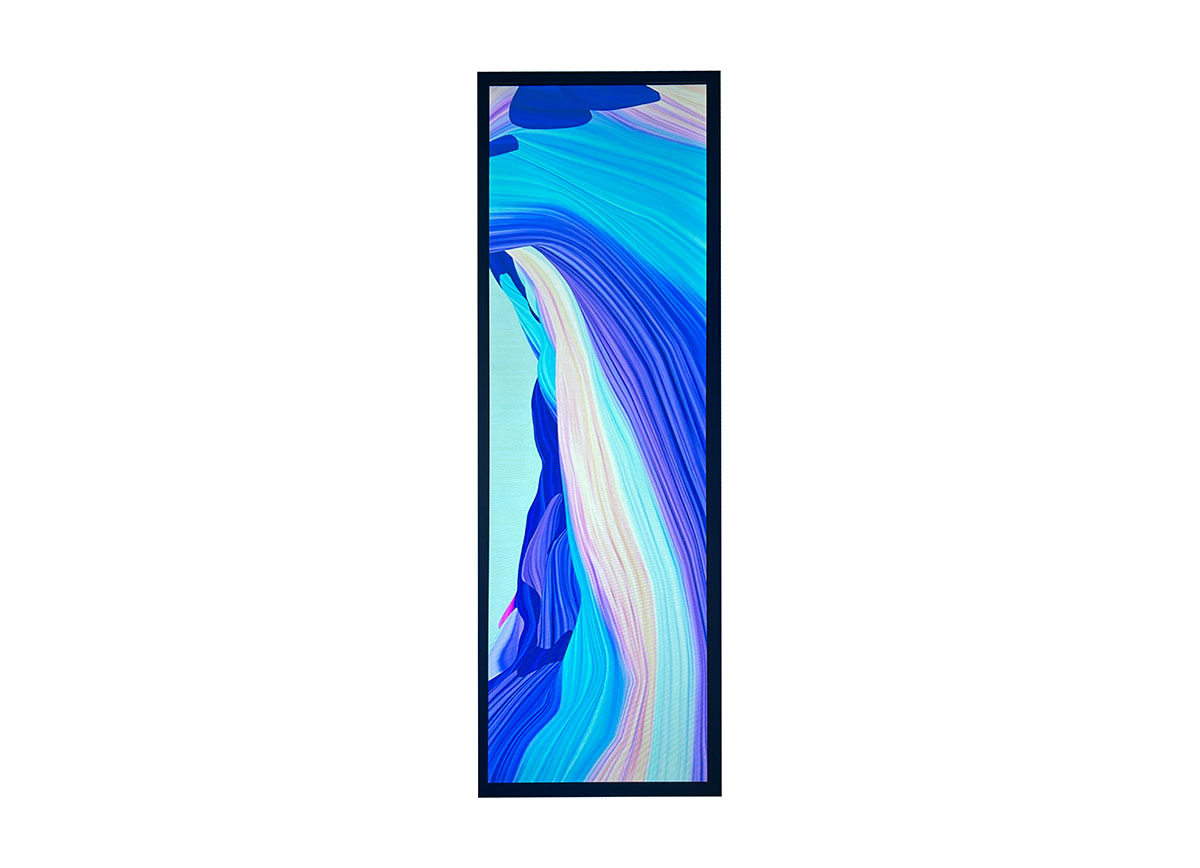
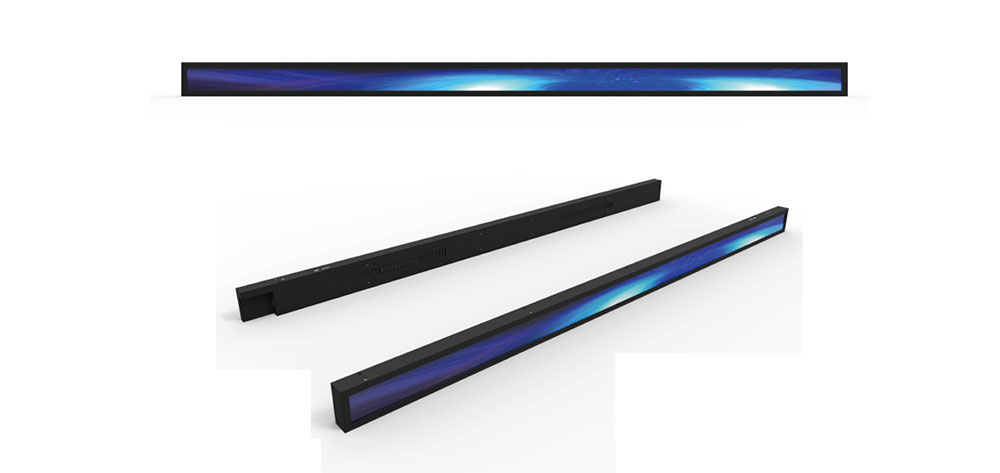
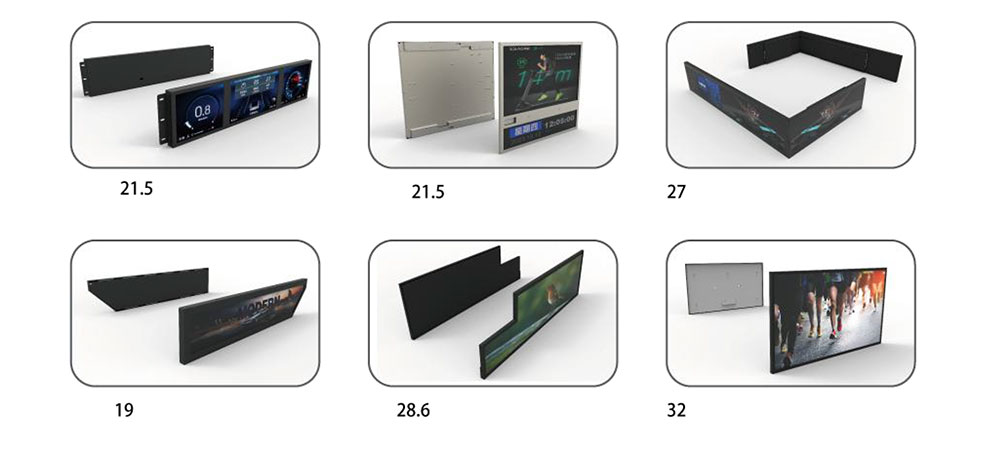
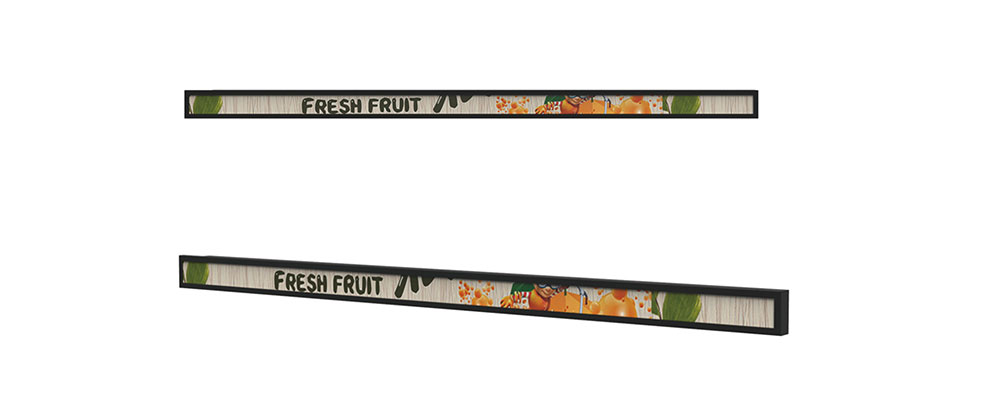
A stretched LCD uses a standard LCD glass cell that is physically cut and re-driven, or natively manufactured, to produce an elongated aspect ratio—commonly 16:4.5, 16:3, 24:9, or extreme ratios up to 58:9. Rather than trimming a standard 16:9 panel and losing usable area, modern stretched panels are produced from purpose-built glass so the full active area is addressable. This makes them ideal for narrow horizontal or vertical spaces where a conventional panel would not fit.
The value proposition is simple: maximum message impact in minimum vertical or horizontal footprint. For outdoor use, this format is frequently mounted at eye level for pedestrians or at window level for retail storefronts.
Why "Outdoor" Changes Everything
Bringing a stretched LCD outdoors introduces engineering challenges that indoor units never face. The three dominant stressors are ambient light, temperature, and moisture.
- Sunlight readability: Direct sun can exceed 50,000 lux at the display surface. A standard 350–500 nit indoor panel washes out completely. Outdoor stretched displays require 1,500–2,500 nits to remain legible.
- Thermal management: Solar loading behind cover glass can push internal temperatures well above 70°C, risking display blackening (isotropic clearing point failure). Active or passive cooling and high-clearing-point liquid crystal fluids are essential.
- Ingress protection: Rain, dust, and washdown demand a sealed enclosure rated IP65 or better on the front face.
Core Technical Specifications
The table below summarizes a representative range of specifications for HITULCD outdoor stretched displays. Values are given as typical operating ranges rather than single fixed points.
| Parameter | Indoor Stretched | Outdoor Stretched (HITULCD) |
|---|---|---|
| Brightness | 350–700 nits | 1,500–2,500 nits |
| Contrast Ratio | 800:1–1000:1 | 1000:1–1500:1 |
| Aspect Ratios | 16:4.5, 16:3 | 16:4.5, 24:9, 58:9 |
| Operating Temperature | 0°C to +50°C | −30°C to +70°C |
| Front IP Rating | IP20–IP40 | IP65 (full enclosure IP66) |
| Backlight | Standard LED | High-brightness LED, local dimming |
| Optical Bonding | Optional | Recommended / standard |
| Expected Backlight Life | ~30,000 hrs | ~50,000 hrs |
| Cooling | Passive | Active air or closed-loop |
Custom Touchscreen Options
Adding touch to an outdoor stretched display is not a matter of dropping in a standard tablet sensor. The touch layer must survive weather, respond through cover glass, and reject false triggers from rain. HITULCD supports several custom touch technologies, each suited to specific deployment conditions.
| Touch Technology | Glove Support | Wet Performance | Cover Glass Thickness | Best Use Case |
|---|---|---|---|---|
| Projected Capacitive (PCAP) | Yes (tuned) | Good with water-reject firmware | Up to 6 mm | Kiosks, interactive signage |
| Infrared (IR) | Yes | Fair | Any | Large-format, vandal-prone |
| Surface Acoustic Wave | Limited | Poor | N/A | Semi-sheltered indoor/outdoor |
| Resistive | Yes | Good | N/A | Simple single-touch controls |
For most outdoor interactive projects, we recommend a PCAP touch sensor with a water-rejection controller and anti-glare, anti-vandal cover glass. Custom tuning allows the sensor to sense fingers through 3–6 mm of chemically strengthened glass while filtering out the surface conductivity created by rain film.
Optical Bonding: The Key to Readability and Durability
Optical bonding fills the air gap between the touch panel, cover glass, and LCD with an optically clear adhesive or gel. This delivers three benefits critical to outdoor performance:
- Reduced reflection: Eliminating internal air-glass interfaces cuts reflected sunlight, effectively improving perceived contrast in bright conditions.
- Condensation prevention: No air gap means no internal fogging during temperature swings.
- Mechanical strength: The bonded stack resists impact and vibration, important for public interactive terminals.
Thermal and Environmental Engineering
Sustained sunlight readability at 2,000+ nits generates heat, and the enclosure must dissipate it without allowing dust or moisture ingress. HITULCD outdoor stretched systems use a sealed front IP65 face combined with a rear closed-loop or filtered airflow cooling path. In cold climates, integrated heaters bring the LC fluid to operating temperature before power-on to prevent slow response and image smearing. An ambient light sensor drives automatic brightness control, dimming the backlight at night to extend LED life and reduce power consumption.
Typical Applications
- Transit: Platform schedule bars and interactive route maps.
- Retail storefronts: Window-mounted, sun-facing interactive product browsers.
- EV charging stations: Weatherproof payment and status interfaces.
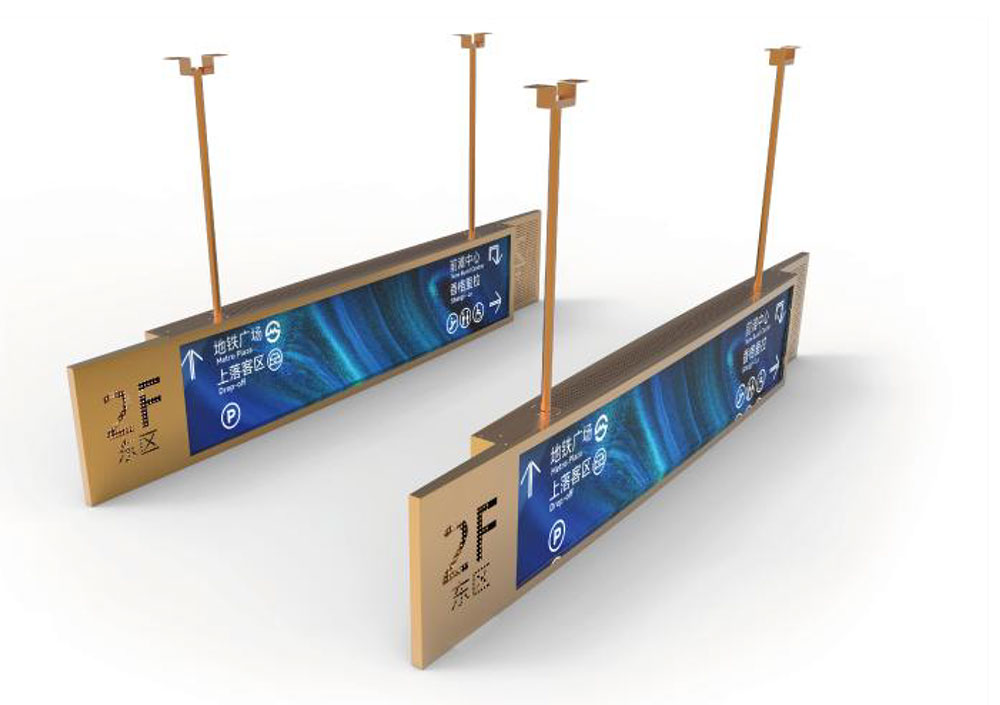
- Smart cities: Wayfinding totems and public information kiosks.
- Quick-service restaurants: Outdoor drive-through interactive menu boards.
Customization and Integration Support
Because stretched formats and touch requirements vary widely by project, HITULCD offers customization across aspect ratio, brightness target, cover glass printing and shape, touch tuning, mounting interface, and control board interface (HDMI, LVDS, USB touch, or integrated Android system-on-chip). Custom enclosure design, sunlight-optimized anti-glare treatment, and OEM/ODM branding are available for volume programs.
Conclusion
An outdoor stretched LCD display with a custom touchscreen combines the space-efficient impact of ultra-wide signage with the interactivity users expect—all engineered to survive sunlight, weather, and public use. By pairing high-brightness backlighting, optical bonding, robust thermal management, and a purpose-tuned PCAP touch sensor, HITULCD delivers durable interactive displays that stay bright, responsive, and reliable in the harshest environments. Contact our engineering team to specify a stretched display tailored to your deployment.