Outdoor equipment—from parking kiosks and vending machines to agricultural controllers and transit information terminals—demands display technology that performs flawlessly under direct sunlight. Standard LCD panels wash out, become unreadable, and frustrate users the moment ambient light exceeds indoor levels. Sunlight readable bar displays solve this challenge, combining ultra-wide aspect ratios with high-brightness engineering to deliver crisp, legible content in the harshest outdoor conditions.
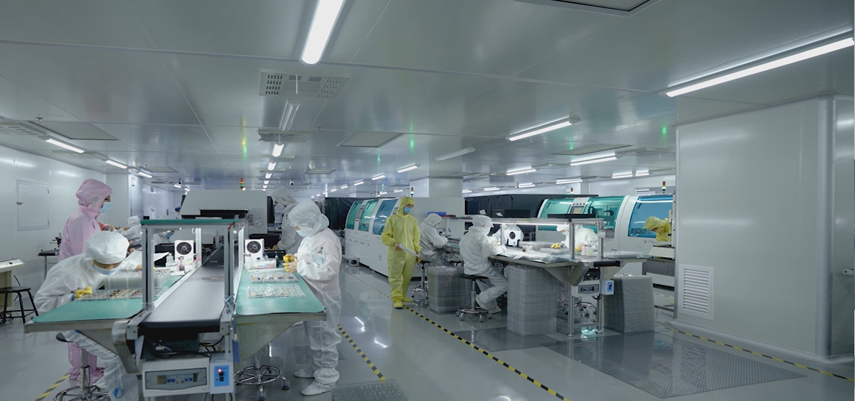
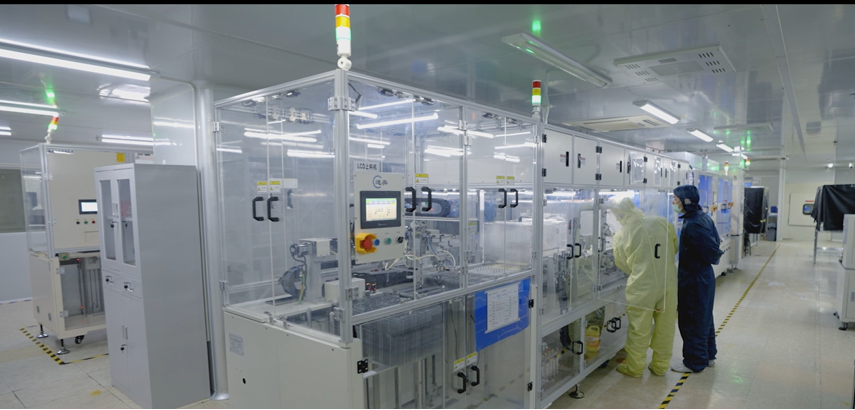
At HITULCD, we specialize in stretched bar-type LCDs engineered specifically for outdoor equipment integration. This white paper explores the technology, design considerations, and performance metrics that define a truly sunlight readable bar display.
What Is a Bar Display?
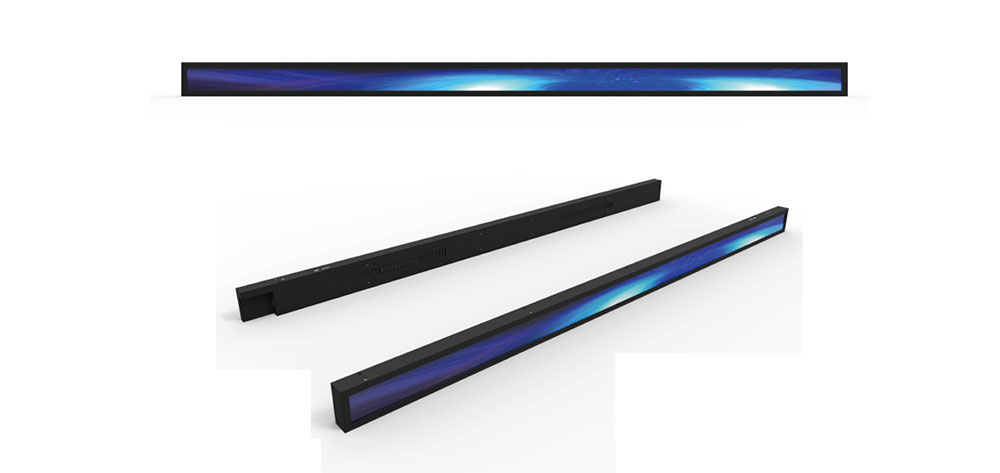
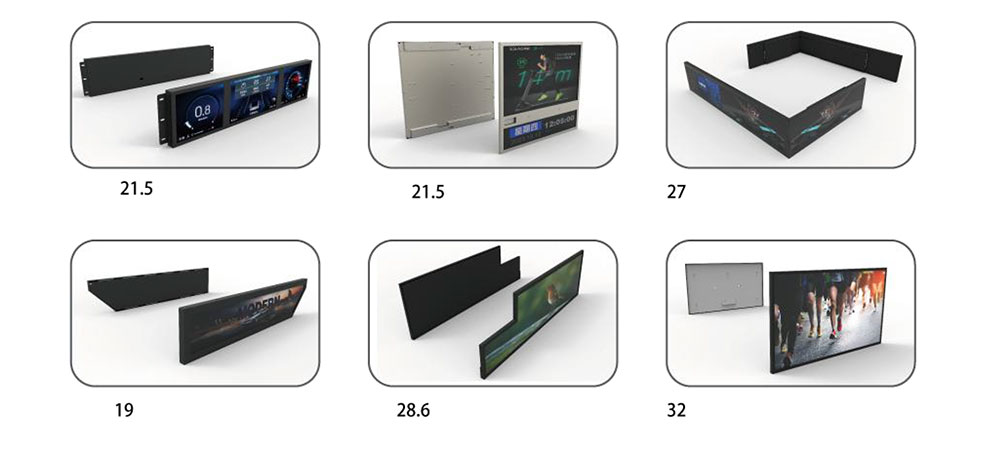
A bar display—also called a stretched, ultra-wide, or stripe LCD—is a panel cut or manufactured to an elongated aspect ratio such as 16:3, 24:9, or even 32:9. Unlike conventional 16:9 monitors, bar displays fit into narrow horizontal or vertical spaces common in outdoor equipment enclosures.
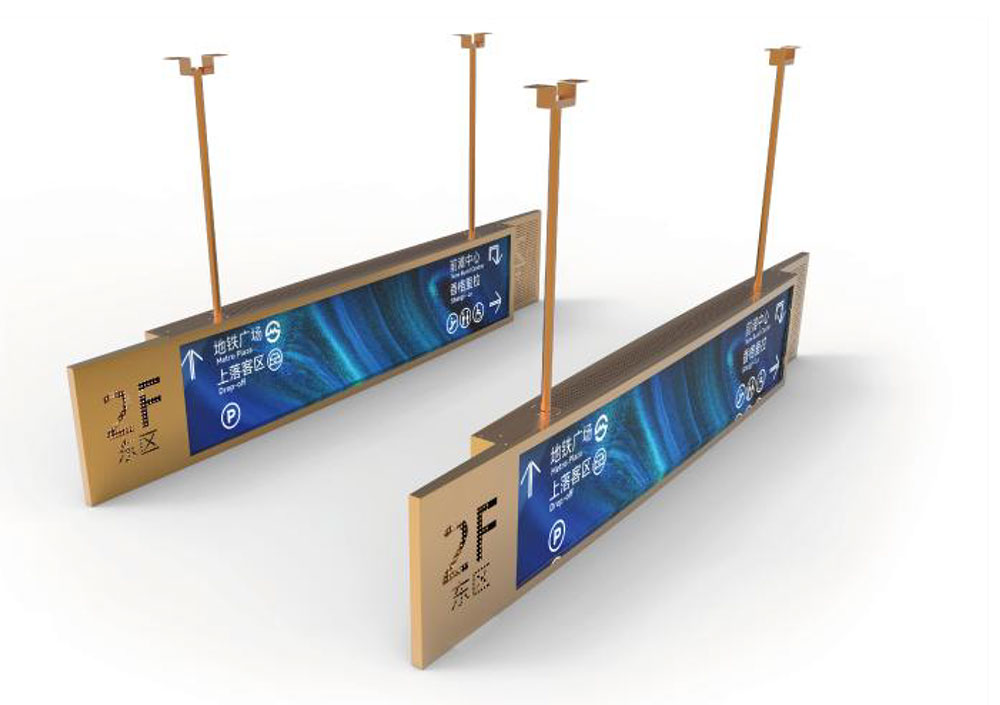
Typical applications include:
- Fuel dispenser and EV charging station status bars
- Parking meter and ticketing machine interfaces
- Vending machine promotional strips
- Transit and bus stop arrival boards
- Industrial and agricultural equipment control panels
Why Standard Displays Fail Outdoors
The core problem is contrast ratio under ambient light. A typical indoor monitor outputs 250–350 nits of brightness. Under direct sunlight—which can reach 10,000 lux or more on the display surface—that brightness is overwhelmed, causing the image to appear gray, faded, and unreadable.
Two factors determine outdoor legibility:
Luminance (Brightness)
Measured in nits (cd/m²), luminance must overcome reflected ambient light. Sunlight readable displays typically deliver 1,000 to 2,500 nits, with premium outdoor units reaching 3,000 nits or higher.
Reflectance Management
Even the brightest display fails if the surface reflects sunlight back at the viewer. Anti-glare and anti-reflective treatments, along with optical bonding, are essential to reduce mirror-like reflections.
Core Technologies for Sunlight Readability
High-Brightness LED Backlights
HITULCD bar displays use enhanced LED backlight arrays capable of sustained high-luminance output. Careful thermal management ensures these backlights maintain rated brightness over years of continuous outdoor operation, without premature dimming or color shift.
Optical Bonding
Optical bonding fills the air gap between the cover glass and the LCD panel with a clear resin. This eliminates internal reflections at the glass-air-panel interfaces, dramatically improving contrast in bright conditions. It also prevents condensation, improves impact resistance, and enhances heat dissipation.
Anti-Reflective & Anti-Glare Coatings
AR coatings reduce surface reflectance from roughly 8% to under 1%, while AG treatments diffuse harsh specular reflections. The right combination depends on whether the equipment is placed in full sun, partial shade, or transitional lighting.
Optional Auto-Dimming
An integrated light sensor adjusts brightness dynamically—maximizing luminance in daylight and reducing it at night to prevent glare and extend backlight life while lowering power consumption.
Environmental Durability
Outdoor equipment displays must survive far more than sunlight. HITULCD engineers our bar displays for full environmental resilience.
Wide Operating Temperature
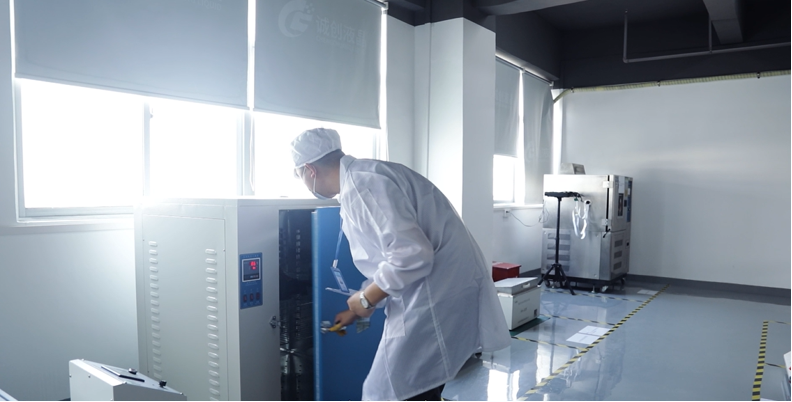
Our sunlight readable bar displays operate reliably across a -30°C to +85°C range. This is critical because high-brightness backlights generate significant heat, and outdoor enclosures can reach extreme internal temperatures. We employ wide-temperature liquid crystal fluid to prevent image blackening at high temperatures and sluggish response at low temperatures.
UV and Weather Resistance
Prolonged UV exposure degrades polarizers and adhesives. We use UV-stabilized materials and industrial-grade components rated for years of direct exposure without yellowing or delamination.
Sealing and Ingress Protection
When integrated with proper bezels and gaskets, our displays support IP65-rated front surfaces, protecting against dust, rain, and pressure washing common in outdoor maintenance.
Design Considerations for Equipment Integration
Mechanical Fit
Bar displays are prized for their compact footprint. Our modules offer flexible mounting options, slim profiles, and customizable cover glass dimensions to match your enclosure design precisely.
Interface Compatibility
We support LVDS, eDP, MIPI, and HDMI-driven controller boards, making integration with embedded systems, single-board computers, and industrial controllers straightforward.
Power Efficiency
High brightness typically means high power draw. Through efficient LED selection and auto-dimming, HITULCD balances luminance performance with thermal and energy budgets—essential for solar-powered or battery-backed outdoor equipment.
Touch Integration
Projected capacitive (PCAP) touch can be optically bonded onto bar displays with glove and rain-rejection tuning, enabling reliable outdoor interaction even with wet fingers.
Selecting the Right Brightness Level
Not every application requires maximum nits. Use this guidance:
- 700–1,000 nits: Shaded outdoor areas, covered kiosks, canopy-protected equipment.
- 1,000–1,500 nits: Partial sun exposure, most general outdoor equipment.
- 1,500–2,500+ nits: Direct, unobstructed sunlight—fuel pumps, open parking meters, transit boards.
Pairing appropriate brightness with optical bonding and AR treatment often yields better real-world legibility than raw brightness alone.
The HITULCD Advantage
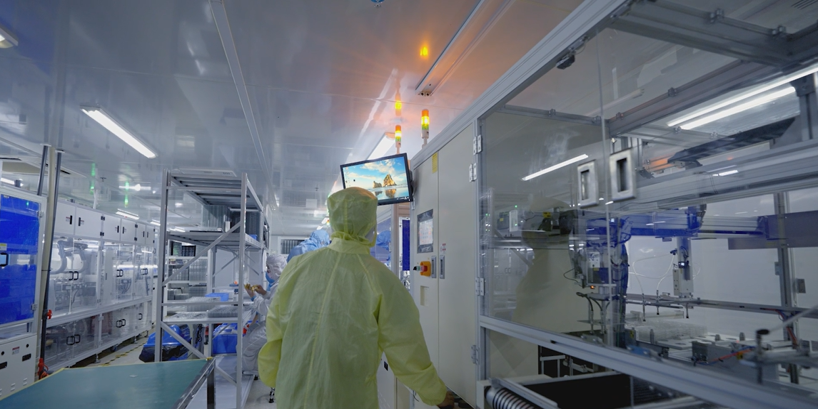
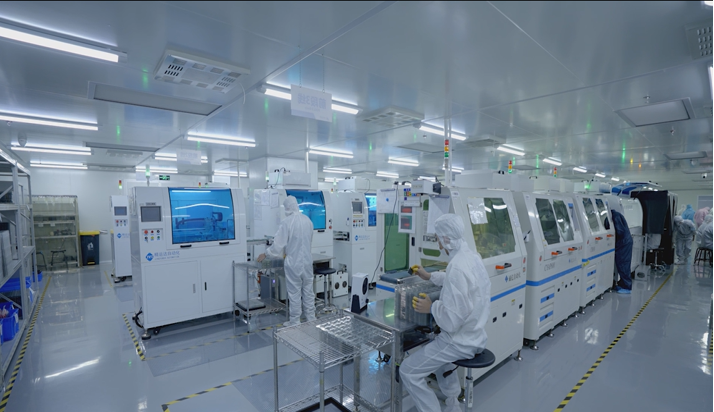
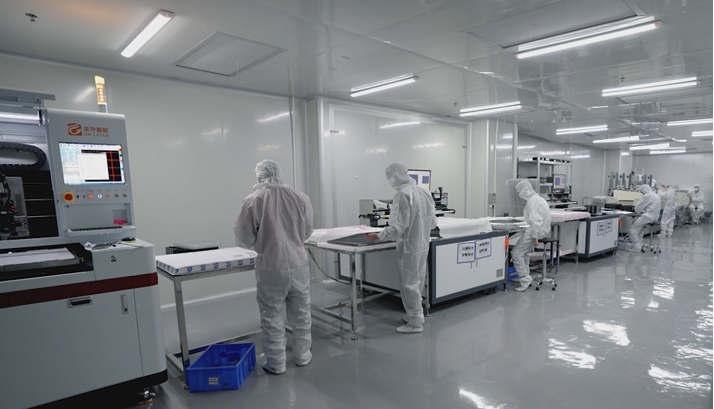
As a dedicated high-brightness LCD manufacturer, HITULCD delivers custom-engineered sunlight readable bar displays built for the demands of outdoor equipment. From backlight design and optical bonding to wide-temperature performance and IP sealing, every element is optimized for legibility, longevity, and reliability.
Whether you are designing a next-generation EV charger, a smart parking terminal, or rugged agricultural machinery, our bar displays ensure your interface remains clear, crisp, and readable—no matter how bright the sun.
Conclusion
Sunlight readability is not a single feature but the result of coordinated engineering: high-luminance backlights, optical bonding, anti-reflective treatments, wide-temperature tolerance, and robust environmental sealing. For outdoor equipment where space is limited and sunlight is unavoidable, a purpose-built bar display is the smart choice. Partner with HITULCD to bring reliable, sunlight readable displays to your outdoor products.
KEYWORDS: sunlight readable bar displays, high brightness LCD, outdoor equipment display, stretched bar LCD, optical bonding