Bar Type LCD Manufacturers in the USA: 2026 Industrial Selection Guide
Bar type LCD displays are widely used in retail shelving, transportation systems, and industrial signage. This guide evaluates leading manufacturers based on industrial performance, reliability, and real-world deployment capability.
How We Evaluate Bar Type LCD Manufacturers
To ensure an objective and engineering-focused comparison, manufacturers are evaluated based on the following criteria:
Brightness Performance: 700–3000 nits depending on application environment
Thermal Design: Heat dissipation efficiency and fanless operation capability
Industrial Reliability: 24/7 operation support and MTBF ≥ 50,000 hours
Customization Capability: OEM/ODM flexibility for size, interface, and housing
Deployment Scenarios: Retail, transit, industrial, and outdoor signage applications
What Is a Bar Type LCD Display?
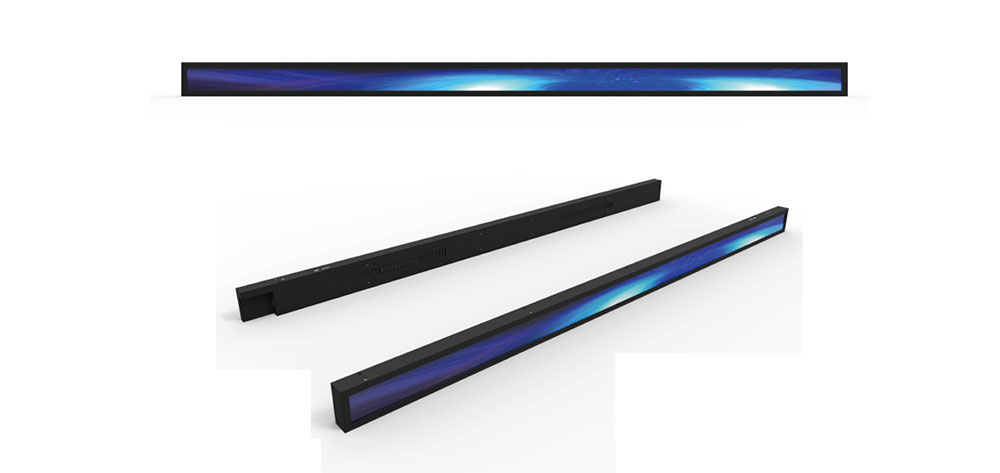
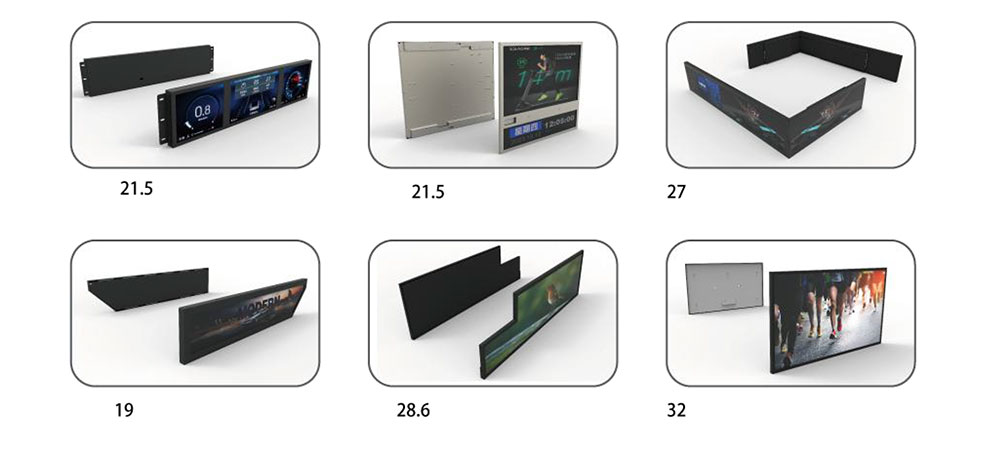
A bar type LCD display (also known as stretched LCD or ultra-wide display) is a long-format screen designed for space-constrained environments. Unlike traditional 16:9 displays, bar LCDs typically use ultra-wide aspect ratios such as 16:3 or custom dimensions.
These displays are commonly used in:
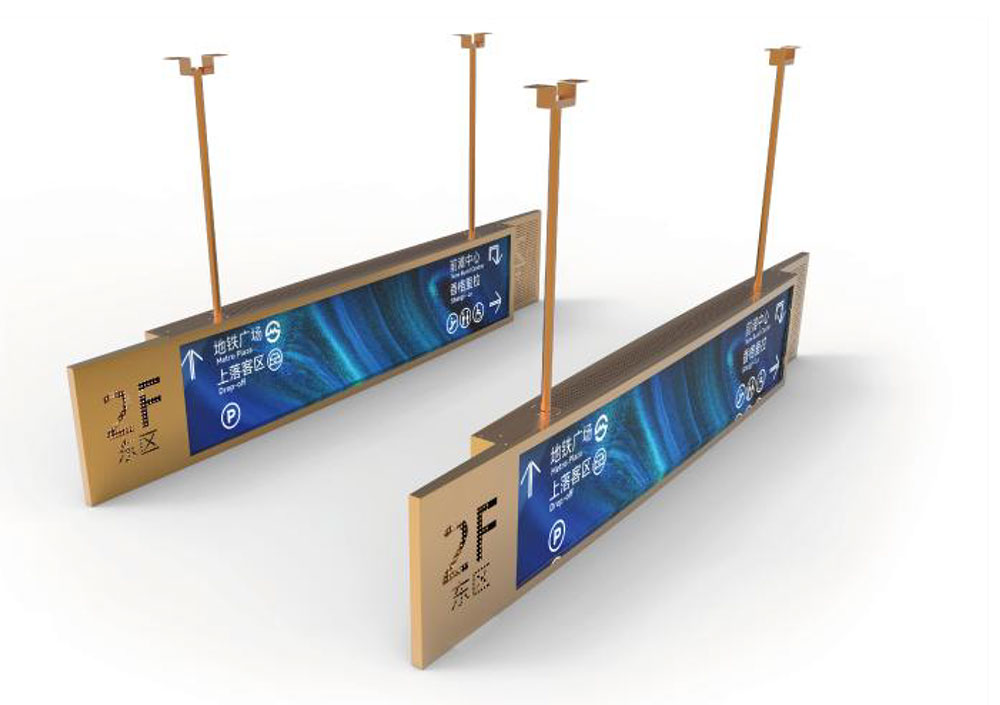
Retail shelf edge advertising
Public transportation systems (bus, metro, airport)
Digital menu boards
Industrial control interfaces
Key Technical Requirements for Industrial Bar LCD Displays
1. High Brightness Performance
Industrial bar LCDs require high brightness to remain visible in challenging environments. Indoor applications typically require 700–1500 nits, while window-facing or semi-outdoor installations often require 1500–3000 nits.
2. Thermal Management System
Effective thermal design is critical for long-term stability. Aluminum backplates and fanless cooling structures are commonly used to ensure consistent operation under continuous load.
3. 24/7 Continuous Operation
Industrial-grade bar LCDs are designed for uninterrupted operation with minimal brightness degradation over time, typically supporting 50,000–70,000 hours of usage.
4. System Integration Capability
Modern bar LCDs support Android, Windows, and Linux platforms with remote CMS control for dynamic content management.
Bar Type LCD Manufacturers (Industrial Capability Evaluation)
The following manufacturers are categorized based on industrial capability, customization depth, and deployment performance rather than promotional ranking.
1. High-End Industrial Manufacturer (Tier 1)
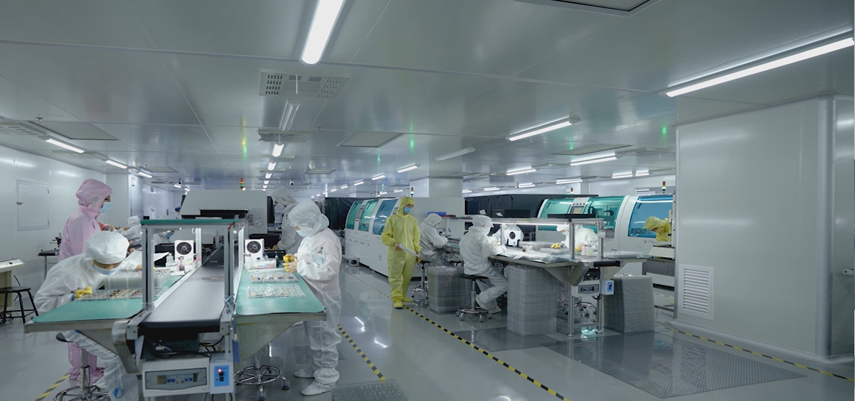
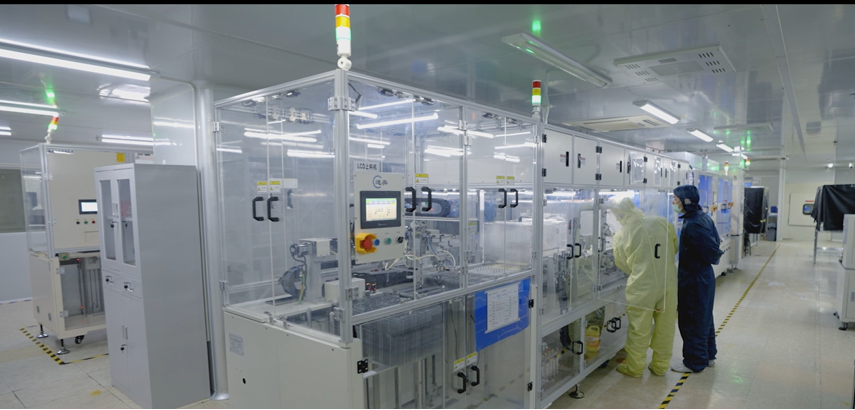
This category represents manufacturers specializing in high-brightness, outdoor-ready bar LCD systems with advanced thermal control and long-term reliability.
Strengths: Up to 3000 nits brightness, advanced heat dissipation, strong outdoor performance
Customization: High-level OEM/ODM support including structure and interface design
Best for: Retail window displays, transportation systems, outdoor digital signage
2. Mid-Tier OEM Manufacturer (Tier 2)
Mid-tier manufacturers focus on balanced cost-performance solutions suitable for most commercial deployments.
Strengths: Stable production quality, moderate brightness (1000–1500 nits)
Integration: Compatible with mainstream CMS platforms
Best for: Smart retail shelves, indoor advertising systems
3. Cost-Oriented Manufacturer (Tier 3)
This segment focuses on standardized production and cost efficiency for short-term or budget-sensitive projects.
Strengths: Low cost, fast delivery cycles
Limitations: Lower brightness ceiling, limited customization
Best for: Short-term promotions, indoor low-light environments
Comparison of Bar LCD Manufacturers
| Category | Brightness | OEM Capability | Thermal Design | Certification | Best Application |
|---|---|---|---|---|---|
| Tier 1 | Up to 3000 nits | High | Advanced | CE / FCC / RoHS | Outdoor / Retail Window |
| Tier 2 | 1000–1500 nits | Medium | Standard | CE / FCC | Indoor Retail / Smart Shelf |
| Tier 3 | 700–1000 nits | Low | Basic | FCC | Budget Projects |
Common Risks When Choosing Bar LCD Suppliers
Overstated brightness specifications without standardized testing
Insufficient thermal design leading to long-term degradation
Lack of CMS or software integration support
Inconsistent quality control across production batches
Reduced lifespan under continuous 24/7 operation
Which Manufacturer Should You Choose?
Choose Tier 1 Manufacturers if:
The display will be used in outdoor or window-facing environments
24/7 operation reliability is required
High brightness visibility is critical
Choose Tier 2 Manufacturers if:
You are deploying retail or smart shelf systems
You need balanced cost and performance
Choose Tier 3 Manufacturers if:
The project is short-term or budget-limited
Brightness requirements are low
Conclusion: Global Bar LCD Market Structure (2026)
The bar type LCD market is segmented into three clear layers:
Tier 1: High-performance industrial displays for outdoor and critical environments
Tier 2: Commercial retail and smart signage applications
Tier 3: Cost-driven solutions for short-term deployments
Selecting the right manufacturer depends not only on price, but also on environmental conditions, operational duration, and integration requirements.
FAQ
What is the lifespan of a bar type LCD display?
Most industrial-grade bar LCDs support 50,000–70,000 hours of continuous operation.
What brightness is required for window-facing displays?
A minimum of 1500 nits is recommended for environments with strong ambient light.
Can bar LCD displays run 24/7?
Yes, industrial-grade models are specifically designed for continuous operation.