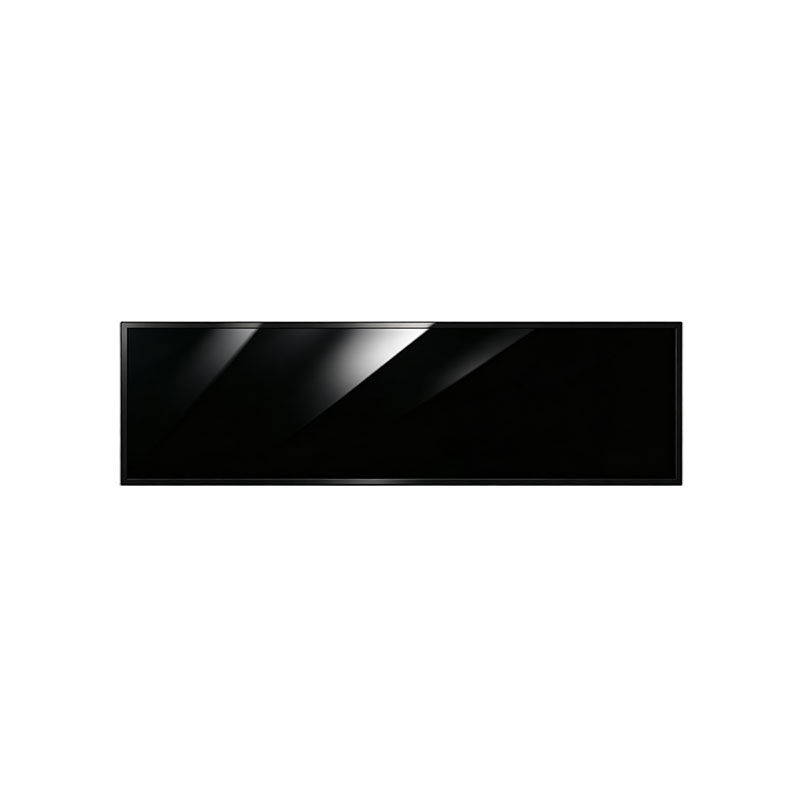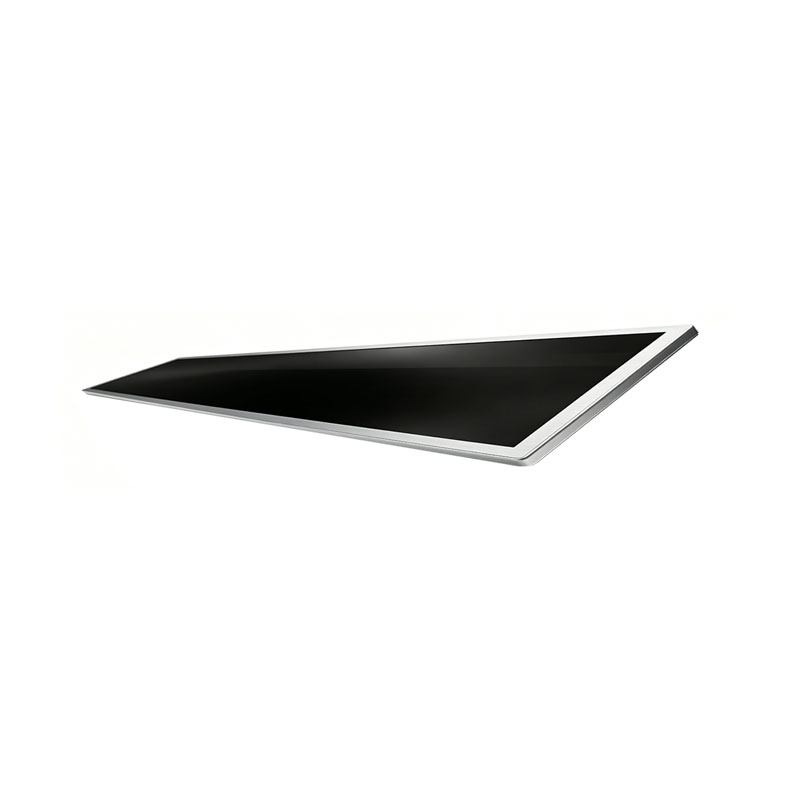
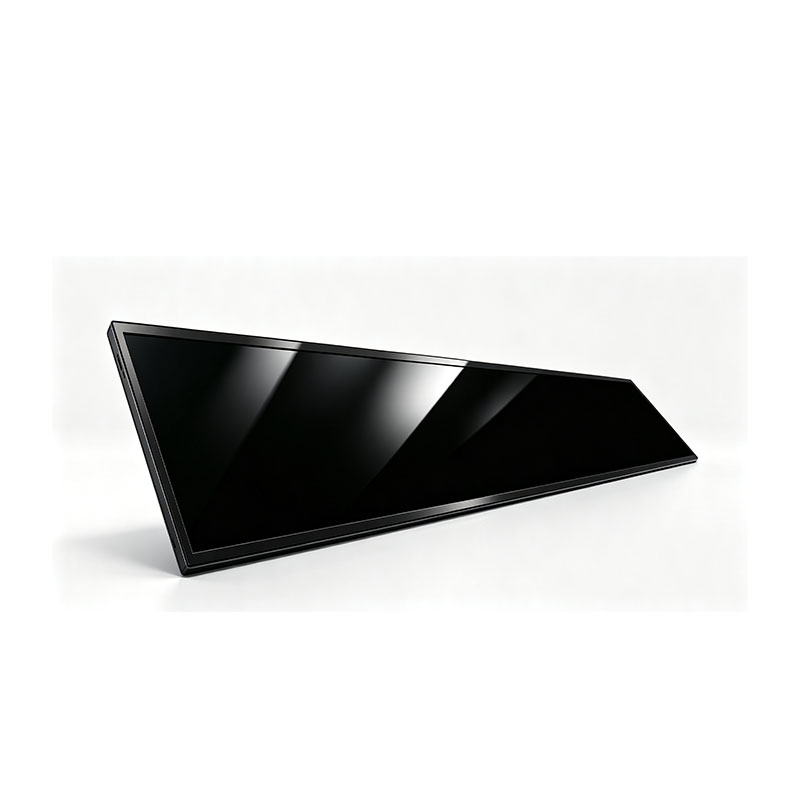
58.4 Inch Custom LCD Module for Digital Signage Projects
MODEL: P584KVN01.0
Need customized solution?
Our engineering team is always ready to provide you with professional technical support and flexible customized services.
Understand light customization servicesBuilt by us. Configured for you.
HITULCD supplies LCD modules and display solutions directly from our manufacturing operation, giving OEMs, integrators and distributors direct access to engineering, customization and production.
Supply
Supplier Qualification
VerificationTechnical Specifications
| LCD PANEL PARAMETERS | HDMI/CONTROL BOARD SPECIFICATIONS | ||
|---|---|---|---|
| ITEM | DETAILS | ITEM | DETAILS |
| Model Number | P584KVN01.0 | Input Interface | Require V‑by‑One Driver Board(NOT LVDS) |
| Manufacturer | HITULCD | Power Input | DC 12V‑5A |
| Diagonal Size | 58.4" Cut‑Type Stretched Bar (65" panel 1/2 cut, Not Native Panel) | OSD KEYS | Depends on V‑by‑One controller |
| Resolution | 3840(RGB) × 1080 DFHD, 3.56:1 | OSD CONTROL | Depends on V‑by‑One controller |
| Panel Type | a‑Si TFT‑LCD, LCM | ||
| Pixel Arrangement | RGB Vertical Stripe | ||
| Display Area(A.A) | 1428.48(W)×401.76(H) mm | ||
| Overall Dimension | 1456.28(W)×429.56(H)×27(D) mm | ||
| Panel Weight | 9.20Kgs (Typ.) | ||
| Surface Treatment | Matte (Haze 28%), Hard Coating (3H) | ||
| Contrast Ratio | 4000:1 (Typ.)(Transmissive) | ||
| Typical Brightness | 700 NITS | ||
| Response Time | 8 (Typ.)(G to G) ms | ||
| LCD Technology | AMVA3, Normally Black, Transmissive | ||
| Viewing Angle | 89°/89°/89°/89°(Typ.)(CR≥10) | ||
| Viewing Direction | Full Viewing Angle | ||
| Display Colors | 1.07B Colors,72% NTSC | ||
| Refresh Rate | 60Hz | ||
| Backlight Type | WLED,50K Hours,With LED Driver | ||
| Power Consumption | - | ||
| Signal Interface | 51 pins,0.5 mm V‑by‑One 8‑lanes (NOT LVDS) | ||
| Supply Voltage | 12.0V (Typ.) | ||
| Touch Panel | Without Touch Function | ||
| Application Fields | Industrial Equipment,Digital Signage,Vehicle Displays | ||
| Operating Temperature | -25 ~ 60 °C | ||
| Storage Temperature | -25 ~ 60 °C | ||
| Important Remark | Uses V‑by‑One 8‑lanes interface, regular LVDS controller board CANNOT work directly,special V‑by‑One driver board is mandatory. It is cut‑type panel (65‑inch TV panel 1/2 cut), not native stretched‑bar panel,support‑25℃ ultra‑low‑temp operation. | ||
OEM/ODM Market Demand: Custom Cuttable & Stretched Bar LCD Displays
Market Context Brief — For Sourcing, Product, and Business Development Teams
Why This Category Is Growing
Standard 16:9 monitors were never designed for the spaces where digital signage is actually going next: shelf edges, transit platforms, elevator lintels, narrow storefront windows, and interior architecture. As retailers, transit operators, and integrators push digital content into these spaces, demand has shifted from "buy a standard panel" to "specify a panel that fits the space" — which is a sourcing problem native to OEM/ODM manufacturing, not off‑the‑shelf retail.
Three forces are driving that shift:
Retail modernization — shelf‑edge and window displays are replacing static paper labels and posters, a segment growing fastest in omnichannel and smart‑retail rollouts.
Space‑constrained installations — transportation, elevators, and architectural interiors increasingly require displays engineered to a dimension, not selected from a catalog.
Brand and integration control — system integrators and brand owners want a panel that matches their housing design, interface stack, and firmware — not a generic monitor with a sticker.
This is why buyers in this category are structurally OEM/ODM buyers: the product only works if it's built to their spec.
Who Is Actually Buying
| Buyer type | What they need from a supplier |
|---|---|
| System integrators / digital signage companies | A panel that matches their existing housing and media‑player stack, with predictable lead times across repeat orders |
| Retail & smart‑shelf solution providers | Cost‑stable, high‑volume supply with consistent optical quality across long production runs |
| Transportation & industrial equipment OEMs | Wide‑temperature, high‑brightness panels that pass defined reliability test levels, with documentation for their own certification process |
| Brand owners / project contractors | A single accountable manufacturing partner across design, sourcing, and testing — not a reseller with no engineering input |
Across all four groups, the recurring ask is the same: not "sell me a panel" but "engineer this panel to fit my project."
What's Shifting in the Requirements
Brightness and ruggedization are rising as baseline expectations, not premium options — wide‑temperature (−20°C to +70°C) and higher‑nit backlights are increasingly requested even for indoor projects, as buyers standardize on one spec across indoor/semi‑outdoor deployments to simplify sourcing.
Non‑standard dimensions are becoming normal, not exceptional — cut/stretched panels outside the typical catalog sizes are increasingly the default request rather than an edge case, because installation spaces are dictating the spec rather than the reverse.
Buyers are sourcing earlier in the design cycle. Engineering teams increasingly bring in a display manufacturer during layout/DFM stage rather than after the housing is finalized — which raises the bar on how early and how technically a supplier can engage.
Documentation expectations have gone up. Overseas buyers — particularly in transportation, retail infrastructure, and regulated environments — expect test reports, tolerance data, and certification support as a standard part of the quote, not an afterthought requested after PO.
What This Means for a Sourcing Decision
Buyers evaluating an OEM/ODM display partner in this category are, in practice, screening for three things:
Engineering depth before commitment — can the supplier run a DFM/feasibility check before asking for a deposit, or only after?
Evidence, not claims — will they share a prior test report and real tolerance data, or only spec‑sheet numbers?
Scalability without re‑engineering — can the same supplier support a 20‑unit pilot and a multi‑thousand‑unit rollout without changing process or partner?
Suppliers that can answer all three tend to win the relationship, not just the first PO — because once a panel is qualified into a customer's housing and BOM, switching suppliers becomes an engineering cost the buyer would rather avoid.
Positioning Takeaway
The market isn't asking for a bigger catalog of standard sizes — it's asking for a manufacturing partner that treats non‑standard dimensions, ruggedization, and documentation as the default offering, not a custom surcharge. That's the gap OEM/ODM‑focused cut‑panel suppliers are built to fill, and it's the basis on which overseas engineering and procurement teams are increasingly making the sourcing decision.
This brief reflects observed sourcing behavior and buyer requirements in the ultra‑wide/stretched LCD segment as of 2026. Figures and buyer priorities should be validated against your own RFQ data before use in external marketing materials.
58.4″ Custom Cuttable Bar LCD Module
Engineering & Sourcing Brief — For OEM/ODM Project Teams
Prepared for hardware engineers, procurement managers, and project owners evaluating a cut‑panel supplier for ultra‑wide digital signage integration.
At a Glance
| Panel size | 58.4″ diagonal, ultra‑wide bar format |
| Resolution | 3840 × 1080 (4K‑UHD stretched) |
| Brightness | 500–700 nits (customizable) |
| Contrast ratio | 4000:1 |
| Viewing angle | 178° / 178° (H/V) |
| Backlight life | 50,000 hrs, rated for 24/7 operation |
| Operating range | −20°C to +70°C |
| Interfaces | HDMI · DP · VGA · USB · RS232 · LVDS (project‑configurable) |
Typical applications: transportation displays, retail shelf‑edge signage, elevator and lobby signage, self‑service kiosks, and other narrow‑space installations where a standard 16:9 panel doesn't fit.
Exact resolution, brightness, and I/O are confirmed against your source panel and application during DFM review — not assumed from this table.
Sourcing This Panel: Four Questions Worth Asking
A 58.4″ bar display is rarely a native panel — it's precision‑cut from a standard mother‑glass size. That process is where project risk actually lives. Below is how we answer the four questions we hear most often from engineering and procurement teams.
01 · Can it actually be cut to spec?
Cutting method depends on how close your target line falls to the active circuit area.
Mechanical wheel cutting — the standard choice for straight edges with clear margin from the TFT array. Lower cost, suited to volume production.
Ultra‑fast laser cutting (picosecond/femtosecond) — used when the cut line runs close to the Gate/Source trace routing or TFT array, where micro‑crack control matters most.
We don't default to one method — the recommendation follows a Gate/Source trace and TFT‑array interference check against your target dimension.
To run that check, we need:
Target outline dimensions and tolerance (±mm)
Mounting/bezel drawing — DWG, DXF, or PDF
Interface requirement (existing FPC/connector position, or relocation)
Source panel model, if already specified
Cut edges are inspected against a defined flatness and micro‑crack limit before moving to sealing — anything outside spec is rejected at this stage.
02 · Will it survive the field?
Cutting opens the liquid‑crystal layer at the new edge. This is the step that determines long‑term reliability.
Sealing — cut edges receive a secondary UV‑cure resin dispensing pass to restore moisture and leakage protection. Bead width and cure profile are tuned per panel thickness and cut geometry, then verified under inspection.
Validated against, at consumer‑ or industrial‑grade level to match your application:
| Test | What it checks |
|---|---|
| Double‑85 (85°C / 85% RH) | Moisture ingress at the sealed edge |
| High/low temp. cycling | Seal & bonding integrity under thermal stress |
| Thermal shock | Rapid‑transition durability |
| Structural drop test | Mechanical robustness of the assembly |
We can share a test report from a comparable prior cutting project on request.
Optical checks at the edge — light leakage (backlight bleed at the boundary) and Mura/color shift near the seal line are both verified under line inspection before shipment.
03 · What will it cost, and how fast?
| Stage | What to expect |
|---|---|
| NRE (setup) | DFM review, cutting fixture/program setup, sealing qualification for the new dimension — quoted per project once spec is confirmed |
| First sample run | Small pilot batch (commonly ~20 pcs) to validate cutting tolerance, seal integrity, and optical quality |
| Sample lead time | Depends on mother‑glass availability and cutting queue — confirmed with your RFQ |
| Mass‑production yield | Lower than a native panel size by design — quoted as a defined range for your specific cut geometry, not assumed |
| MOQ | Set by fixture amortization and source panel lot size |
04 · What do you need from us to get a firm number?
| # | Item |
|---|---|
| 1 | Target dimensions + tolerance (drawing preferred) |
| 2 | Resolution and brightness requirement |
| 3 | Interface / connector requirement |
| 4 | Test level required — consumer or industrial — plus certifications needed (CE, FCC, RoHS) |
| 5 | Sample quantity and expected annual volume |
With these five items, we return a DFM feasibility note, a sample quote with lead time, and — on request — a test report from a comparable project.
Ready to scope your project? Send the five items above and we'll turn around a DFM feasibility note and quote.
This brief summarizes standard engineering practice for cut/stretched bar LCD modules. Exact tolerances, test levels, NRE cost, and yield figures are confirmed per project after DFM review of your specific drawing and volume.
Know The Terms Before You Inquire.
|
01 — Shipping Terms
Incoterms Available
EXW
Ex Works — pick up from our factory
FOB
Free On Board — most common for ocean freight
CIF
Cost, Insurance & Freight — to your port
|
02 — Order Minimum
MOQ: 1 Units
Applies to standard specs. Custom brightness, cutting or bezel may adjust MOQ, confirmed at quotation. Sample units available before bulk order
|
03 — Payment Protection
Multiple Secured Methods
|
A Real Factory. Publicly Verifiable.
|
Legal Company Name
Shenzhen Hantu Jiashi Technology Co., Ltd.
|
Unified Social Credit Code
91440300306068446B
|
|
Legal Representative
YUN CHEN
|
Registered Capital
RMB 2,000,000
|
|
Established
May 23, 2014 (11+ years operation)
|
Business Status
● Active / In Operation
|
|
Registered Factory Address
Building B, Gangshen Innovation Park, Huaning Road, Dalang Sub-district, Longhua District, Shenzhen, Guangdong, China
|
|
Contact HITULCD
We'll respond via email within 24 hours. If you'd like to discuss details over WhatsApp or a call, please leave a preferred time and contact method in your message — we will never call you unannounced.
Related solutions
This product is suitable for the following industry application scenarios
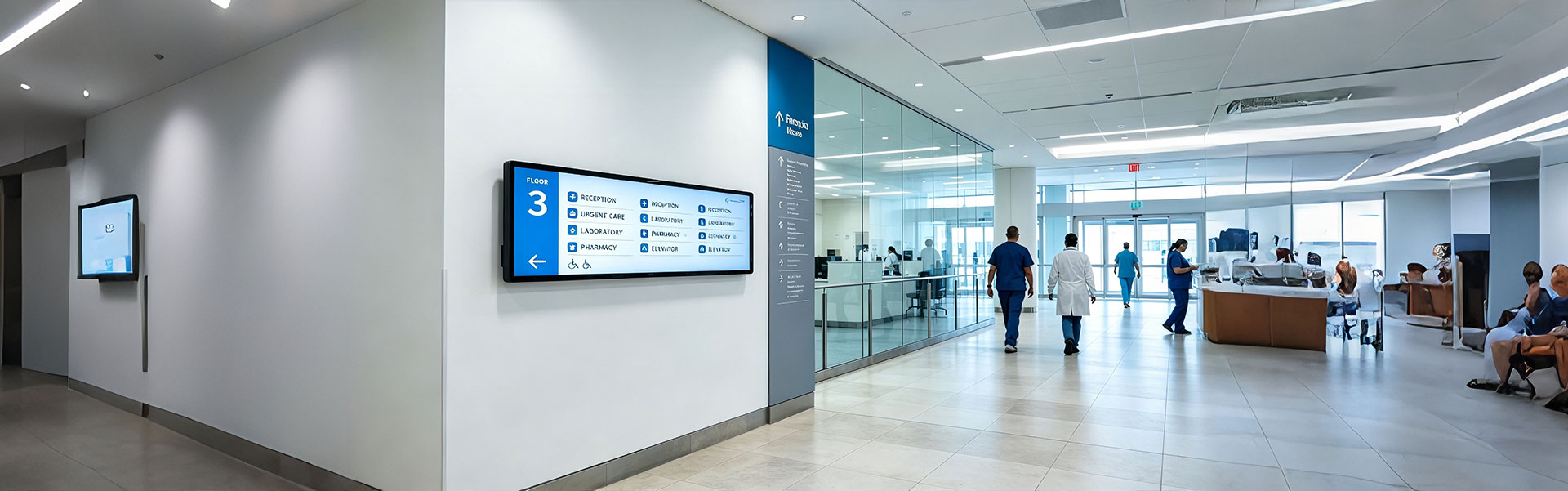
Floor Information Bar LCD Display Solution
Ultra-wide, high-brightness stretched bar LCD disp...
view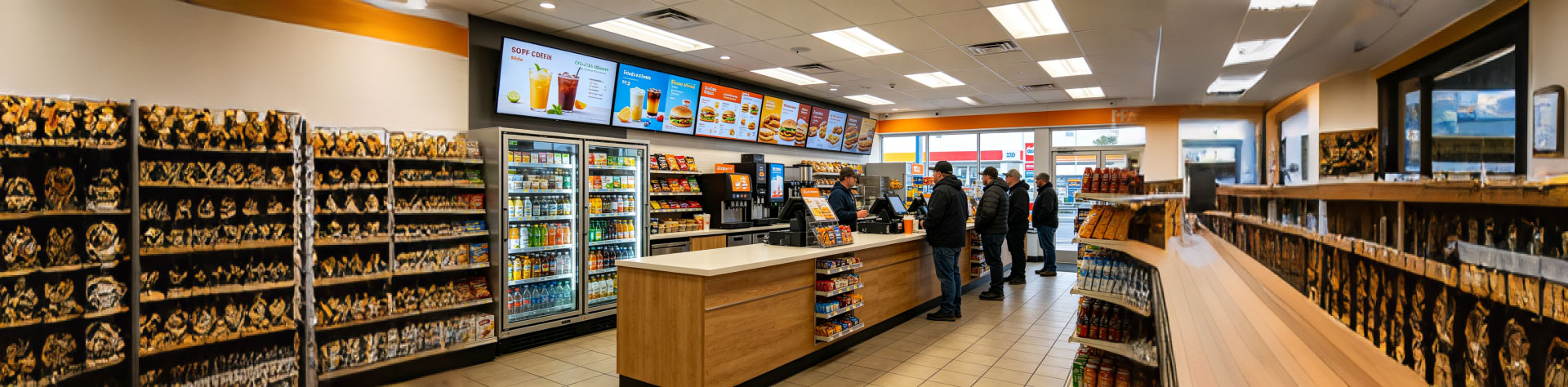
Convenience Store Bar LCD Display Solution
Ultra-slim, high-brightness stretched bar LCD disp...
view
Bus Passenger Information Stretched Bar Display Solution
A rugged, ultra-wide stretched bar display solutio...
viewRelated Products
You may also be interested in the following products