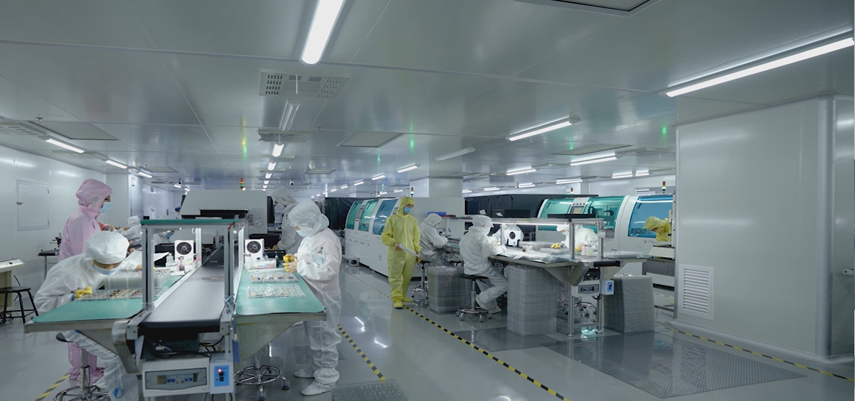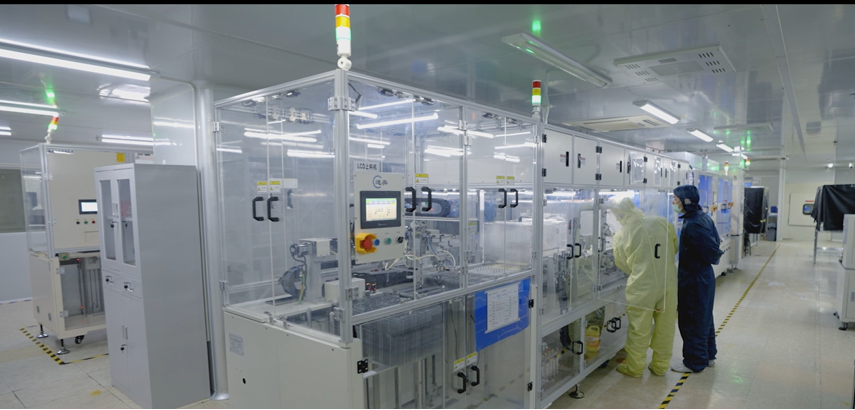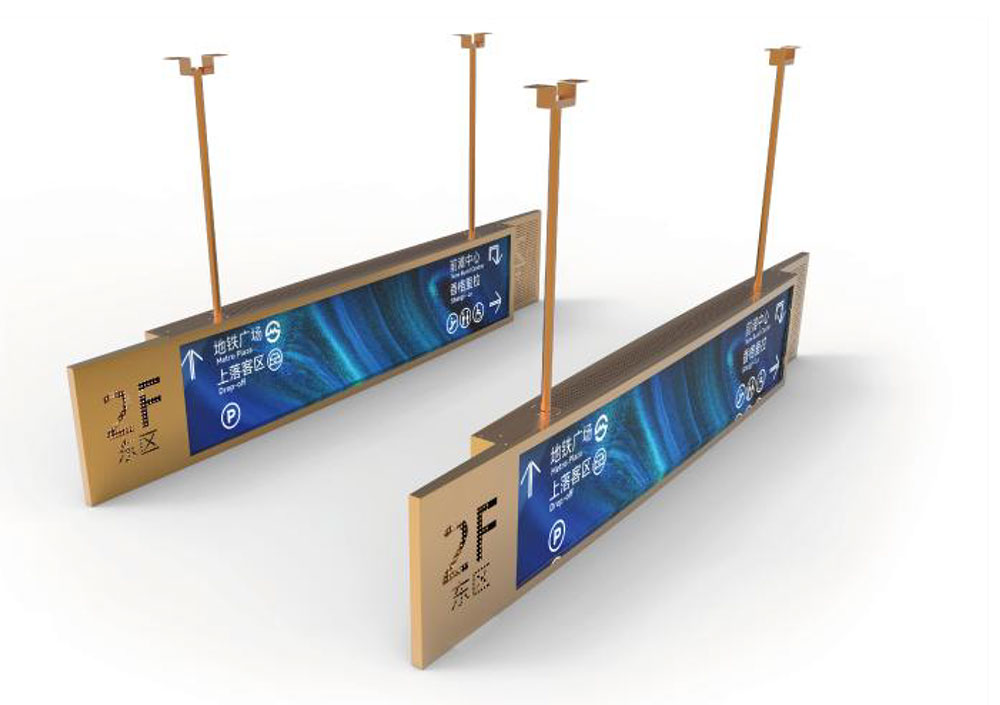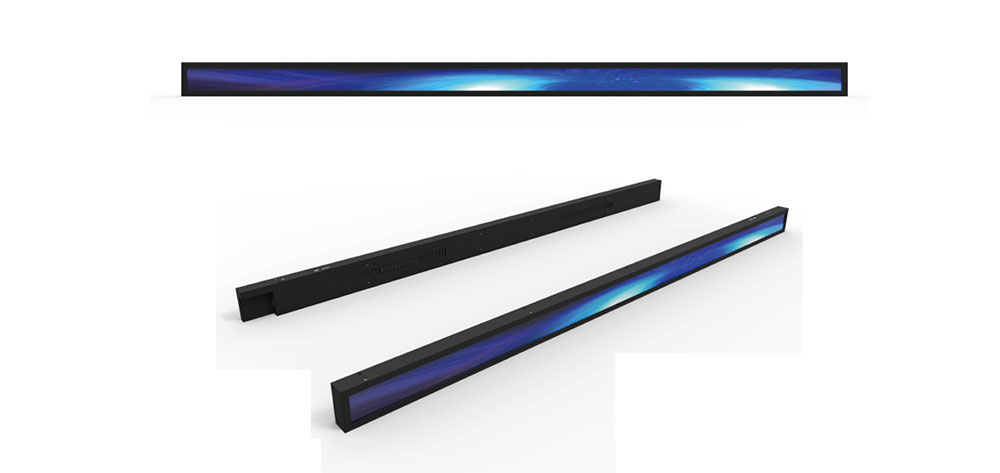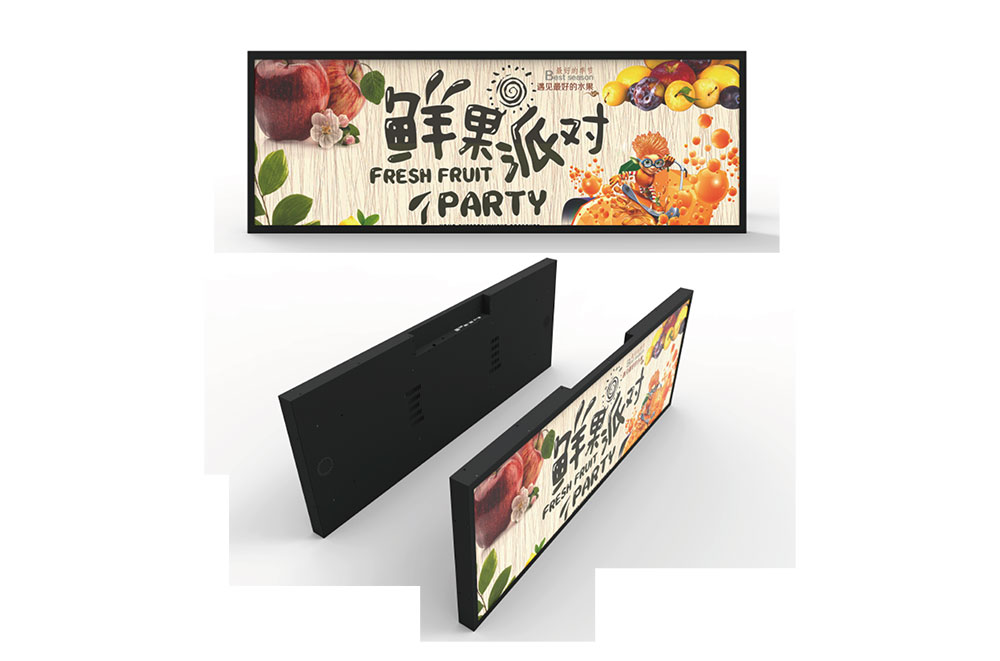
European industrial projects operate under some of the world's most demanding energy-efficiency regulations. From the EU Ecodesign Directive to the Energy Efficiency Directive (EED) and stringent national carbon-reduction targets, engineers specifying display hardware must balance performance with power consumption. At HITULCD, we have spent over a decade designing high-brightness LCD modules that meet these expectations without compromising readability, longevity, or environmental resilience. This guide presents ten energy-efficient industrial LCD modules ideally suited for European deployments, along with the technical criteria that determine their real-world efficiency.
Why Energy Efficiency Matters for European Industrial Displays
In continuous-operation environments—transport terminals, factory automation lines, outdoor kiosks, and smart-city infrastructure—a display may run 24/7 for a decade or more. Even a 5-watt reduction per unit, multiplied across thousands of installations, yields significant savings and measurable CO₂ reductions. European procurement frameworks increasingly reward Total Cost of Ownership (TCO) analysis rather than upfront cost alone, making power draw, thermal management, and backlight longevity decisive selection factors.
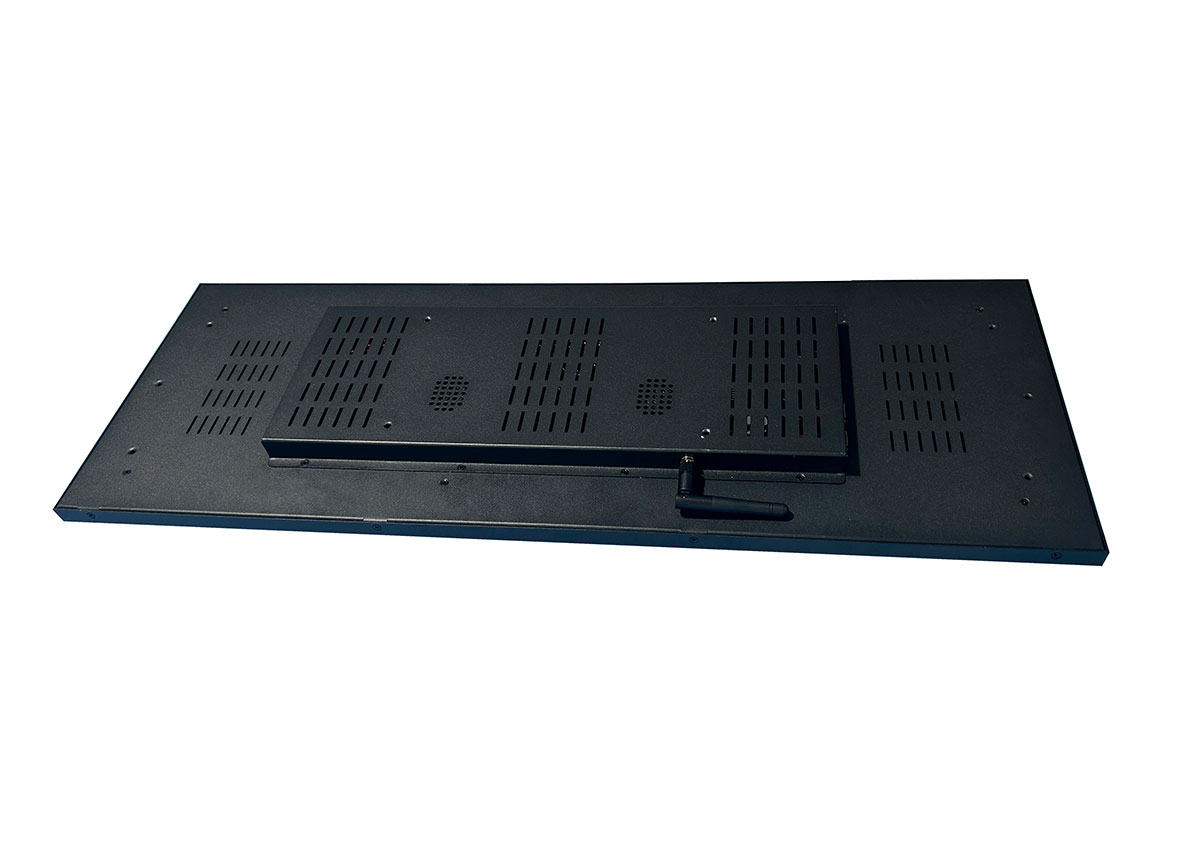
The dominant energy consumer in any LCD module is the LED backlight. Modern high-brightness designs must therefore reconcile a paradox: delivering 1,000 to 2,500 nits of luminance for sunlight readability while minimizing wattage. The solutions below achieve this through optical bonding, adaptive dimming, high-efficacy LED bins, and intelligent local dimming controllers.
Key Efficiency Criteria We Evaluated
- Luminance per watt (nits/W): The core efficiency metric, indicating how effectively the module converts electrical power into usable brightness.
- Adaptive brightness control: Ambient light sensors that automatically reduce backlight output in low-light conditions, cutting average consumption by 30–60%.
- Optical bonding: Eliminates the air gap between cover glass and panel, reducing internal reflection so lower backlight power achieves the same perceived brightness.
- Operating temperature range: Wide-range modules (–30°C to +85°C) suit unconditioned European industrial sites, reducing HVAC energy dependence.
- Compliance: RoHS, REACH, CE, and EMC conformity as baseline requirements for the European market.
The Best 10 Energy-Efficient Industrial LCD Modules
1. HITULCD 10.1" IPS High-Brightness Module (1000 nits)
A compact workhorse for HMI panels and machine control. Its 1000-nit IPS panel delivers approximately 45 nits/W thanks to a high-efficacy edge-lit backlight and integrated ambient dimming. RoHS and CE compliant, with an EPT (Electronic Paper Technology) fallback mode not required—instead, intelligent dimming keeps typical field consumption near 4.5 W.
2. HITULCD 15.6" Full-HD Optically Bonded Module (1500 nits)
Designed for outdoor ticketing and EV-charging displays, optical bonding lets this unit hit 1500 nits while drawing under 12 W in adaptive mode. Wide viewing angles and anti-reflective treatment reduce the backlight power needed for sunlight legibility.
3. HITULCD 21.5" Local-Dimming Industrial Monitor (2000 nits)
Featuring zone-based local dimming, this module dynamically shuts off backlight regions displaying dark content, achieving up to 40% power savings on typical dashboards. Ideal for control rooms and transport signage across Northern European climates.
4. HITULCD 7" Sunlight-Readable TFT (1200 nits)
A low-footprint solution for portable and vehicle-mounted terminals. Its low-power TFT controller and PWM-optimized LED driver deliver an excellent 50 nits/W, one of the highest ratios in its class.
5. HITULCD 12.1" Wide-Temperature Module (1000 nits)
Rated –30°C to +80°C, this module removes the need for external heaters in cold-climate installations, indirectly cutting site energy use. Efficient backlight design maintains stable luminance across the full temperature envelope.
6. HITULCD 32" High-Brightness Signage Panel (2500 nits)
For large-format outdoor advertising, this panel combines high-efficacy LED arrays with a photocell that scales brightness to ambient conditions—dimming at night to save substantial energy while remaining compliant with light-pollution ordinances common in EU cities.
7. HITULCD 8" Square Format Industrial Display (1100 nits)
A niche format for elevators and kiosks. Its efficient driver architecture and low standby draw make it a favorite for battery-backed and solar-assisted installations.
8. HITULCD 18.5" Optically Bonded Widescreen (1600 nits)
Balancing size and efficiency, this module uses a hybrid edge-lit backlight with sensor-driven dimming, achieving roughly 42 nits/W. Well suited for public transport passenger information systems.
9. HITULCD 5" Compact HMI Module (1000 nits)
The smallest entry, drawing under 3 W in adaptive mode. Perfect for distributed IoT nodes and sensor gateways where every milliwatt counts across large deployments.
10. HITULCD 43" Ultra-High-Brightness Outdoor Panel (2500 nits)
Our flagship for smart-city and stadium applications. Advanced thermal management and multi-zone local dimming keep power draw efficient despite the demanding brightness, with full EU EMC and RoHS certification.
Maximizing Efficiency in Deployment
Selecting an efficient module is only the first step. To realize the full energy benefit in European projects, we recommend enabling ambient light sensors, scheduling brightness profiles aligned with local daylight patterns, and specifying optically bonded variants for any sunlight-exposed application. Combined, these measures can reduce a display's annual energy footprint by more than half compared to fixed-brightness legacy panels.
Conclusion
Energy efficiency and high brightness are no longer mutually exclusive. Through optical bonding, adaptive dimming, and high-efficacy backlighting, HITULCD's industrial LCD modules help European integrators meet regulatory targets while lowering TCO. For tailored specifications, thermal simulations, or compliance documentation, our engineering team is ready to support your next project.