China Stretched Bar Display Factory for Custom Projects
Stretched bar displays—also known as bar-type LCD or ultra-wide stretched screens—have become a practical choice for spaces where a standard rectangular panel simply does not fit. From supermarket shelf edges to elevator lobbies and public transport information rails, these elongated panels solve a specific layout problem. A China stretched bar display factory that focuses on custom projects typically supports the full path from sizing and structural design to firmware and after-sales support. This article outlines what such a factory generally offers, how custom projects are handled, and—importantly—where the technology fits and where it does not.
What Is a Stretched Bar Display?
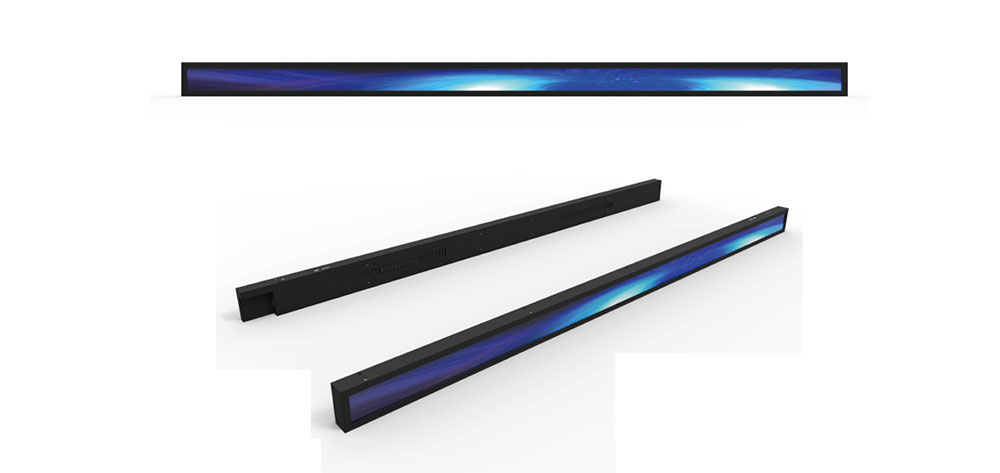
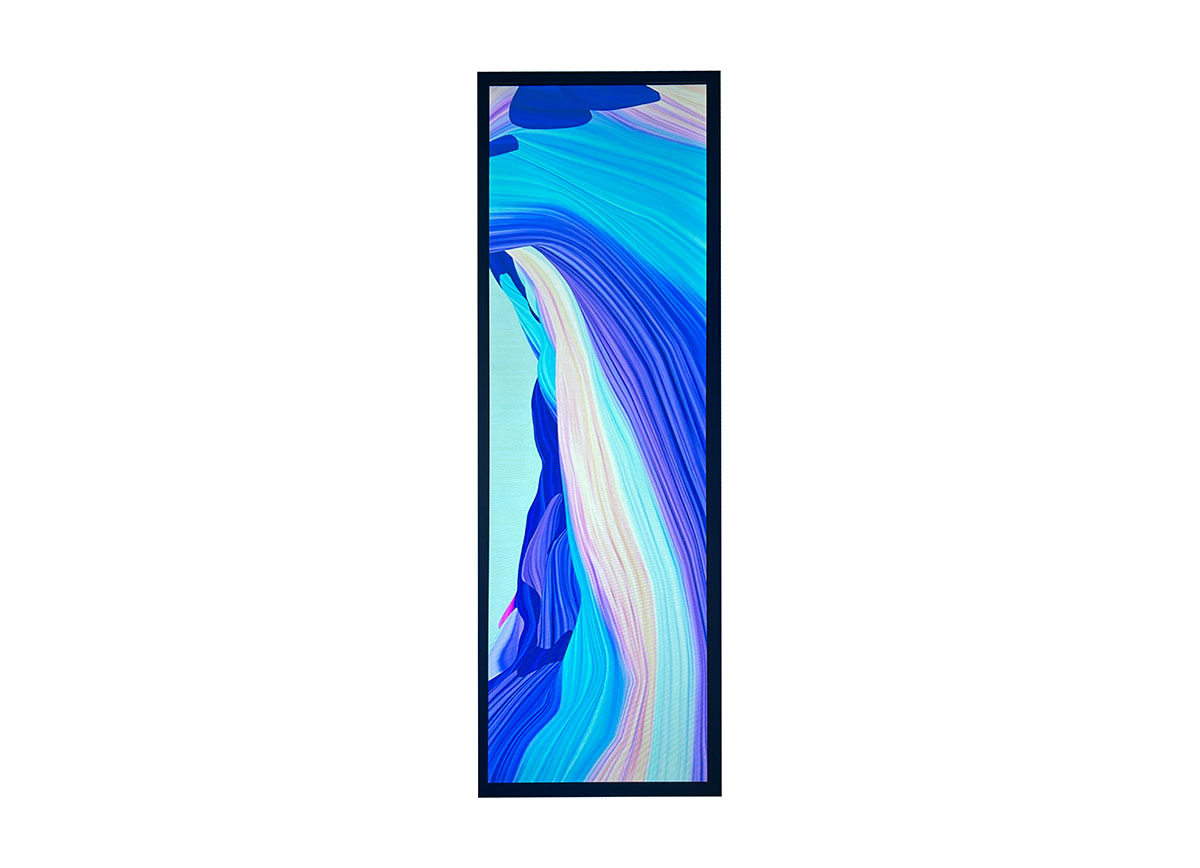
A stretched bar display is an LCD panel with an unusually wide aspect ratio, commonly 16:4.5, 24:9, or narrower variants such as 58:9. Instead of the familiar 16:9 shape, the panel is cut or manufactured to present a long, thin viewing area. Typical characteristics include:
- Aspect ratios: ranging from moderately wide to extremely elongated, depending on the mounting space.
- Sizes: often measured by diagonal but more meaningfully described by width and height in millimetres for shelf or rail installation.
- Brightness: commercial units frequently range from 500 to 1,000+ nits for semi-lit or bright indoor environments.
- Control options: stand-alone media players, Android-based systems, or networked content management platforms.
Why Work With a Factory for Custom Projects
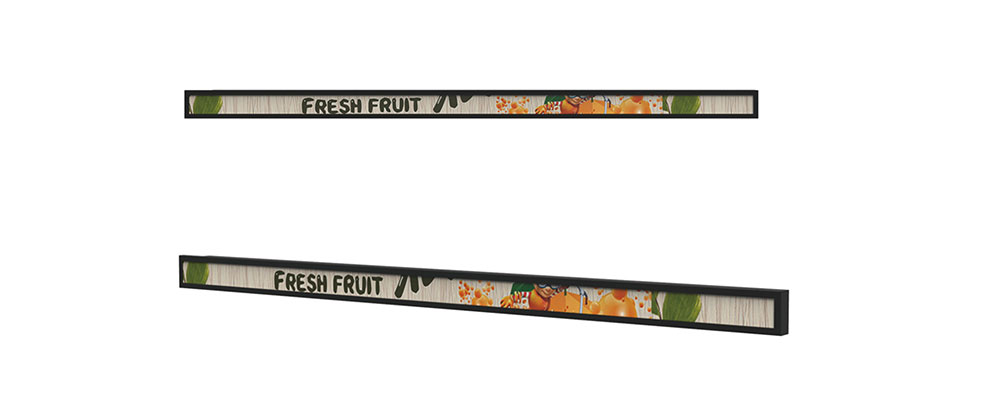
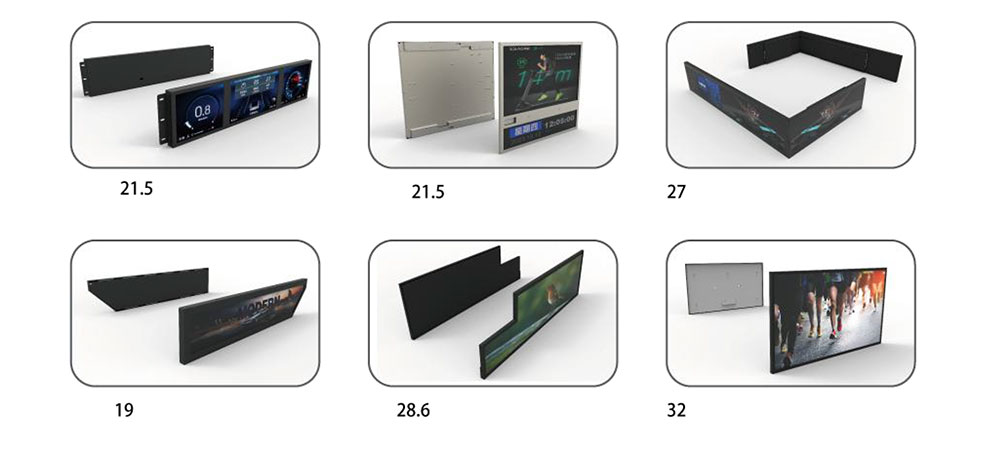
Off-the-shelf bar displays cover common sizes, but many installations have constraints that standard products do not address. Working directly with a manufacturer on a custom basis can help when a project involves:
- Non-standard dimensions that must match a fixed shelf, frame, or architectural opening.
- Specific enclosure requirements such as particular bezel colours, mounting brackets, or cable routing.
- Integration needs like touch overlays, sensors, or third-party content systems.
- Volume orders where consistent specifications across many units matter.
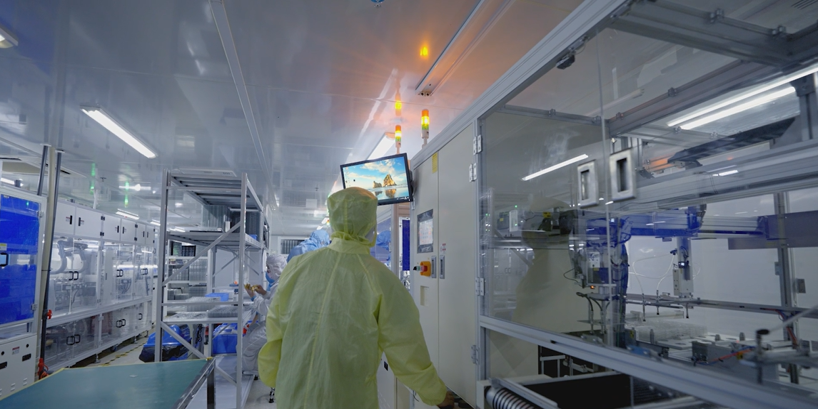
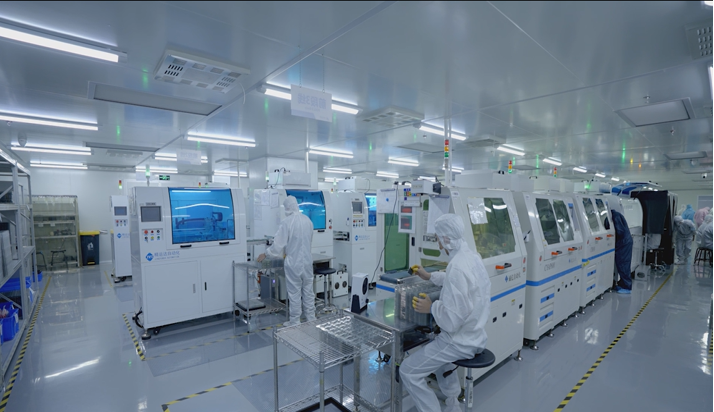
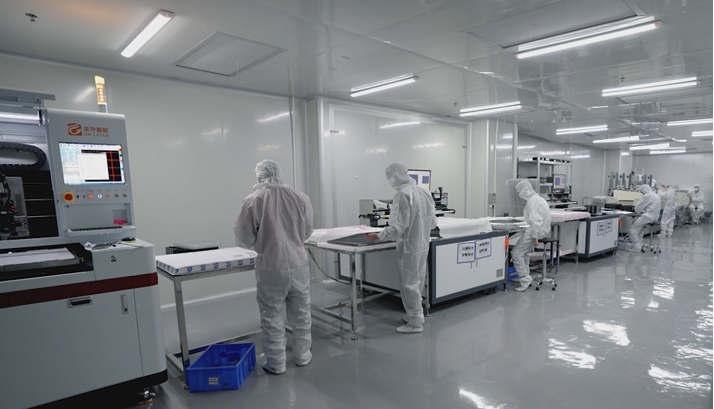
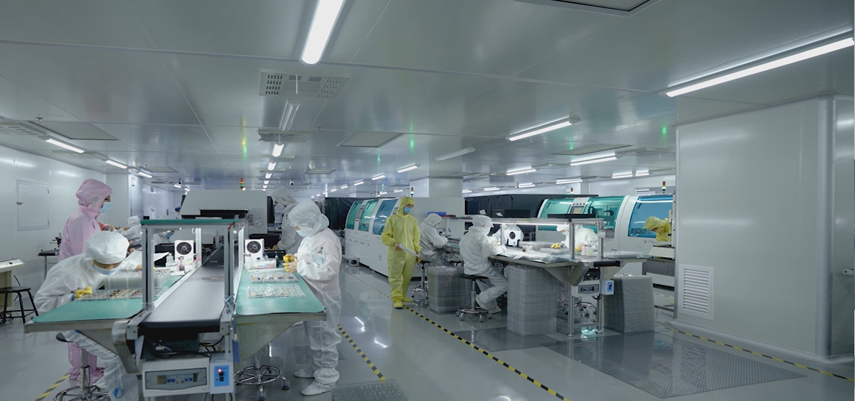
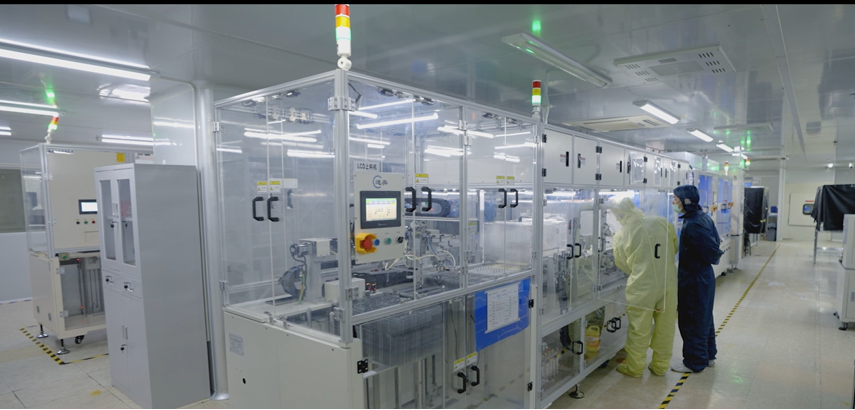
A factory setup allows control over panel sourcing, structural tooling, and quality checks, which is often relevant for deployments that need to remain uniform over time.
Typical Custom Project Workflow
- Requirement gathering: defining installation environment, viewing distance, ambient light, and content type.
- Specification and sampling: confirming panel size, brightness, interface, and mounting method, usually followed by a sample unit.
- Structural and electronic design: enclosure tooling, thermal considerations, and control board selection.
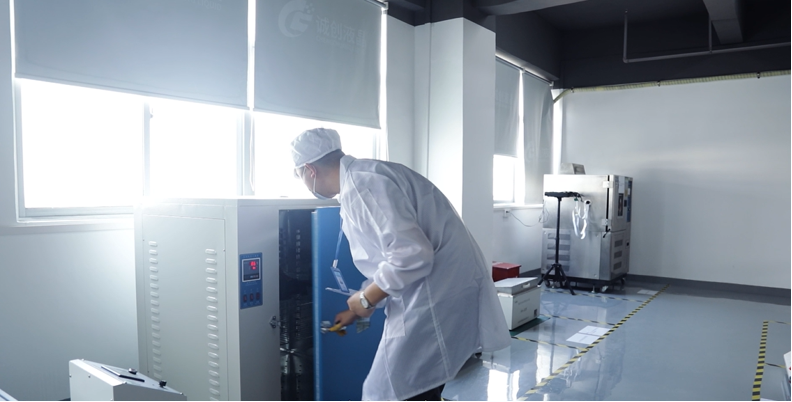
- Production and quality control: assembly, ageing tests, and functional checks before shipment.
- Delivery and support: packaging for transit, documentation, and warranty terms.
Common Application Areas
- Retail: shelf-edge promotion, price displays, and aisle signage.
- Transport: passenger information on buses, trains, and platforms.
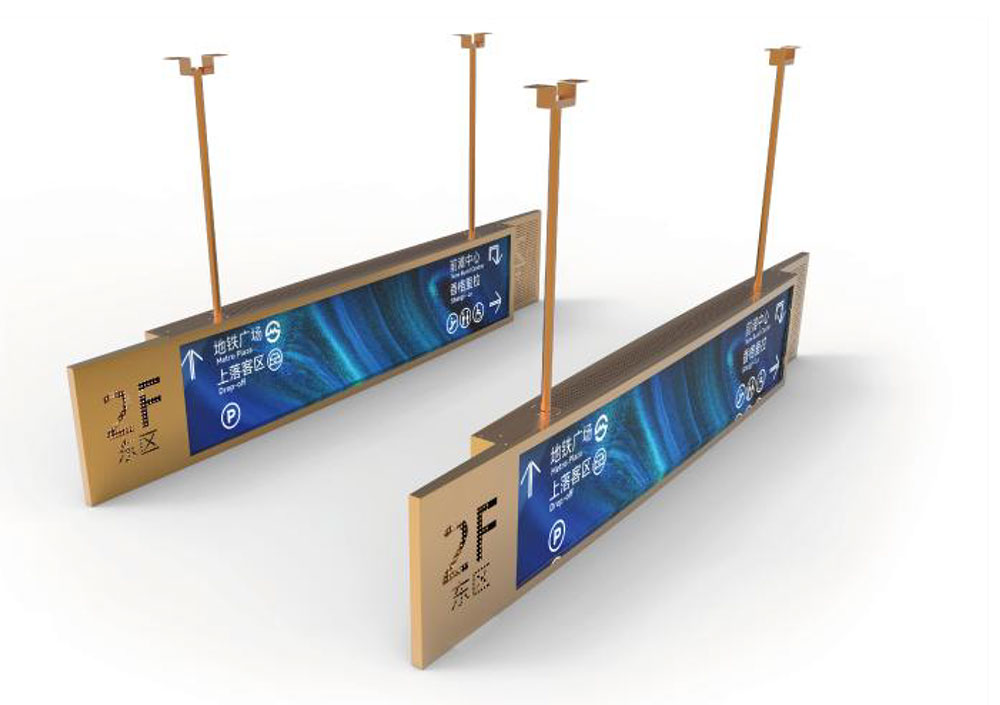
- Corporate and public buildings: elevator screens, wayfinding, and lobby notices.
- Hospitality: menu strips, queue displays, and event schedules.
Applicable Scenarios & Limitations
Stretched bar displays are well suited to specific conditions, but they are not a universal replacement for standard screens. Understanding the boundaries helps set realistic expectations for a project.
Where they tend to fit
- Narrow or elongated mounting spaces where a conventional panel would be oversized or awkward.
- Content designed for a wide, short layout—single lines of text, banners, or horizontally scrolling information.
- Environments where a fixed, repeatable format is displayed for extended periods.
Practical limitations to consider
- Content design constraints: the extreme aspect ratio limits how much detail can be shown at once. Standard 16:9 video or dense graphics usually require reformatting, and simply cropping existing content often produces poor results.
- Static-image retention: like other LCDs, prolonged display of fixed elements (logos, static text bars) may lead to temporary image retention. Rotating content and scheduled off-periods reduce the risk.
- Ambient brightness: a panel specified for indoor light may appear washed out near windows or under direct sunlight. Brightness should be matched to the actual environment rather than assumed.
- Heat and ventilation: enclosed or recessed installations can trap heat, which affects long-term reliability. Thermal planning is part of the design, not an afterthought.
- Viewing angle and distance: a very long panel viewed from one end may show colour or brightness shift; placement should account for how people actually approach it.
Common misconceptions
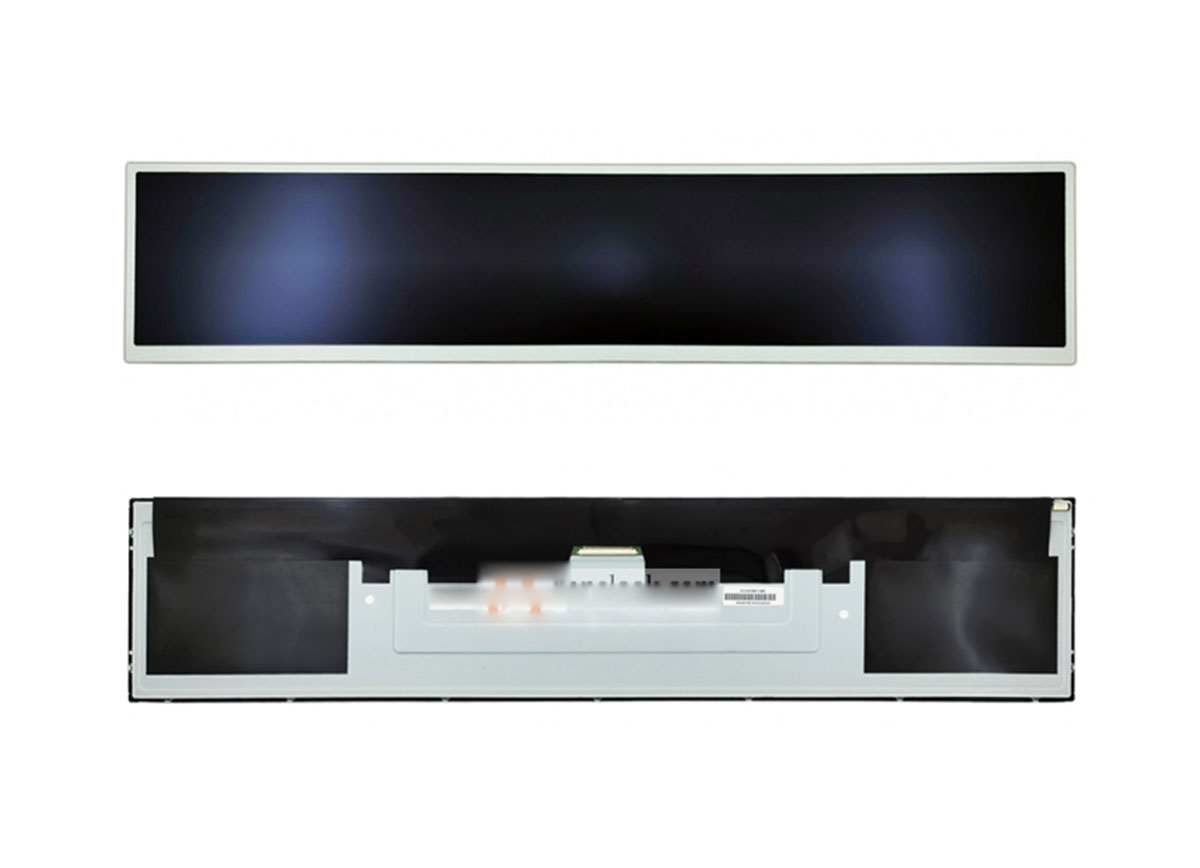
- "Any wide screen is a stretched bar display." Some setups are ordinary panels with software letterboxing; a true stretched bar display uses a panel physically cut to the wide ratio, which affects both cost and appearance.
- "Higher brightness is always better." Excess brightness in a dim room can cause discomfort and waste power; the goal is a suitable match, not a maximum.
- "Custom means unlimited flexibility." Panel manufacturers supply certain cut sizes and ratios; custom work operates within those available options and tooling limits.
Selection Considerations
When evaluating a supplier or specifying a unit, the following points are worth clarifying in advance:
- Exact usable dimensions versus the outer enclosure size, so the display fits the intended space.
- Panel source and expected lifespan, along with any stated operating-hour ratings.
- Maintenance and spare-parts availability, including how control boards or panels can be replaced after installation.
- Content management method and whether it integrates with existing systems.
- Warranty scope and support terms, including response expectations for larger deployments.
Maintenance Notes
Routine care extends usable life and keeps displays presentable:
- Clean the surface with a soft, dry or slightly damp cloth; avoid abrasive materials and harsh solvents.
- Keep vents and surrounding airflow clear of dust and obstruction.
- Rotate or schedule content to limit continuous static images.
- Periodically check mounting hardware and cable connections in high-traffic locations.
Conclusion
A China stretched bar display factory oriented toward custom projects can be a suitable partner when a deployment calls for non-standard sizes, consistent specifications, or integration beyond off-the-shelf options. The technology serves elongated spaces and wide-format content well, provided the project accounts for its boundaries—content design, brightness matching, thermal planning, and ongoing maintenance. Clarifying requirements, limitations, and support terms early tends to produce a more reliable outcome than focusing on headline specifications alone.
SEO Title: China Stretched Bar Display Factory for Custom Projects
Meta Description: Learn how a China stretched bar display factory handles custom projects, including workflow, applications, selection considerations, and honest limitations to weigh before you buy.
Keywords: stretched bar display, custom stretched bar display, bar-type LCD, ultra-wide display factory, shelf-edge display, stretched LCD manufacturer
KEYWORDS: China Stretched Bar Display Factory for Custom Projects