Stretched LCD displays have moved from niche signage curiosities to mission-critical visual components across transportation, retail, industrial control, and smart building applications. For original equipment manufacturers (OEMs), the appeal is straightforward: an unconventional aspect ratio unlocks placement opportunities that standard 16:9 panels cannot serve. Yet integrating a bar-type or ultra-wide panel into a finished product introduces engineering demands that consumer-grade displays were never designed to meet. This white paper examines the technical foundations of professional stretched LCD solutions and outlines the criteria OEMs should apply when selecting a display partner.
Defining the Stretched LCD Form Factor
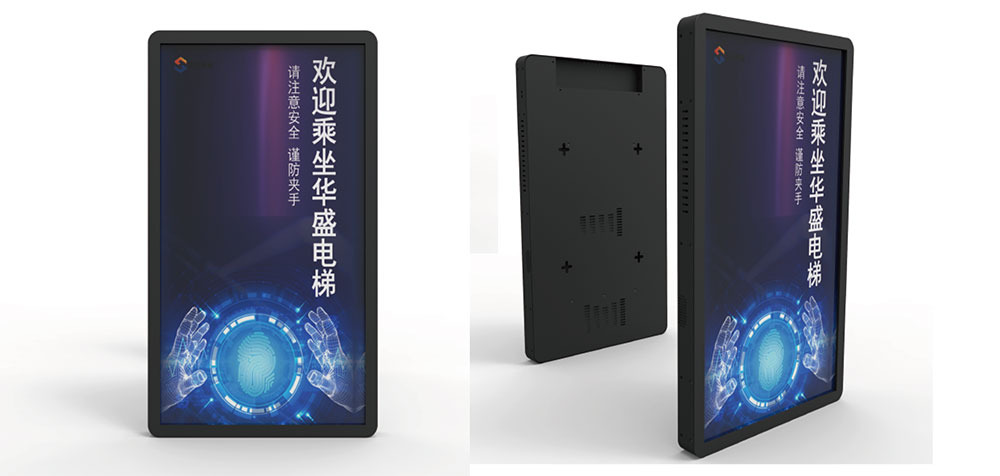
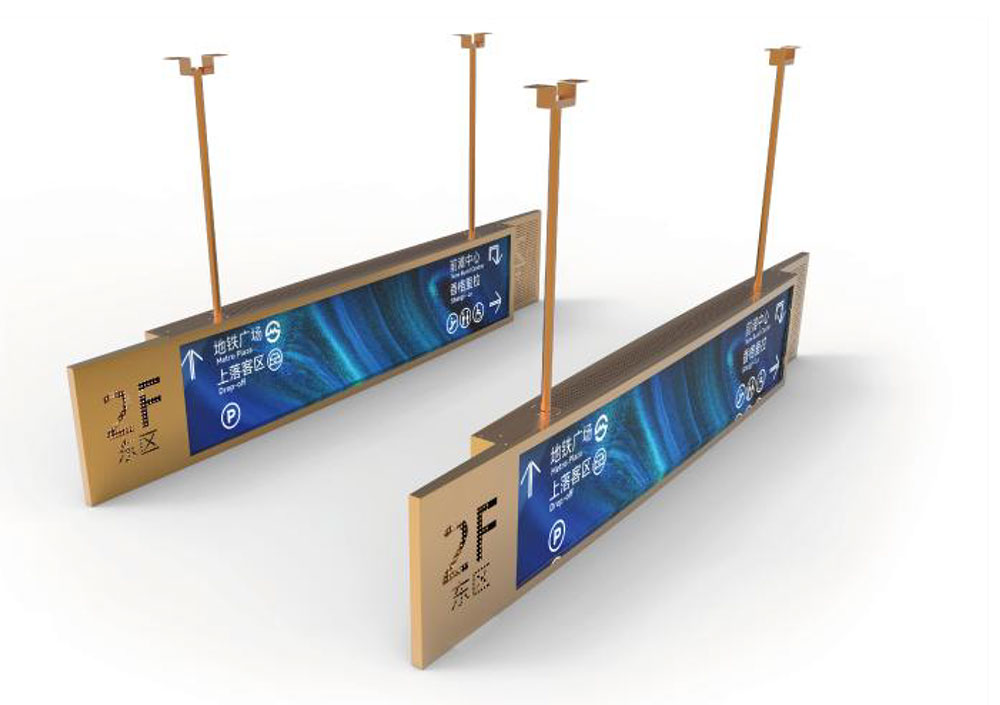
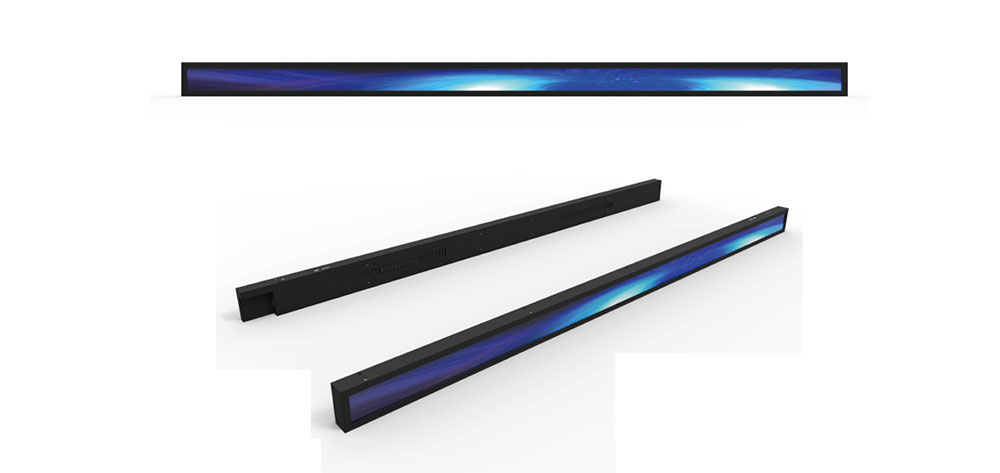
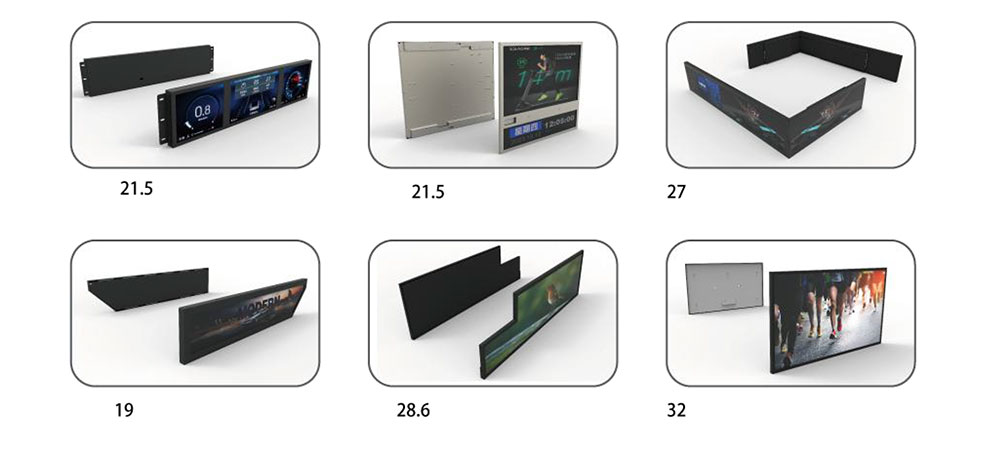
A stretched LCD, sometimes called a bar display or ultra-wide display, is characterized by an aspect ratio well beyond the conventional 16:9. Common configurations include 16:3, 16:4.5, 24:9, and 32:9, delivered in diagonal sizes ranging from 19 inches to 88 inches and beyond. These panels are manufactured in two principal ways. The first is a purpose-built native stretched panel, produced directly at the target aspect ratio. The second, and far more common for cost-sensitive volume programs, is a cut panel, in which a standard mother-glass panel is physically cut and re-terminated to the desired dimensions.
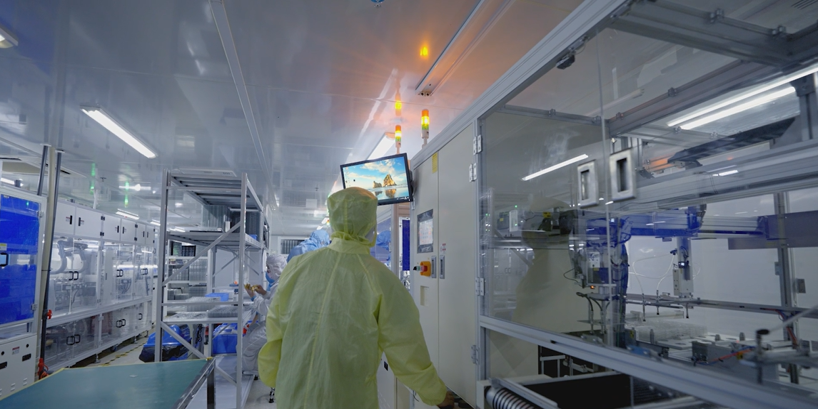
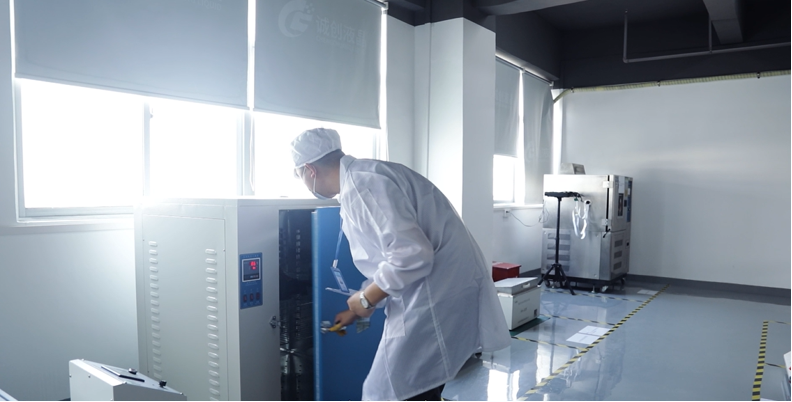
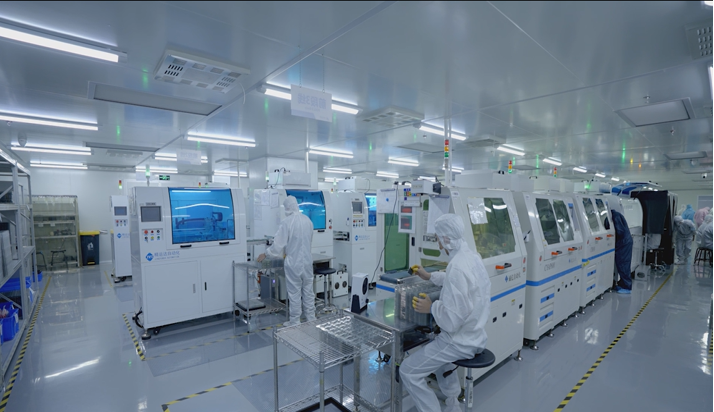
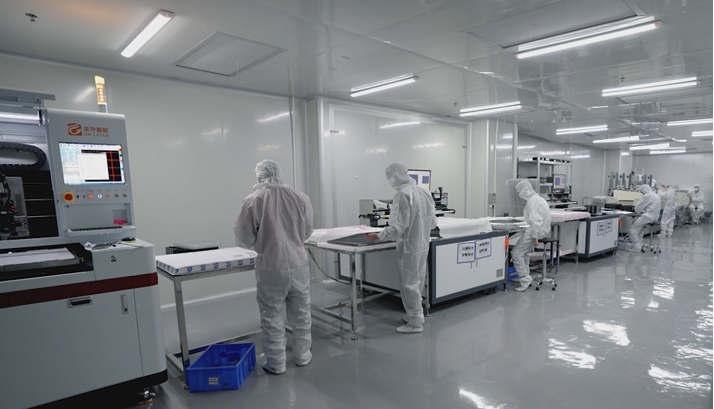
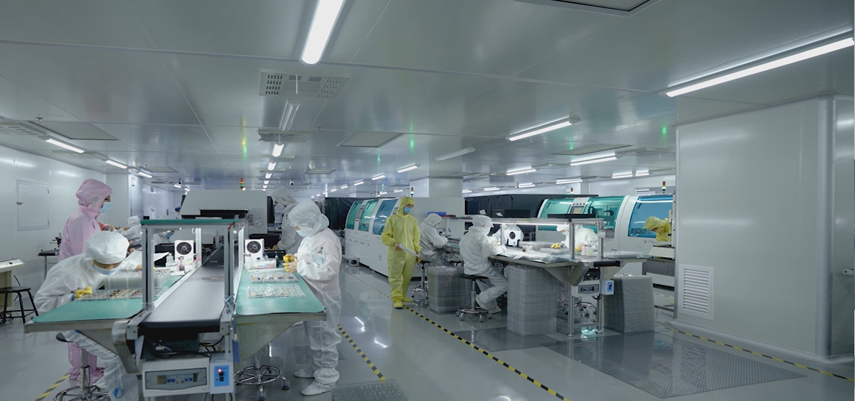
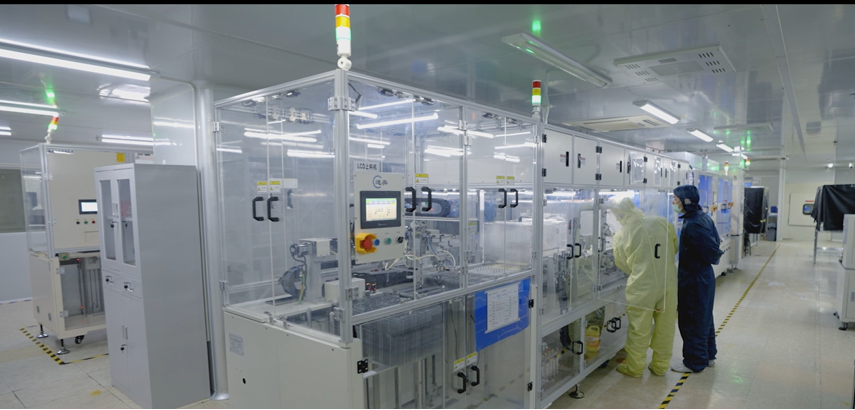
The distinction matters to OEMs. Native panels offer superior uniformity and a guaranteed supply pedigree but carry higher unit costs and longer lead times. Cut panels leverage mature high-volume production lines, but the cutting, re-bonding, and re-driving processes require rigorous quality control. A capable manufacturing partner will validate every cut panel for backlight uniformity, dead-pixel migration at the cut edge, and long-term mechanical stability before it ever reaches an integration line.
High-Brightness Requirements and Optical Engineering
Stretched displays are frequently deployed in environments where ambient light overwhelms standard commercial brightness levels. A retail shelf-edge display facing store lighting, a transit information bar behind a train window, or an outdoor-facing storefront panel all demand luminance far above the 250 to 350 nits typical of desktop monitors. Professional stretched solutions are commonly specified at 700, 1000, 1500, and up to 3000 nits.
Achieving high brightness reliably is not simply a matter of driving the backlight harder. It requires an optical system engineered as a whole. High-efficiency LED backlight modules, optically bonded cover glass to eliminate the parasitic reflections of an air gap, and low-haze anti-reflective or anti-glare treatments all contribute to the effective contrast a viewer perceives. Optical bonding also improves mechanical rigidity and prevents internal condensation, a meaningful advantage in the long, narrow enclosures that stretched panels occupy.
Thermal management deserves particular attention. Higher luminance produces more heat, and the narrow chassis of a bar display offers limited surface area for dissipation. Effective solutions integrate thermal simulation early in the design cycle, using heat-spreading plates, calibrated airflow paths, and where necessary active cooling, to keep the liquid crystal layer within its specified operating window. Sustained overheating accelerates polarizer degradation and can produce the characteristic dark-blotch clearing point failure that ruins a panel prematurely.
Reliability for Industrial Duty Cycles
OEM applications rarely run for a few hours a day. Digital signage, control-room instrumentation, and public-transport information systems typically operate 16 to 24 hours daily, seven days a week. Professional stretched solutions are therefore rated for continuous operation, with component selection oriented toward this duty cycle: industrial-grade LEDs binned for long half-life, solid-state capacitors on the power boards, and wide-temperature liquid crystal fluids that resist the isotropic clearing seen at elevated temperatures.
Wide operating temperature range is a defining requirement. A display embedded in a vehicle, an outdoor kiosk, or an unconditioned warehouse may face ambient temperatures from -30°C to +80°C. Standard panels exhibit slow response and image smearing near freezing, and permanent damage above their rated ceiling. Professional solutions address both extremes: heater films or self-heating backlights for cold start-up, and thermal throttling logic that gracefully reduces brightness rather than allowing thermal runaway. For displays deployed in direct sunlight, isotropic protection through active cooling and UV-stable optical films prevents the dark-spot blackening that untreated panels suffer behind glass.
Interface, Control, and Integration Flexibility
What separates a display module from a finished OEM product is the control layer. A well-designed stretched solution offers the integrator a choice of ingest paths. An open-frame configuration exposes the raw panel with a driver board and a standard video interface such as HDMI, DisplayPort, or LVDS/eDP for direct embedding into the OEM's own housing. A board set option supplies the timing controller and interface board separately, allowing the OEM to specify a custom mechanical envelope. A complete monitor assembly, with metal chassis and mounting provisions, suits programs that need turnkey delivery.
For networked deployments, an integrated system-on-chip media player running Android or a Linux distribution eliminates the external player entirely, reducing bill-of-materials cost and points of failure. OEMs building fleets of connected displays should evaluate the manufacturer's support for remote management protocols, over-the-air firmware updates, and standard content-management interfaces. Brightness scheduling, remote diagnostics, and automatic ambient-light-driven dimming are features that meaningfully lower total cost of ownership across a large installed base.
Mechanical and Environmental Protection
The elongated geometry of stretched panels creates structural challenges absent in squarer formats. A long, thin glass panel is inherently more prone to flex-induced Mura and to vibration-induced connector fatigue. Professional designs reinforce the chassis along the long axis, isolate the flexible printed circuits from mechanical strain, and validate the assembly against vibration and shock profiles appropriate to the target environment. For transportation applications, compliance with the relevant railway or automotive vibration standards is not optional.
Ingress protection is equally important for displays exposed to dust, moisture, or cleaning fluids. Sealed bezels, gasketed cover glass, and conformally coated electronics extend service life in demanding settings. Where the display faces the public, toughened or chemically strengthened cover glass and optional optical touch layers protect against impact and vandalism while preserving image clarity.
Selecting an OEM Display Partner
Beyond the panel itself, OEMs should weigh the manufacturer's engineering support, supply continuity, and customization depth. A dependable partner provides long-term panel availability commitments, so a product designed today can be built for its full commercial life without a costly redesign when a panel is discontinued. Co-engineering support, including EMC pre-compliance testing, thermal validation, and custom firmware, shortens time to market and reduces integration risk.
HITULCD approaches every stretched LCD program as a joint engineering effort. Our high-brightness portfolio spans open-frame modules, custom board sets, and fully integrated systems across the full range of stretched aspect ratios, each validated for continuous operation, wide temperature tolerance, and sunlight readability. By pairing purpose-built optical bonding and thermal design with flexible interface options and long-term supply assurance, we help OEMs bring durable, high-performance stretched displays to market with confidence.
Conclusion
Stretched LCD displays give OEMs a powerful design tool, but their unconventional geometry and demanding deployment environments require far more than a re-cut consumer panel. Success depends on integrated optical engineering, robust thermal and mechanical design, flexible control interfaces, and a manufacturing partner committed to reliability and supply continuity. OEMs that treat display selection as an engineering decision rather than a procurement afterthought will deliver products that perform reliably for years in the field.
KEYWORDS: stretched LCD display, high-brightness LCD, OEM display solutions, bar type display, ultra-wide LCD panel