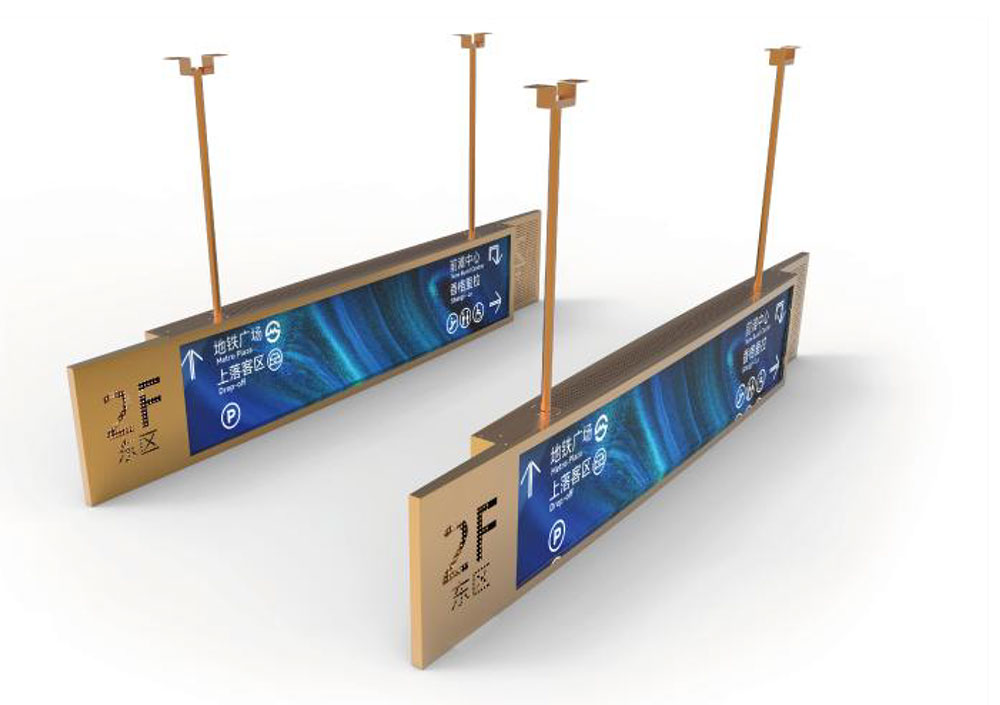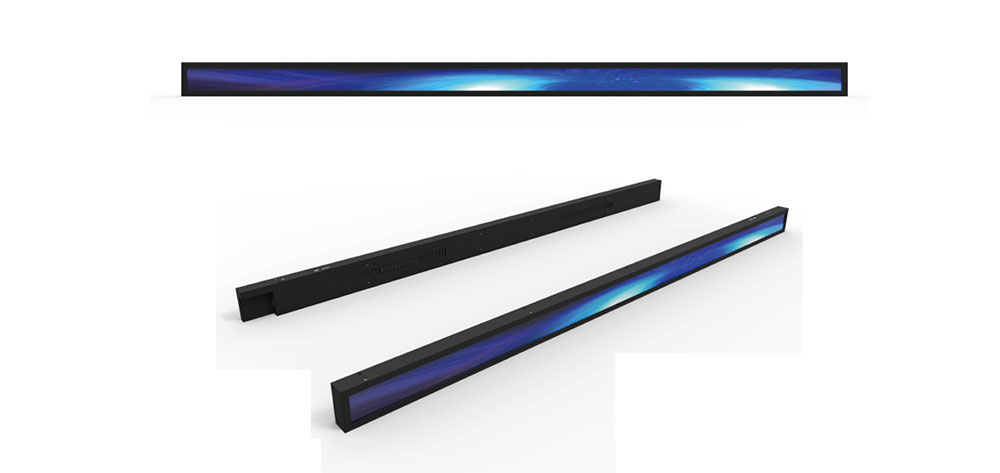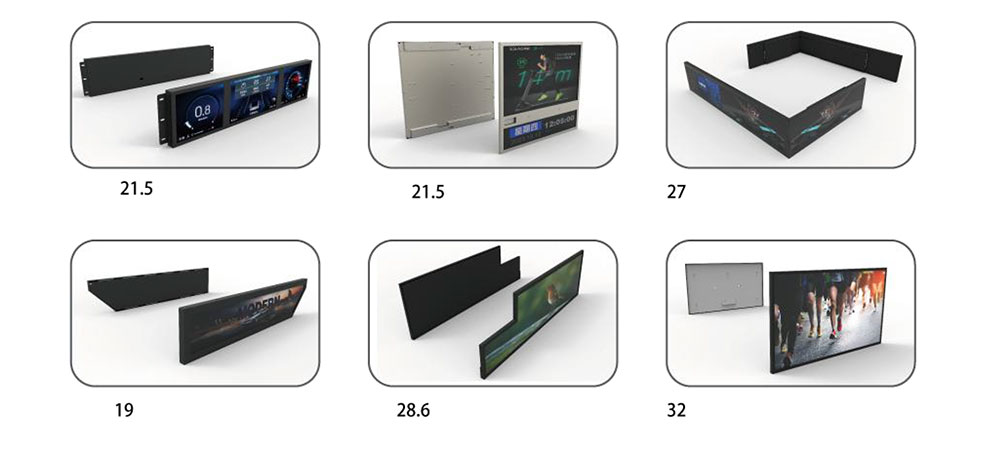
North American OEMs building industrial controllers, medical instruments, outdoor kiosks, and transportation displays face a common problem: standard catalog LCD panels rarely match the exact mechanical envelope, brightness target, interface, or lifecycle requirements of a finished product. A custom LCD display partner solves this by engineering the panel, backlight, cover glass, and driver interface around your application—not forcing your application to bend around an off-the-shelf part. HITULCD works with OEMs across the United States, Canada, and Mexico to deliver display modules that meet defined optical, thermal, and regulatory specifications with predictable supply.
What "Custom" Actually Means at the Engineering Level
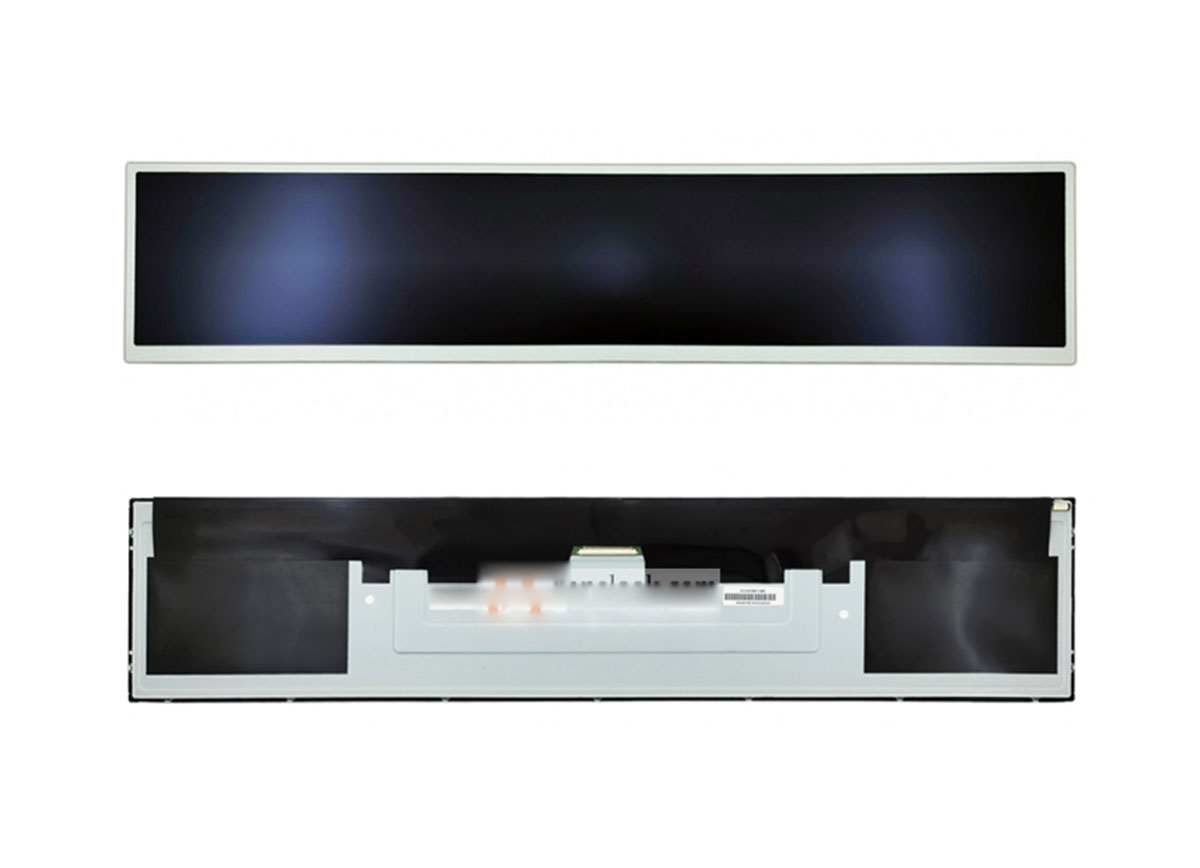
Customization spans several independent layers. Understanding which layers your project needs prevents overspending on tooling you don't require.
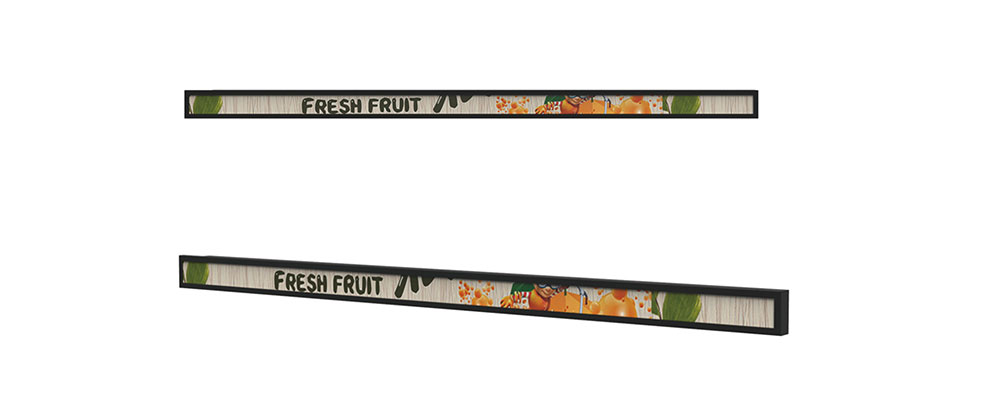
- Optical bonding and cover glass: Optically clear adhesive (OCA) or liquid optical clear adhesive (LOCA) bonding eliminates the air gap between the touch sensor and the LCD, cutting internal reflection and raising contrast in sunlight. Bonded stacks reduce reflectance from roughly 8–12% down to under 1.5%.
- Backlight tuning: Standard TFT panels ship at 250–450 nits. High-brightness applications require 1,000 to 2,500 nits, achieved through higher-efficiency LED arrays, enhanced light guide plates, and thermal management to hold luminance stable across the operating range.
- Interface conversion: Native panels use LVDS, MIPI-DSI, or eDP. Many OEM boards expect HDMI, TTL/RGB, or SPI. A custom module can integrate an interface board so the display drops directly onto your existing hardware.
- Mechanical form factor: Custom bezels, mounting ears, FPC routing direction, and cable length so the module fits your enclosure without adapters.
- Touch integration: Projected capacitive (PCAP) tuned for gloved operation, thick cover glass up to 6 mm, or water and glove rejection firmware for industrial and outdoor use.
Sunlight Readability for Outdoor and Semi-Outdoor Deployments
North American outdoor equipment—EV chargers, parking terminals, agricultural machinery, marine electronics—operates under direct sunlight that can exceed 100,000 lux. Readability depends on the contrast ratio measured under ambient light, not just raw brightness. A display's usable performance is defined by the relationship between emitted luminance and reflected ambient light.
HITULCD engineers three combined techniques for daylight viewing:
- High-brightness LED backlights at 1,500–2,500 nits to overcome ambient wash-out.
- Optical bonding to suppress reflected glare at the glass and sensor interfaces.
- Anti-reflective and anti-glare surface treatments that scatter or cancel specular reflection while preserving image sharpness.
An automatic brightness control loop using an ambient light sensor keeps luminance appropriate to conditions, which both improves nighttime comfort and extends LED lifespan by avoiding continuous full-power operation.
Thermal Management: The Hidden Cost of High Brightness
Pushing a backlight to 2,000+ nits generates heat that degrades the liquid crystal and shortens LED life if left unmanaged. Liquid crystal exhibits a phenomenon called isotropic blackout when panel temperature exceeds its clearing point—typically 90–110°C for wide-temperature fluids. HITULCD specifies wide-temperature LC (–30°C to +85°C operation, some formulations to +105°C), aluminum heat-spreading layers, and backlight current derating curves so the module stays within its rated envelope. For sealed enclosures we provide thermal simulation data during the design phase so your mechanical team can plan airflow or heat-sinking before tooling is committed.
Regulatory and Lifecycle Requirements Specific to North America
OEMs shipping into North American markets must satisfy documentation and reliability expectations that go beyond a display simply working on the bench.
- Compliance: Modules designed to support UL, FCC Part 15, and RoHS/REACH requirements, with material declarations available for your regulatory submissions.
- EMC-conscious design: Interface board layout, ground planes, and shielded FPC routing to help your system pass emissions and immunity testing on the first attempt.
- Long lifecycle guarantees: Industrial and medical programs run 7–10 years. HITULCD commits to long-term panel availability and issues Product Change Notifications (PCN) and End-of-Life (EOL) notices with adequate last-time-buy windows, so a component change never blindsides your production line.
The Engineering Workflow From Specification to Production
A disciplined process reduces revisions and shortens time to first shipment.
- Requirements capture: Define brightness, size, resolution, interface, touch, operating temperature, and mechanical constraints in a single specification document.
- Design review and DFM: Our engineers confirm feasibility, flag risks, and propose the most cost-effective path—reusing an existing panel platform where possible to avoid glass tooling costs.
- Prototype and validation: Functional samples for your electrical, optical, and mechanical bring-up, with measured data on luminance, uniformity, contrast, and color coordinates.
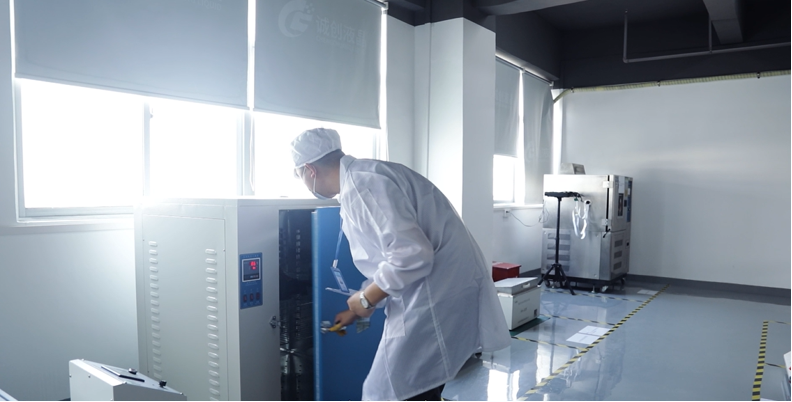
- Reliability testing: High-temperature operation, thermal cycling, humidity, and vibration testing aligned to your end-use standard.
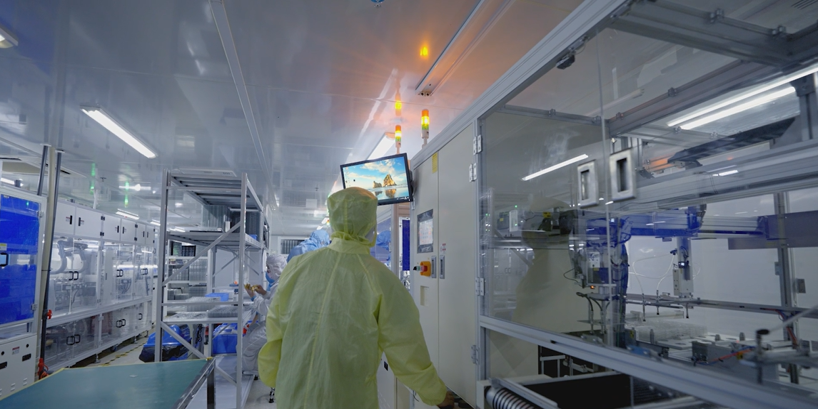
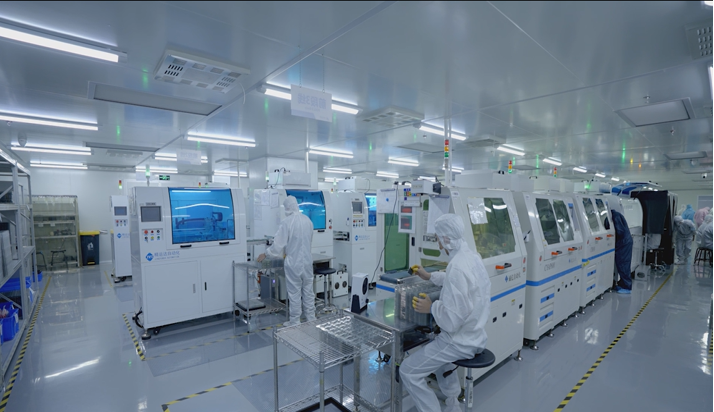
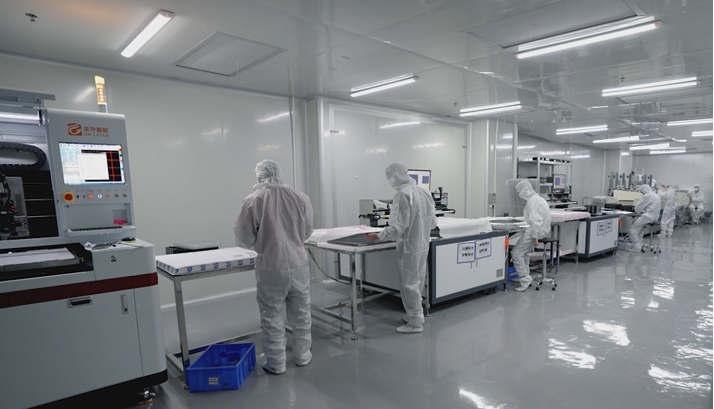
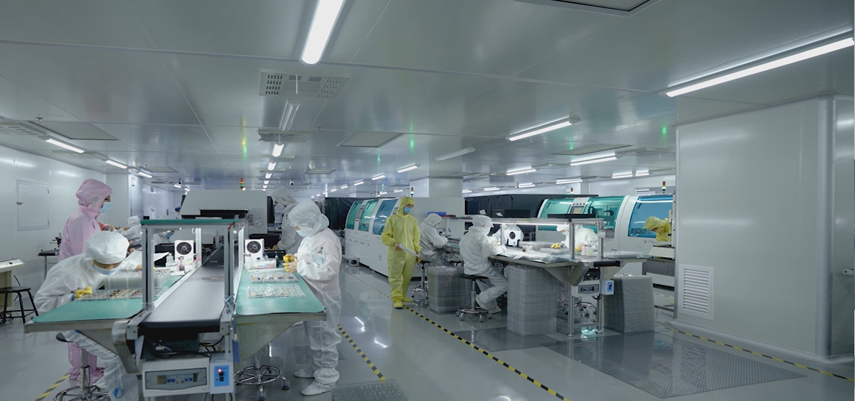
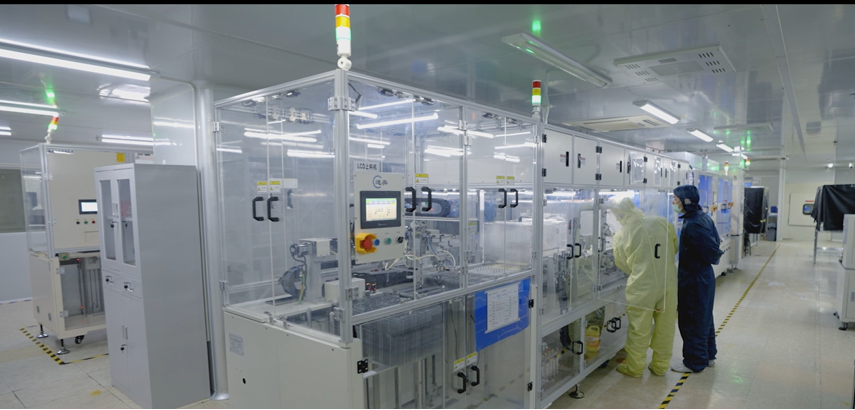
- Production and quality control: Incoming material inspection, in-line testing, and outgoing AOI with per-lot inspection reports.
Why Regional Support Matters
Time zone alignment, English-language engineering communication, and responsive sample logistics measurably reduce project risk. When a design question surfaces during your board bring-up, waiting a full day for an answer stalls the entire schedule. HITULCD structures its OEM support so North American teams get technical answers within their working day and receive samples through streamlined logistics rather than protracted freight cycles.
Selecting the Right Custom Display Partner
Evaluate potential suppliers against concrete criteria: Do they provide measured optical data rather than marketing claims? Will they commit to PCN/EOL notification terms in writing? Can they show wide-temperature reliability test reports? Do they support the exact interface your controller uses without a bulky adapter board? A supplier that answers these directly, backed by data, will keep your program on schedule and your product on the market for its full lifecycle.
HITULCD builds custom high-brightness LCD modules engineered around each OEM's specification—from sunlight-readable outdoor terminals to wide-temperature industrial controls—with the compliance documentation, thermal data, and long-term availability that North American manufacturing programs depend on.