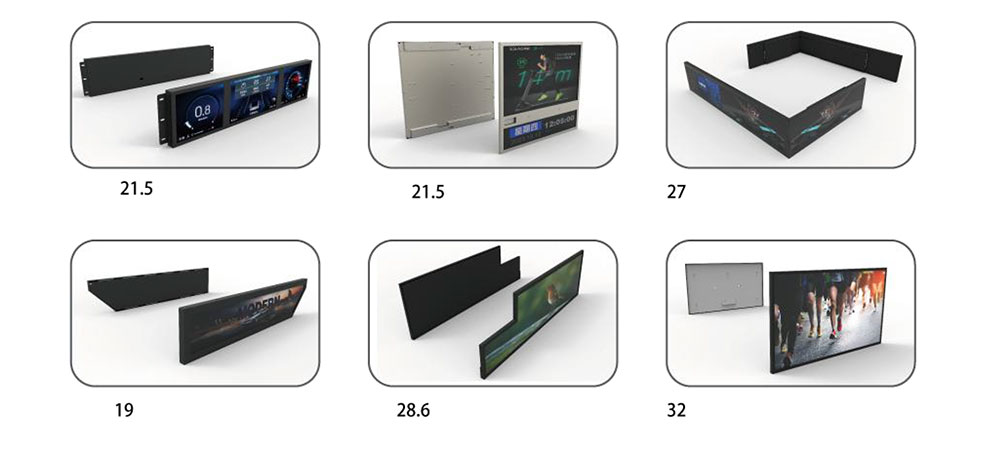
Modern public transit relies on clear, real-time communication to keep passengers informed and operations running smoothly. Among the technologies driving this transformation, wide LCD displays have emerged as the backbone of contemporary bus information systems. Their elongated form factor, exceptional brightness, and rugged design make them uniquely suited to the demanding environments found aboard buses and at transit stations. This white paper from HITULCD explores the engineering principles, performance requirements, and practical benefits of deploying wide LCD displays across the bus transit ecosystem.
Why Wide Aspect Ratios Matter in Transit Environments
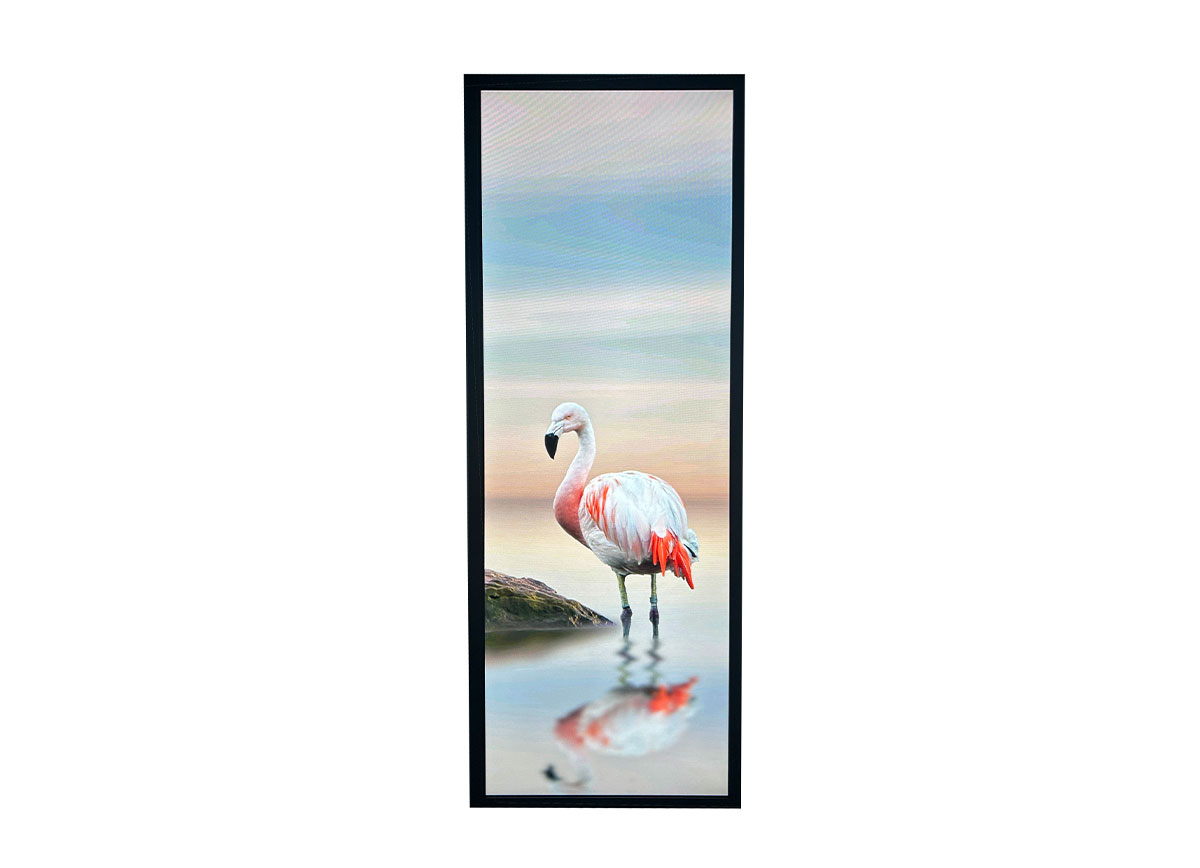
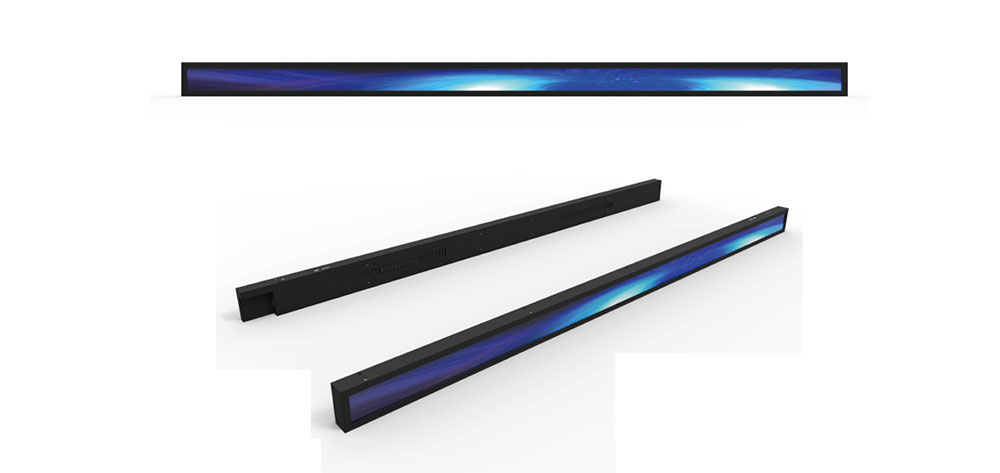
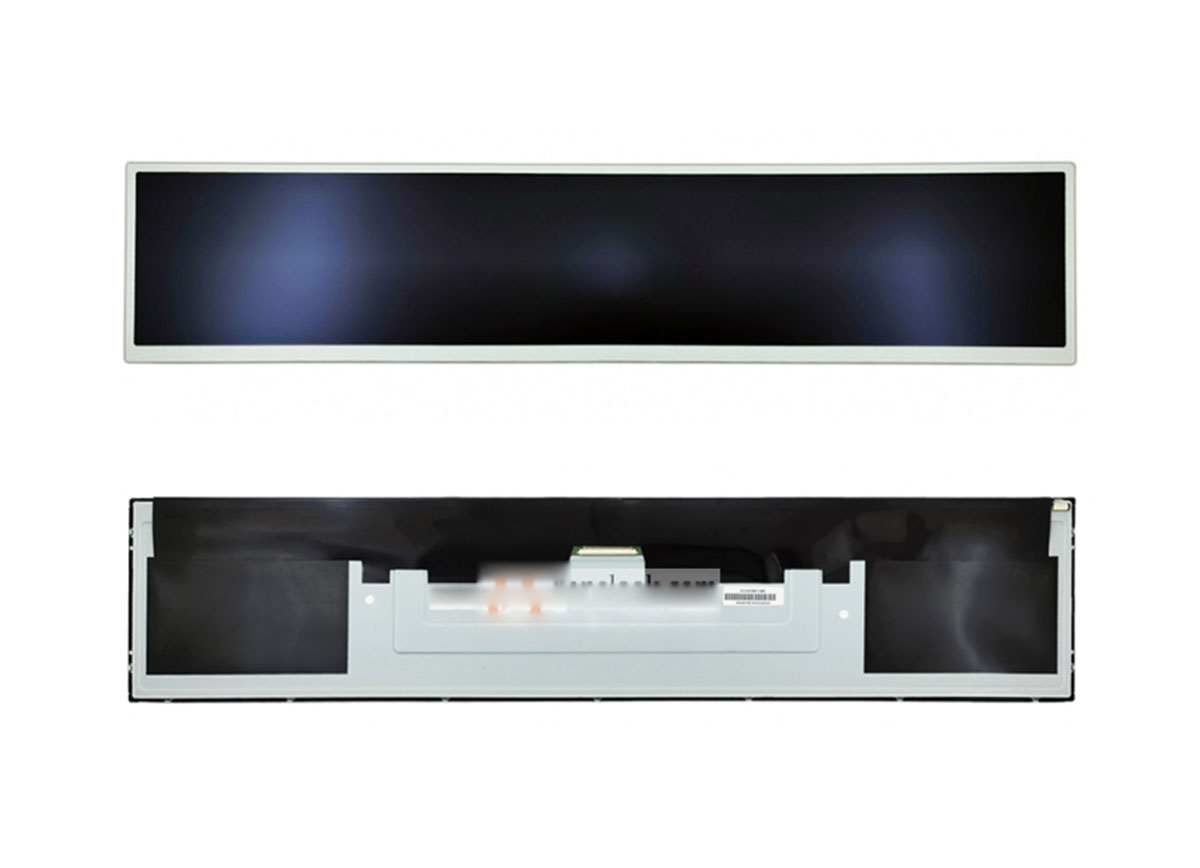
Traditional 16:9 or 4:3 displays are poorly matched to the physical spaces available inside buses and along station platforms. The interior ceiling rails, overhead panels above windows, and narrow fascia zones above driver cabins all favor a stretched, horizontal footprint. Wide LCD displays—commonly offered in aspect ratios such as 16:3, 16:4.5, 24:9, and other bar-type formats—fit naturally into these confined spaces without obstructing sightlines or reducing headroom.
Beyond mechanical fit, the wide format aligns with the way transit information is consumed. Route numbers, next-stop announcements, destination names, and scrolling service alerts are inherently horizontal data streams. A bar-type panel allows this information to flow left to right in a single, legible line, eliminating the need for passengers to scan vertically or wait for content to cycle through multiple screens.
Brightness and Readability Under Real-World Conditions
One of the greatest challenges facing any transit display is ambient light. Buses operate through direct sunlight, tunnel darkness, glare from side windows, and rapidly changing lighting conditions throughout a single route. A display that appears crisp indoors can become completely washed out when sunlight strikes the panel at an oblique angle.
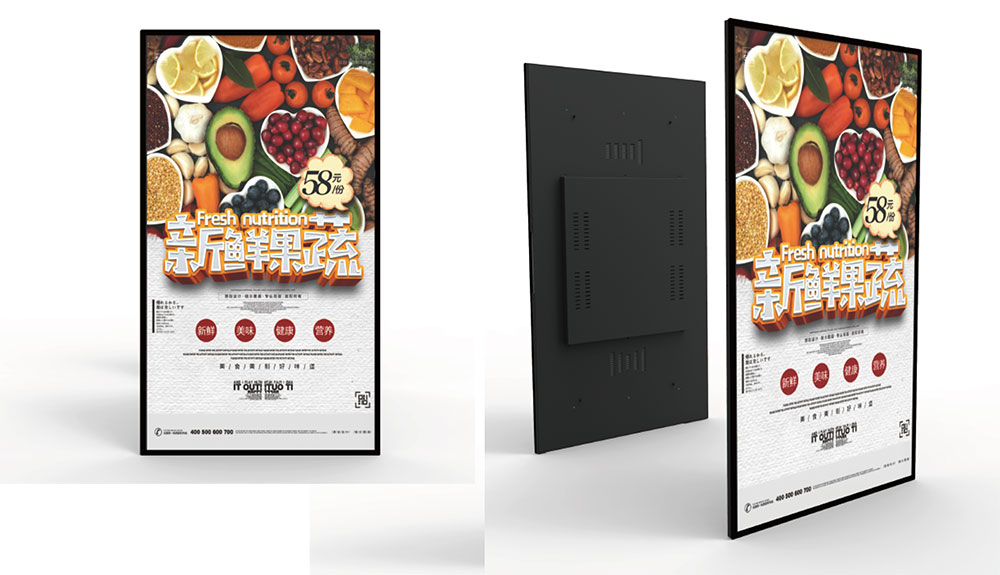
HITULCD wide displays address this with high-brightness backlight architectures typically rated between 1,000 and 2,500 nits, depending on installation location. Passenger-facing interior panels generally require 1,000 to 1,500 nits, while displays mounted near windows or at exposed outdoor stations demand 2,000 nits or more to remain readable in full daylight. To manage power and prevent image degradation, these panels incorporate automatic brightness control driven by ambient light sensors, dimming intelligently at night and boosting output during peak sun.
Optical bonding further enhances readability by eliminating the air gap between the cover glass and the LCD panel. This reduces internal reflections, improves contrast, and prevents condensation from forming inside the display—a common failure point in vehicles subject to temperature swings.
Surviving the Rigors of Mobile Operation
A bus is a punishing environment for electronics. Continuous vibration, road shock, thermal cycling, dust ingress, and humidity all conspire to shorten the life of poorly designed hardware. Wide LCD displays intended for transit use must be engineered to industrial and automotive-grade standards.
Key durability features include a wide operating temperature range, typically from -30°C to +85°C, to accommodate both frozen winter mornings and heat-soaked interiors during summer. Vibration and shock resistance conforming to relevant transit standards ensures that mounting brackets, connectors, and internal components withstand years of continuous road duty. Reinforced cover glass or optically bonded tempered glass protects against impacts and vandalism, while conformal-coated driver boards resist moisture and corrosion.
Long backlight lifespan is equally critical. LED backlights rated for 50,000 hours or more allow displays to run reliably for the full service life of a vehicle without mid-life panel replacement, dramatically reducing maintenance overhead for fleet operators.
Wide Viewing Angles for Standing and Seated Passengers
Inside a crowded bus, passengers view displays from a huge variety of positions—seated below the panel, standing directly beneath it, or observing from the far end of the aisle. A narrow viewing cone would render information invisible or color-shifted for many of these viewers. HITULCD wide displays employ IPS or advanced VA panel technology to deliver viewing angles up to 178 degrees horizontally and vertically, ensuring consistent brightness and color regardless of where a passenger stands.
Integration with Transit Data Systems
A display is only as valuable as the information it presents. Wide LCD panels for bus information systems are designed to integrate seamlessly with GPS-based automatic vehicle location (AVL) systems, real-time passenger information (RTPI) platforms, and central fleet management servers. Through standard interfaces and network connectivity, these displays present live next-stop data, estimated arrival times, transfer connections, service disruptions, and emergency alerts.
Support for multiple content zones allows a single wide panel to simultaneously show route information, a scrolling news ticker, advertising, and time or weather data. This maximizes the value of each installation, opening revenue opportunities through advertising while enhancing passenger service. Interfaces such as HDMI, LVDS, and eDP, combined with embedded media players or external controllers, provide flexible deployment options for both new builds and retrofits.
Applications Across the Bus Information Ecosystem
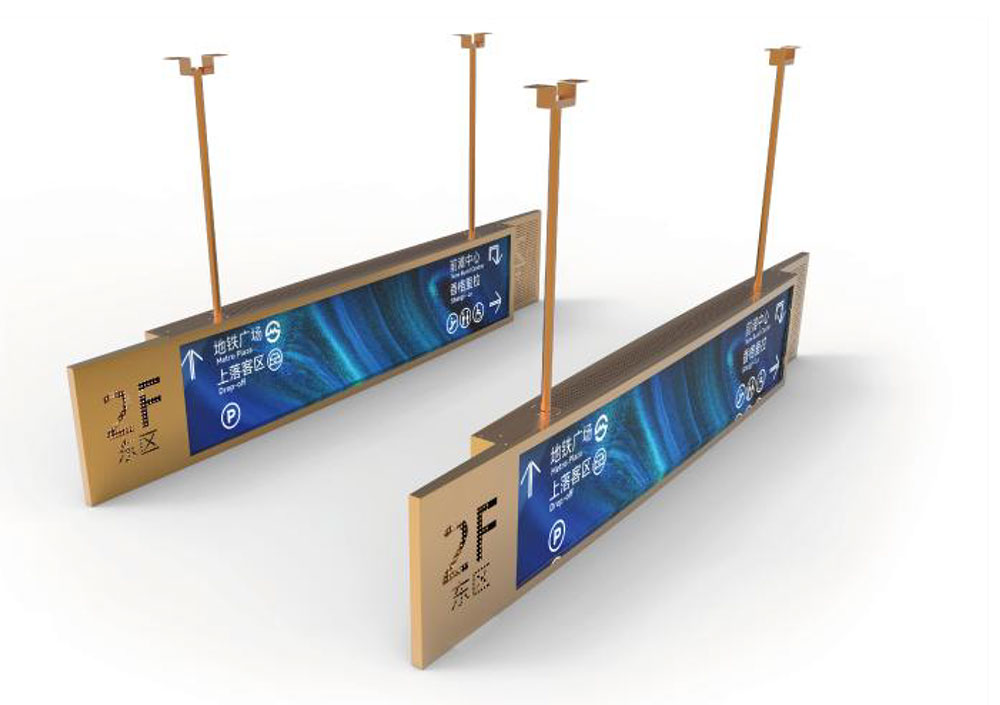
Wide LCD displays serve numerous roles throughout the transit journey. Inside the vehicle, they function as next-stop and route announcement displays mounted along ceiling rails. Front-facing destination signs communicate route numbers and endpoints to waiting passengers. At stations and shelters, wide panels deliver real-time arrival boards and multi-route timetables. Interchange hubs use large wide-format arrays to coordinate connections between bus, rail, and other transport modes.
In each of these settings, the combination of high brightness, wide format, and rugged reliability ensures that critical information reaches passengers clearly and dependably.
Energy Efficiency and Sustainability
Transit operators face increasing pressure to reduce energy consumption and support sustainability goals. LED backlighting, adaptive brightness control, and efficient power management circuitry in HITULCD wide displays minimize power draw without compromising visibility. Lower thermal output also reduces cooling requirements and extends component life, contributing to a lower total cost of ownership across a fleet's operational lifetime.
Choosing the Right Wide LCD Solution
Selecting the optimal display involves balancing several factors: installation location and its ambient light profile, required brightness, mechanical dimensions, aspect ratio, connectivity, and environmental ratings. HITULCD offers a comprehensive portfolio of stretched bar-type LCDs engineered specifically for transit, with customization options for size, brightness, touch capability, and interface configuration. Working with an experienced high-brightness display manufacturer ensures the chosen solution meets both current requirements and future scalability.
Conclusion
Wide LCD displays have become indispensable to modern bus information systems, delivering the perfect intersection of form and function. Their elongated format fits the physical constraints of vehicles and stations, their high brightness guarantees readability in every lighting condition, and their rugged construction withstands the harsh realities of mobile operation. As transit networks continue to modernize and passenger expectations rise, high-brightness wide LCD technology from HITULCD stands ready to power the next generation of clear, reliable, and engaging passenger information.