Original Equipment Manufacturers (OEMs) increasingly face a common challenge: standard display panels rarely fit the unique mechanical, optical, and environmental constraints of specialized equipment. When integrating a visual interface into industrial machinery, transportation systems, retail fixtures, or professional appliances, an off-the-shelf 16:9 monitor often wastes space, disrupts product aesthetics, and limits design freedom. Custom size stretched LCD displays solve this problem by delivering elongated, bar-type, or precisely trimmed screen geometries engineered around the host equipment rather than forcing the equipment to accommodate the screen.
At HITULCD, we design and manufacture high-brightness stretched LCD modules tailored to OEM specifications. This white paper examines what stretched displays are, why custom sizing matters for embedded applications, and the key technical parameters engineers should evaluate when specifying a panel for volume production.
What Is a Stretched LCD Display?
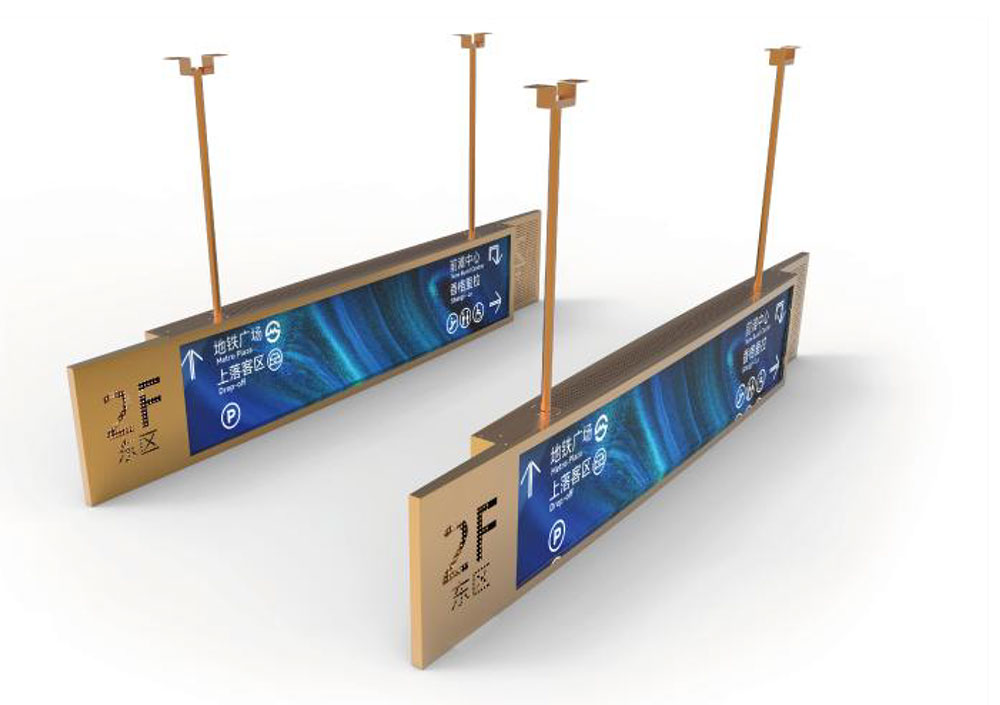
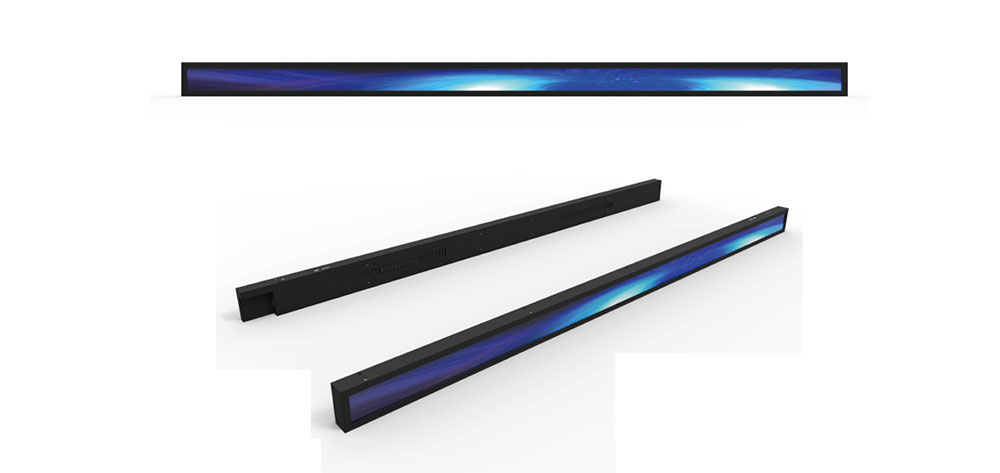
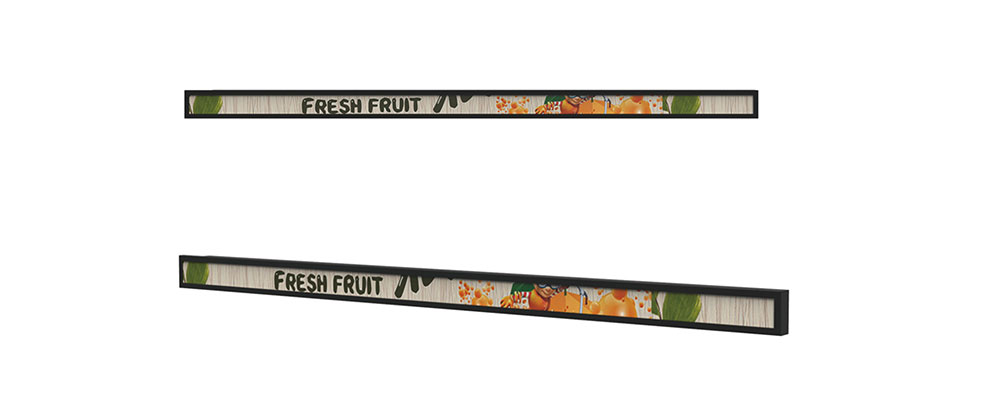
A stretched LCD—sometimes called a bar-type or ultra-wide display—is a panel with a non-standard aspect ratio, typically far wider or taller than conventional 16:9 or 4:3 formats. Common stretched ratios include 16:4.5, 24:9, 32:9, and other elongated geometries. These panels are produced either as purpose-built glass or through a precision cutting process applied to a larger mother panel, allowing the active display area to match the physical envelope of the target enclosure.
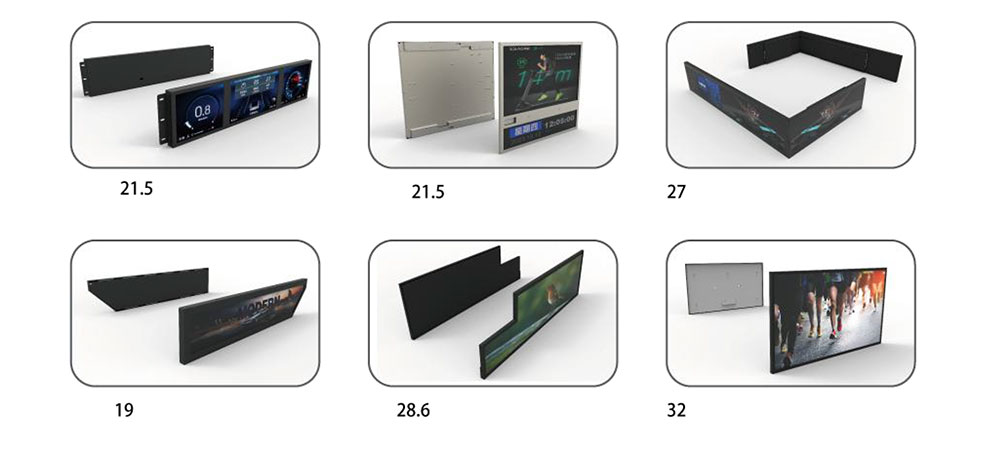
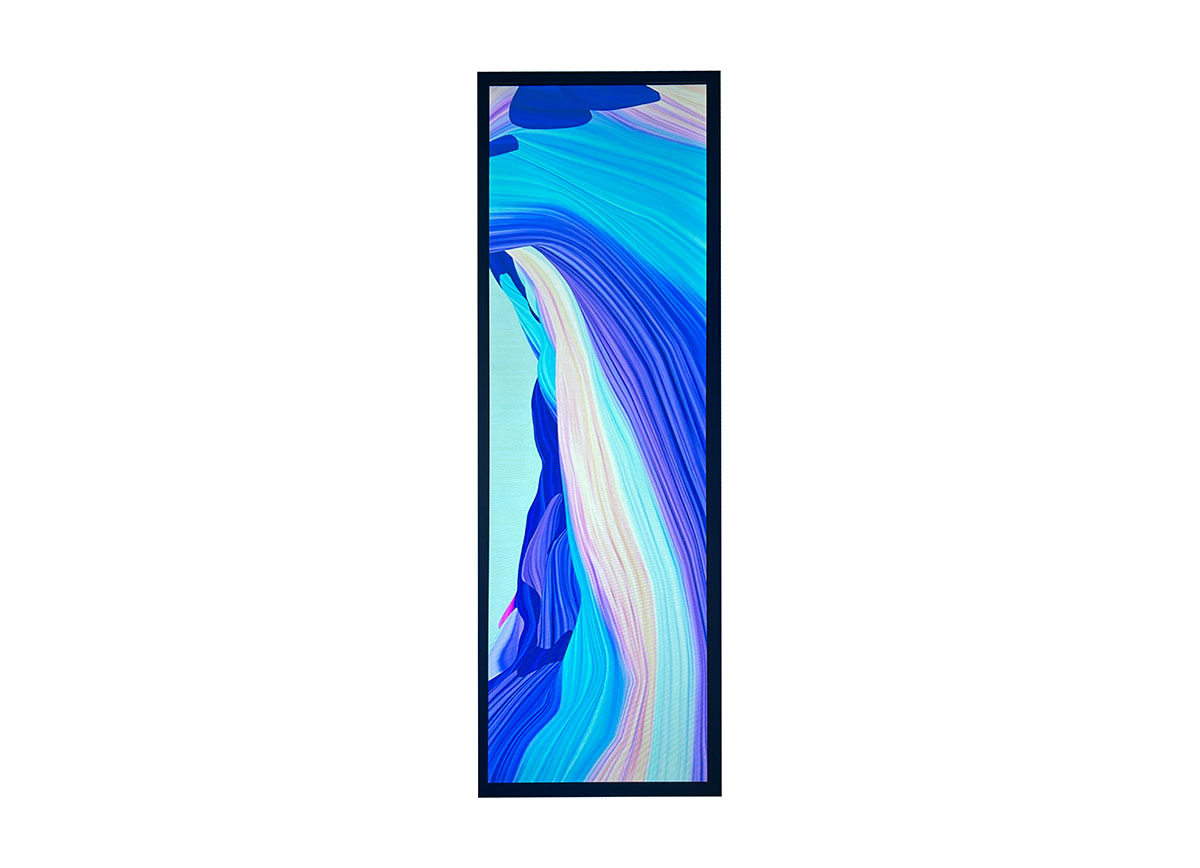
The result is a display that occupies exactly the space available—whether that is a narrow slot above a shelf edge, a horizontal strip across a machine control fascia, or a vertical column beside an interactive kiosk. For OEMs, this precision translates directly into cleaner industrial design and more efficient use of internal volume.
Why OEM Equipment Needs Custom Sizing
Standard consumer panels are optimized for televisions and monitors, not embedded systems. OEM equipment imposes constraints that generic displays cannot satisfy:
- Mechanical fit: Enclosures for industrial HMIs, vending machines, elevators, and medical carts have fixed cutouts and depth limits. A custom size eliminates costly bezels and mounting adapters.
- Aspect ratio matching: Content such as ticker information, wayfinding graphics, process data bars, or shelf-edge advertising is inherently elongated. A stretched format displays it natively without letterboxing.
- Brightness and readability: Equipment deployed in bright indoor lighting or near windows demands high-brightness panels that standard consumer displays cannot deliver.
- Interface and lifecycle stability: OEMs require guaranteed long-term availability and consistent bill-of-materials, which consumer panels rarely provide.
Key Technical Parameters for Specification
1. Active Area and Aspect Ratio
The starting point of any custom stretched project is the active display area, defined in millimeters for width and height. From this, the aspect ratio and diagonal size are derived. HITULCD works from the customer's mechanical cutout dimensions to determine the optimal panel geometry, whether achieved through native glass or precision panel cutting. Tolerances on the active area, outline dimensions, and bezel width are documented in the mechanical drawing to ensure repeatable integration on the production line.
2. Brightness (Luminance)
Brightness is measured in candela per square meter (cd/m², or nits). Standard consumer panels range from 250 to 400 nits, which is insufficient for many OEM environments. HITULCD high-brightness stretched displays are available from 700 nits up to 2500 nits and beyond, enabling clear visibility under strong ambient lighting, near shop windows, and in semi-outdoor installations. High-brightness backlight design also incorporates thermal management to sustain luminance without premature LED degradation.
3. Optical Bonding and Readability
For applications exposed to sunlight or reflective environments, optical bonding fills the air gap between the cover glass and the LCD, reducing internal reflections and improving contrast. Combined with anti-glare or anti-reflective surface treatments, optical bonding significantly enhances sunlight readability while also strengthening the display against impact and moisture ingress.
4. Interface Options
OEM integration depends on a compatible signal interface. Depending on the panel and controller, HITULCD supports LVDS, eDP, MIPI, and HDMI/VGA inputs via an integrated driver board. Selecting the right interface early prevents redesign of the host system's video pipeline and ensures compatibility with the customer's SoC, single-board computer, or media player.
5. Touch Integration
Where interactivity is required, projected capacitive (PCAP) touch sensors can be laminated to the stretched panel, supporting multi-touch operation and glove or water-resistant modes. For harsh industrial use, resistive or infrared touch options remain available. Touch layers are matched to the custom outline so the interactive area aligns precisely with the graphical interface.
6. Environmental and Reliability Considerations
OEM deployment often means continuous operation in demanding conditions. Relevant specifications include operating temperature range, wide-temperature backlight options, humidity tolerance, and front-panel sealing consistent with IP-rated designs when integrated into a suitable enclosure. Panels intended for 24/7 duty cycles are specified with appropriate backlight lifetime ratings and anti-image-retention design practices.
Manufacturing and Quality Assurance
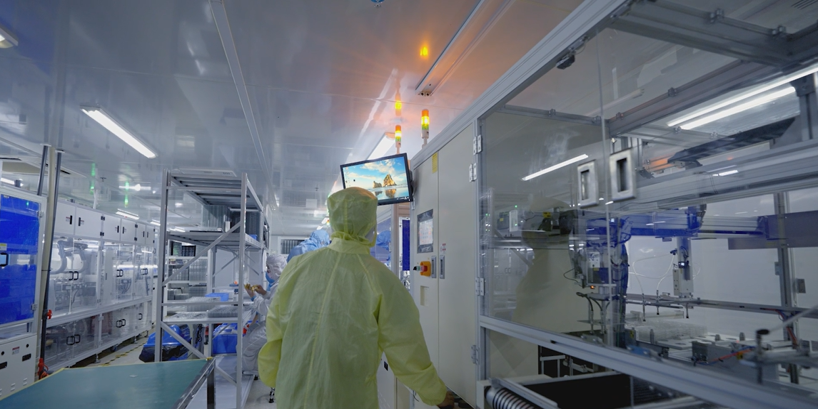
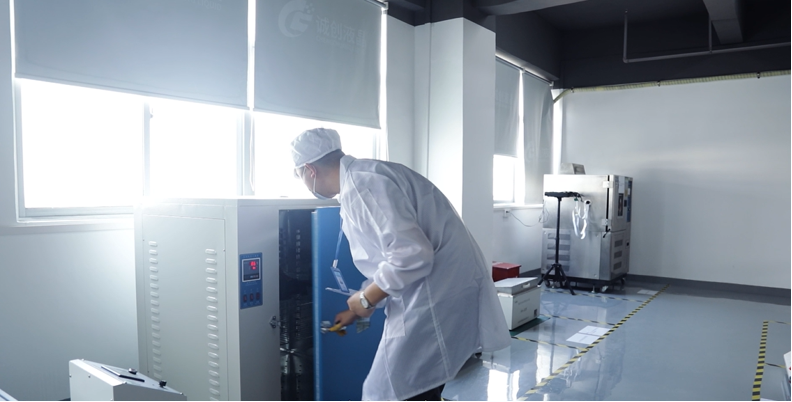
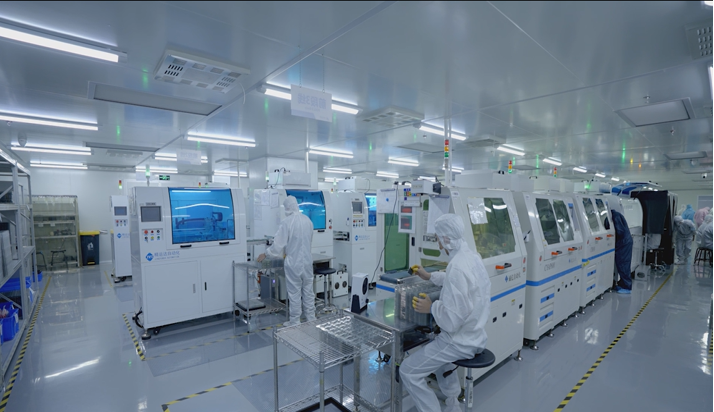
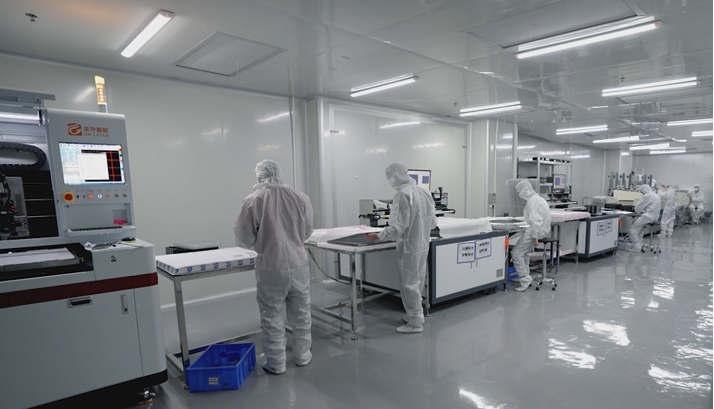
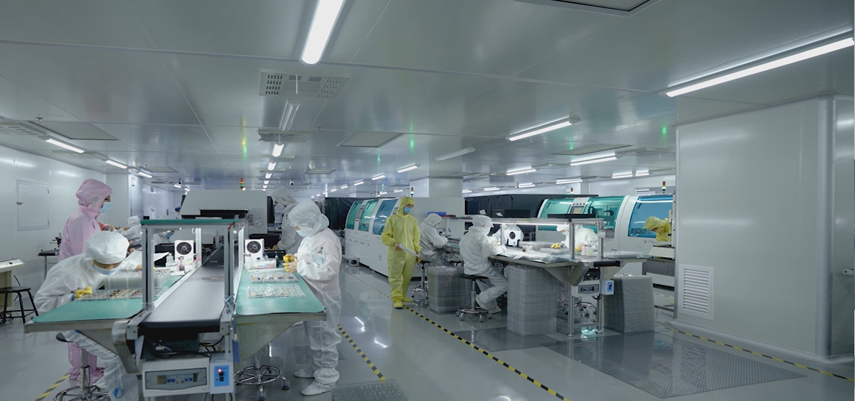
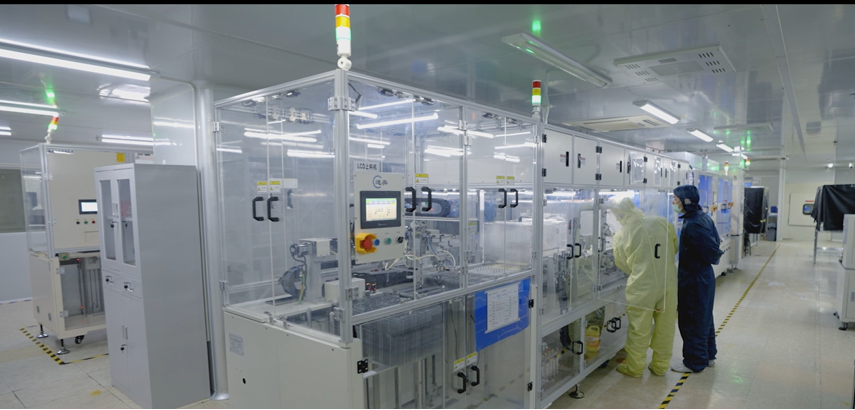
Custom stretched displays require disciplined engineering and quality control. HITULCD manufacturing follows recognized quality-management practices consistent with ISO 9001-type systems, and products can be built to meet applicable CE and UL safety certification categories according to the target market. Each project moves through defined stages: requirement capture, mechanical and electrical specification, prototype validation, reliability testing, and volume production with incoming and outgoing inspection.
Precision panel cutting is performed under controlled conditions to protect edge seal integrity, followed by re-sealing and functional testing to confirm optical uniformity, dead-pixel limits, and brightness consistency across the active area. This process discipline is essential to guarantee that every unit shipped to an OEM line performs identically.
Typical OEM Applications
- Retail and digital signage: Shelf-edge strips, wayfinding bars, and end-cap promotional displays.
- Transportation: Passenger information displays in buses, trains, and elevators.
- Industrial HMI: Process-status bars and control fascias integrated into machinery.
- Smart appliances and vending: Elongated interfaces for coffee machines, lockers, and self-service terminals.
- Gaming and entertainment: Ultra-wide status and dashboard displays in cabinets and consoles.
Partnering With HITULCD
Selecting a custom stretched LCD is not simply choosing a screen size—it is defining a long-term component for a product platform. HITULCD supports OEM customers from concept through mass production with engineering consultation on aspect ratio, brightness, interface, and mechanical integration, backed by consistent supply and lifecycle management. By aligning the display precisely to the equipment, OEMs achieve superior aesthetics, better use of internal space, stronger readability, and a more differentiated end product.
Whether your application demands a modest luminance boost or a fully sunlight-readable, optically bonded, touch-enabled bar panel, a custom size stretched LCD engineered for your equipment delivers the fit, performance, and reliability that standard displays cannot.
KEYWORDS: custom size stretched LCD, stretched LCD display, OEM LCD display, high-brightness stretched LCD, bar-type LCD panel