Introduction: Why Standard Panels No Longer Fit Every Application
For decades, the display industry has been dominated by a handful of standardized resolutions and aspect ratios—16:9, 16:10, 4:3—designed primarily for consumer televisions, monitors, and laptops. While these formats serve mass-market products well, they impose serious limitations on specialized industrial, commercial, and embedded applications. A transportation signage bar, a medical instrument readout, an industrial control gauge, or an automotive cluster rarely conforms neatly to a 16:9 rectangle. This is precisely where custom resolution and aspect ratio LCD displays become mission-critical.
At HITULCD, we engineer high-brightness LCD modules tailored to the exact pixel dimensions, physical geometry, and optical performance demanded by each unique deployment. This white paper examines the technical foundations, design methodology, and engineering trade-offs involved in developing custom-format LCD displays that break free from off-the-shelf constraints.
Defining Custom Resolution and Aspect Ratio
A display's resolution refers to the total number of addressable pixels arranged horizontally and vertically—for example, 1920×1080. The aspect ratio is the proportional relationship between display width and height, derived from that pixel array and the physical pixel pitch. A custom LCD display departs from industry-standard values in one or both parameters.
Common custom formats include:
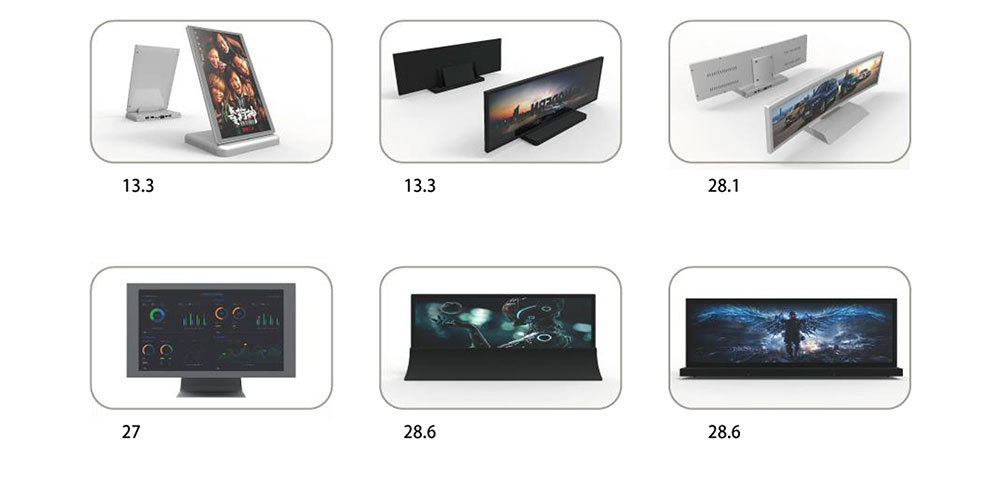
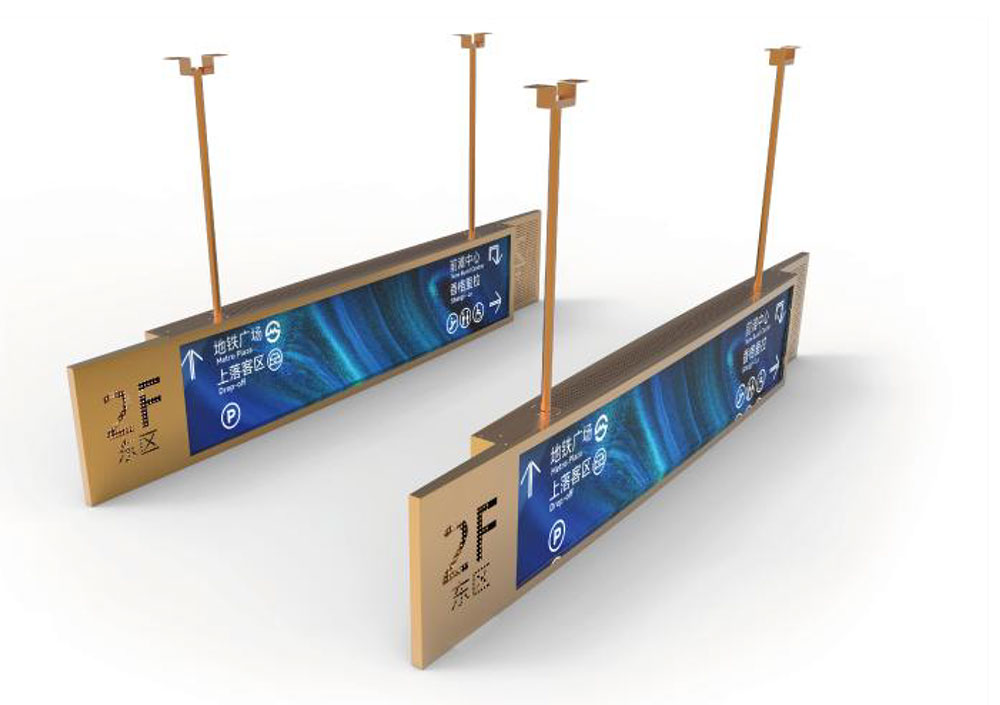
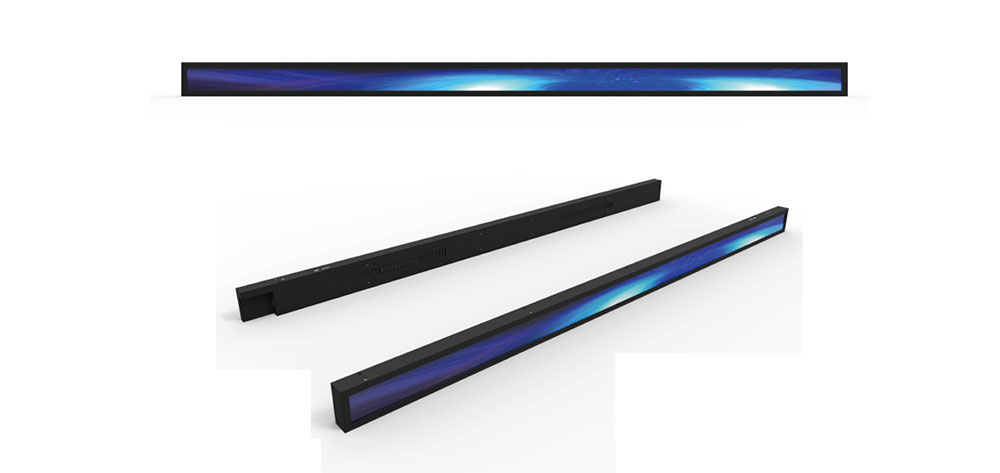
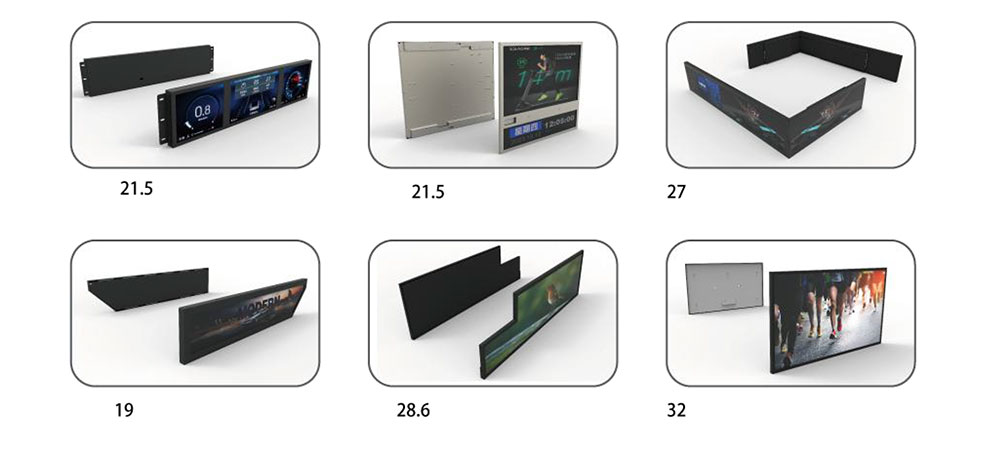
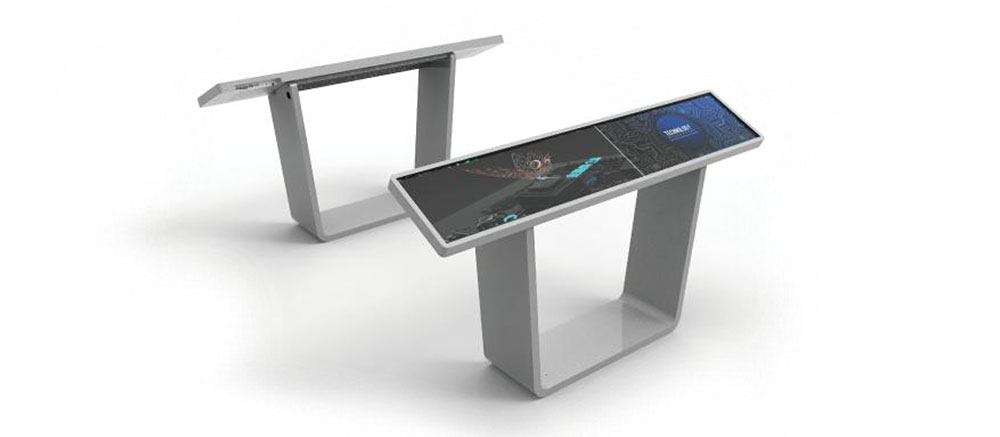
- Ultra-wide bar displays such as 32:9, 24:9, or extreme ratios like 51:9 used in shelf-edge retail and transit signage.
- Ultra-tall (portrait-native) panels like 9:32 for elevator displays and digital menu boards.
- Square displays with 1:1 ratios (e.g., 720×720) for smart controls, wearables, and instrumentation.
- Non-standard resolutions such as 1280×480 or 1024×600 optimized for embedded human-machine interfaces (HMI).
The Engineering Pathway: From Standard Glass to Custom Format
1. Panel Cutting and Open-Cell Sourcing
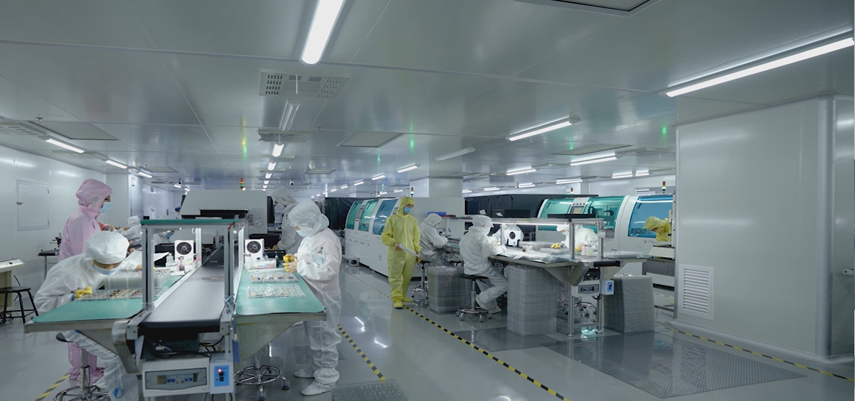
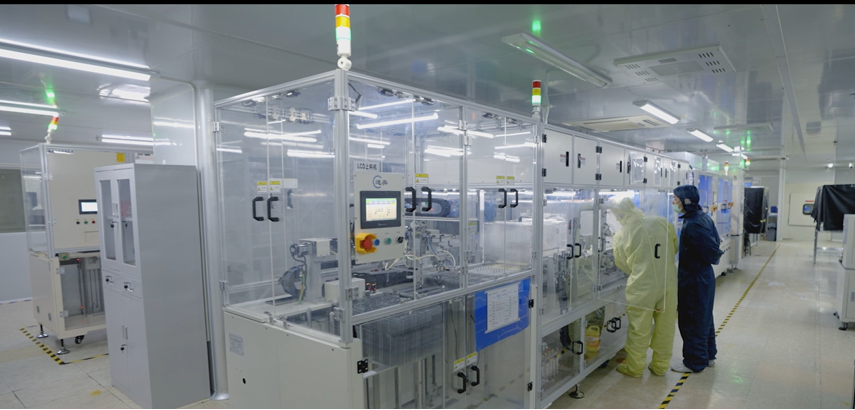
The most cost-effective route to a custom aspect ratio is often panel cutting—physically trimming a standard mother-glass panel to a smaller active area. This technique, sometimes called "stretched" or "bar-type" LCD production, allows manufacturers to derive a 38:9 stretched bar from a conventional 16:9 panel by cropping and re-terminating the driver connections. HITULCD leverages proven cutting processes to deliver custom geometries with reduced tooling costs and shorter lead times, ideal for low-to-medium volume programs.
2. Fully Custom TFT Array Design
For high-volume programs or truly bespoke pixel structures, a fully custom TFT (thin-film transistor) array can be designed from the mask level up. This defines exact pixel count, pixel pitch, sub-pixel arrangement, gate and source line routing, and driver bonding layout. While this approach carries higher NRE (non-recurring engineering) costs and longer development cycles, it yields uncompromised optical uniformity and mechanical precision.
3. Timing Controller and EDID Customization
Non-standard resolutions require careful configuration of the timing controller (TCON) and, where applicable, custom EDID (Extended Display Identification Data) programming. The pixel clock, horizontal/vertical blanking intervals, and refresh timing must be recalculated to drive the unique pixel array reliably without artifacts, tearing, or synchronization loss.
Interface and Driver Considerations
Custom-format panels demand appropriate interface selection based on resolution and bandwidth. Typical options include:
- MIPI DSI for compact, embedded, and mobile-class displays.
- LVDS for mid-range industrial resolutions with robust EMI performance.
- eDP and V-by-One for higher-bandwidth ultra-wide and high-pixel-count panels.
Matching interface bandwidth to the custom pixel clock is essential. A 3840×720 ultra-wide bar, for example, generates a significantly different data throughput profile than a square 1080×1080 panel, requiring distinct lane configurations and driver IC selection.
High-Brightness Integration for Custom Formats
As a high-brightness LCD specialist, HITULCD engineers custom-format panels with enhanced backlight systems delivering 1000 to 2500 nits and beyond. Custom aspect ratios introduce specific optical design challenges:
- Backlight uniformity across elongated bar displays requires optimized LED bar placement and light-guide plate (LGP) engineering to prevent hotspots and edge fall-off.
- Thermal management becomes critical, as high-brightness LEDs in a narrow chassis concentrate heat; custom heat-spreading and airflow design maintain reliability.
- Optical bonding improves sunlight readability and contrast for outdoor and semi-outdoor custom deployments, reducing internal reflections regardless of panel geometry.
Mechanical and Structural Design
Custom aspect ratios inevitably reshape the mechanical envelope. Ultra-wide and ultra-tall panels experience greater flex stress and require reinforced bezels, tailored mounting points, and vibration-tolerant construction—especially for transportation and industrial environments. HITULCD delivers custom outline drawings, cover-glass specifications, and bracketing to integrate seamlessly into the customer's enclosure.
Application Domains for Custom LCDs
- Transportation: Ultra-wide passenger information bars, dashboard clusters, and destination signage.
- Retail and DOOH: Shelf-edge strips, stretched menu boards, and portrait totems.
- Industrial HMI: Non-standard resolution control panels fitting compact equipment fascias.
- Medical: Precision instrumentation displays with application-specific geometry.
- Smart home and appliances: Square and compact panels for thermostats, controls, and IoT devices.
Design Trade-Offs and Best Practices
Every custom display program balances cost, volume, lead time, and performance. Panel cutting minimizes tooling investment but constrains available geometries to derivatives of existing glass. Full custom TFT design maximizes freedom but demands volume to amortize NRE. Early engagement with the display engineering team—sharing envelope dimensions, viewing distance, brightness targets, interface constraints, and environmental conditions—dramatically shortens time to production and reduces costly re-spins.
Conclusion
Custom resolution and aspect ratio LCD displays empower product designers to escape the tyranny of the standard rectangle and build interfaces that fit their applications perfectly—both physically and functionally. By combining flexible panel-cutting techniques, fully custom TFT design capability, tailored driving electronics, and industry-leading high-brightness optical engineering, HITULCD delivers displays engineered around your product, not the other way around. When your application demands a format the shelf cannot provide, custom LCD engineering transforms constraint into competitive advantage.
KEYWORDS: custom resolution LCD display, custom aspect ratio LCD, high-brightness LCD, stretched bar LCD, custom TFT panel