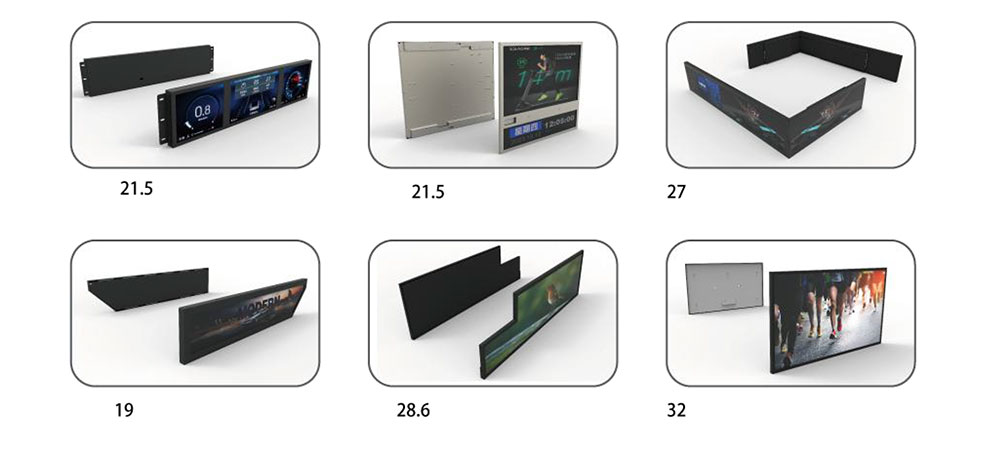
Across the UK there is a large installed base of equipment that still earns its keep: rail platform indicators, forecourt controllers, weighbridge terminals, vending and gaming machines, bench-top medical instruments, stage lighting desks, marine bridge consoles and machine-tool controls. Many of these were built between the late 1980s and the mid-2000s, and a striking number of them depend on a stretched LCD — a bar-type or ultra-wide monochrome or early colour module in an aspect ratio that no catalogue distributor has ever stocked. When the original panel goes end-of-life, the equipment does not become obsolete with it. The display has to be re-created, and that is a design job rather than a purchase.
What makes a display "stretched"
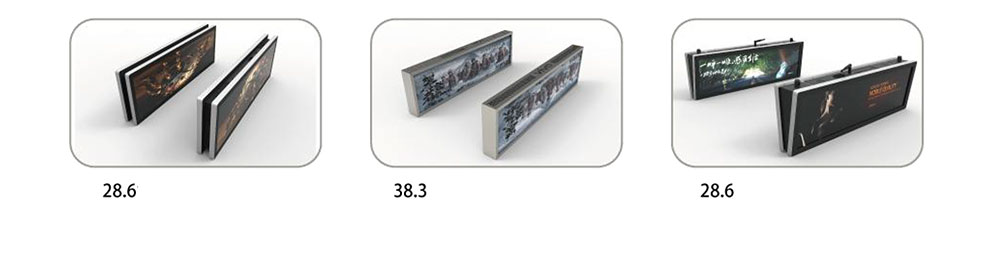
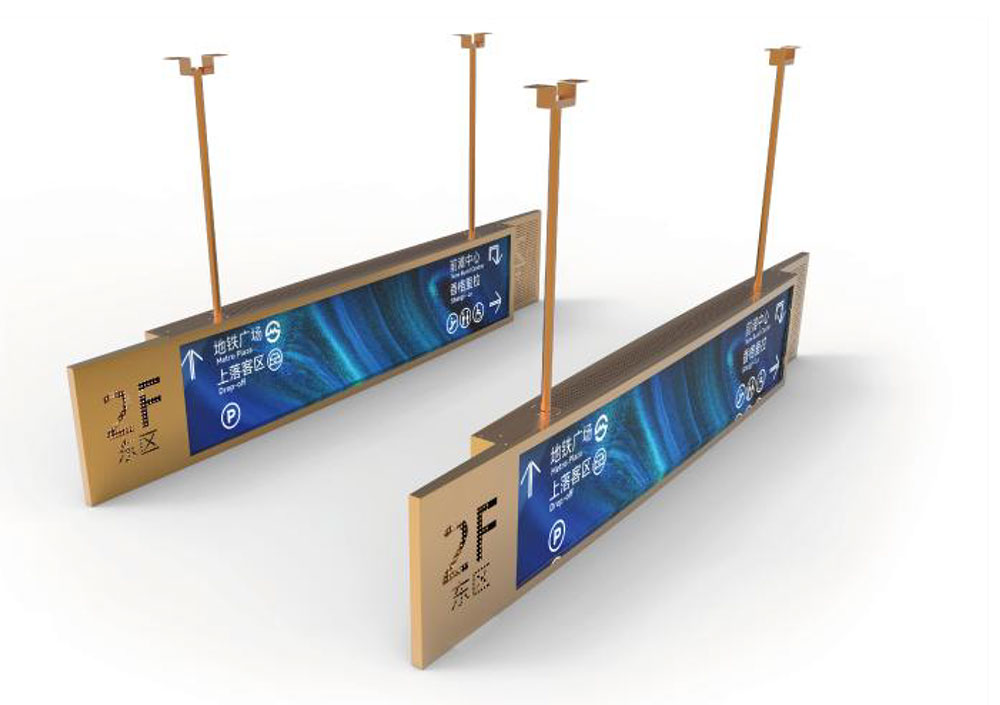
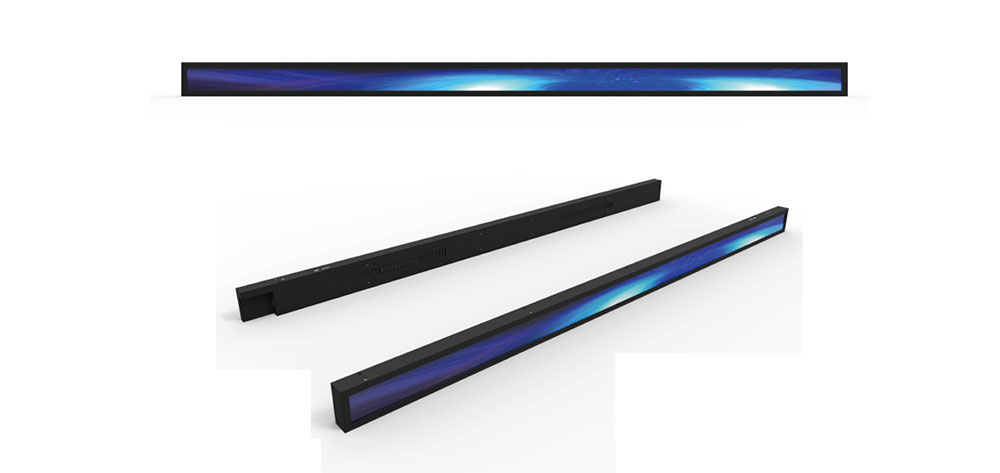
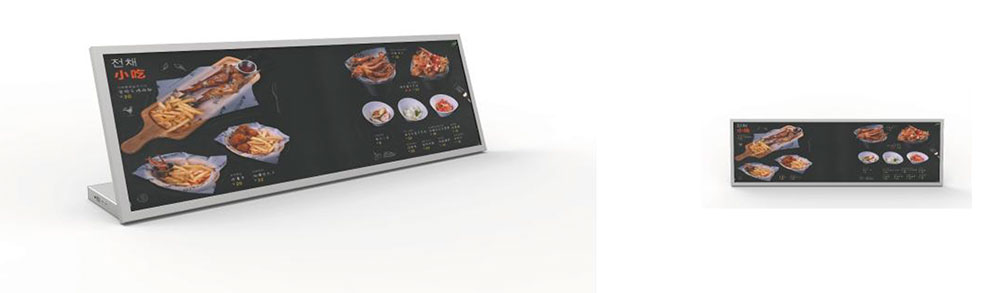
A stretched LCD is defined by geometry, not technology. Typical formats run from 3:1 up to 20:1, with diagonals between roughly 3.5 in and 28 in and active areas such as 120 × 40 mm or 300 × 60 mm. Resolutions are unusual by consumer standards — 240 × 64, 320 × 96, 480 × 128, 640 × 160, 800 × 200 — and the underlying glass is usually TN, STN or FSTN monochrome, occasionally an a-Si TFT colour panel driven in 18-bit RGB. Because the glass is cut from a mask set that only ever served one customer, there is no second source and no drop-in alternative. Replacement means commissioning new tooling against a digitised copy of the original.
Why the original modules vanish
Obsolescence in this sector is rarely a single event. It arrives in stages:
- Fabrication closure. The low-generation TN/STN fabs that produced bar-type glass have largely closed or repurposed. Mask sets are scrapped and cannot be recovered.
- Driver IC end-of-life. Row and column drivers, and the small controller chips that sat alongside them, are discontinued long before the glass supply runs out.
- Tooling wear. FPC and COG bonding tools have finite lives; a supplier may formally discontinue a part it could still physically make.
- Regulatory drag. Cold-cathode fluorescent backlights depend on mercury; the RoHS exemptions that once permitted them have narrowed, and inverters add a high-voltage subsystem to the bill of materials.
- Storage degradation. Last-time-buy stock is not immortal. Polarising film absorbs moisture and yellows, CCFL electrodes sputter, and bonded assemblies can delaminate in an unheated UK store over a decade.
The practical consequence is that reclaimed and counterfeit modules increasingly circulate through auction sites and brokers. A counterfeit panel may pass incoming inspection and then fail after 500 hours at elevated temperature, which is far more expensive than a properly engineered replacement.
Begin with the interface, not the screen size
The reason a replacement is "custom" has little to do with the glass outline. It is the electrical handshake with the host board that determines whether the equipment boots and displays correctly. The host is typically a fixed, non-upgradable controller — an 8-bit or 16-bit microcontroller, an early ARM, or a dedicated display controller — and it will not tolerate a different timing model.
A competent survey captures, at minimum:
| Item | What to record |
|---|---|
| FPC / connector | Pin count, pitch (0.5 mm, 1.0 mm), pin 1 orientation, ZIF or solder tab, cable exit direction, fold radius |
| Bus type | 8080/6800 parallel (4-bit or 8-bit), SPI, RGB TTL 18/24-bit, single or dual LVDS, MIPI DSI on later retrofits |
| Timing | Pixel clock, HSYNC/VSYNC or DE polarity, latch and POL timing, frame rate (many legacy designs run 60–75 Hz and tolerate nothing else) |
| Power rails | 3.3 V, 5 V, 12 V, VCOM, VGH/VGL, contrast bias voltage, inrush limits |
| Backlight | CCFL inverter (typically several hundred volts RMS), EL inverter (~100 V at 400 Hz), or LED constant-current string with its forward voltage and current |
| Mechanical | Active area, outline, glass thickness, aperture in the bezel, mounting bosses, gasket compression, cover-glass stack-up |
Where no service manual survives, the original module can be reverse-engineered: the FPC pinout traced with a meter, the timing captured on a logic analyser, the outline digitised on a profile projector or CMM. This is the stage where shortcuts cost the most, and it is normally worth doing once, properly, with photographic records that go into the equipment's technical file.
Mechanical fit: the half-millimetre that stops a project
Legacy assemblies rarely follow a standardised outline. Windows were cut to the individual OEM's tolerance, gaskets were compressed to a specific depth, and the module often sits behind a tinted or anti-glare cover glass that assumes a particular air gap. A replacement that is 0.4 mm thicker can stop the front bezel seating; one that is narrower can leave the sealing gask KEYWORDS: Custom Stretched LCD Display Replacements for Legacy UK Equipment