Selecting the right custom LCD display module supplier for your UK-based project is a critical decision that impacts product quality, development timelines, regulatory compliance, and long-term competitiveness. Whether you're engineering medical devices, industrial control systems, transportation displays, or consumer electronics, the supplier you choose becomes a strategic partner in your product's success. This comprehensive guide examines the essential factors UK engineers and procurement teams must evaluate when selecting a custom LCD display module supplier.
Understanding the UK Market Landscape
The United Kingdom maintains distinct requirements that differentiate it from other European and global markets. Following Brexit, UK projects must navigate the UKCA marking system alongside or instead of CE marking, depending on distribution plans. Your LCD supplier must demonstrate thorough understanding of these regulatory pathways and provide documentation that supports compliance with UK-specific standards including BS EN 61000 for electromagnetic compatibility and BS EN 60950 or BS EN 62368 for safety requirements.
UK projects often face tighter timelines and budget constraints compared to larger continental markets, making supplier responsiveness and efficiency paramount. The geographic distance from most Asian manufacturing hubs means logistics planning, inventory management, and communication protocols require careful consideration during supplier selection.
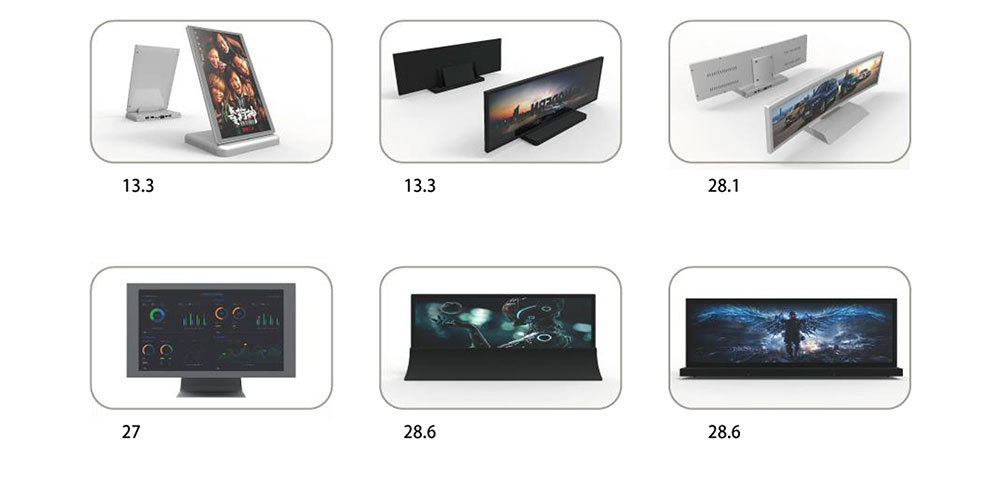
Technical Capabilities and Customization Depth
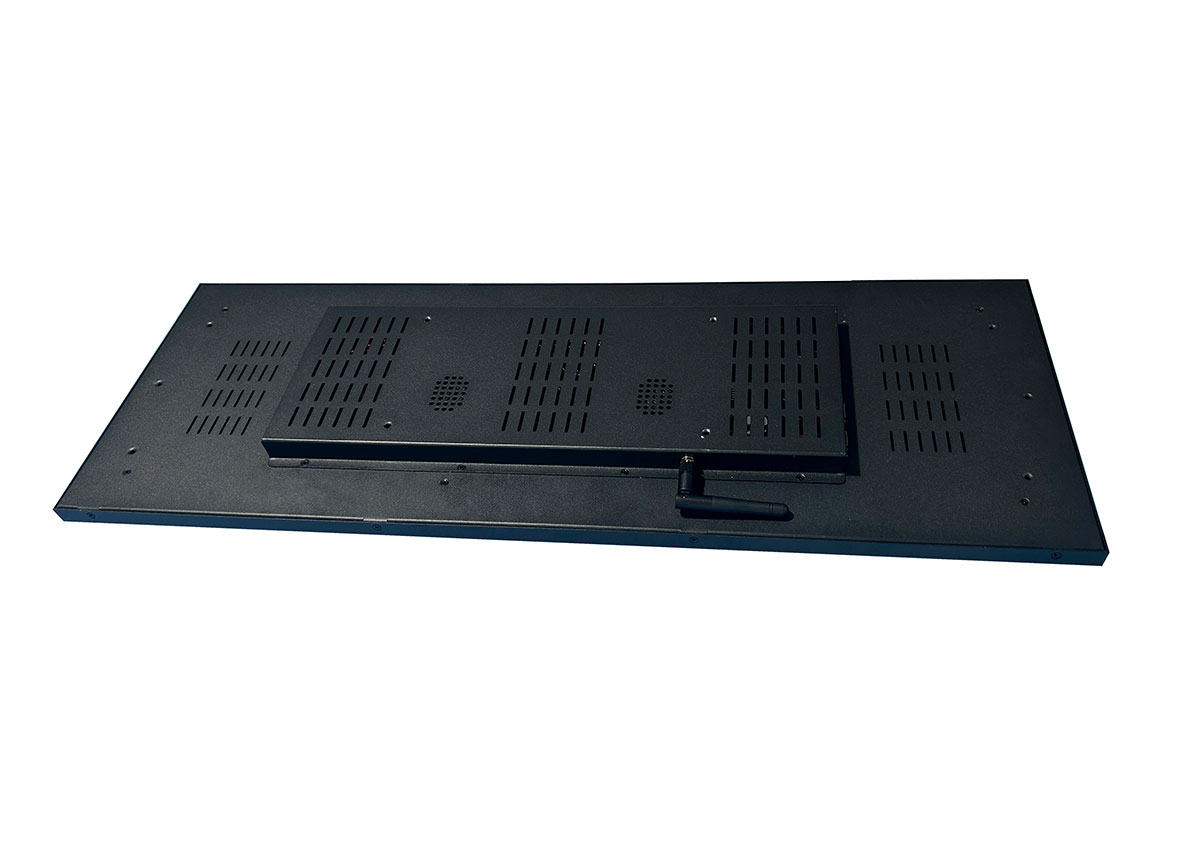
Custom LCD display modules encompass a broad spectrum of technologies—TN, STN, FSTN, TFT, IPS, and emerging high-brightness solutions. A qualified supplier should offer comprehensive technical capabilities across multiple LCD technologies rather than limiting you to a narrow product range that may not optimally serve your application.
Evaluate the supplier's customization depth across several dimensions. Optical customization includes brightness levels, viewing angles, contrast ratios, color gamut specifications, and anti-glare or anti-reflective treatments. For outdoor or high-ambient-light applications common in UK transportation and industrial sectors, high-brightness capabilities exceeding 1000 nits with proper thermal management become essential.
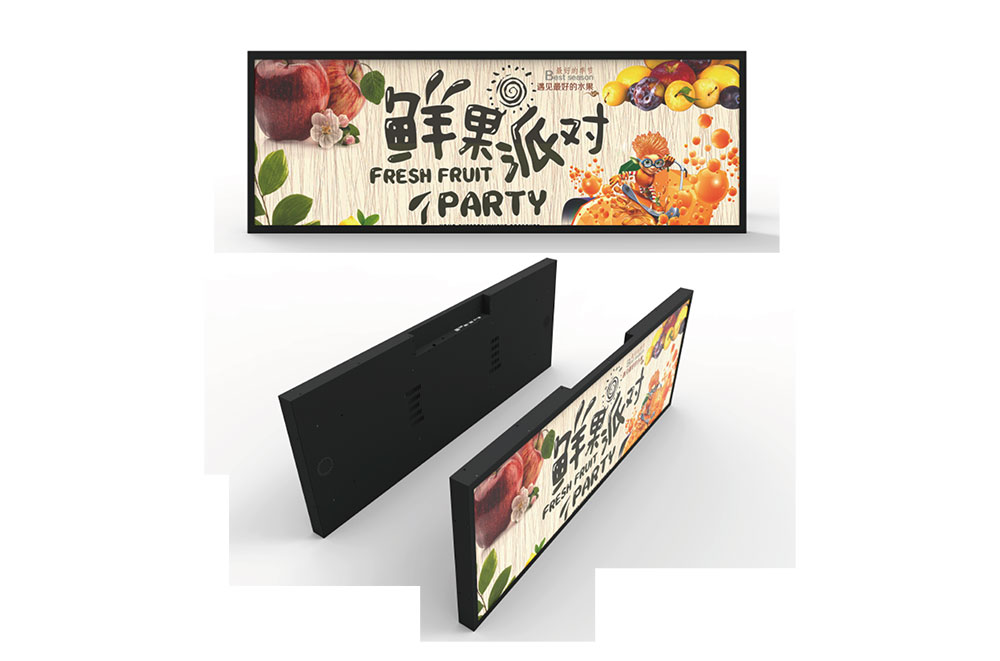
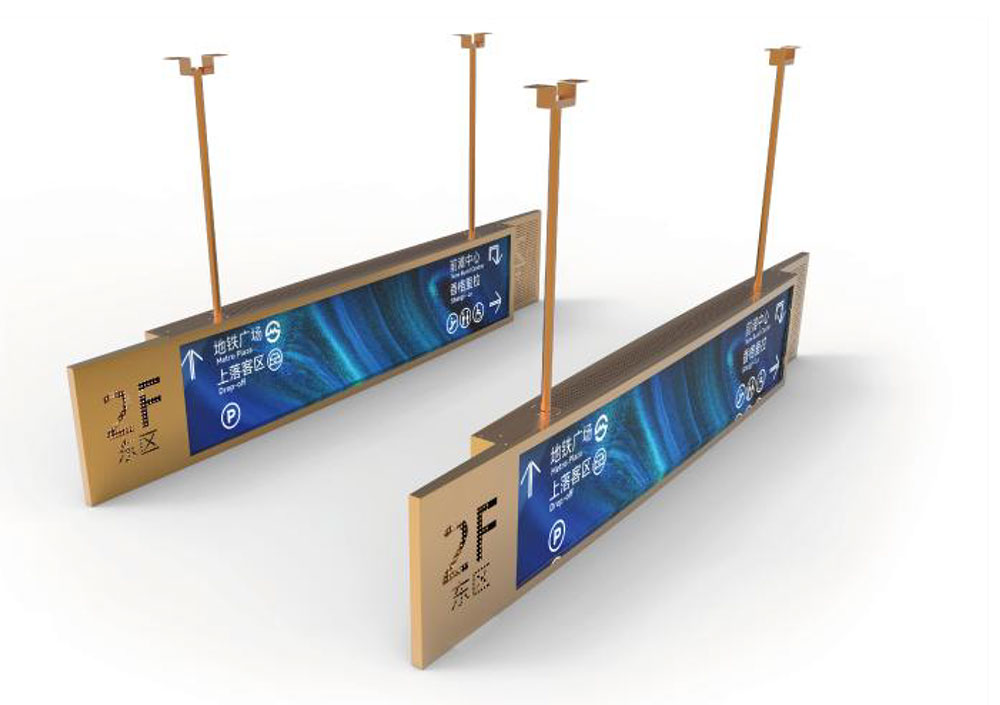
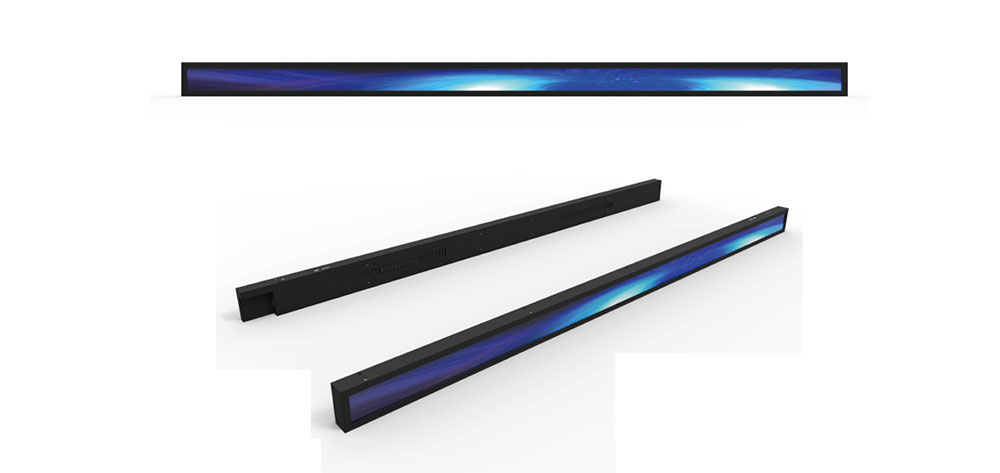
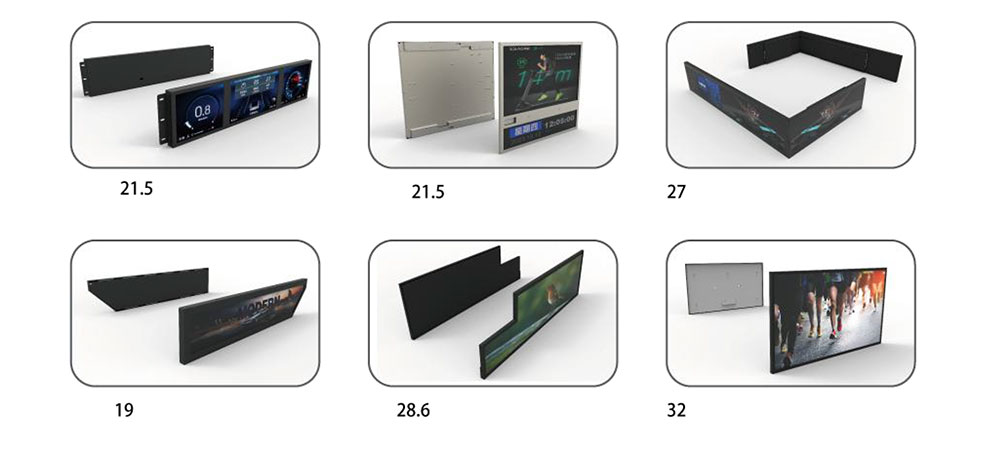
Mechanical customization encompasses form factor flexibility, mounting solutions, connector types and positions, and integration of touchscreen technologies. The supplier should demonstrate capability to modify standard designs or develop completely bespoke solutions matching your exact dimensional and interface requirements.
Electronic customization includes interface options—parallel, SPI, I²C, MIPI DSI, LVDS, or HDMI—along with voltage requirements, power consumption optimization, and controller board modifications. A supplier offering integrated controller solutions with customizable firmware can significantly reduce your development complexity and time-to-market.
Quality Systems and Certifications
Manufacturing quality directly determines field reliability, warranty costs, and brand reputation. Investigate the supplier's quality management systems thoroughly. ISO 9001 certification represents baseline quality management, but sector-specific certifications carry greater weight for specialized applications.
For medical device projects, ISO 13485 certification is typically mandatory, demonstrating quality systems designed specifically for medical device manufacturing. Industrial applications benefit from suppliers holding ISO 14001 environmental management certification and IATF 16949 for automotive quality standards if your displays will be used in vehicle applications.
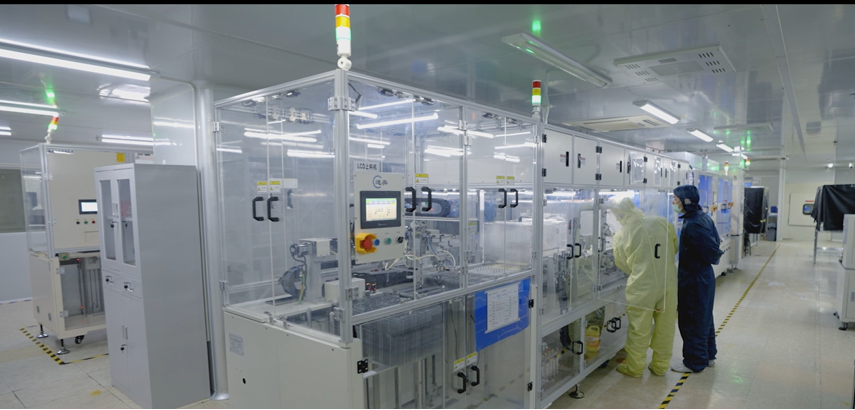
Beyond certifications, examine the supplier's testing capabilities and protocols. Comprehensive testing should include incoming material inspection, in-process quality control, optical performance verification, electrical parameter testing, environmental stress screening, accelerated life testing, and final inspection procedures. Request detailed test reports and ask about their approach to statistical process control and continuous improvement methodologies.
Regulatory Compliance and Documentation Support
UK projects require meticulous documentation for regulatory submissions, customer approvals, and internal quality records. Your LCD supplier must provide comprehensive technical documentation including detailed datasheets, mechanical drawings with tolerances, interface specifications, optical characteristics across temperature ranges, and reliability data.
For UKCA marking purposes, suppliers should provide declarations of conformity, test reports from accredited laboratories, and material composition documentation including RoHS and REACH compliance statements. The supplier's ability to support your regulatory process with responsive technical correspondence and supplementary testing documentation often determines whether projects meet their launch schedules.
If your product will also be sold in EU markets, dual UKCA/CE compliance becomes necessary, requiring suppliers familiar with both regulatory frameworks and capable of providing documentation satisfying both regimes simultaneously.
Supply Chain Stability and Business Continuity
Recent global disruptions have underscored the importance of supply chain resilience. Evaluate your potential supplier's manufacturing footprint, component sourcing strategies, and inventory management approaches. Suppliers maintaining multiple production facilities or strategic component stockpiles demonstrate greater resilience against localized disruptions.
Question the supplier about component obsolescence management, particularly for long-lifecycle products common in industrial and medical sectors. A qualified supplier should offer lifecycle commitments, proactive obsolescence notifications, and last-time-buy opportunities that protect your product's market viability.
Lead times constitute another critical factor for UK projects with tight development schedules. Understand the supplier's standard lead times for samples, pre-production quantities, and volume production. Equally important are their expedite capabilities and minimum order quantities, which impact your inventory carrying costs and cash flow management.
Communication and Technical Support Infrastructure
The eight-hour time difference between the UK and East Asian manufacturing centers creates communication challenges that capable suppliers address through dedicated support structures. Prioritize suppliers offering UK or European-based technical support personnel who understand local business practices, communicate fluently in English, and maintain working hours overlapping with UK business days.
Evaluate the supplier's technical support capabilities during the selection process. Submit detailed technical questions and assess response quality, accuracy, and timeliness. Capable suppliers assign dedicated project managers or application engineers to significant projects, providing consistent points of contact who develop deep familiarity with your requirements.
The availability of local representation—whether through subsidiary offices, authorized distributors, or representative agencies in the UK or nearby European locations—facilitates face-to-face meetings, accelerates sample logistics, and simplifies problem resolution when issues arise.
Engineering Collaboration and Development Support
Custom LCD projects require genuine collaboration between your engineering team and the supplier's technical staff. Superior suppliers function as development partners rather than mere component vendors, contributing display expertise that enhances your overall product design.
During supplier evaluation, assess their willingness and capability to provide development support including optical simulation and modeling, thermal analysis assistance, mechanical integration guidance, software driver development or adaptation, and design for manufacturability recommendations that optimize production yields and costs.
Request examples of previous custom development projects similar to yours. Examine case studies, reference designs, or technical papers demonstrating the supplier's problem-solving capabilities and innovation in addressing challenging application requirements.
Cost Structure and Commercial Terms
While price naturally factors into supplier selection, the lowest quoted price rarely delivers the best total value. Analyze cost structures comprehensively, considering piece price, tooling and NRE charges, minimum order quantities, payment terms, and logistics costs to UK delivery points.
For custom LCD modules, non-recurring engineering charges covering custom tooling, mold development, or firmware customization can represent significant upfront investments. Clarify what these charges include, who owns the resulting tooling, and how costs might be amortized across production volumes.
Evaluate pricing stability and the supplier's approach to price adjustments. Transparent suppliers communicate clearly about factors driving potential price changes—raw material costs, component availability, currency fluctuations—and offer reasonable price protection periods or volume discount structures.
Commercial terms including payment conditions, warranty coverage, and liability provisions require careful negotiation. UK projects benefit from suppliers willing to accommodate reasonable payment terms rather than demanding full prepayment, and offering warranty periods aligned with your product's expected field reliability requirements.
Logistics and Import Considerations
Post-Brexit customs procedures add complexity to imports from non-UK suppliers. Evaluate the supplier's experience with UK customs requirements, their ability to provide accurate HS code classifications and proper valuation documentation, and whether they offer DDP (Delivered Duty Paid) terms simplifying your import process.
Packaging adequacy directly impacts product receipt quality. LCD modules require careful packaging protecting against mechanical shock, electrostatic discharge, and moisture exposure during international shipping. Request packaging specifications and examine sample shipments to verify adequate protection.
Consider the supplier's logistics partners and shipping options. Established relationships with international carriers, flexibility to accommodate both air and sea freight depending on urgency, and track record of on-time delivery performance all contribute to smooth project execution.
Long-Term Partnership Potential
Supplier relationships for custom LCD modules often extend across multiple years and product generations. Evaluate potential suppliers as long-term partners rather than transactional vendors. Financial stability matters—research the supplier's business history, customer base diversity, and financial health indicators suggesting they'll remain viable throughout your product's lifecycle.
Assess the supplier's commitment to continuous improvement and technology advancement. Forward-thinking suppliers invest in new manufacturing capabilities, develop next-generation display technologies, and demonstrate willingness to evolve their offerings as your requirements advance.
Cultural compatibility and shared values around quality, communication, and customer service determine partnership satisfaction beyond technical and commercial factors. Trust your evaluation team's impressions about whether the supplier's approach and responsiveness align with your organization's expectations and working style.
Practical Evaluation Process
Implement a structured supplier evaluation process beginning with desktop research identifying candidates with appropriate technical capabilities, certifications, and market presence. Develop a detailed RFQ (Request for Quotation) clearly specifying your technical requirements, volume projections, timeline expectations, and evaluation criteria.
Shortlist suppliers based on initial responses, then conduct deeper evaluation through technical discussions, sample requests, and potentially facility audits if project scale warrants the investment. Sample evaluation proves critical—assess not just whether samples meet specifications, but the supplier's responsiveness during the sample development process, their handling of feedback and revision requests, and the documentation quality accompanying samples.
Reference checks provide valuable insights. Request and contact references from customers with similar application types, ideally other UK-based companies who can speak to the supplier's performance serving the UK market specifically.
Consider pilot production runs before full commitment. Starting with smaller production quantities allows you to validate the supplier's production quality, process control, and logistics execution before scaling to larger volumes.
Red Flags and Warning Signs
Certain warning signs during supplier evaluation warrant caution or disqualification. Reluctance to provide detailed technical documentation, certifications, or customer references suggests potential quality or capability gaps. Pressure to commit to large minimum orders before adequate sampling and validation indicates sales focus over customer success orientation.
Poor communication responsiveness during the evaluation phase typically worsens after order placement. Similarly, technical responses containing obvious errors or generic information copied from datasheets rather than addressing your specific questions reveal inadequate engineering support capabilities.
Unusually low pricing compared to other qualified suppliers often reflects hidden compromises in component quality, testing thoroughness, or post-sales support that emerge only after commitment.
Making the Final Decision
Compile evaluation data across all factors—technical capabilities, quality systems, regulatory support, supply chain stability, communication effectiveness, development collaboration, cost structure, and long-term partnership potential. Weight these factors according to your specific project priorities, recognizing that the optimal supplier balance varies by application, volume, and organizational requirements.
For critical applications demanding highest reliability—medical devices, safety systems, long-lifecycle industrial products—prioritize quality systems, regulatory support, and supply chain stability over lowest piece price. For cost-sensitive consumer products with shorter lifecycles, optimize for competitive pricing while maintaining adequate quality and acceptable lead times.
When possible, develop relationships with multiple qualified suppliers rather than single-sourcing, particularly for higher-volume products where supply continuity risks justify the overhead of managing multiple supplier relationships.
The right custom LCD display module supplier becomes a genuine partner in your product's success, contributing technical expertise, manufacturing quality, and reliable delivery that enable your UK project to meet its performance, regulatory, schedule, and commercial objectives. Invest appropriate time and rigor in the selection process—the dividends compound across your product's entire lifecycle.
KEYWORDS: custom LCD display supplier, LCD module UK, display supplier selection, custom LCD manufacturer, UK display projects