title: High Brightness LCD Panel Suppliers in France: A 2026 Buyer's Guide meta-description: A practical buyer's guide to sourcing high brightness LCD panels (1,000–3,000 nits) in France — supplier types, selection criteria, certifications, and an FAQ for outdoor signage, transit, and industrial buyers. meta-keywords: high-brightness LCD panel, LCD suppliers France, sunlight-readable display, outdoor digital signage, industrial display panels, EN 50155 display, optical bonding
Written by: [hua chen], Product Engineer — Optical Bonding & Backlight Systems Reviewed by: [yun chen], Technical Director Published: 31 July 2026 · Last updated: 31 July 2026 Reading time: ~8 minutes
A note on this guide: Rather than publish an anonymous "Top 5" ranking of companies we haven't independently verified, we've written this as a practical buying guide — the criteria, supplier categories, and questions we'd want answered if we were sourcing a high brightness panel for a French deployment ourselves. HITULCD is one of the manufacturers you could work with; we've been transparent about where we fit and where other supplier types may serve you better.
Why High Brightness Matters in the French Market
From the Mediterranean coast to the transit corridors of Paris, Lyon, and Marseille, outdoor and semi-outdoor displays in France routinely face direct sunlight, wide temperature swings, and long duty cycles. A standard commercial LCD panel — typically 250 to 400 nits — washes out and becomes unreadable in these conditions. High brightness panels, built to sustain 1,000 to 3,000+ nits, are designed specifically to stay legible in full sun.
Demand in France is concentrated in a few application areas:
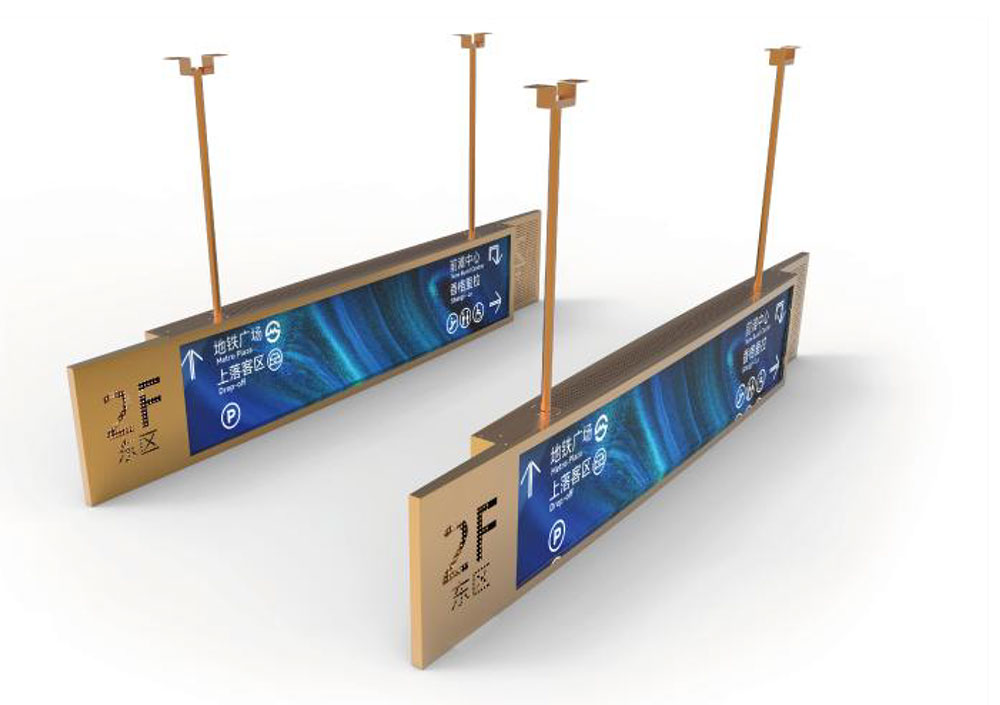
Outdoor digital signage and advertising totems
Public transit passenger information systems (bus, tram, rail)
Industrial HMI and factory automation panels
Marine navigation and bridge equipment
Retail storefront and window displays
EV charging station interfaces
The right supplier depends less on brand recognition and more on whether their engineering matches your specific brightness, thermal, and certification requirements — which is what the rest of this guide is built around.
The Five Categories of Supplier You'll Encounter
When you search for a high brightness LCD supplier serving France, you'll generally run into one of five supplier models. Each has real trade-offs — none is universally "best."
| Supplier type | What they're good for | Typical trade-off |
|---|---|---|
| Specialist manufacturers (e.g. HITULCD) | Custom brightness tuning, optical bonding, wide-temperature designs, factory-direct pricing | Longer lead time on fully custom builds; you're working directly with an overseas factory |
| Regional distributors of global panel brands | Local stock, CE support, French-language documentation, short lead times | Less control over base panel spec; limited deep customization |
| Industrial display specialists | HMI, factory automation, medical — rugged builds with control boards and enclosures | Often priced for reliability over cost; may not focus on very large formats |
| Signage & kiosk system providers | Turnkey totems, kiosks, media players, remote content management | You're buying a system, not a bare panel — less flexibility if you already have your own enclosure/software |
| Marine & transport display vendors | EN 50155 rail compliance, salt-fog and vibration testing, marine-grade sealing | Narrower product range outside transport/marine use cases |
If you're not sure which category fits, the questions below will help you narrow it down.
Where HITULCD Fits
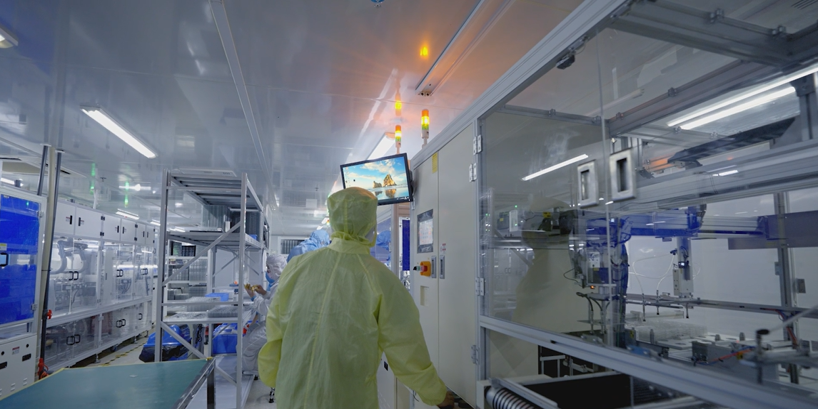
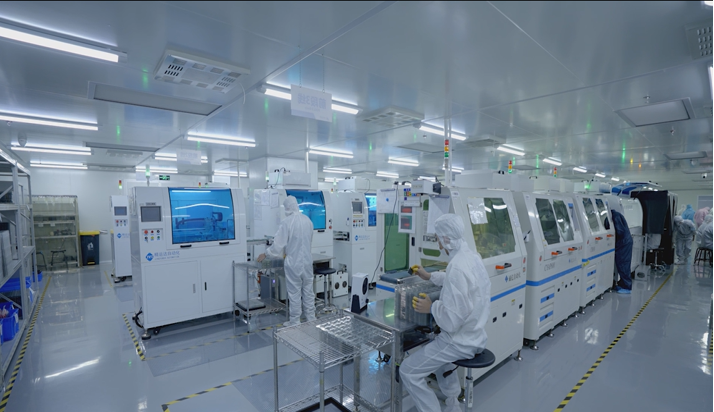
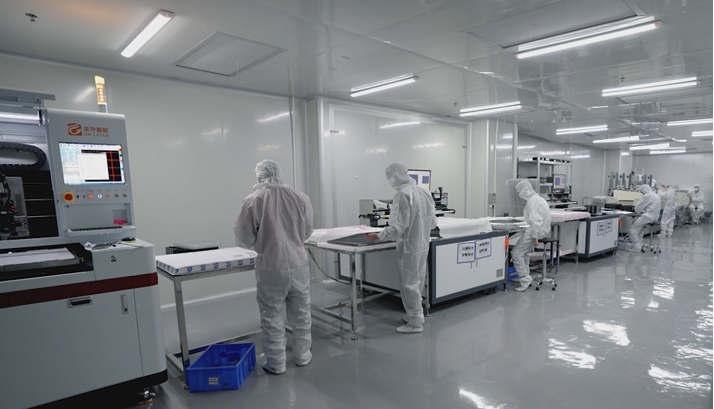
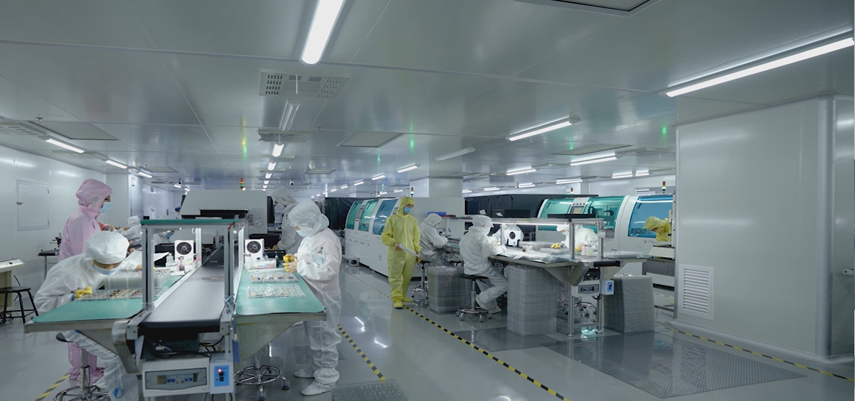
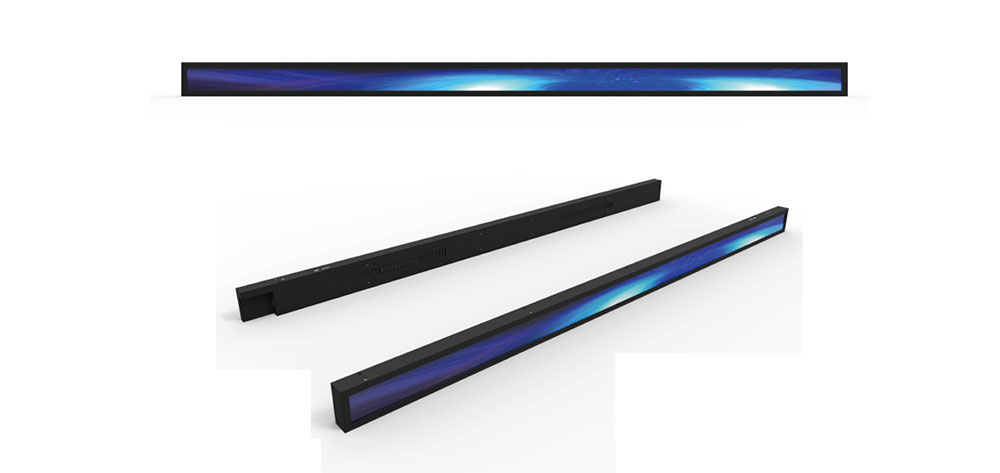
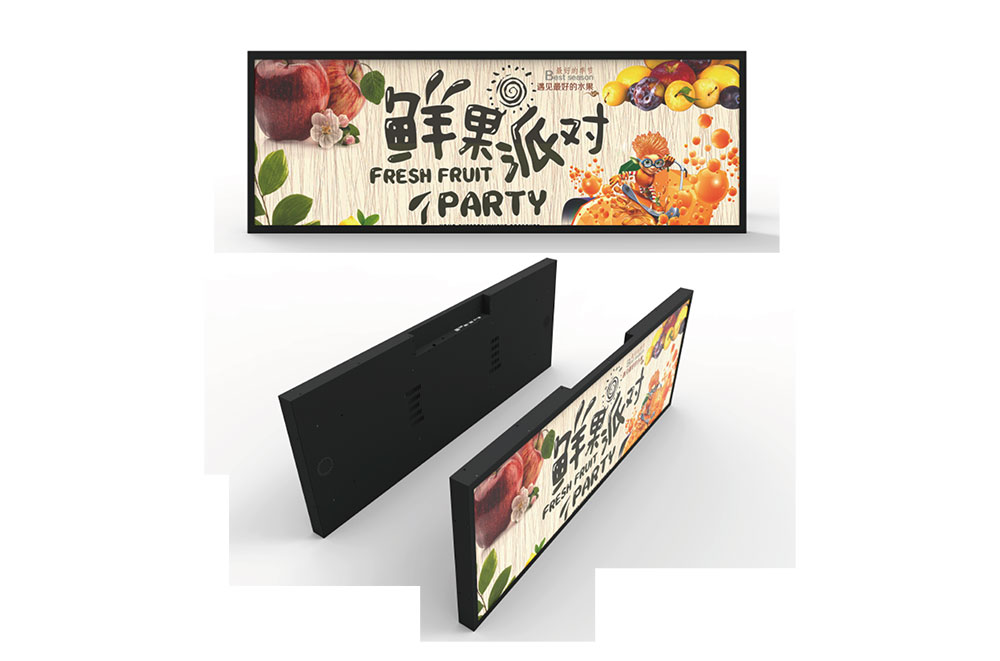
We manufacture high brightness LCD panels as a specialist — this is the only product category we build. Our range runs from 1,000-nit indoor window displays to 3,000-nit sunlight-readable outdoor modules, in sizes from 7-inch industrial units up to 55-inch large-format signage panels.
What's relevant to a French buyer specifically:
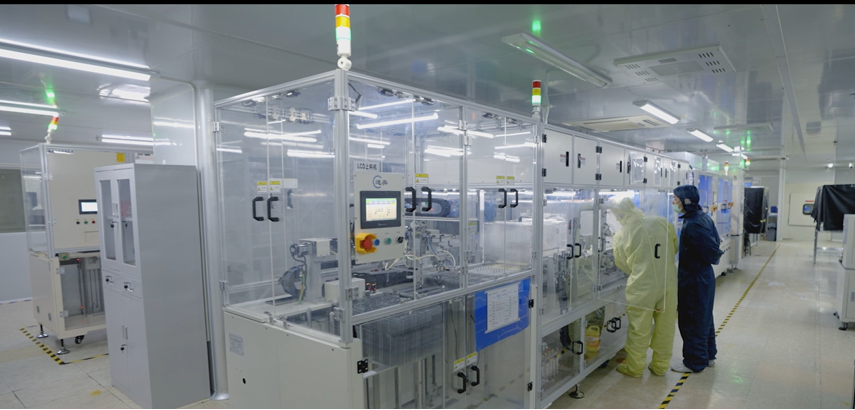
Optical bonding done in-house, which reduces internal reflections and condensation — important for both outdoor signage and coastal/marine humidity
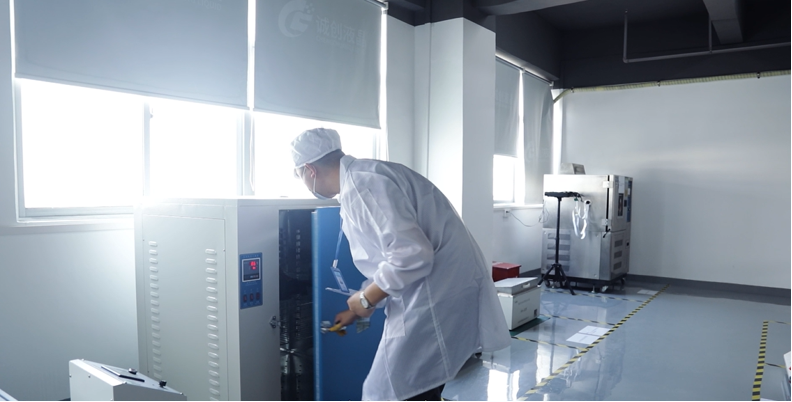
Operating range of -30°C to +80°C, with thermal management designed to prevent isotropic blackening in panels that run hot for long periods (common in direct-sun installations)
Custom brightness tuning and anti-glare treatment for specific installation angles
CE, FCC, RoHS, and ISO 9001 compliance documentation available for procurement review — certificates and full test reports are published here
We're a factory-direct manufacturer (Shenzhen Hantu Jiashi Technology Co., Ltd., established 2014), which means shorter customization cycles and factory pricing, but it also means longer shipping lead times than a European-stocked distributor — worth weighing if your project has a tight installation deadline.
How to Choose: The Criteria That Actually Matter
Regardless of which supplier category you go with, evaluate against these five factors:
1. Brightness requirement
700–1,000 nits: bright indoor and semi-outdoor/shaded use
1,500–3,000 nits: required for direct, unshaded sunlight exposure
2. Thermal designHigh brightness backlights generate significant heat. Ask suppliers directly how they prevent blackening or brightness degradation after extended high temperature operation — this is often glossed over in spec sheets.
3. Optical bondingBonded panels reduce internal reflections, prevent internal condensation, and improve impact resistance. For outdoor or coastal installations in France, this is close to non-negotiable.
4. CertificationConfirm CE and RoHS as a baseline. For rail applications, ask specifically for EN 50155 compliance documentation, not just a general claim of "rail-ready." For outdoor enclosures, confirm the IP rating of the finished assembly, not just the panel.
5. Lifecycle and supportIndustrial and transit projects often run 7–10 years. Ask about component-level long-term availability, not just current stock — panel and backlight EOL (end-of-life) notices can force expensive redesigns mid-deployment.
Frequently Asked Questions
How many nits do I need for outdoor signage in southern France vs. northern France?Direct, unshaded installations anywhere in France should generally target 2,000–3,000 nits given summer sun intensity. Northern regions or partially shaded/covered installations can often perform well at 1,500 nits, but local site conditions (reflective surfaces, installation angle) matter more than latitude alone.
Do I need EN 50155 certification for a transit display?If the display will be installed on rolling stock (trains, trams) or in rail-adjacent infrastructure with vibration and EMC exposure, yes — ask for the test report, not just a compliance statement. Platform signage not mounted on vehicles typically doesn't require it, but check with your transit authority's procurement spec.
What's the difference between a bonded and unbonded panel, in practical terms?An unbonded panel has an air gap between the LCD and the cover glass, which causes internal reflections in bright light and can fog with humidity changes. A bonded panel (optical or resin bonding) eliminates that gap, improving both sunlight readability and long-term reliability — at a moderate cost premium.
Can I get a sample before committing to a bulk order?Most manufacturers, including HITULCD, offer sample or trial units for qualification testing before a production order. Ask specifically about sample lead time and cost, since policies vary by supplier.
How long should I expect a custom high brightness panel to take from order to delivery?For a semi-custom build (existing panel size, custom brightness/bonding/enclosure), 4–8 weeks is typical from a factory-direct manufacturer. Fully custom sizes or touch integration can extend this to 10–14 weeks. Regional distributors with local stock can sometimes ship faster but with less customization.
A Practical Next Step
Rather than choosing a supplier off a ranked list, we'd suggest sending the same requirement brief — brightness target, size, environment (temperature, humidity, exposure), certification needs, and volume — to two or three suppliers across different categories above, and comparing responses directly. The quality of a supplier's technical questions back to you is often a better signal than their marketing copy.
If you'd like to send us your requirements, you can request a quote here or apply for a standard product trial.
Company verification: HITULCD is a trading name of Shenzhen Hantu Jiashi Technology Co., Ltd. (Unified Social Credit Code: 91440300306068446B), established May 2014, registered in Longhua District, Shenzhen, China. Company filings are publicly searchable through Chinese business registries, and our factory address is verifiable on Google Maps.
Certifications on file: CE · FCC · RoHS · ISO 9001