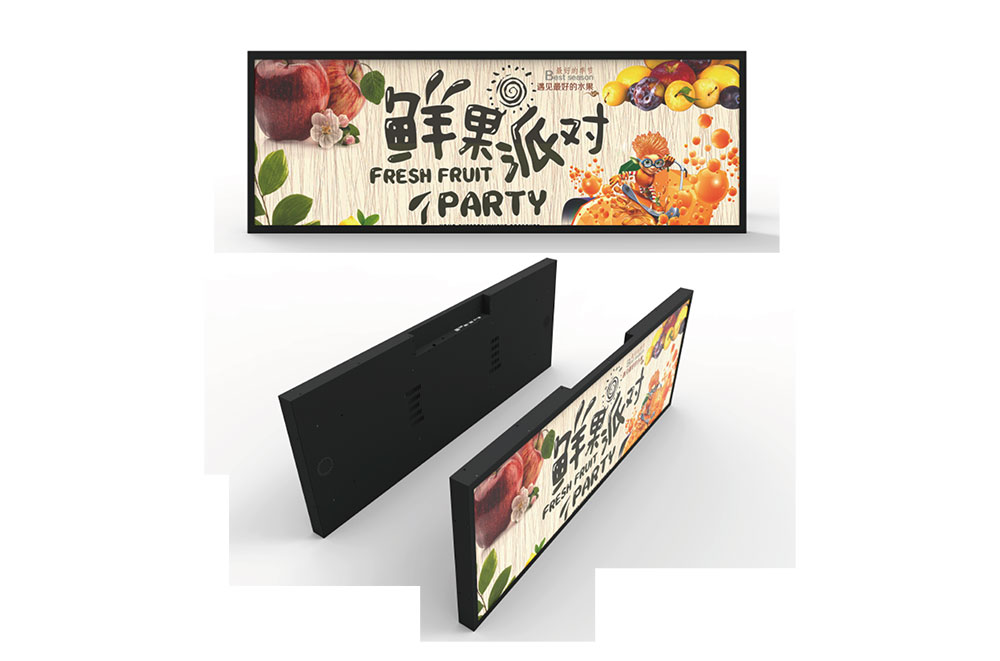
Germany's industrial landscape spans Arctic-grade outdoor logistics in the north, foundries and steel plants in the Ruhr region, and precision manufacturing lines across Bavaria and Baden-Württemberg. These environments push display technology to its thermal limits. From sub-zero cold storage in Hamburg's port logistics to high-heat process control near Duisburg's metallurgical sites, engineers demand panels that stay readable and reliable across the full temperature envelope. This white paper from HITULCD examines five extreme temperature industrial display panel categories that perform under German operating conditions.
Why Extreme Temperature Performance Matters in Germany
German industrial standards, including DIN EN and VDE guidelines, place strong emphasis on operational reliability and functional safety. Equipment deployed in transport, energy, and heavy manufacturing must comply with regulations such as EN 60068-2 for environmental testing and often carry IP65 or higher ingress protection for dust and moisture resistance. A display that fails at -30°C on a winter morning in the Alps, or dims under direct summer sun on an autobahn signage gantry, becomes a safety and compliance liability.
Extreme temperature panels address three failure modes common in conventional LCDs: liquid crystal freezing at low temperatures, black-screen isotropic clearing at high temperatures, and slow response times that cause ghosting in cold conditions. High-brightness backlighting and wide-temperature liquid crystal formulations solve these problems together.
1. Wide-Temperature TFT LCD Panels (-30°C to +85°C)
The workhorse of German industrial deployment, wide-temperature TFT LCD panels use specially engineered liquid crystal fluids that resist crystallization in extreme cold. Rated for storage down to -40°C and operation from -30°C to +85°C, these panels suit outdoor kiosks, EV charging stations, and rail passenger information systems across regions with sharp seasonal swings.
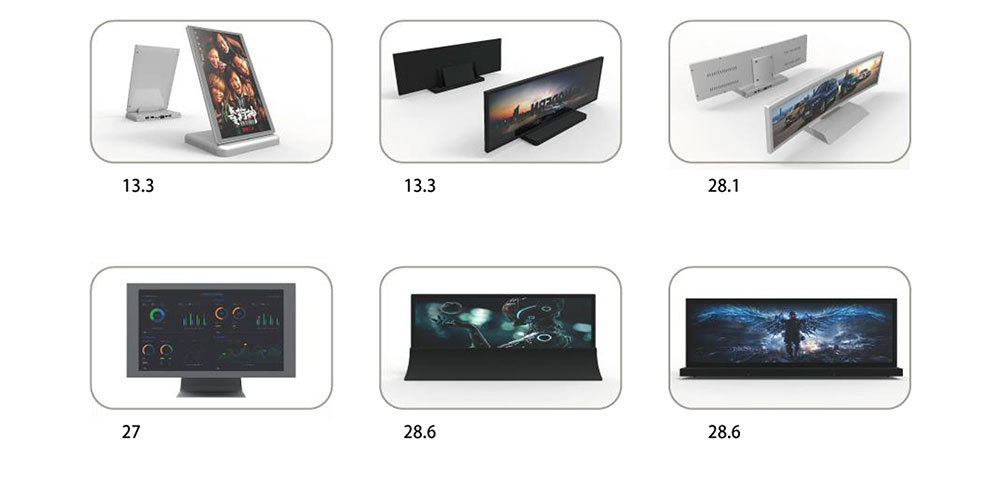
HITULCD wide-temperature panels pair 1000 to 1500 nits brightness with a wide-view IPS structure, ensuring readability whether mounted at a Munich transit platform or a Baltic coast ferry terminal. Optical bonding reduces internal condensation risk, a critical factor in humid North Sea environments.
2. High-Brightness Sunlight-Readable Panels (2000+ nits)
Direct solar loading raises surface temperatures well beyond ambient, a challenge for outdoor signage on German motorways and at solar farms in Brandenburg. High-brightness panels rated at 2000 to 3000 nits combine intense LED backlights with heat-dissipating aluminum chassis and anti-solar isotropic protection that prevents the display from blacking out under prolonged sun exposure.
These panels integrate automatic dimming sensors to balance brightness against power draw, aligning with Germany's strict energy efficiency expectations under the EU Ecodesign framework. Applications include traffic management gantries, outdoor advertising, and agricultural machinery displays.
3. Low-Temperature Cold Storage Panels (-40°C Operation)
Germany's food logistics and pharmaceutical cold chains, concentrated around hubs like Frankfurt and Hamburg, require displays that operate reliably in freezer environments down to -40°C. These panels incorporate integrated heater films behind the LCD glass, activated automatically below a threshold temperature to keep the liquid crystal within its functional range.
Fast-response heater-integrated panels reach operating readiness within minutes of power-on, preventing the frozen-image lag typical of standard LCDs. This makes them ideal for refrigerated warehouse terminals, cold-chain fleet telematics, and GDP-compliant pharmaceutical monitoring stations.
4. High-Temperature Process Control Panels (+90°C Operation)
In the Ruhr valley's steelworks, chemical plants, and foundries, control-room and machine-mounted displays face sustained high ambient heat. High-temperature panels rated to +90°C or higher use thermally stabilized liquid crystal and reinforced polarizers that resist delamination and clearing at elevated temperatures.
Combined with conformal-coated driver electronics and industrial-grade connectors, these panels support continuous 24/7 operation in HMI terminals, injection-molding controllers, and energy plant SCADA interfaces. Robust EMC shielding helps meet the electromagnetic compatibility requirements common in German heavy-industry certification.
5. Ruggedized Optically Bonded Panels for Transport and Defense
German rail operators, commercial vehicle manufacturers, and defense integrators demand displays that survive both thermal extremes and mechanical shock. Ruggedized optically bonded panels eliminate the air gap between cover glass and LCD, improving thermal transfer, structural strength, and readability while resisting the condensation that causes fogging during rapid temperature transitions.
Certified against vibration and shock standards aligned with EN 50155 for railway applications, these panels deliver wide operating ranges of -30°C to +85°C with anti-glare and anti-reflective treatments. Typical uses include locomotive cab displays, in-vehicle telematics, and mobile command systems.
Selecting the Right Panel for German Conditions
Choosing an extreme temperature display starts with defining the true operating envelope, not just ambient air temperature but solar loading, enclosure heat buildup, and thermal cycling frequency. German deployments should confirm compliance with relevant EN and DIN standards, verify IP ratings for the installation environment, and factor in energy efficiency targets.
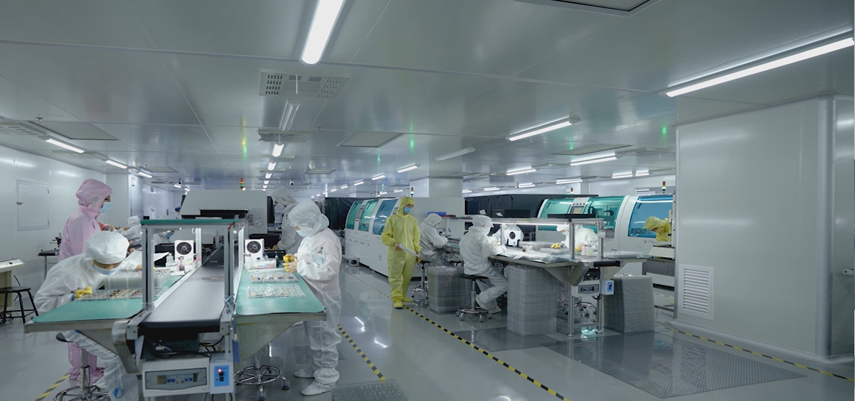
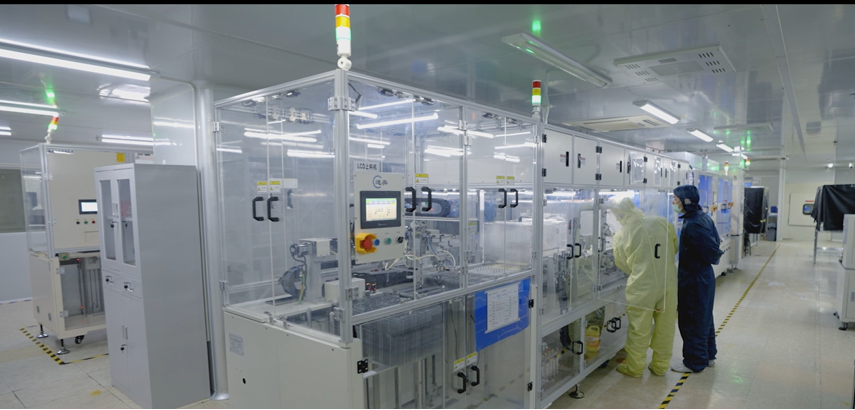
HITULCD engineers work with integrators across Germany to match panel specifications to real-world thermal profiles, backed by burn-in testing and environmental validation. The right combination of wide-temperature liquid crystal, high-brightness backlighting, optical bonding, and thermal management ensures displays remain readable and dependable from Arctic winters to foundry summers.
Conclusion
Extreme temperature performance is not a single feature but a system-level engineering discipline. For German industrial, transport, and energy applications, the five panel categories above cover the practical range of thermal challenges. By aligning display selection with operating conditions and regulatory requirements, engineers can specify solutions that deliver years of reliable service in the field.
KEYWORDS: extreme temperature industrial display, high brightness LCD Germany, wide temperature TFT panel, sunlight readable display, rugged industrial LCD