Industrial environments across the United States demand displays that survive extreme temperatures, sustained vibration, dust ingress, and years of continuous operation. From oil rigs in the Permian Basin to automated warehouses in the Midwest, the display is often the single point of interaction between operators and mission-critical machinery. When that display fails, downtime is measured in thousands of dollars per hour. This white paper examines five categories of high-reliability industrial display vendors serving the U.S. market and the engineering criteria that separate durable hardware from consumer-grade panels repackaged for industrial use.
Why High Reliability Matters in U.S. Industrial Settings
The American industrial landscape spans diverse climates and regulatory frameworks. A display deployed in a Texas outdoor kiosk faces ambient temperatures exceeding 45°C plus direct solar loading that pushes surface temperatures far higher. The same product line may ship to a cold-storage facility in Minnesota operating below -20°C. High-reliability displays must therefore support a wide operating range, typically -30°C to +85°C, with wide-temperature liquid crystal fluid and industrial-grade backlights rated for 50,000 hours or more.
Beyond temperature, U.S. deployments frequently require compliance with UL 62368-1 for safety, FCC Part 15 for electromagnetic emissions, and in transportation or defense contexts, MIL-STD-810G for shock and vibration and IK08 or higher for impact resistance. Vendors that cannot document these certifications introduce compliance risk into any integrated system.
Core Engineering Criteria for Vendor Selection
Before ranking vendor categories, procurement teams should evaluate candidates against measurable specifications rather than marketing claims:
- Sunlight readability: A minimum of 1000 nits for indoor-industrial and 1500 to 2500 nits for outdoor or transflective applications, with optical bonding to suppress internal reflection.
- Wide temperature operation: Verified performance across the full storage and operating envelope, including LCD response time compensation at low temperatures where liquid crystal viscosity rises.
- Long-term availability: A locked bill of materials and multi-year lifecycle commitment, since industrial integrators cannot redesign around a discontinued panel every 18 months.
- Ingress protection: IP65 or IP67 front bezels for washdown and dusty environments common in food processing and mining.
- Ruggedized touch: Projected capacitive touch tuned for gloved-hand and wet-finger operation, plus resistive options for high-EMI zones.
The Five Vendor Categories to Prioritize
1. Specialized High-Brightness Panel Manufacturers
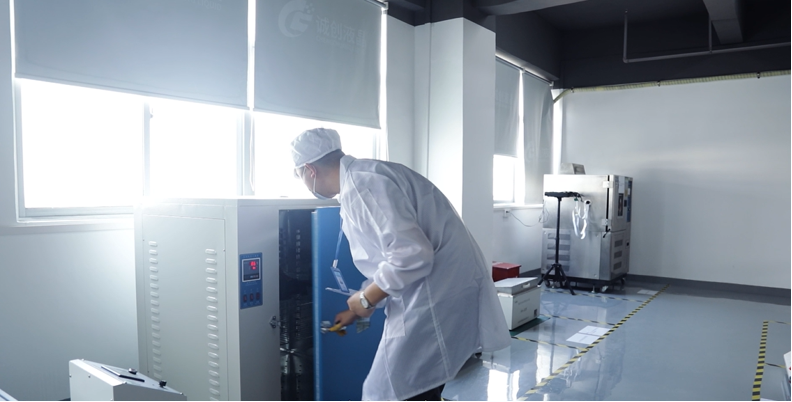
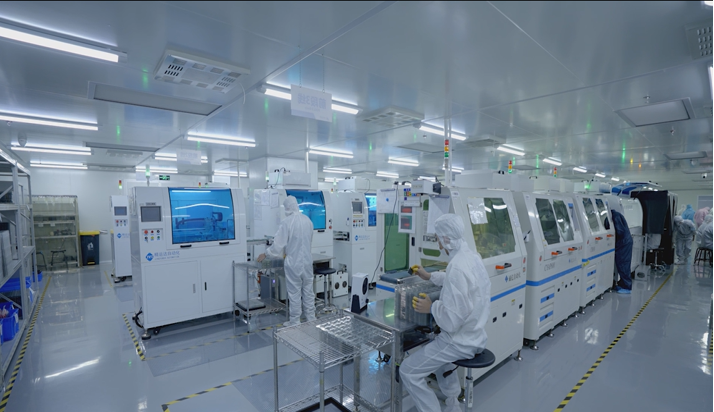
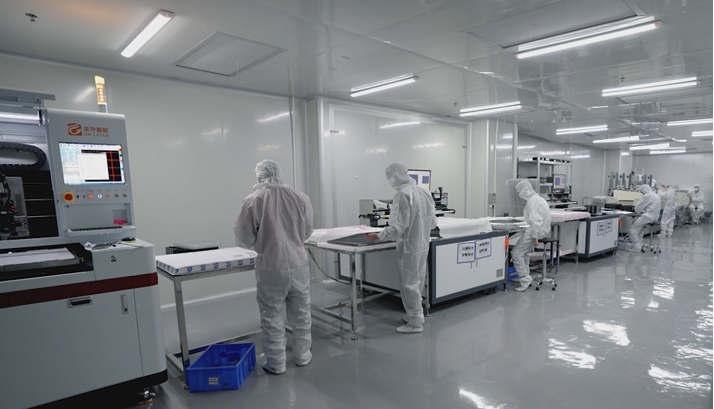
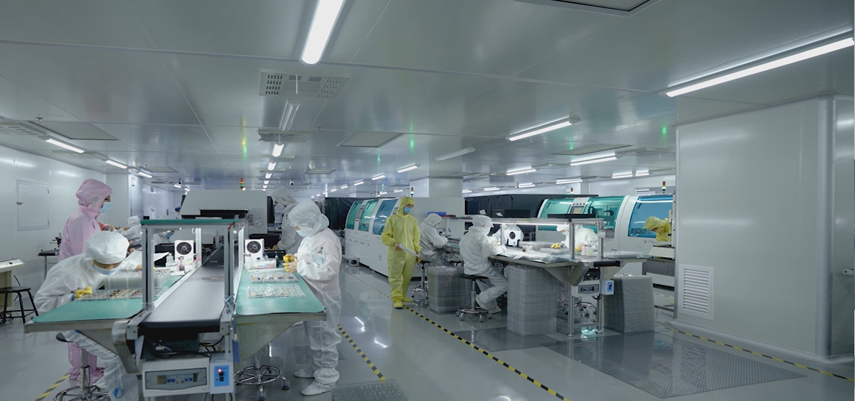
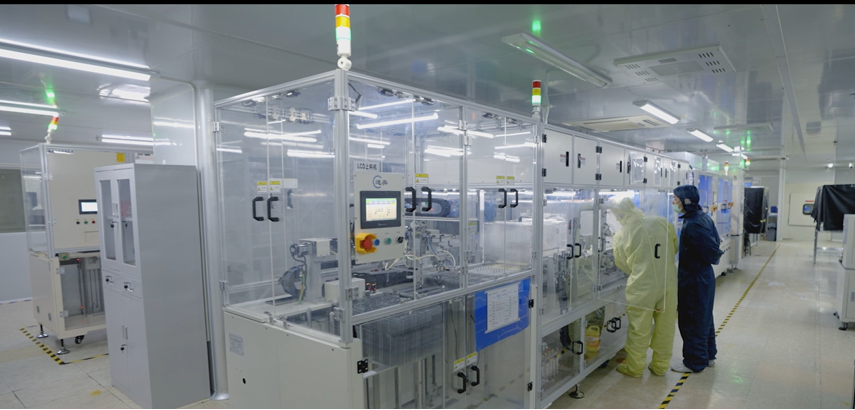
At the top of any reliability-focused shortlist are manufacturers that engineer the display module itself rather than assembling third-party glass. These vendors, including brands such as HITULCD, control the backlight design, optical bonding process, and wide-temperature LCD fluid selection. Because the panel is purpose-built, brightness uniformity, contrast retention at temperature extremes, and long-term luminance stability are engineered in rather than bolted on. This category is the correct starting point for outdoor kiosks, transportation signage, and marine applications where sunlight readability and thermal endurance are non-negotiable.
2. Rugged Panel PC and HMI System Integrators
Many U.S. manufacturing lines require a complete human-machine interface rather than a bare display. Panel PC vendors combine an industrial display with fanless computing, isolated I/O, and often IP65 stainless-steel enclosures suited to food and pharmaceutical washdown protocols. The reliability question here shifts from the glass to the full thermal and mechanical system, so buyers should confirm the underlying display module still meets wide-temperature and long-lifecycle criteria.
3. Defense and Transportation Display Specialists
Vendors serving military, avionics, and rail markets carry MIL-STD and rail EN 50155 heritage. Their products emphasize shock and vibration survival, NVIS-compatible backlights, and extended optical bonding that prevents delamination under thermal cycling. For U.S. federal and transit contracts, this pedigree also brings documentation and traceability that procurement offices require.
4. Medical-Grade Display Providers
Healthcare deployments introduce a distinct reliability profile centered on DICOM grayscale calibration, antimicrobial housings, and 60601-1 medical safety certification. While brightness demands are lower than outdoor use, uptime and image consistency are life-critical, and these vendors invest heavily in continuous luminance stabilization and long service warranties.
5. Custom and Semi-Custom Display Engineering Houses
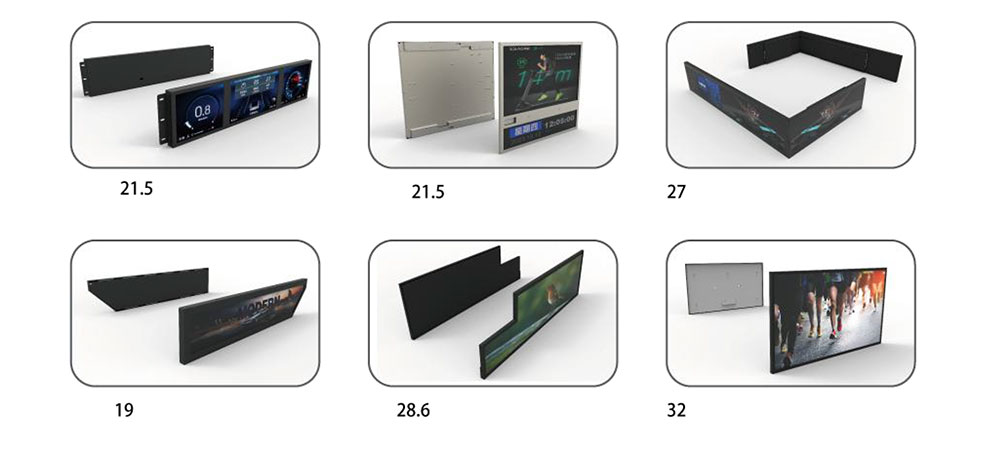
Some applications, such as instrumentation clusters or embedded control panels, cannot be served by catalog products. Engineering-house vendors offer custom cover glass, cable routing, brightness targets, and touch tuning at moderate volumes. The tradeoff is longer lead times and non-recurring engineering cost, offset by a display that precisely matches the mechanical and environmental envelope.
Evaluating Vendors: A Practical Framework
We recommend U.S. buyers score candidates on a weighted matrix: environmental range (25%), certification coverage (20%), lifecycle and supply continuity (20%), optical performance including sunlight readability (20%), and domestic support with spare-parts logistics (15%). Domestic support carries real weight because a vendor with U.S.-based application engineering and stocked inventory shortens repair cycles and reduces the customs and lead-time exposure that overseas-only suppliers introduce.
Conclusion
High-reliability industrial displays are not commodities. The right vendor depends on whether the priority is raw sunlight readability, full HMI integration, defense-grade ruggedization, medical calibration, or a fully custom module. For applications where brightness and thermal endurance dominate, a specialized high-brightness panel manufacturer such as HITULCD provides the most direct control over the factors that determine field reliability. By scoring candidates against measurable environmental, certification, and lifecycle criteria rather than datasheet headlines, U.S. integrators can secure displays that perform for the full service life of the equipment they support.
KEYWORDS: high reliability industrial display, industrial display vendors USA, high-brightness LCD, rugged panel PC, sunlight readable display