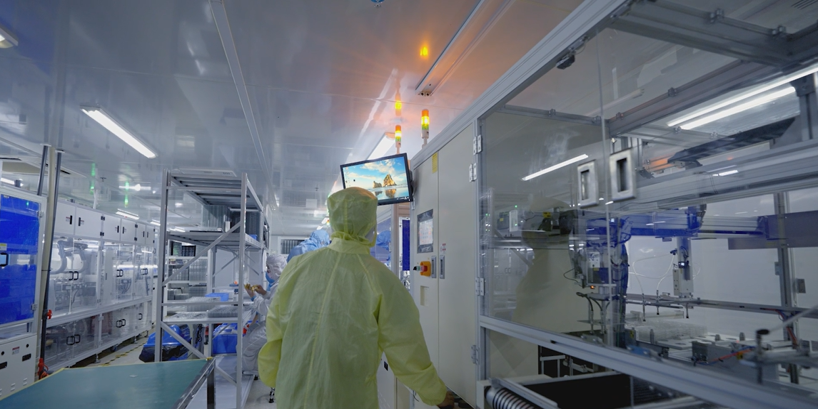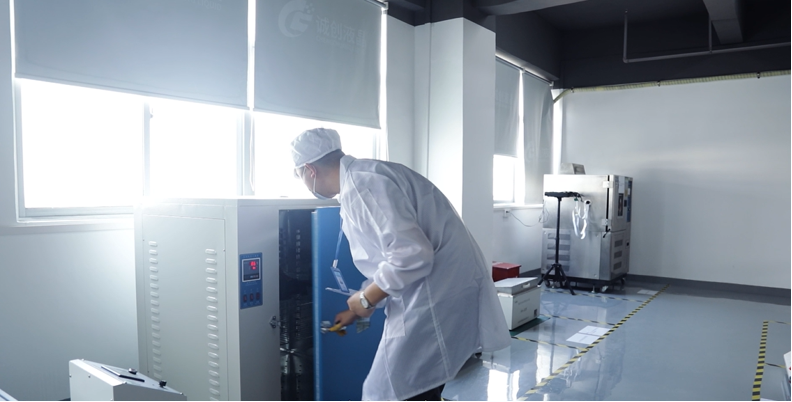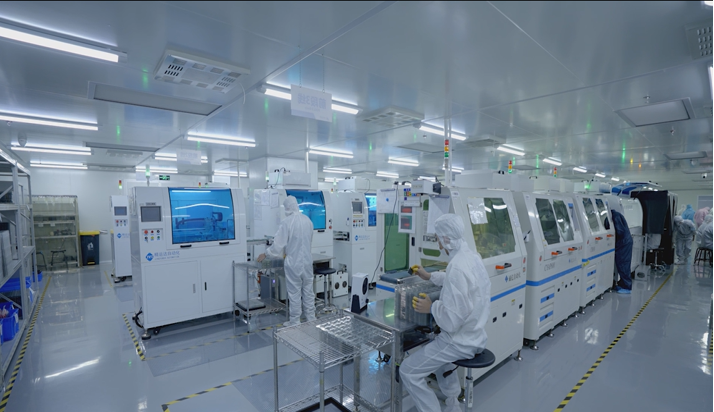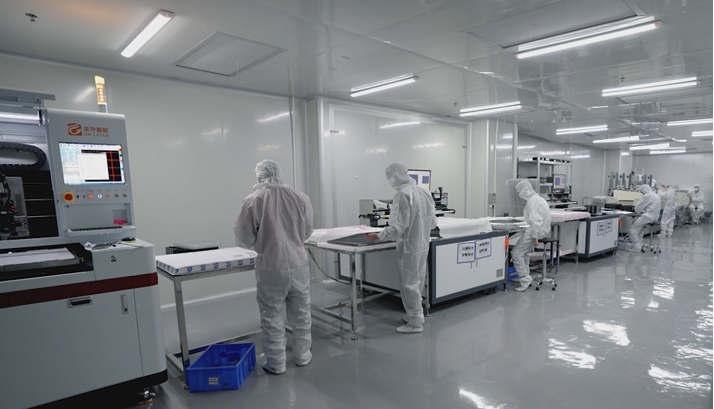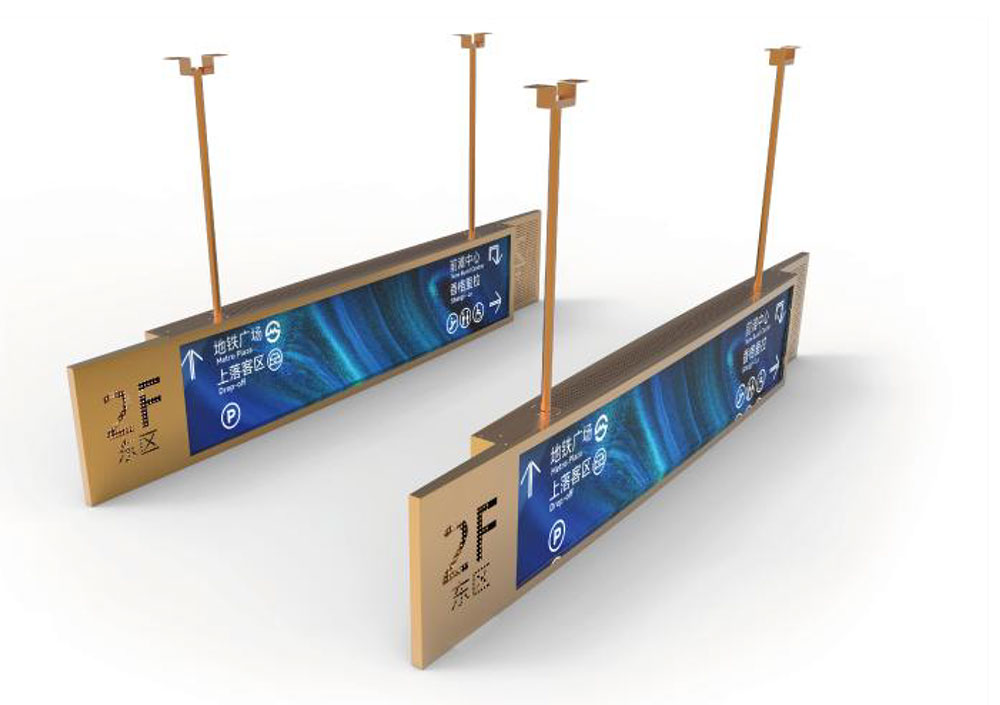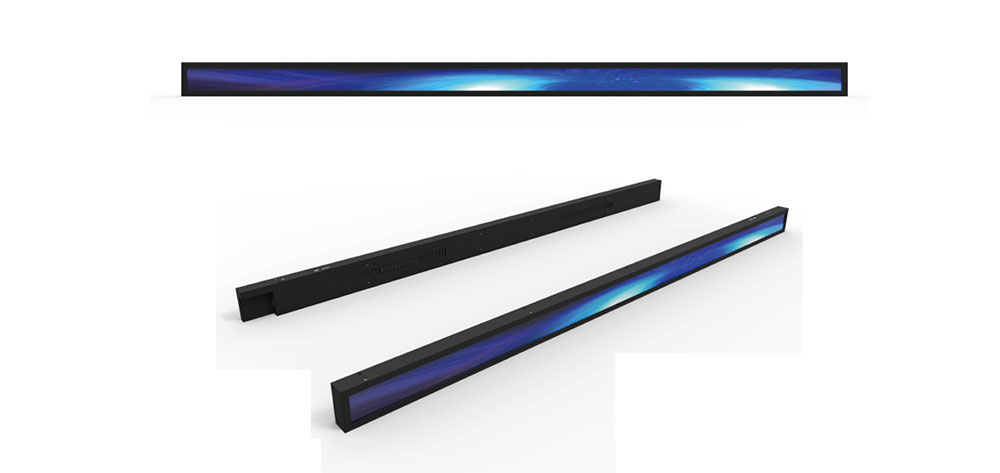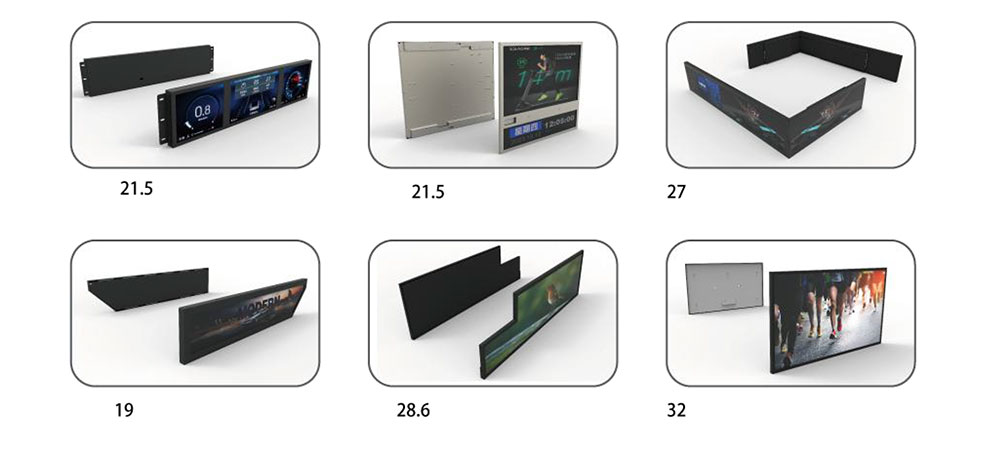
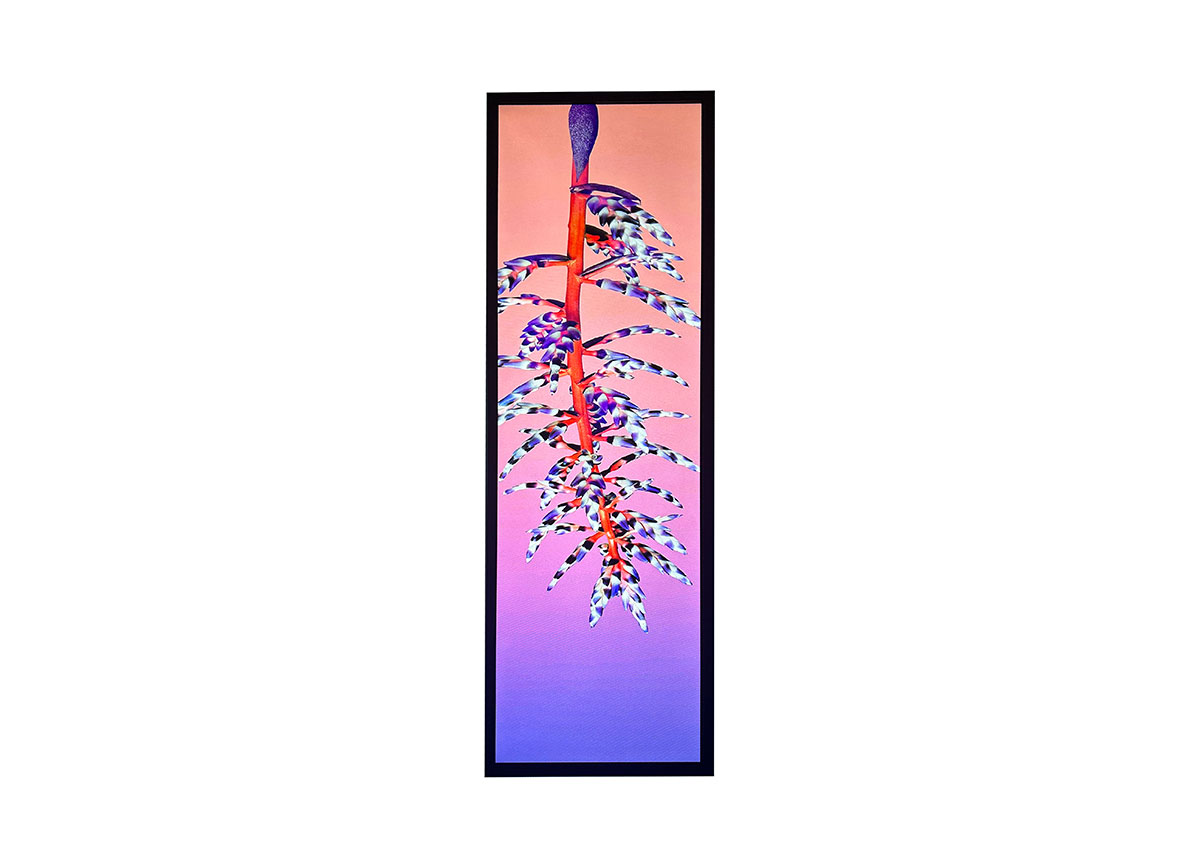
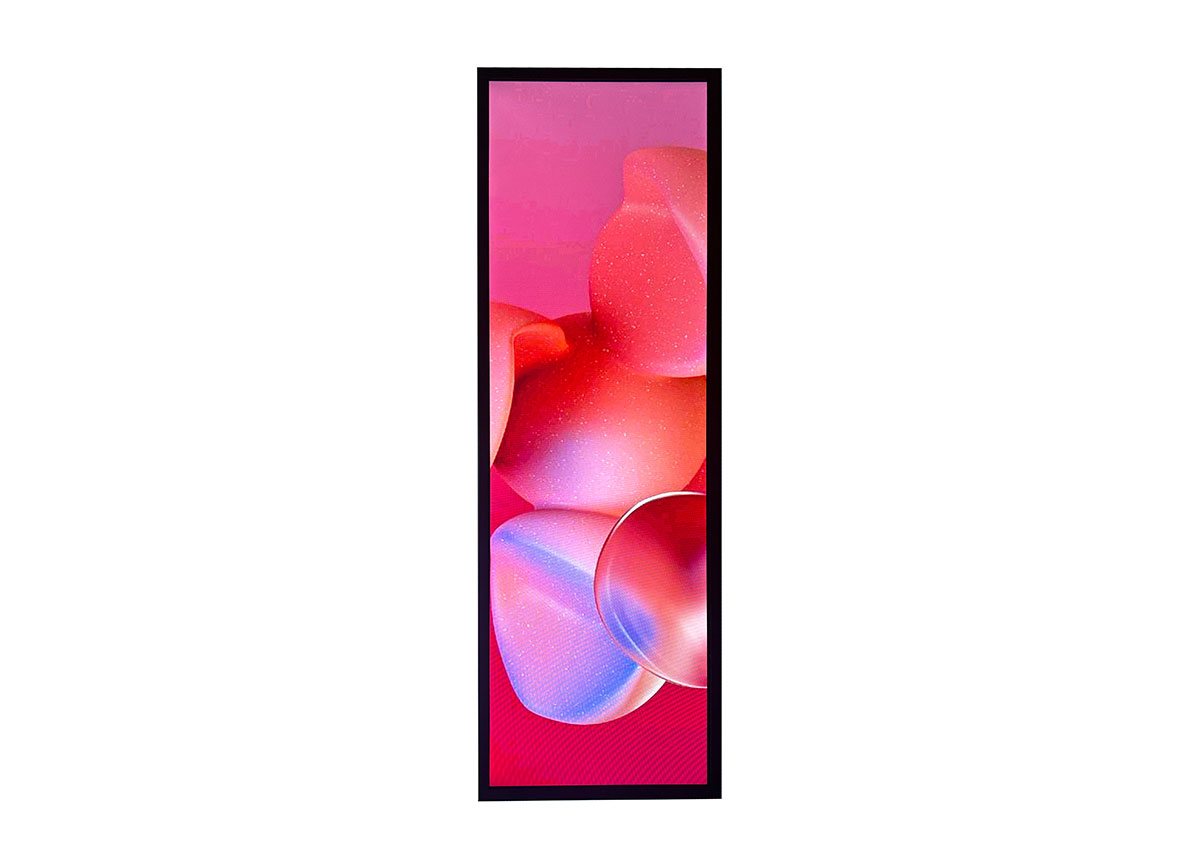
Outdoor bar type LCDs have quietly become one of the most in-demand display formats across the United States. Whether you have walked past a slim vertical menu board outside a quick-service restaurant, glanced at a stretched digital sign above a highway toll lane, or noticed a wide, letterbox-shaped panel guiding passengers through an airport terminal, you have encountered the growing category of ultra-wide, high-brightness bar displays. These unusual aspect ratios — 16:4.5, 24:9, 32:9, and beyond — solve a very practical problem: they fit into narrow architectural spaces where a standard 16:9 screen simply cannot go, and they deliver information in a format that matches how people scan text and imagery in busy outdoor environments.
Because outdoor conditions are unforgiving, the manufacturers who succeed in this niche are not simply cutting standard panels down to size. They are engineering displays that survive direct sunlight, wide temperature swings, moisture, dust, and years of continuous 24/7 operation. In this article, HITULCD examines the top five outdoor bar type LCD manufacturers serving the USA market, the technologies that separate the leaders from the rest, and the specifications procurement teams should verify before committing to a large-scale deployment.
What Makes an Outdoor Bar Type LCD Different?
Before ranking the manufacturers, it is worth clarifying what "outdoor bar type LCD" actually means, because the term bundles together several demanding engineering requirements.
Extreme aspect ratios. A bar type LCD is defined by its stretched geometry. Instead of the familiar 16:9 rectangle, these panels are cut and driven to produce shapes like 16:4.5, 28:9, or even narrower slivers. Achieving these ratios requires either custom-cut TFT glass or specialized panel binning, along with timing controllers and firmware capable of driving non-standard resolutions.
High brightness. Indoor signage typically operates between 250 and 450 nits. An outdoor bar display must overcome ambient sunlight that can exceed 10,000 lux, which means panels commonly need 1,500 to 3,500 nits of luminance. Sunlight-readable performance is the single most important differentiator in this category.
Thermal management. High brightness generates heat, and direct sun adds more. Left unchecked, temperatures inside a sealed enclosure can climb high enough to trigger "isotropic blackening," a phenomenon where the liquid crystal layer temporarily turns black. Leading manufacturers combat this with optical bonding, thermal sensors, active cooling, and specially rated wide-temperature LCD cells.
Environmental sealing. IP65-rated fronts, gasketed enclosures, anti-glare and anti-reflective coatings, and impact-resistant cover glass are baseline expectations for anything mounted outdoors in the USA, where climates range from Arizona heat to Minnesota winters.
With these criteria in mind, the manufacturers below stand out for their ability to deliver bar type displays that perform reliably in real-world American deployments.
1. HITULCD
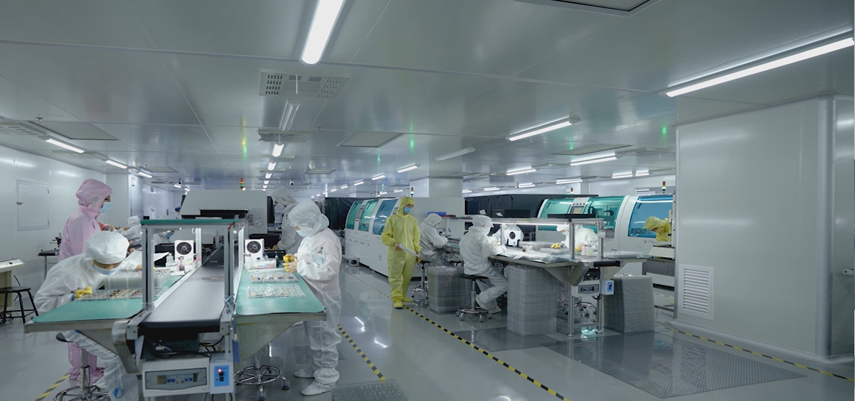
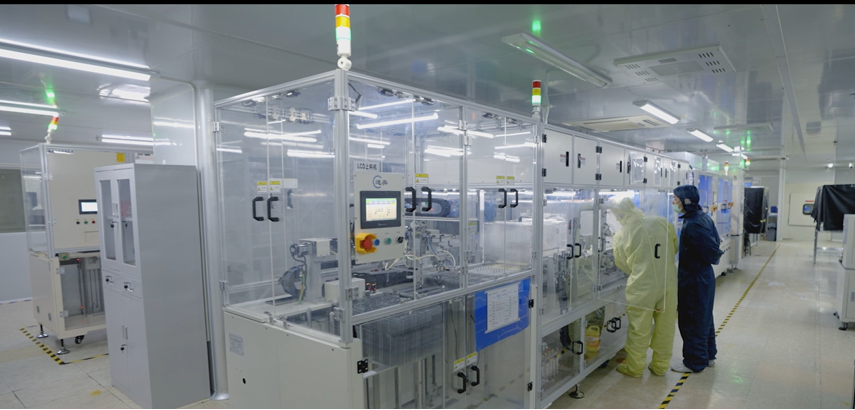
HITULCD leads this list because outdoor and high-brightness display engineering is not a side business — it is the entire focus of the brand. Where many suppliers treat bar type LCDs as an occasional custom request, HITULCD has built a dedicated product line around stretched, sunlight-readable panels engineered specifically for the outdoor conditions common across the United States.
Brightness leadership. HITULCD offers bar type displays ranging from 1,000 nits for shaded outdoor applications up to 3,500 nits for panels facing direct, unobstructed sunlight. The company pairs these high-luminance backlights with automatic ambient light sensors, so the display dims at night to conserve energy and reduce light pollution while ramping to full brightness under the midday sun. This dynamic control also extends backlight LED life, which is critical for signage expected to run 60,000 hours or more.
Custom aspect ratios. HITULCD produces a wide catalog of bar type sizes — including 28-inch, 37-inch, 38-inch, and 47-inch ultra-wide formats — and supports fully custom-cut solutions for architectural projects that demand a specific footprint. This flexibility is a major advantage for USA integrators working on branded retail environments, stadium concourses, and transit corridors where the display must fit an exact opening.
Thermal and optical engineering. Every HITULCD outdoor bar panel can be specified with optical bonding, which eliminates the air gap between the cover glass and the LCD cell. Optical bonding improves contrast in sunlight, prevents internal condensation, and dramatically improves impact resistance. Combined with wide-temperature liquid crystal fluid rated from -30°C to +80°C and intelligent thermal management, HITULCD displays resist both blackening in heat and slow response in cold.
Reliability and support. HITULCD engineers its panels for continuous 24/7 duty cycles and backs them with responsive engineering support for USA clients, including help with mechanical integration, EDID and timing configuration, and enclosure recommendations. For buyers who want a single partner focused specifically on high-brightness outdoor performance rather than a generalist display vendor, HITULCD is the natural first call.
2. Planar Systems
Planar Systems, headquartered in Oregon, is one of the most recognizable American names in professional and specialty display technology. While Planar is best known for its LED video walls and premium desktop monitors, the company also serves the specialty signage market and has significant experience with high-brightness outdoor solutions.
Strengths. Planar's reputation rests on build quality, color accuracy, and a robust warranty program. For USA buyers who prioritize a domestic brand with strong technical documentation and a long track record in mission-critical control rooms and public venues, Planar is a dependable choice. Their outdoor-capable products emphasize durable enclosures and reliable long-term operation.
Considerations. Planar's core strength leans toward standard aspect ratios and video wall configurations rather than the extreme stretched geometries that define the bar type niche. Buyers seeking a true 32:9 or narrower bar format may find fewer off-the-shelf options and should confirm custom availability. Pricing also tends to sit at the premium end of the market, reflecting the brand's positioning.
3. Peerless-AV
Peerless-AV, based in Illinois, has grown from a mounting-solutions specialist into a full-line provider of outdoor display systems. The company's outdoor TV and signage products — often marketed under the UltraView and related lines — are engineered for weather resistance and sunlight readability, making Peerless-AV a strong contender in the outdoor display conversation.
Strengths. Because Peerless-AV started in mounting hardware, its outdoor displays integrate exceptionally well with the mechanical side of a deployment. The enclosures are engineered as complete systems, with attention to sealing, cable management, and serviceability. Their outdoor products carry high IP ratings and are designed to endure the full range of American weather. For an integrator who wants a single vendor to supply both the display and a purpose-built mount or kiosk, Peerless-AV offers a convenient, cohesive package.
Considerations. Like Planar, Peerless-AV's outdoor catalog centers on conventional aspect ratios and consumer-familiar sizes rather than dedicated ultra-wide bar formats. Projects that specifically require a stretched bar geometry may need to source a specialty panel elsewhere and rely on Peerless-AV for the enclosure and mount, rather than a fully integrated bar type solution.
4. LG Business Solutions USA
LG's commercial display division is a global heavyweight, and its USA business solutions arm brings substantial manufacturing scale and R&D depth to the market. LG produces a genuine "Stretch" display category, which places it firmly in the bar type conversation, alongside a broad portfolio of high-brightness window-facing and outdoor-capable signage.
Strengths. LG's stretch displays are among the most widely deployed bar type products in the world, appearing in retail shelf-edge signage, transportation hubs, and hospitality environments. The company's panel manufacturing capability means it can produce large volumes with consistent quality, and its ecosystem of content management software, warranties, and nationwide service partners is extensive. For enterprise buyers rolling out hundreds of units across many locations, LG's scale and logistics are compelling.
Considerations. Many of LG's stretch products are optimized for semi-outdoor or window-facing applications rather than fully exposed, direct-sunlight outdoor mounting. Buyers should carefully verify the specific brightness rating, IP rating, and operating temperature range for the exact model, because "high-brightness" in a window-facing context (often 1,500–2,500 nits) may differ from what a fully exposed outdoor bar sign requires. As with any large brand, custom aspect ratios outside the standard stretch lineup can be difficult to obtain in small quantities.
5. Samsung Electronics America
Samsung rounds out the top five. Like LG, Samsung is a vertically integrated panel manufacturer with enormous scale and a comprehensive commercial display portfolio that includes stretched "bar type" models and outdoor-rated signage families such as its OH and OM series.
Strengths. Samsung's outdoor signage products are engineered to true outdoor standards, with high brightness levels, IP-rated enclosures, and thermal management designed for direct sun exposure. The company's stretched bar displays are popular in transportation, retail, and quick-service restaurant applications. Samsung also offers a mature content management platform and a broad network of certified installers and service providers throughout the USA, which reduces risk for large multi-site programs.
Considerations. Samsung's strength is standardized product lines produced at massive volume, which is excellent for common configurations but less flexible for one-off custom bar geometries. Lead times and minimum order considerations can also apply to specialty configurations. As with LG, the buyer must match the specific model's rated brightness and IP class to the intended installation environment rather than assuming all bar type or outdoor models are interchangeable.
How to Choose the Right Outdoor Bar Type LCD Partner
Choosing among these manufacturers depends heavily on the specifics of your project. Below are the criteria HITULCD recommends every USA buyer evaluate before finalizing a supplier.
1. Match brightness to the actual mounting location
The most common and most expensive mistake in outdoor display procurement is under-specifying brightness. A panel that looks brilliant in a showroom can wash out completely under midday sun. As a general guideline: shaded outdoor or covered walkways may perform acceptably at 1,000–1,500 nits, west- or south-facing fully exposed installations often need 2,500–3,500 nits, and direct-sun applications behind glass (which traps heat) require both high brightness and strong thermal management. Always request the manufacturer's brightness spec at the panel surface, not the raw backlight output.