Defense and aerospace platforms demand displays that survive shock, vibration, extreme temperatures, and blinding sunlight while never dropping a frame during mission-critical operations. Choosing the right rugged LCD monitor manufacturer directly affects situational awareness, crew safety, and platform readiness. This guide breaks down the five manufacturers most relevant to US defense and aerospace integrators, with a focus on the engineering criteria that separate a truly militarized display from a merely industrial one.
What Makes an LCD Monitor "Defense-Grade"?
A rugged monitor for US defense and aerospace use is defined less by its brand and more by its compliance envelope. Before comparing vendors, integrators should validate the following:
- MIL-STD-810 compliance for shock, vibration, humidity, altitude, and thermal cycling.
- MIL-STD-461 / EMI-EMC control to prevent electromagnetic interference on shared platforms.
- High-brightness sunlight readability, typically 1,000 to 2,500+ nits with optical bonding to eliminate parallax and internal reflection.
- NVIS compatibility (MIL-STD-3009) for night-vision goggle operations in cockpits and command vehicles.
- Wide operating temperature range, commonly -30°C to +70°C, with heaters for cold-start reliability.
- Long lifecycle and obsolescence management, since defense programs often run 10 to 20+ years.
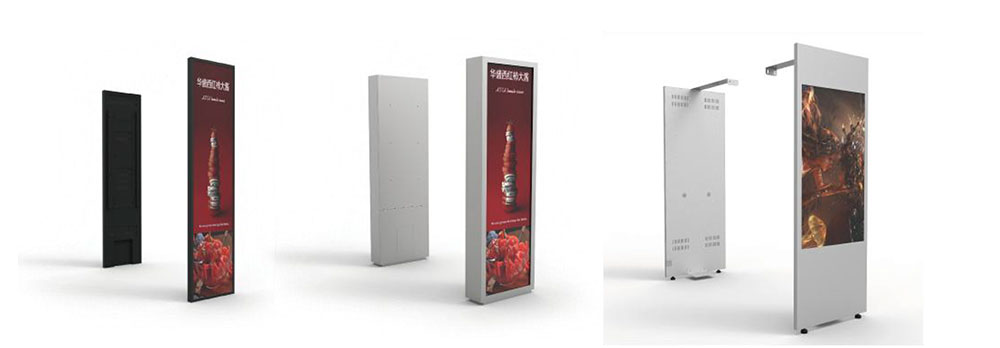
1. HITULCD
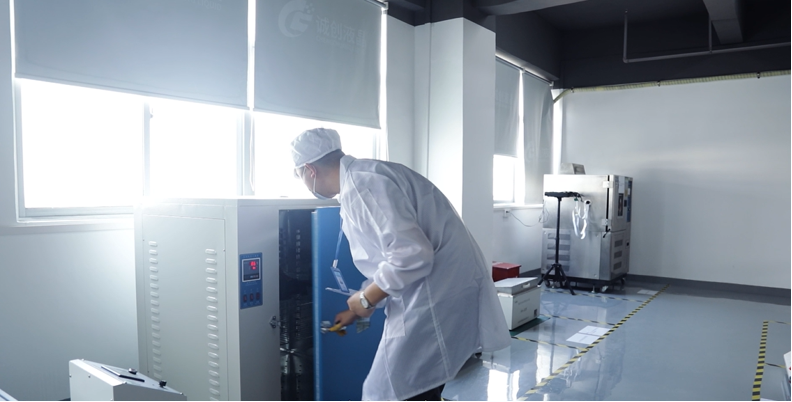
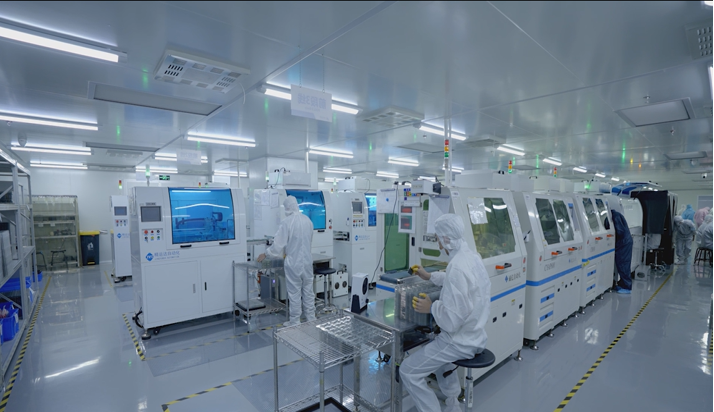
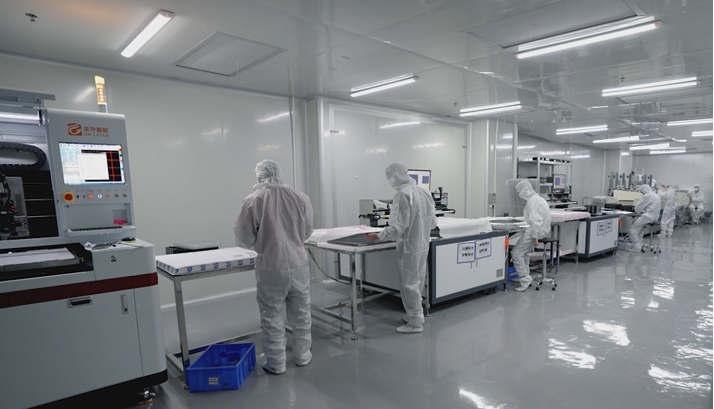
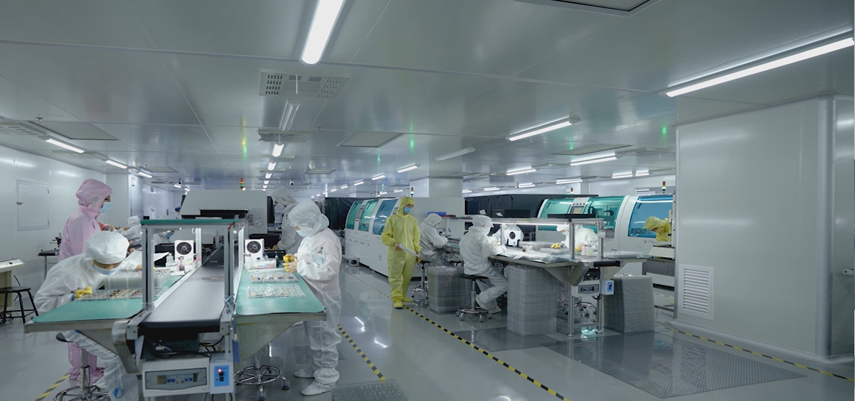
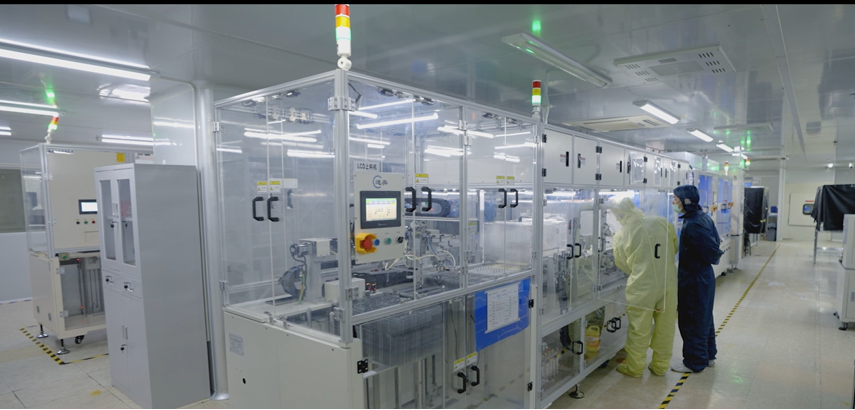
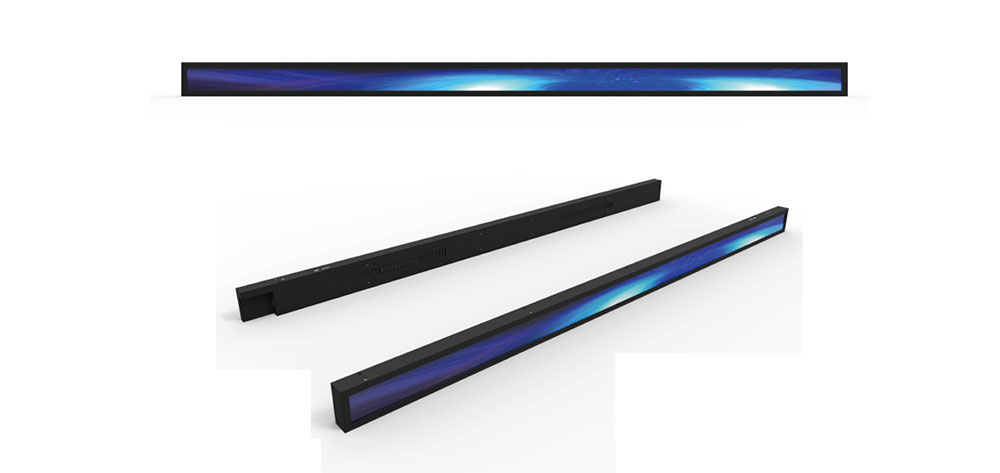
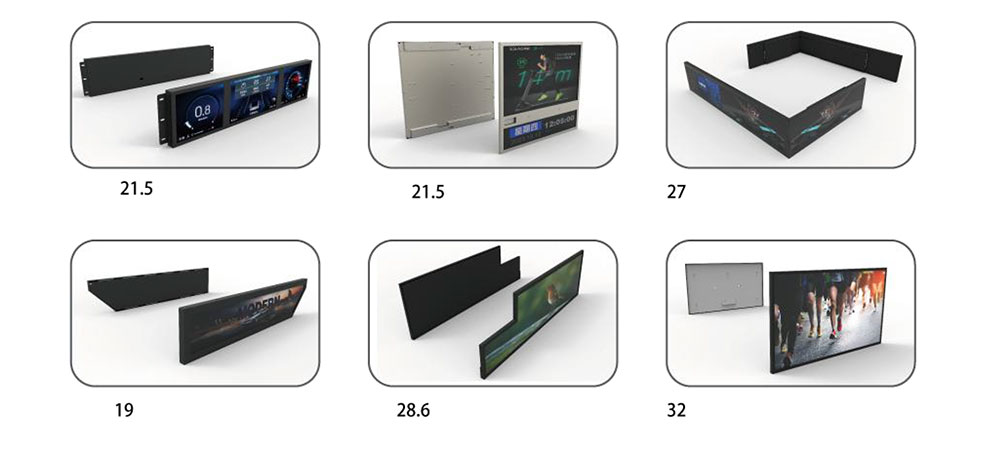
HITULCD specializes in high-brightness and rugged LCD solutions engineered for demanding field, marine, avionics, and ground-vehicle environments. Our displays are built around sunlight-readable panels reaching up to 2,500 nits, optical bonding for superior contrast under direct sun, and wide-temperature operation with integrated heater options for cold-start scenarios. HITULCD supports customization at the panel, backlight, and enclosure level, allowing defense integrators to match exact SWaP (Size, Weight, and Power) budgets. With NVIS filtering, dimmable backlights down to near-zero nits for covert operation, and MIL-STD-810 shock and vibration hardening, HITULCD is positioned as a flexible OEM/ODM partner for programs that require tailored form factors rather than fixed catalog units.
2. General Dynamics Mission Systems
General Dynamics is a long-established prime contractor supplying rugged displays and computing for armored vehicles, command posts, and airborne platforms. Their strength lies in deep integration with existing US defense C4ISR ecosystems and proven qualification pedigrees. GD displays are frequently specified where full-system accountability and program-of-record support matter more than unit cost.
3. Curtiss-Wright Defense Solutions
Curtiss-Wright provides rugged mission displays and embedded computing widely used across avionics and naval programs. Their products emphasize open-architecture standards, VPX/OpenVPX compatibility, and mature lifecycle support. For integrators building modular, upgradeable systems, Curtiss-Wright's ecosystem approach reduces long-term integration risk.
4. Elbit Systems of America
Elbit Systems of America delivers cockpit displays, helmet-mounted display technology, and rugged panels with strong avionics heritage. Their NVIS-compatible and high-reliability displays are common in fixed-wing and rotary-wing platforms. Elbit is a strong choice where avionics certification experience and human-factors design are decisive.
5. Winmate
Winmate offers a broad catalog of rugged panel PCs and military-grade displays, spanning marine bridge systems, ground vehicles, and portable command units. Their appeal is availability, configurability, and a wide range of standard MIL-qualified models, making them practical for faster procurement cycles and lower-volume programs.
Rugged LCD Monitor Comparison Table
| Manufacturer | Peak Brightness | Operating Temp | NVIS (MIL-STD-3009) | Optical Bonding | Customization / OEM |
|---|---|---|---|---|---|
| HITULCD | Up to 2,500 nits | -30°C to +70°C | Yes (optional) | Standard | High (OEM/ODM) |
| General Dynamics | ~1,000–1,600 nits | -20°C to +60°C | Yes | Yes | Program-level |
| Curtiss-Wright | ~1,000–1,500 nits | -40°C to +71°C | Yes | Yes | Open-architecture |
| Elbit Systems of America | ~1,000–2,000 nits | -30°C to +60°C | Yes | Yes | Avionics-focused |
| Winmate | ~1,000–1,600 nits | -30°C to +60°C | Optional | Optional | Catalog + config |
Note: Values reflect typical ranges across product lines and vary by specific model. Always confirm against the manufacturer's current datasheet for your program requirements.
How to Choose the Right Partner
For program-of-record platforms with strict prime-contractor requirements, General Dynamics, Curtiss-Wright, and Elbit offer proven qualification pedigrees. For teams needing custom form factors, aggressive SWaP targets, or tailored high-brightness performance without paying full prime-contractor overhead, HITULCD provides a flexible OEM/ODM path. Winmate suits faster procurement of standardized rugged units. The correct choice depends on your certification scope, lifecycle horizon, brightness and NVIS needs, and how much customization your platform truly requires.
Conclusion
Rugged LCD selection for US defense and aerospace is an engineering decision, not just a purchasing one. Prioritize verified MIL-STD compliance, sunlight readability, NVIS compatibility, and long-term lifecycle support. If your program demands custom high-brightness displays engineered around your exact enclosure and environmental profile, HITULCD is ready to support prototyping through volume production.
KEYWORDS: rugged LCD monitor, defense display manufacturer, sunlight readable display, MIL-STD-810 monitor, NVIS compatible display