Why Shelf-Edge Displays Need a Different Kind of LCD
Retail equipment built in Canada faces a working environment that a standard consumer panel was never designed for. Shelving units, cooler doors, end-cap fixtures, and electronic shelf-edge rails sit under strong store lighting, run for long daily hours, and often need to fit into narrow mechanical channels. For equipment manufacturers, the display is rarely a finished monitor dropped into a housing. It is a module: a bare or framed LCD, a driver board, a backlight, and an interface, all specified to match the fixture around it.
At HITULCD we design custom shelf display LCD modules for this exact use case. This article explains the engineering choices that matter when you integrate a display into retail fixtures, how we approach customization, and what Canadian manufacturers should confirm before committing a design to production.
The Core Challenges on the Shelf
Ambient light and readability
Store aisles are bright, and refrigerated cases add their own internal lighting plus glare off glass doors. A display that looks fine on a desk can wash out completely under those conditions. The relevant specification is the panel's luminance, together with how it handles reflection. High-brightness panels and the choice between high-bright, semi-outdoor, and standard backlighting should be matched to the measured light level at the shelf face, not assumed. We treat the target brightness as a configurable parameter and confirm it against the fixture's real lighting before fixing the backlight design.
Form factor and mechanical fit
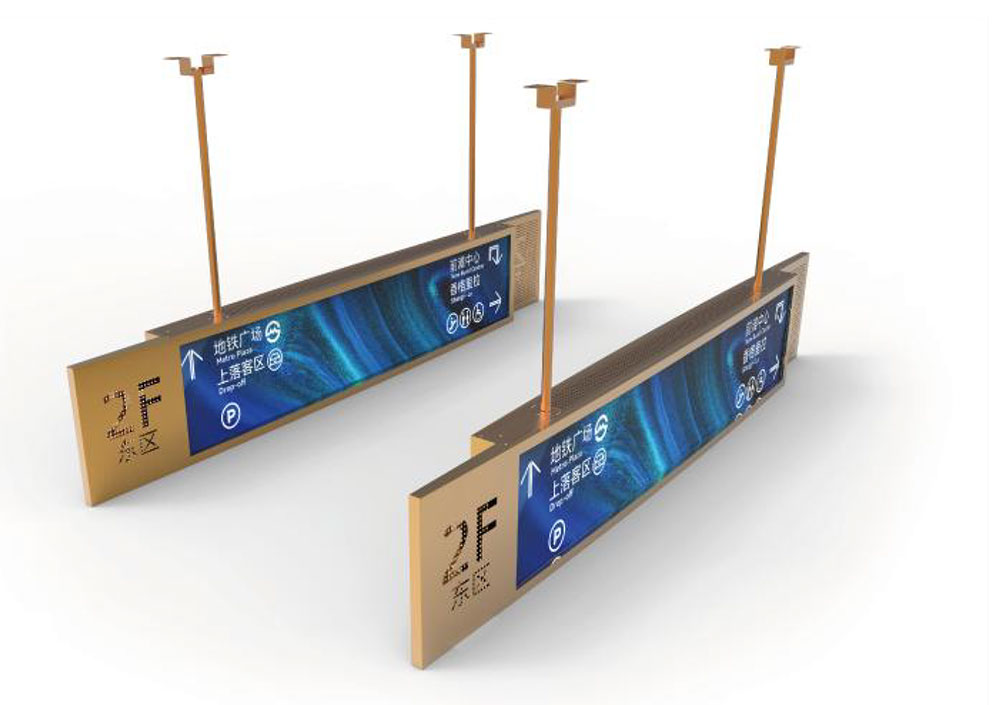
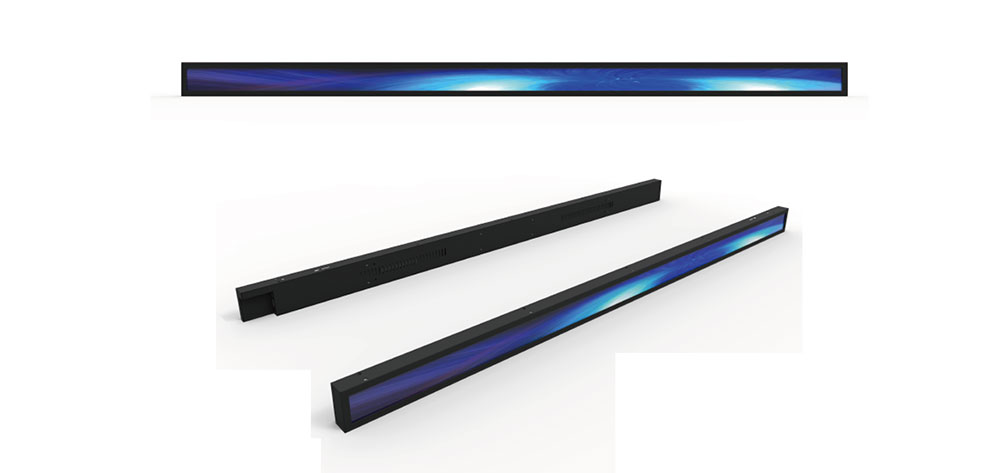
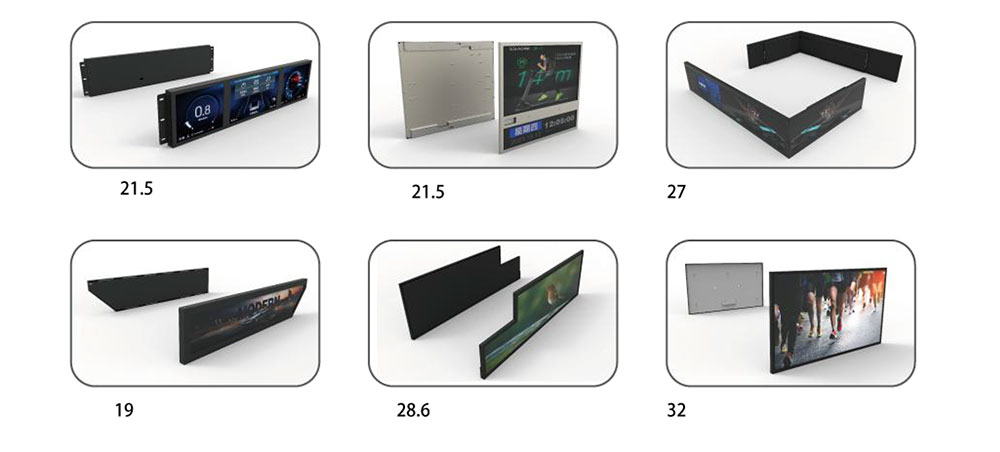
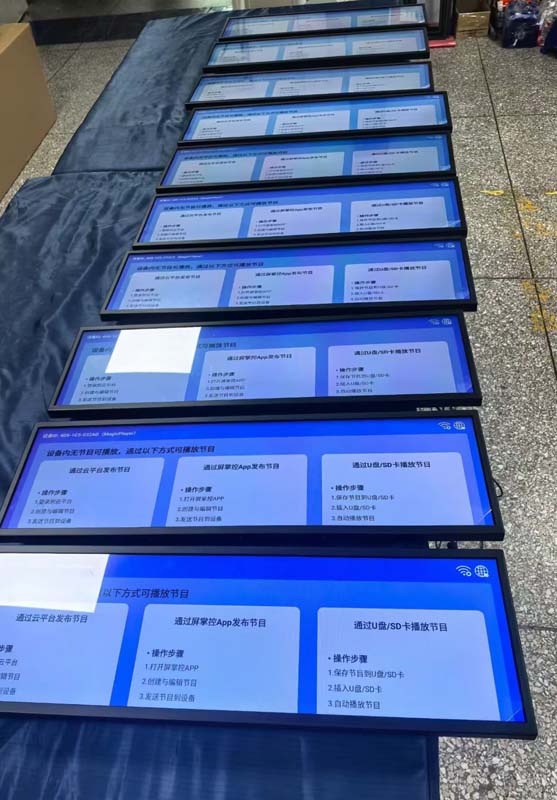
Shelf-edge strips are long and thin. Cooler and freezer door displays are tall. End-cap screens are often wide. Because fixtures are built around standard shelf pitches and extrusion profiles, the display outline, mounting points, and cable exit all have to conform to the mechanical envelope the manufacturer already uses. Bar-type and non-standard aspect ratios are common requests here, which is why a stock rectangular monitor rarely drops in cleanly.
Duty cycle and lifetime
Retail displays typically run through all store hours and frequently stay on around the clock. The backlight is the component that ages first, so backlight service life and the ability to run the panel at a sustainable brightness rather than its absolute maximum both affect how long the fixture stays in service. We specify these against the operating hours the manufacturer expects, so the module is rated for continuous commercial duty rather than intermittent consumer use.
Temperature, especially in Canada
Canadian retail spans heated storefronts, chilled display cases, and frozen-food freezers, and equipment is often shipped and stored through cold winters before installation. LCDs have a defined operating and storage temperature range, and liquid-crystal response slows in the cold. For cooler, freezer, and unheated-area deployments we select wide-temperature panels and, where needed, add heaters or temperature-tolerant components. The correct range is set from where the module will actually sit, which should be stated early in the project.
How We Customize a Module
A custom shelf display module from HITULCD is built up from the decisions below. Each one is a parameter we set with the manufacturer rather than a fixed figure, which keeps the design honest to the application.
- Panel size and aspect ratio — including stretched bar shapes for shelf rails and tall formats for door fronts.
- Brightness and optical treatment — backlight output, anti-glare or anti-reflection surface, and optical bonding to cut internal reflection behind cover glass.
- Interface — the signal and connector type that matches your controller or media player, so integration does not require a separate adapter board.
- Touch and cover lens — optional capacitive touch and protective glass where shoppers interact with the screen.
- Mechanical package — outline, mounting bracket or frame, cable length, and connector position tailored to your extrusion and harness.
- Temperature grade — standard, wide, or heated builds for ambient, chilled, and frozen fixtures.
Why This Matters for Canadian Equipment Manufacturers
Buying a finished display and engineering a fixture around it leaves you dependent on a part you do not control, and consumer product lines change or disappear without warning. A custom module designed to your envelope gives you a stable, documented component you can reorder with consistent specifications, which matters when you are supplying grocery, pharmacy, convenience, and specialty retail chains that expect fleets of identical fixtures. It also lets you address Canadian realities directly: cold-chain temperature grades, bilingual content handled by your own media system, and build documentation that supports your own compliance and warranty commitments.
What to Confirm Before Production
To keep every specification accurate, we recommend locking these points with our engineering team before tooling:
- Measured ambient light at the display face, so brightness is sized to the environment.
- The full temperature range the module will see in operation, transit, and storage.
- Expected daily and annual operating hours, which drive backlight and component selection.
- The exact mechanical envelope, mounting scheme, and interface of your fixture.
- Annual volume and service-life expectations, so the design is matched to your reorder and support model.
Working With HITULCD
We supply the module, not a finished consumer monitor, which means you integrate a component engineered to your fixture rather than adapting your fixture to someone else's product. Send us your fixture drawing, your lighting and temperature conditions, and your controller interface, and we will return a module specification with every technical figure tied to the conditions you provide and to our validated panel data. The result is a shelf display that stays readable, survives the Canadian retail environment, and remains available for the life of your product line.
KEYWORDS: custom shelf display LCD modules, high-brightness LCD, Canadian retail equipment, retail LCD manufacturer, wide-temperature display modules