Stretched bar displays have redefined how brands communicate in space-constrained environments—shelf edges, elevator frames, transit corridors, and automotive dashboards. Yet off-the-shelf panels rarely satisfy the mechanical, optical, and integration demands of these applications. At HITULCD, we engineer custom stretched display solutions that carry a project from initial concept through validated prototype and into stable, high-yield mass production. This white paper outlines the technical framework, engineering milestones, and quality controls that make that journey repeatable and reliable.
What Defines a Stretched Display
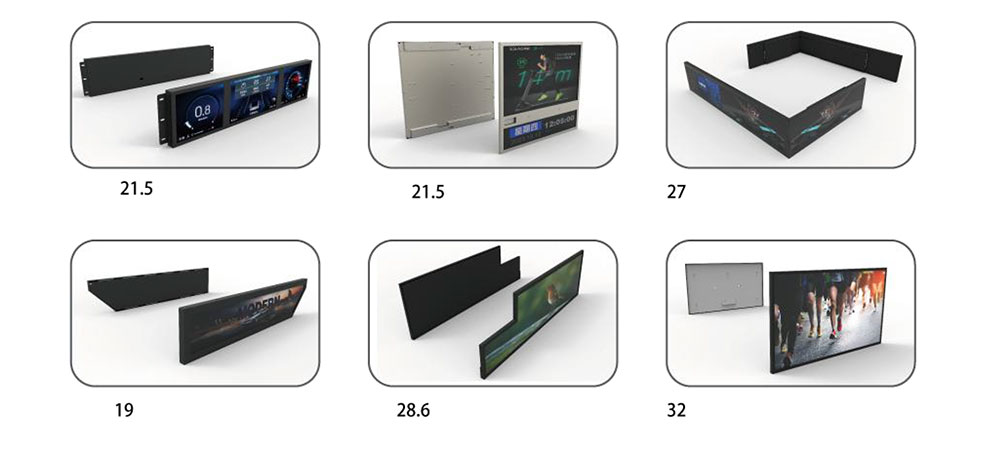
A stretched (bar-type) display is an LCD panel with a non-standard aspect ratio—commonly 16:4.5, 16:3, or narrower ultra-wide formats—achieved either by cutting a standard mother-glass panel or by manufacturing a purpose-built cell. These displays typically fall into two categories:
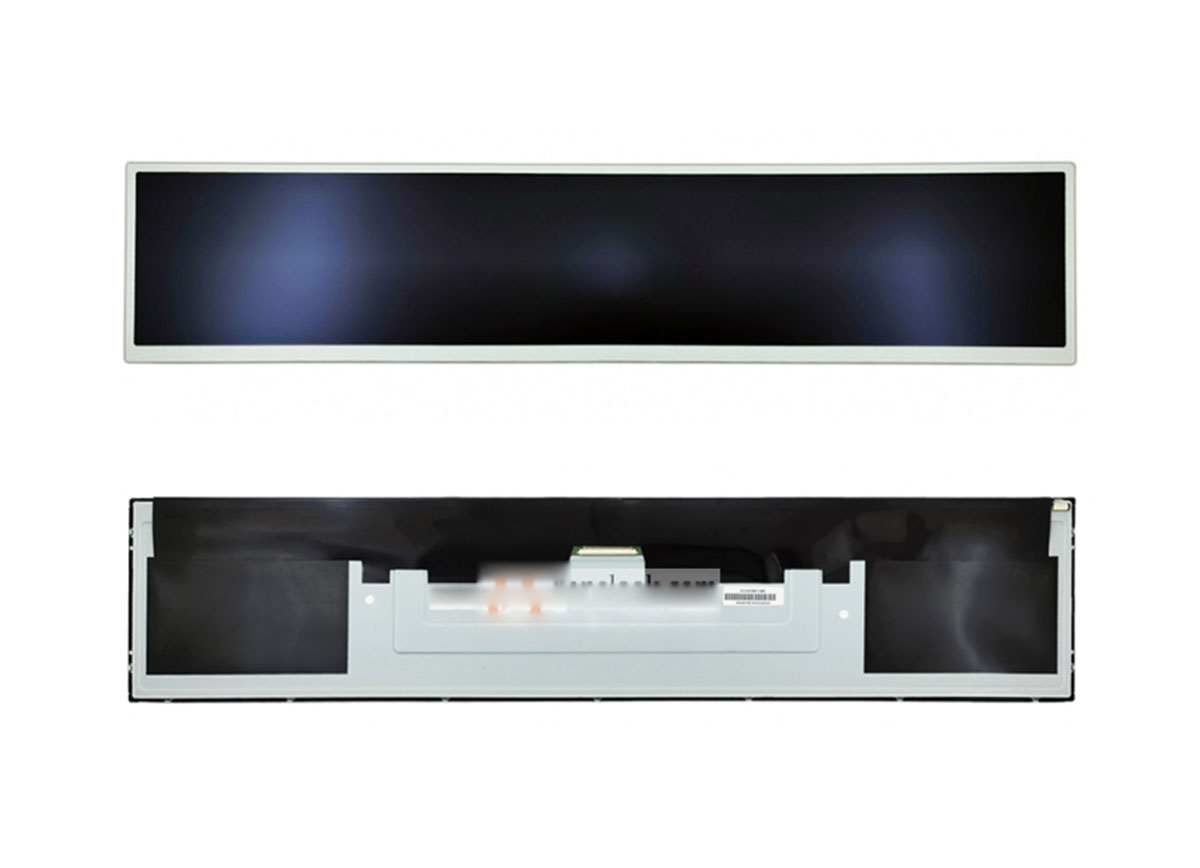
- Cut (open-cell) stretched panels: A larger panel is precision-cut to a bar format, with the driver IC and timing controller re-mapped to the active area. Cost-effective for mid-volume programs.
- Native stretched panels: Designed as a bar from the glass level, offering optimal reliability, full brightness uniformity, and standardized supply for high-volume programs.
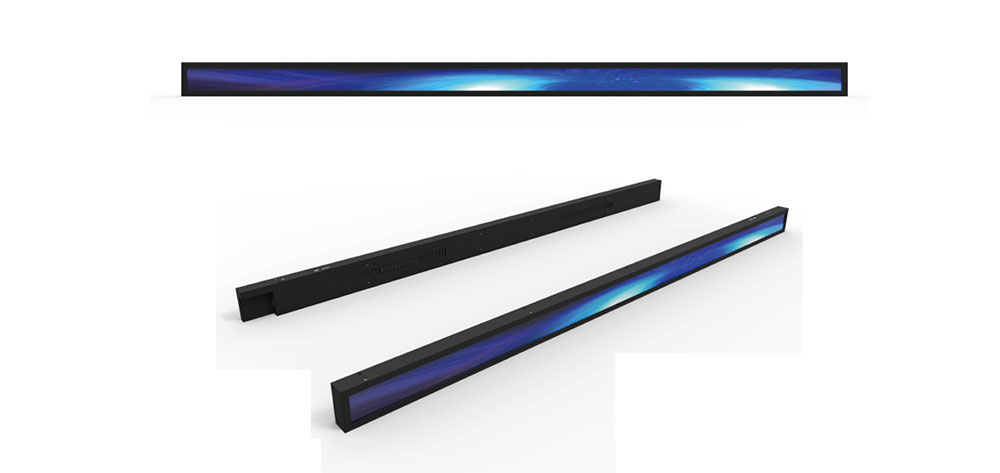
Choosing between the two is the first engineering decision, and it depends on target volume, mechanical tolerances, brightness requirement, and lifecycle expectations.
Application Environments and Their Requirements
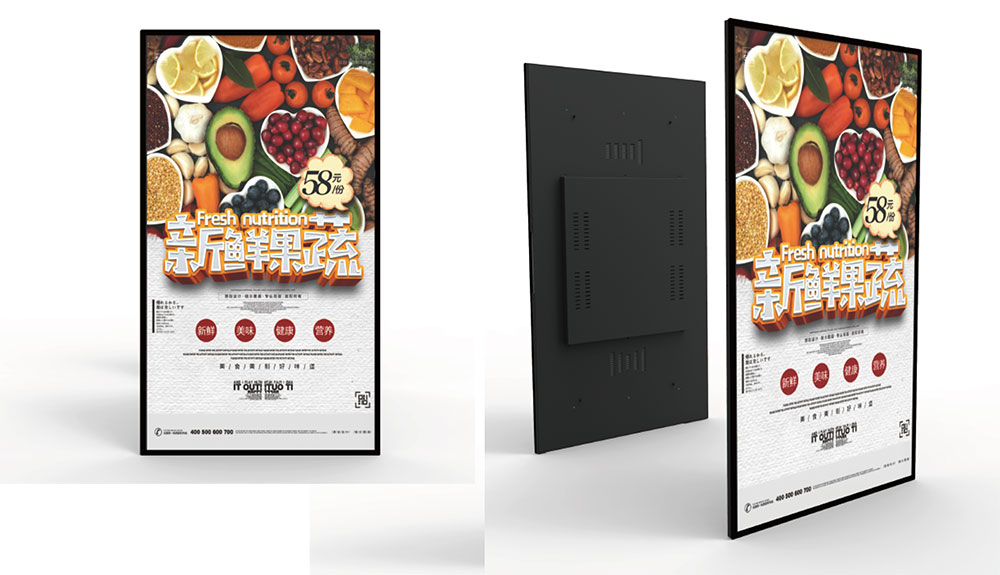
Custom stretched displays serve demanding contexts. Each imposes distinct specifications:
- Retail shelf-edge signage: Ultra-slim depth, 700–1000 nits for indoor legibility, wide viewing angles, and content-management connectivity.
- Public transit and outdoor kiosks: 1500–2500 nits high brightness, optical bonding to prevent condensation, and wide operating temperature ranges from −30°C to +85°C.
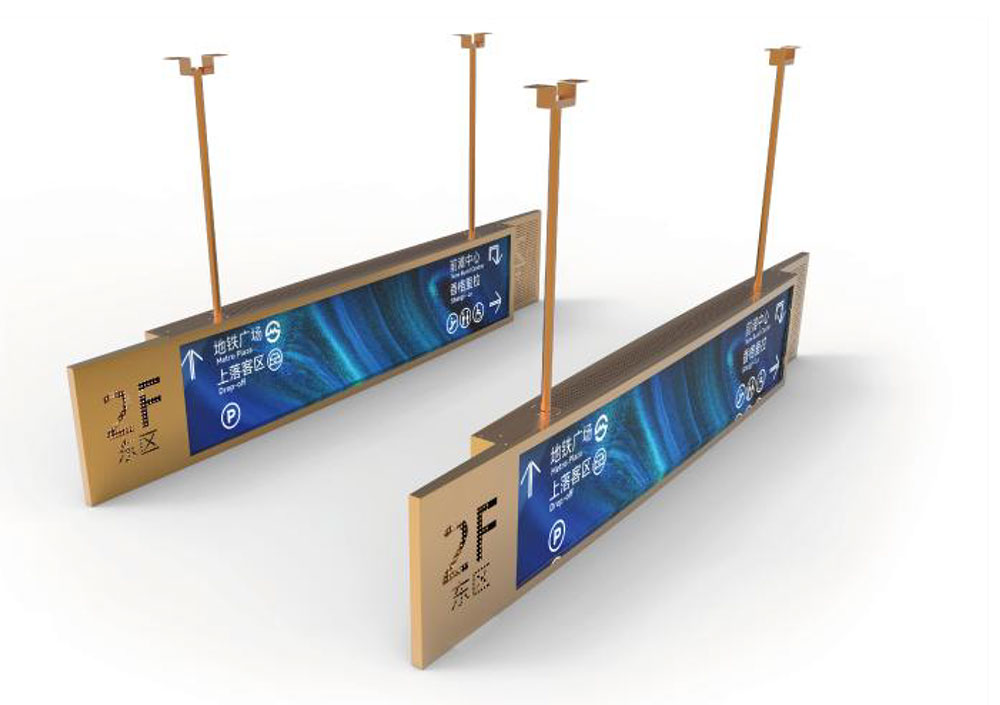
- Elevator and building directories: Long-life LED backlights (50,000+ hours), anti-image-retention driving, and low-power standby.
- Automotive and industrial HMI: Vibration-resistant assemblies, EMC compliance, and sunlight-readable performance.
Phase 1: Requirements Definition and Feasibility
Every successful custom program begins with a structured specification review. HITULCD engineers work with the client to lock the critical parameters that drive the entire design:
- Active area dimensions and aspect ratio
- Resolution and pixel density
- Brightness target and dimming range
- Interface (LVDS, eDP, MIPI, or HDMI via built-in board)
- Operating and storage temperature range
- Ingress protection (IP) and cover-glass treatment
- Expected annual volume and product lifecycle
A feasibility report follows, confirming whether a cut or native solution best meets cost and performance targets, along with a preliminary bill of materials and risk assessment. This document becomes the contractual baseline for all subsequent phases.
Phase 2: Prototype Design and Sampling
With requirements frozen, the engineering team produces a first-article prototype. This stage validates concept against reality:
- Optical design: Backlight bar layout, light-guide plate optimization, and diffuser/prism stack selection to achieve uniform luminance (typically ≥80% uniformity across the long bar axis).
- Driver board development: Timing-controller re-mapping for cut panels, or standard T-CON integration for native panels, plus brightness control and interface conversion.
- Mechanical fit: Custom bezel, mounting brackets, and thermal path validated in CAD and confirmed in physical samples.
- Optical bonding (optional): OCA or liquid-optically-clear-adhesive bonding of the cover glass to eliminate air gaps, reduce reflectance, and improve outdoor contrast.
Prototypes typically ship within 3–5 weeks and are accompanied by a full test data sheet. Client feedback loops here are essential—minor spec changes at the prototype stage cost a fraction of what they cost after tooling.
Phase 3: Design Verification Testing (DVT)
Before committing to volume, every custom stretched display undergoes rigorous validation against international standards. HITULCD's DVT protocol includes:
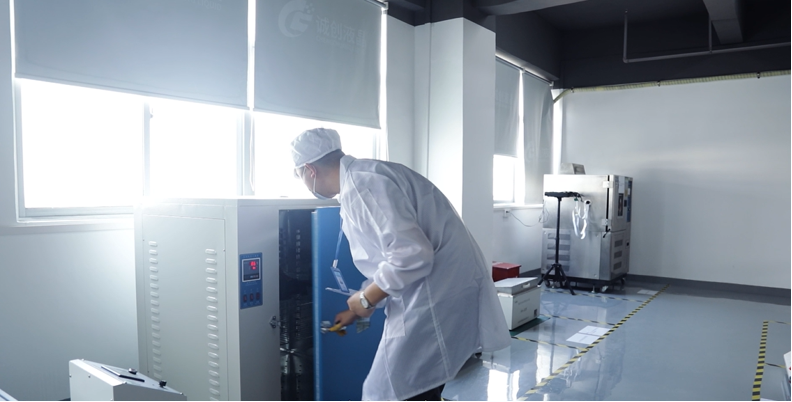
- Thermal cycling: Repeated cycles across the full operating range to confirm no delamination, cold-cluster, or backlight degradation.
- High-temperature/high-humidity aging: 60°C / 90% RH endurance for outdoor-rated units.
- Brightness decay and image-retention testing: Extended burn-in with reference patterns.
- Vibration and shock: Per IEC 60068 for transit and automotive programs.
- EMC and safety: Alignment with CE, FCC, and RoHS/REACH compliance.
Only after DVT sign-off does the program advance to production tooling.
Phase 4: Pilot Run and Process Validation (PVT)
A pilot run of 50–200 units validates that the design is manufacturable at scale. During PVT we establish:
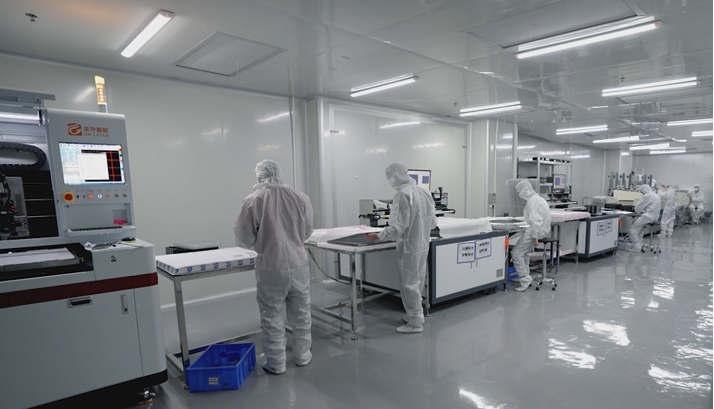
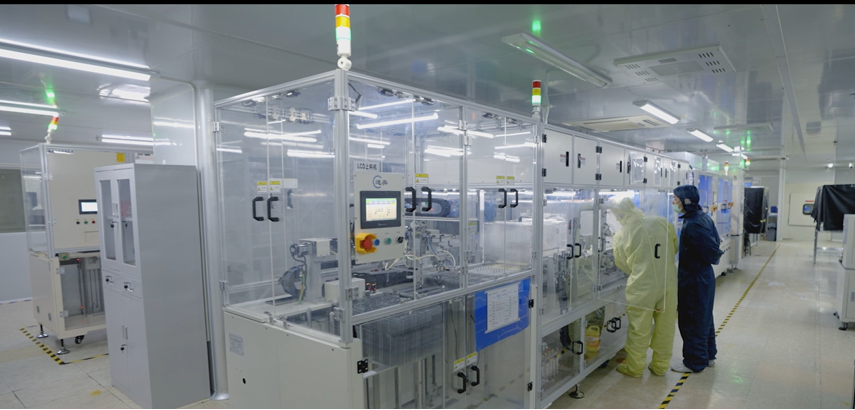
- Standardized work instructions and jigs for bonding, alignment, and assembly
- Automated optical inspection (AOI) parameters for defect detection
- Yield baselines and defect Pareto analysis
- First-pass-yield (FPY) targets, typically ≥95% before mass release
Process parameters—bonding pressure, curing time, torque values—are frozen into a controlled production document to guarantee unit-to-unit consistency.
Phase 5: Mass Production and Quality Assurance
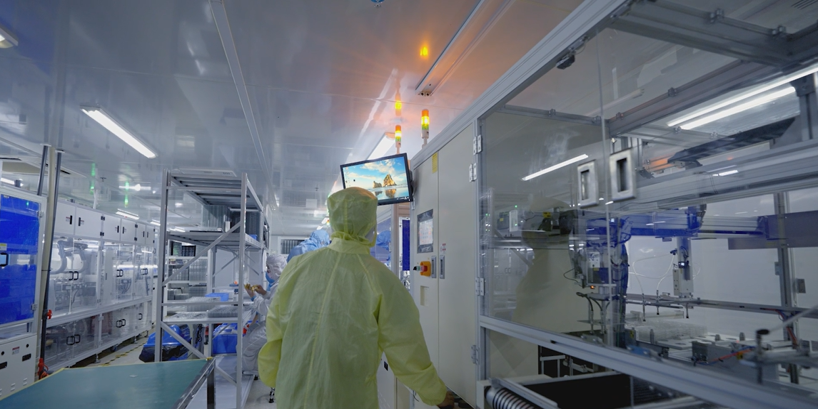
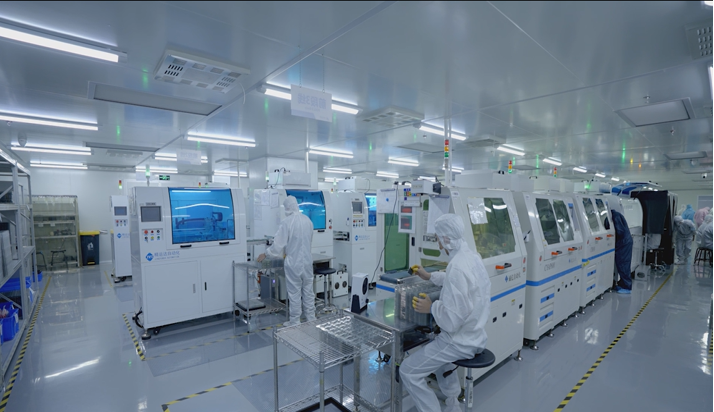
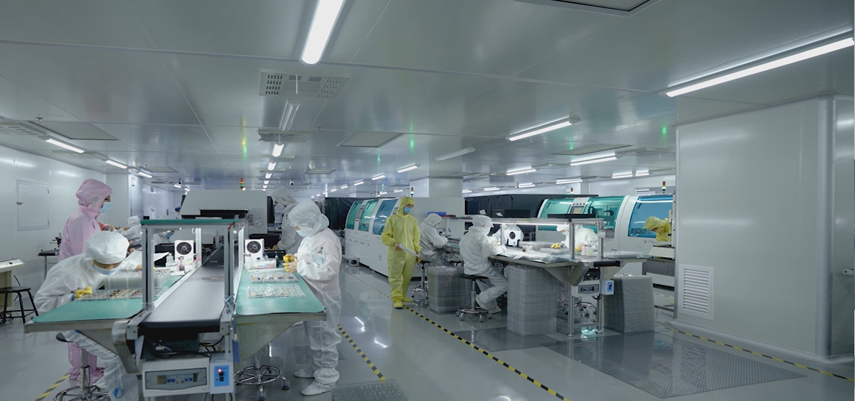
Mass production activates a closed-loop quality system. Each panel passes through incoming quality control (IQC) of components, in-process quality control (IPQC) at critical stations, and outgoing quality control (OQC) with 100% functional and cosmetic inspection. Statistical process control (SPC) charts track brightness, uniformity, and color coordinates across every lot, flagging drift before it becomes a defect.
For programs with strict traceability requirements, HITULCD assigns serial-level records linking each display to its component batches, test data, and calibration values—critical for warranty management and field diagnostics.
Supply Continuity and Lifecycle Management
Custom displays live for years in the field. HITULCD safeguards supply through:
- Long-term panel sourcing agreements to lock component availability across the product lifecycle.
- End-of-life (EOL) management with advance notification and validated form-fit-function replacements.
- Regional spare-parts stocking to minimize field downtime.
Why Partner with HITULCD
The difference between a display that merely works and one that ships reliably by the thousands lies in disciplined engineering across every phase. HITULCD combines high-brightness backlight expertise, optical bonding capability, and a phase-gated development process to deliver custom stretched displays that meet spec, hit yield targets, and remain supportable for years. From a single prototype to full-scale mass production, our team owns the technical risk so your product reaches market with confidence.
Whether you need a 28-inch shelf-edge bar at 1000 nits or a 37-inch sunlight-readable transit display bonded for outdoor survival, our engineers are ready to translate your requirements into a validated, production-ready solution.