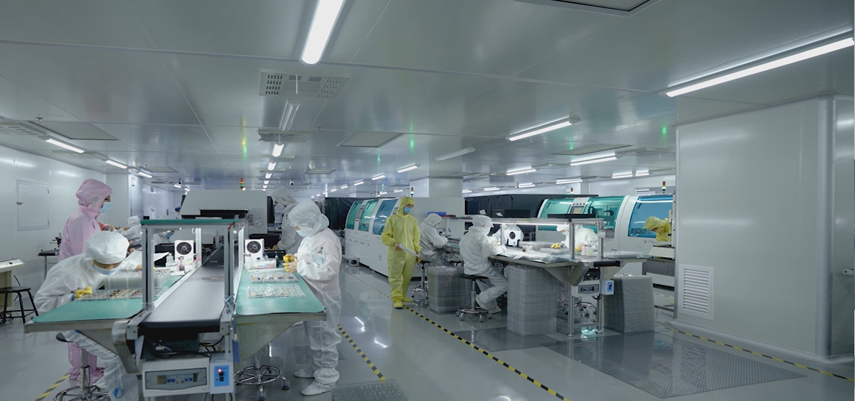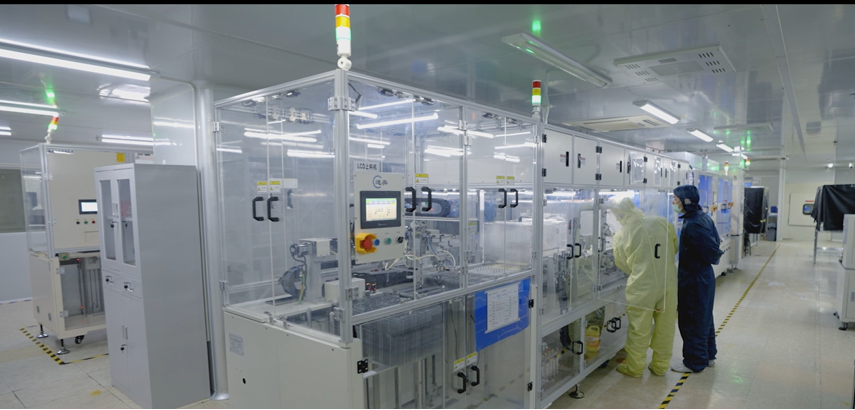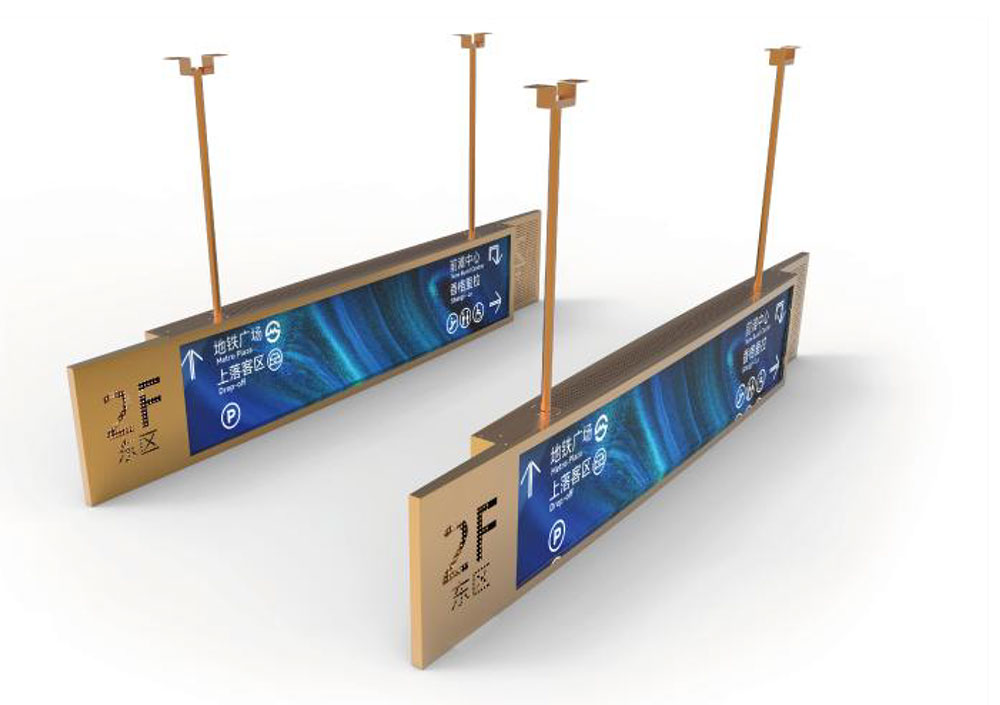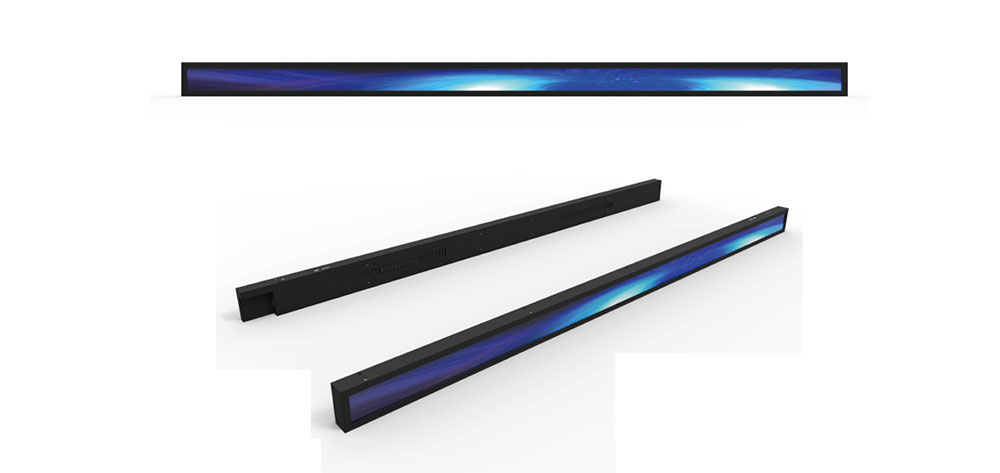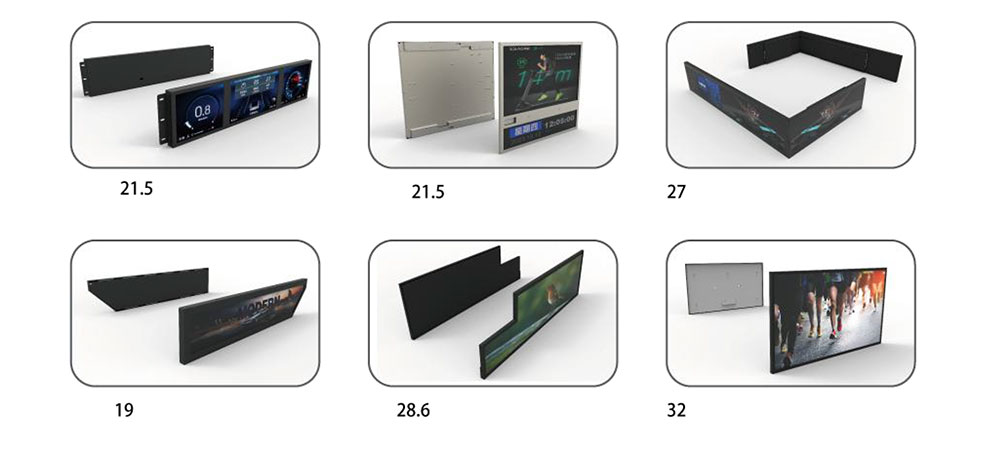
Wide format LCD panels have moved from a niche display option to a core interface technology across professional equipment. Whether the application is a stretched bar display in a transit vehicle, an instrument cluster in industrial machinery, or a shelf-edge screen in retail, standard rectangular panels rarely match the physical envelope of purpose-built hardware. At HITULCD, custom wide format LCD panels are engineered to fit the equipment, rather than forcing the equipment to accommodate a stock display.
What Defines a Wide Format LCD Panel
A wide format panel is any display whose aspect ratio departs from the conventional 4:3 or 16:9 to deliver an elongated active area. Common professional ratios include 16:3, 24:9, and 32:9, along with fully bespoke geometries such as bar-type or square-cut formats. The defining characteristic is not a single dimension but the ability to present continuous information across an extended horizontal or vertical plane without stitching multiple screens together.
Why Standard Panels Fall Short
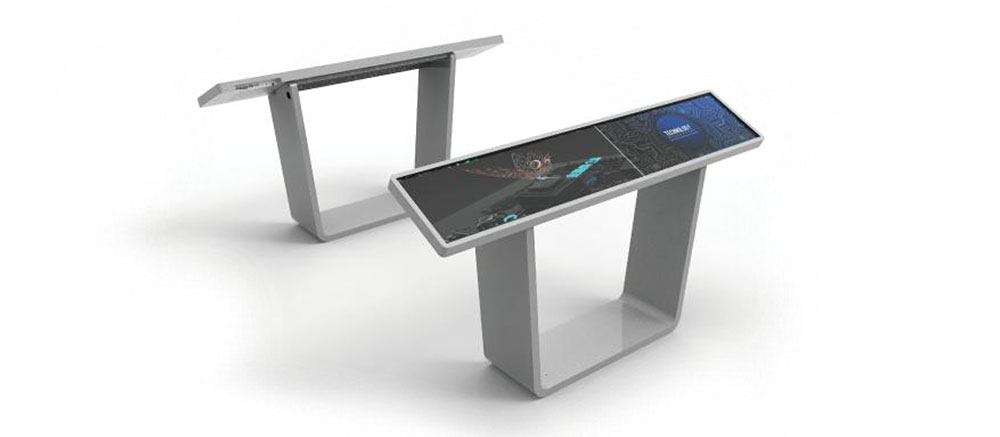
Off-the-shelf panels are optimized for consumer viewing distances and generic mounting. Professional equipment imposes different constraints: fixed cavity depths, non-standard bezels, specific connector orientations, and long service lifecycles. Trying to retrofit a consumer panel often means wasted enclosure space, awkward mechanical adapters, and displays that reach end-of-life long before the host equipment does.
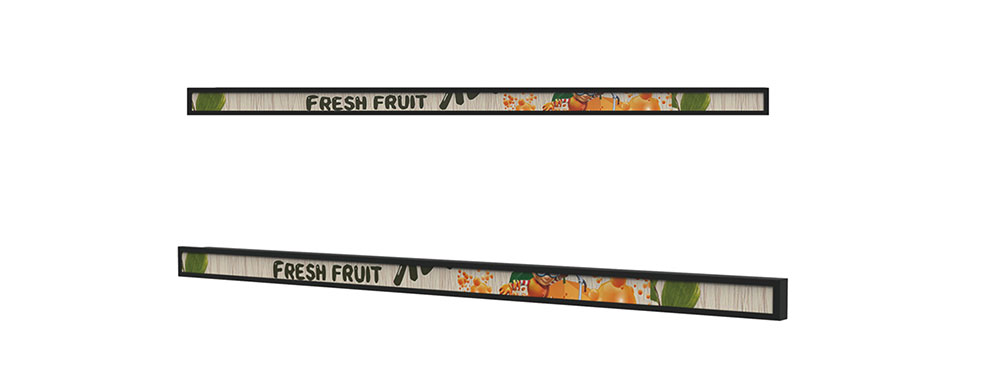
Core Design Parameters for Custom Wide Format Panels
Building a wide format panel that performs reliably in the field starts with a disciplined specification process. The parameters below shape every custom project HITULCD undertakes.
Active Area and Aspect Ratio
The active area is dictated by the equipment's viewing window, not the reverse. HITULCD defines the exact width-to-height relationship and outer dimensions so the panel drops into the existing mechanical design. Elongated formats demand careful attention to gate and source driver placement, because the routing that works for a 16:9 panel does not scale linearly to a 24:9 layout.
Brightness and Optical Performance
Professional deployments frequently occur in bright ambient conditions such as outdoor kiosks, vehicle cabins, and factory floors. High-brightness options ranging from 1000 to 2500 nits keep content legible under direct sunlight, while optical bonding reduces internal reflection and improves contrast. For panels facing intense sunlight, HITULCD applies thermal management and optically clear adhesives to prevent the black-mura and image-degradation that heat can introduce.
Interface and Driving Electronics
Wide format panels ship with interfaces matched to the host controller, including LVDS, eDP, and MIPI-DSI. HITULCD can integrate a timing controller board and provide a ready-to-drive module, which removes integration risk for customers who prefer a single validated assembly rather than a bare panel.
Touch Integration
Where interaction is required, projected capacitive touch is laminated to the panel and tuned for the specific cover-glass thickness. This matters in industrial settings where operators wear gloves or where the display must reject moisture and false touches.
Environmental and Reliability Engineering
Professional equipment often operates far outside the comfortable conditions consumer displays are rated for. Custom panels must survive them.
Wide Operating Temperature
HITULCD specifies liquid-crystal formulations and backlight components rated for extended ranges, typically -30°C to +85°C, so the display starts correctly in cold storage and holds contrast in hot cabins.
Vibration, Shock, and Ingress
Transport, marine, and machinery applications introduce continuous vibration. Reinforced mounting tabs, ruggedized flex connections, and sealed edges keep the panel intact over years of duty. Ingress protection at the cover-glass boundary defends against dust and liquid.
Long Lifecycle and Supply Stability
A hallmark of professional-grade displays is longevity of supply. HITULCD commits to extended production runs and controlled component changes, so integrators are not forced into costly redesigns when a consumer panel is discontinued.
Application Scenarios
The value of a wide format panel becomes clear in the field, where geometry and durability meet a real use case.
- Transportation: Stretched bar displays for passenger information, next-stop announcements, and route mapping in buses, trains, and metros.
- Retail and Advertising: Shelf-edge and end-cap screens that present promotions along the full length of a fixture.
- Industrial HMI: Wide instrument panels that consolidate gauges, alarms, and process data into a single continuous readout.
- Medical and Laboratory: Bar-type status displays integrated into diagnostic and monitoring equipment.
- Gaming and Entertainment: Panoramic panels built into slot machines and interactive kiosks.
The HITULCD Custom Development Process
A successful custom panel is the product of a structured collaboration between the customer's engineering team and the display manufacturer.
Requirement Capture and Feasibility
The project begins with a detailed capture of mechanical envelope, optical targets, interface, environmental class, and volume forecast. HITULCD evaluates feasibility against available glass, backlight, and driver options, then proposes the most cost-effective path to the required specification.
Prototyping and Validation
Engineering samples are produced for fit, brightness, and thermal verification in the customer's actual enclosure. This stage confirms that the panel behaves as specified inside real hardware, not just on a lab bench.
Qualification and Mass Production
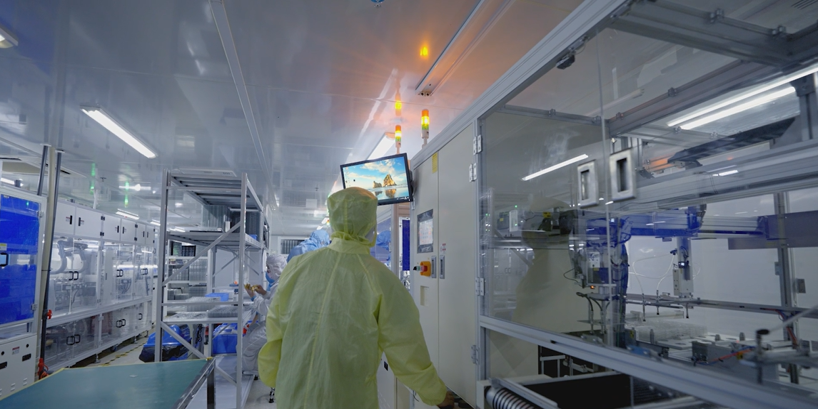
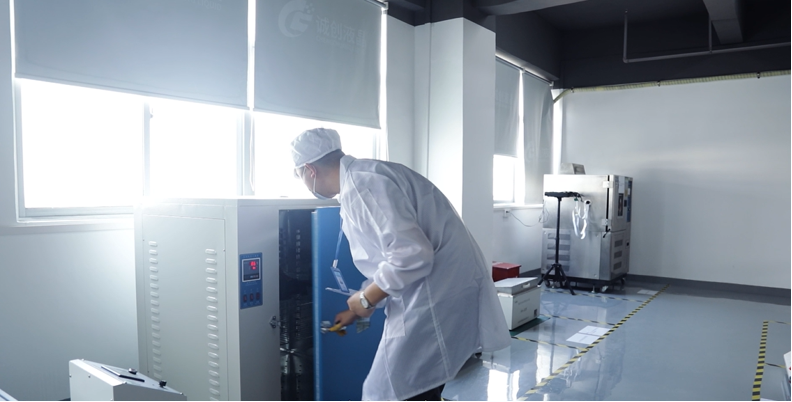
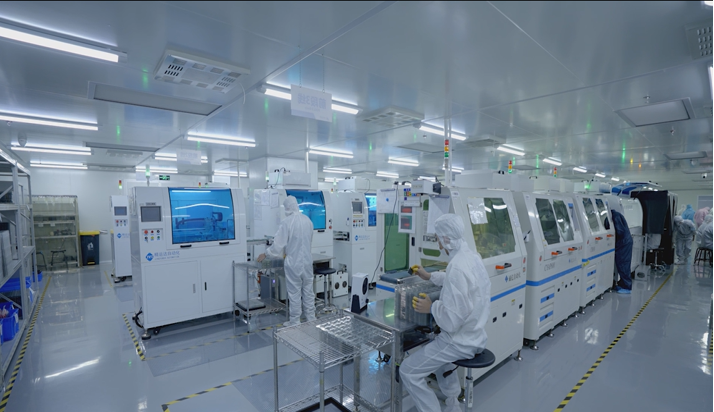
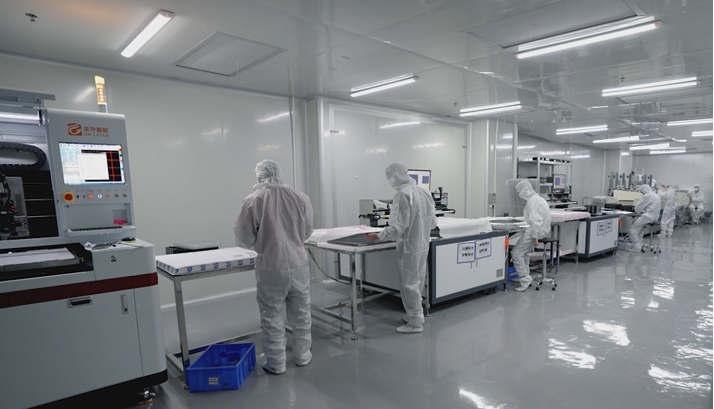
After the customer signs off, the design enters qualification testing covering temperature cycling, vibration, and long-duration burn-in. Only then does the panel move to controlled mass production with consistent, traceable quality.
Conclusion
Custom wide format LCD panels let professional equipment designers treat the display as an integrated component rather than a constraint. By defining active area, brightness, interface, and environmental rating around the equipment itself, and by backing the design with rugged engineering and stable supply, HITULCD delivers displays that fit precisely, perform in demanding conditions, and last as long as the systems they serve.
KEYWORDS: custom wide format LCD panels, professional equipment displays, high-brightness LCD, industrial LCD panel, bar type LCD display