Why Retail Environments Demand a Different Display Shape
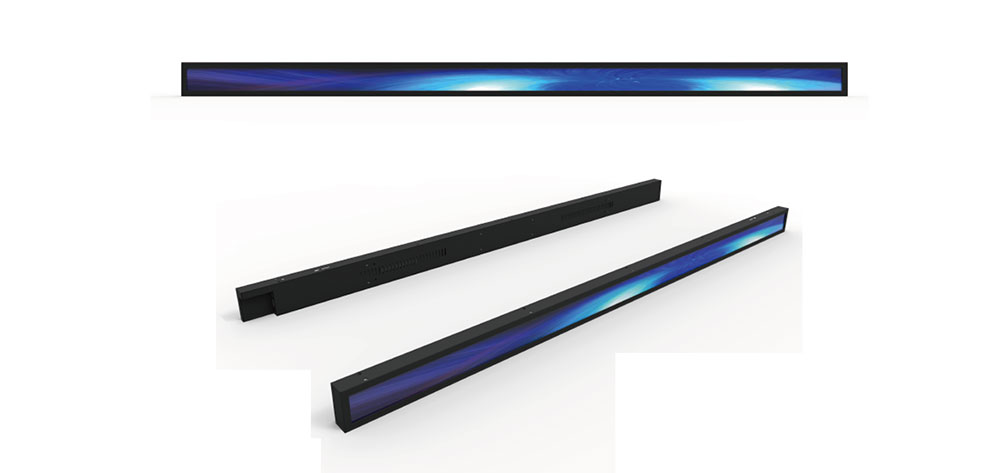
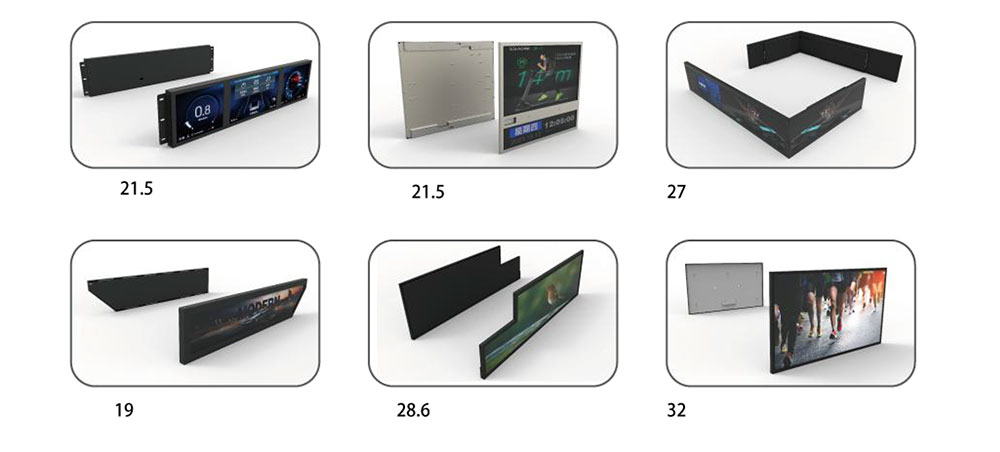
Conventional 16:9 panels waste space on shelf edges, end caps, and narrow pillars. A standard rectangular monitor forces a store to either shrink its message or build an oversized fixture around the screen. Stretched LCD displays solve this geometry problem directly. By using elongated aspect ratios such as 16:4.5, 16:3, or 24:9, these panels fit the long, thin slots that retail hardware already provides, turning dead space on a gondola rail or cooler door into an active selling surface.
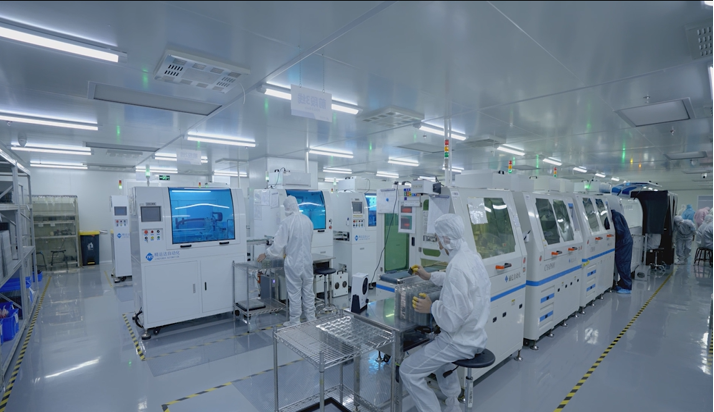
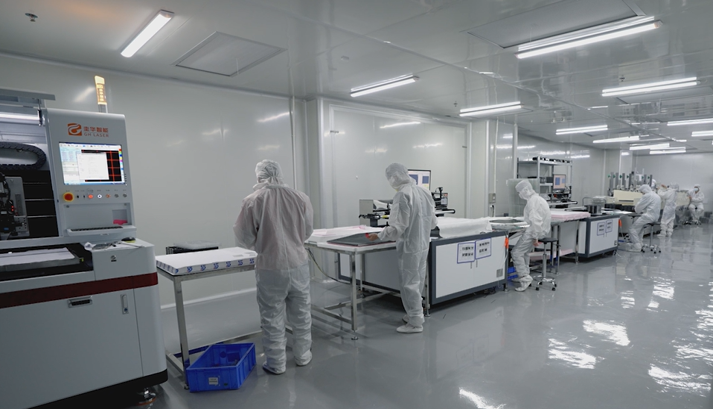
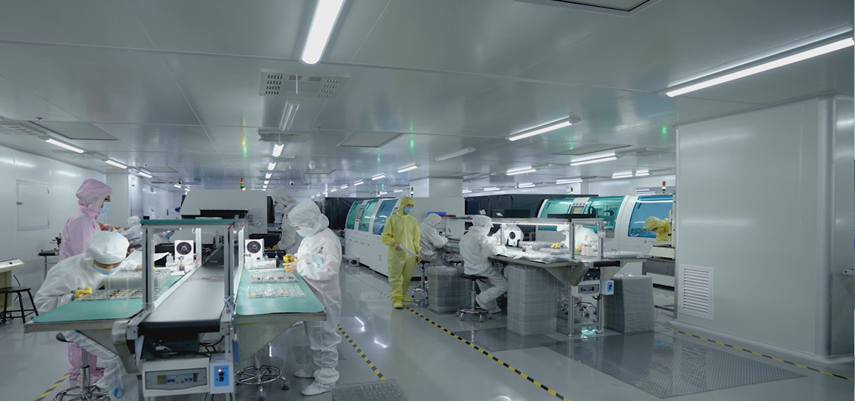
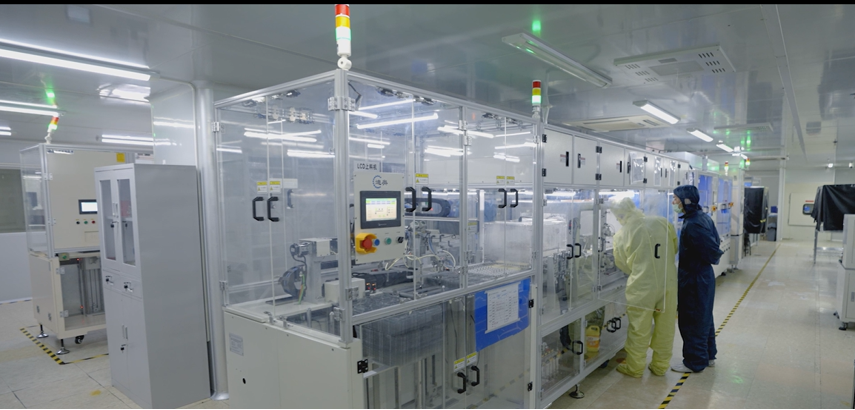
At HITULCD we engineer stretched and bar-type LCDs specifically for fixtures rather than adapting consumer televisions. That distinction matters because a retail display runs long hours, sits close to the shopper, and must survive handling, cleaning, and ambient light that a living-room TV never encounters.
What "Custom" Actually Means in a Stretched Panel
A custom stretched display is more than a cut-down screen. Each unit is defined by a set of engineering choices that the fixture and the environment dictate:
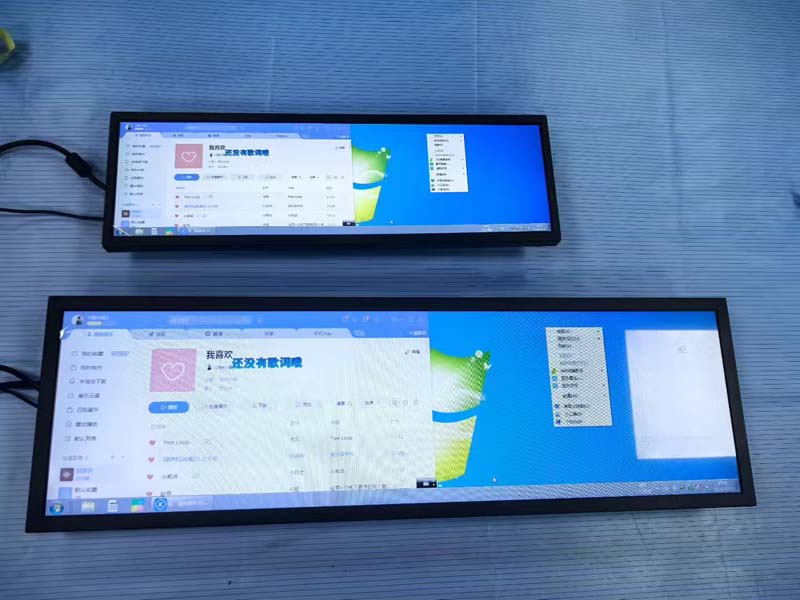
- Aspect ratio and active area: Panels cut to match shelf height or the width of a column, from compact 23-inch bars to 86-inch full-shelf runs.
- Orientation: Landscape strips for shelf edges and horizontal headers, portrait strips for aisle markers, door fronts, and queue rails.
- Brightness class: 700 to 1000 nits for indoor fixtures under store lighting, 1500 to 3500 nits for window-facing and sun-exposed positions.
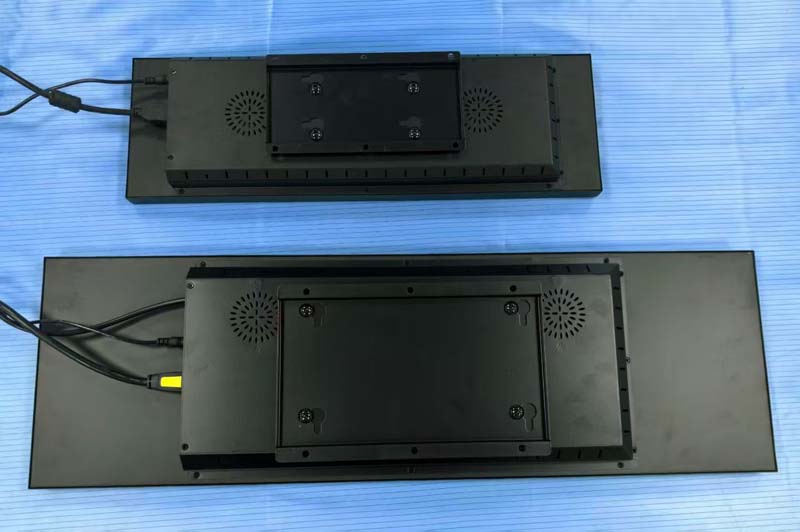
- Interface and mounting: Open-frame boards for OEM integration, or enclosed assemblies with VESA, rail, or magnetic mounts.
Because the panel starts from the fixture requirement, the finished display drops into existing store hardware without custom cabinetry.
Brightness and Legibility Supported by Documented Testing
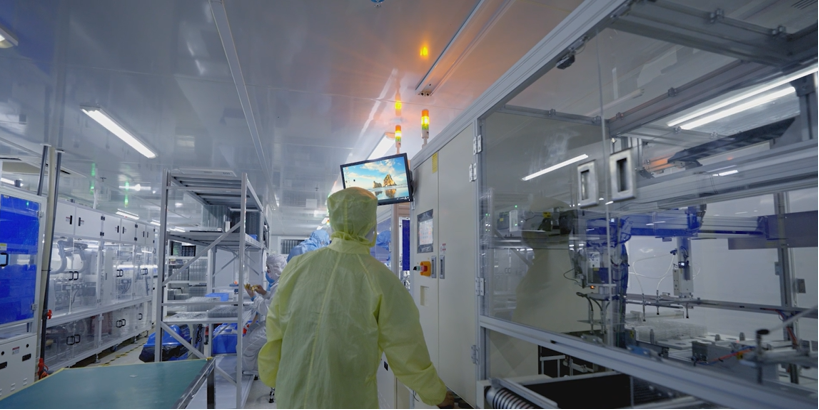
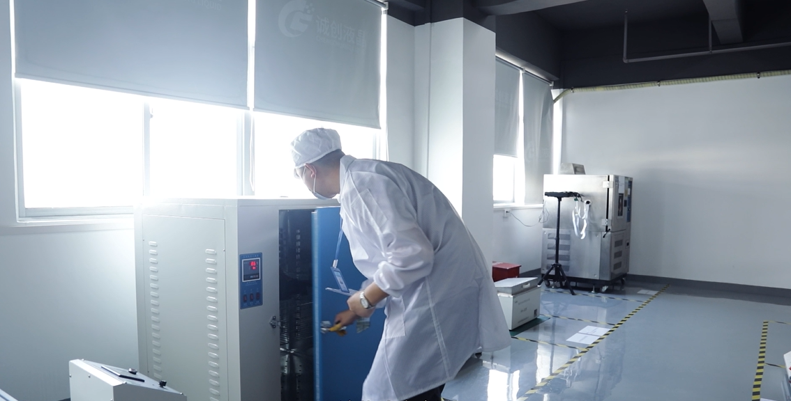
The most common failure in retail displays is a screen that washes out the moment it faces a window or a bright LED track. Nit rating alone does not predict readability; contrast under ambient light does. HITULCD validates every high-brightness configuration with measured luminance, uniformity, and contrast-ratio data gathered under controlled lighting conditions, so a specified brightness class is backed by documented testing rather than a headline number on a datasheet.
Our testing covers three areas that decide whether a stretched display performs in a store:
- Peak and sustained luminance: We confirm that panels hold their rated brightness over extended operation, not just at first power-on.
- Thermal behavior: High-brightness backlights generate heat, so each enclosed model is tested across its operating temperature range to verify the display does not dim or shorten its lifespan in a warm fixture or a sunlit window.
- Optical bonding and reflectance: Where glare is a risk, optically bonded or anti-glare treatments are measured for reflectance reduction so the improvement is quantified.
Built for the Realities of the Sales Floor
Retail hardware takes abuse. Carts bump it, staff wipe it down, and it runs from store open to close. Stretched displays for fixtures should be specified accordingly:
- Extended-duty operation: Industrial-grade components rated for 16 to 24 hours of daily use.
- Durable front surface: Tempered or hardened cover glass that resists scratches and cleaning chemicals.
- Slim depth: Narrow profiles that fit cooler doors, shelf channels, and pillar wraps without protruding into the aisle.
- Stable mounting: Integrated brackets that keep a long panel rigid and aligned along a shelf edge.
Where Stretched Displays Earn Their Place
Each form factor maps to a specific retail job:
- Shelf-edge strips replace paper price rails with dynamic pricing, promotions, and product information at the point of decision.
- Cooler and freezer door displays turn transparent or framed door surfaces into animated merchandising, with brightness and low-temperature ratings matched to refrigerated conditions.
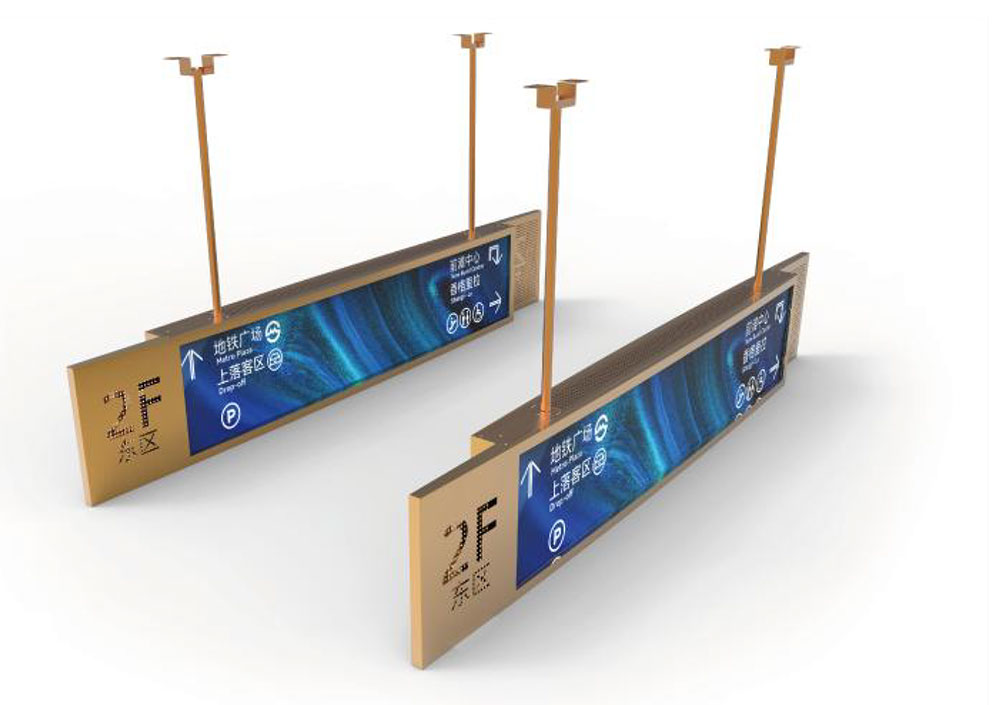
- Pillar and column wraps use portrait bars to carry wayfinding and brand content on structural elements that otherwise sit idle.
- Checkout and queue rails deliver last-moment offers along the narrow space beside a conveyor or line.
- Window headers use high-nit bar panels to stay legible against daylight from the street.
Content, Connectivity, and Management
A stretched panel is only as useful as the content pipeline behind it. HITULCD displays accept standard HDMI, DisplayPort, and LVDS inputs, and integrate with built-in or external media players and common content management systems. Because the native resolution of a stretched panel is non-standard, we supply the exact pixel dimensions and recommended template sizes so creative teams design to the real canvas and avoid stretched or letterboxed artwork.
Specifying the Right Display: A Short Checklist
- Measure the fixture slot and choose the aspect ratio that fills it.
- Assess ambient light at the install position and select the matching brightness class.
- Confirm daily operating hours and temperature, especially for refrigerated or window locations.
- Decide between open-frame for OEM integration or an enclosed assembly for direct mounting.
- Request the documented luminance, uniformity, and thermal test data for the configuration you intend to deploy.
Conclusion
Stretched LCD displays let retailers activate the exact spaces their fixtures already own, from shelf edges to cooler doors to pillars, without rebuilding store hardware around a rectangular screen. The value depends on getting brightness, durability, and fit right for each position. HITULCD builds these panels to the fixture and to the lighting conditions they will face, and backs every high-brightness specification with measured performance, so the display you install behaves the way the datasheet promised on the sales floor.
KEYWORDS: custom stretched LCD displays, retail fixture displays, stretched bar LCD, high-brightness retail signage, shelf-edge display