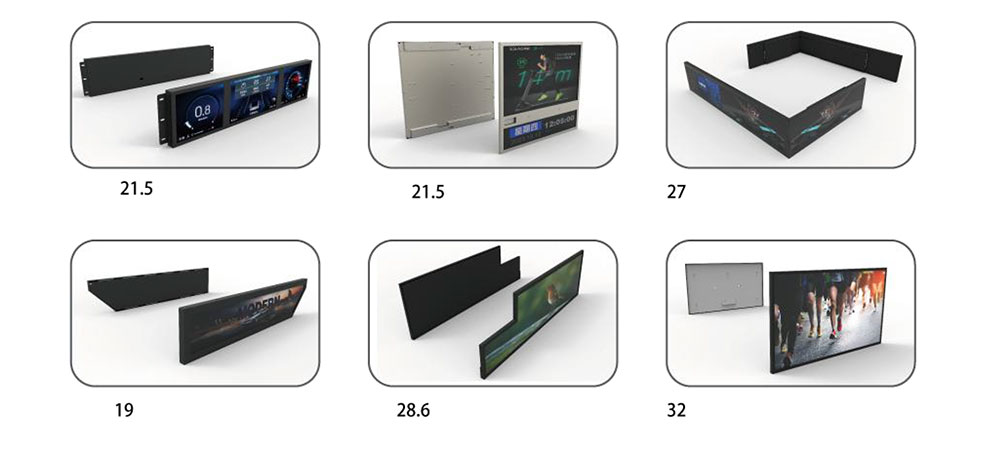
Bar type LCDs, also known as stretched or ultra-wide displays, have become a cornerstone of modern retail environments across the United States. Their elongated form factor makes them ideal for shelf edges, checkout lanes, aisle markers, and drive-thru menu boards where a standard 16:9 panel simply will not fit. However, selecting the right bar type LCD for a US store deployment involves far more than choosing an attractive aspect ratio. Retail environments impose unique demands on brightness, durability, connectivity, and regulatory compliance. This guide walks store owners, integrators, and facilities managers through the critical technical and practical considerations for choosing store compatible bar type LCDs.
Understanding Bar Type LCD Form Factors
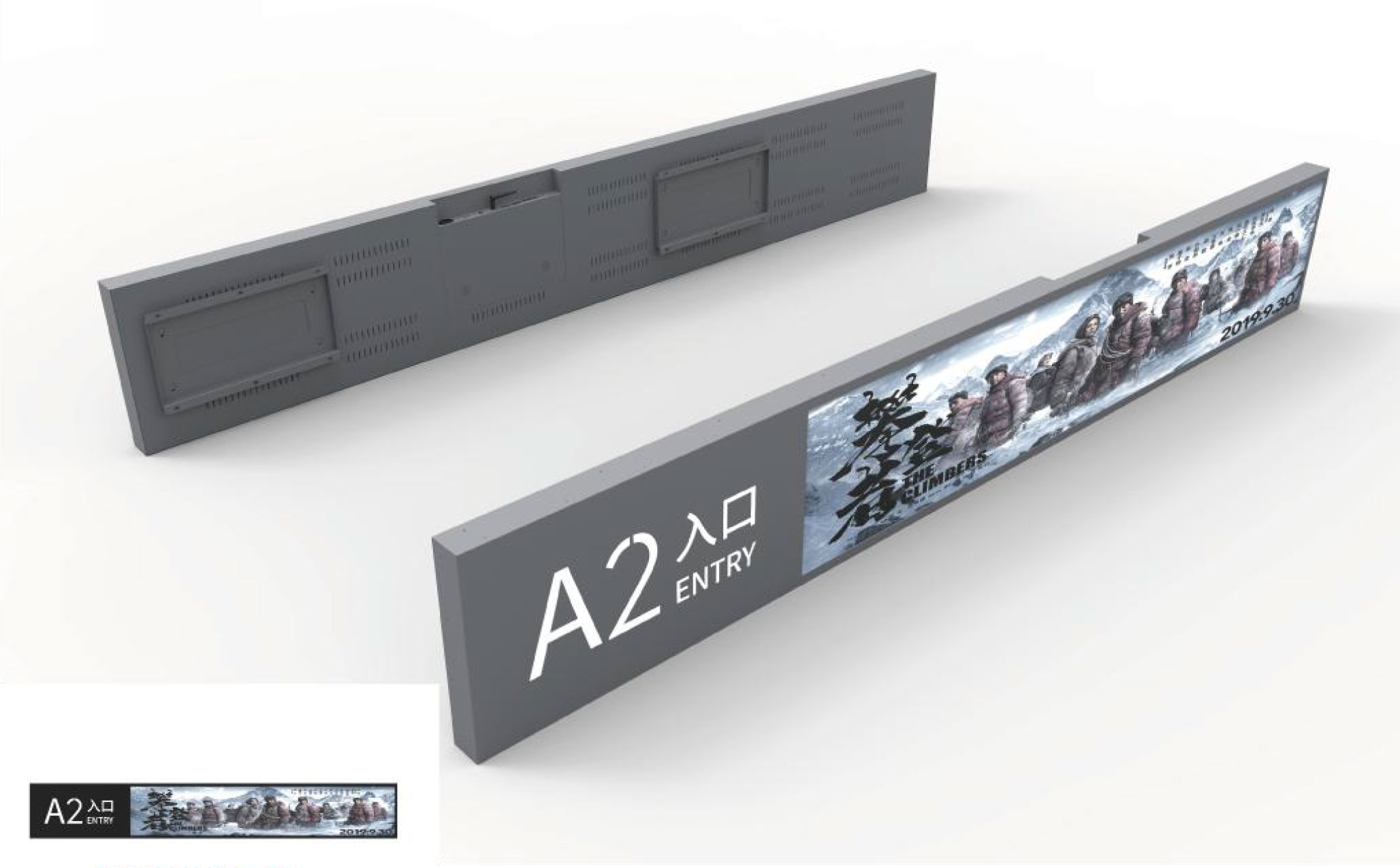
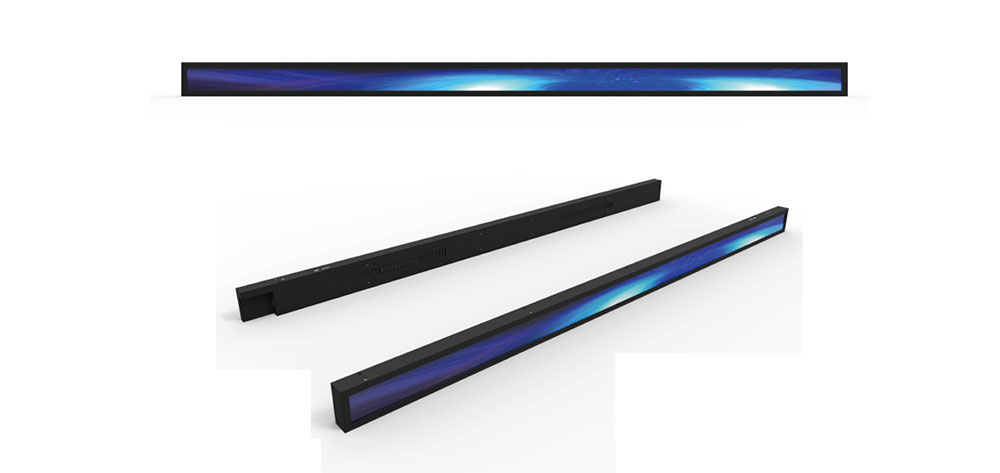
Bar type LCDs are defined by their unconventional aspect ratios, most commonly 16:4.5, 16:3, 24:9, or 32:9. These panels are frequently cut from larger mother glass or manufactured natively to deliver a wide, shallow footprint. For US retail, the physical dimensions must align with fixture standards such as gondola shelving depths, endcap widths, and standard checkout counter heights. Before committing to a purchase, verify the exact active display area, bezel width, and overall module depth to ensure the unit integrates cleanly with existing store fixtures.
Brightness Requirements for US Retail Environments
Brightness is arguably the single most important specification when selecting a bar type LCD for American stores. Interior retail lighting in the US typically ranges from 500 to 1,000 lux, while displays positioned near storefront windows or in outdoor-facing applications may encounter 5,000 lux or more from direct sunlight. A standard commercial panel at 350 to 500 nits will appear washed out under these conditions.
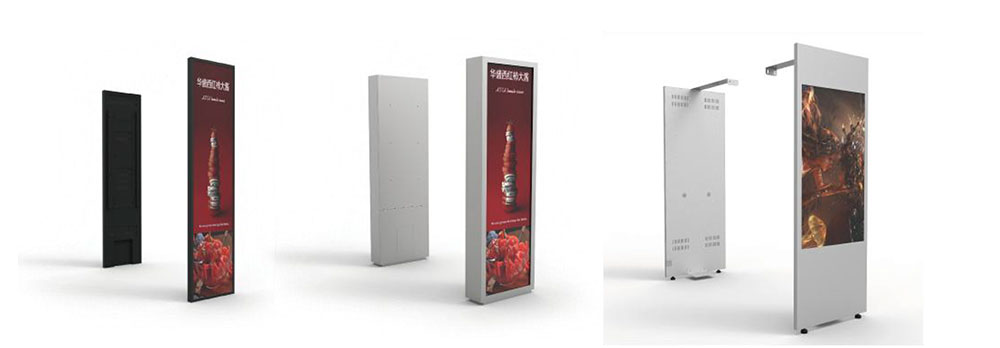
For general indoor shelf-edge signage, a brightness of 700 to 1,000 nits is recommended. For window-facing displays or high-ambient areas near entrances, choose 2,500 nits or higher. Drive-thru menu boards and semi-outdoor installations demand 3,000 nits or more with sunlight-readable optical bonding. HITULCD high-brightness bar type LCDs are engineered specifically to maintain content legibility across these varied lighting scenarios, ensuring your promotional messaging remains vivid regardless of the surrounding environment.
Optical Bonding and Anti-Glare Treatments
High ambient light in US retail often produces reflections and glare that reduce readability even on bright panels. Optical bonding eliminates the air gap between the cover glass and the LCD, reducing internal reflections and improving contrast. Anti-glare (AG) and anti-reflective (AR) surface treatments further enhance viewability. When selecting a bar type LCD for well-lit or window-adjacent placement, prioritize models that offer these treatments as standard or configurable options.
Durability and Operating Conditions
Retail displays run for extended hours, often 16 to 24 hours per day, seven days a week. Confirm that the panel is rated for commercial or industrial continuous operation rather than consumer-grade duty cycles. Key durability specifications include:
- Operating temperature range: Look for at least 0°C to 50°C for indoor use, and wider ranges for semi-outdoor or refrigerated aisle placement.
- Backlight lifespan: LED backlights rated at 50,000 hours or more reduce replacement frequency and total cost of ownership.
- IP rating: For displays near food stations, entrances, or drive-thrus, an IP65-rated front bezel protects against dust and moisture.
- Image retention protection: Features such as pixel shifting help prevent burn-in from static promotional content.
Connectivity and Content Management
US retail chains increasingly rely on networked digital signage systems. Ensure the bar type LCD supports standard interfaces such as HDMI, DisplayPort, and USB for media playback. Many deployments benefit from an integrated System-on-Chip (SoC) Android or webOS platform that runs content management software directly, eliminating the need for external media players. Verify compatibility with your existing CMS provider and confirm support for remote monitoring, scheduling, and firmware updates across multiple store locations.
Power and Voltage Compliance in the US
The United States operates on a 120V, 60Hz electrical standard. Confirm that any bar type LCD or its power supply is rated for this input or is a universal 100-240V unit. Equally important is regulatory certification. Products sold and installed in the US should carry UL or ETL listing for safety and FCC Part 15 certification for electromagnetic compliance. Displays lacking these marks may fail building inspections, void insurance coverage, or create liability during commercial installation.
Mounting and Installation Considerations
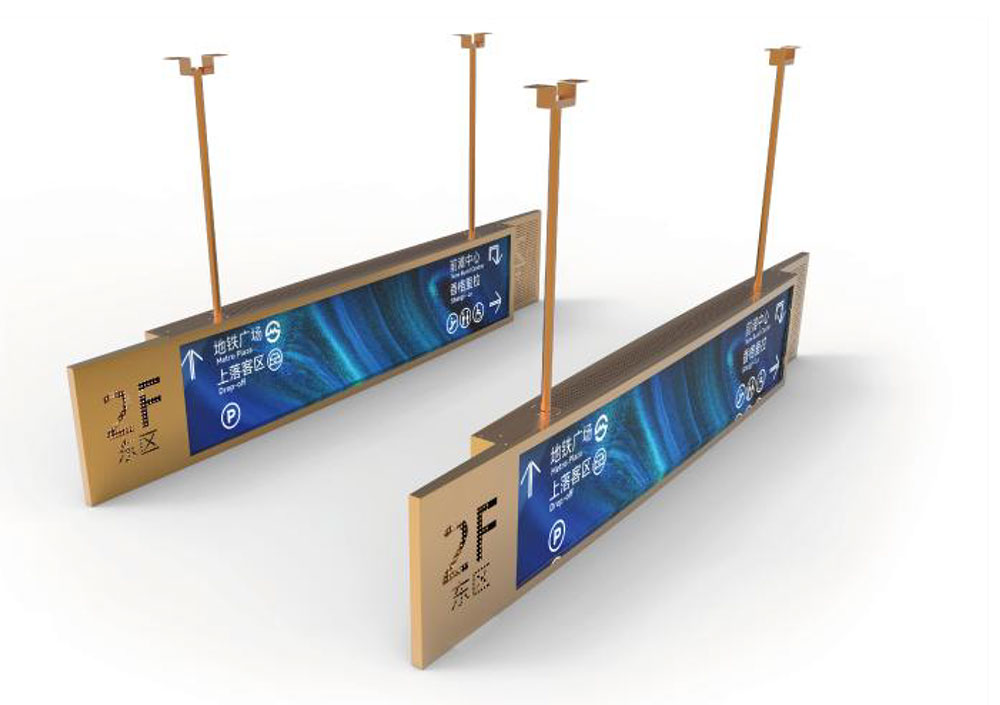
Bar type LCDs are deployed in diverse mounting scenarios: shelf-edge rails, VESA wall mounts, ceiling suspensions, and freestanding kiosks. Confirm the availability of standardized VESA mounting patterns and consider the weight distribution of the elongated form factor. For shelf-edge applications, verify that the mounting bracket accommodates the shallow depth of retail shelving without protruding into the customer aisle. Cable management and power routing should also be planned to maintain a clean, professional appearance and comply with US electrical code for concealed wiring.
Landscape Versus Portrait Orientation
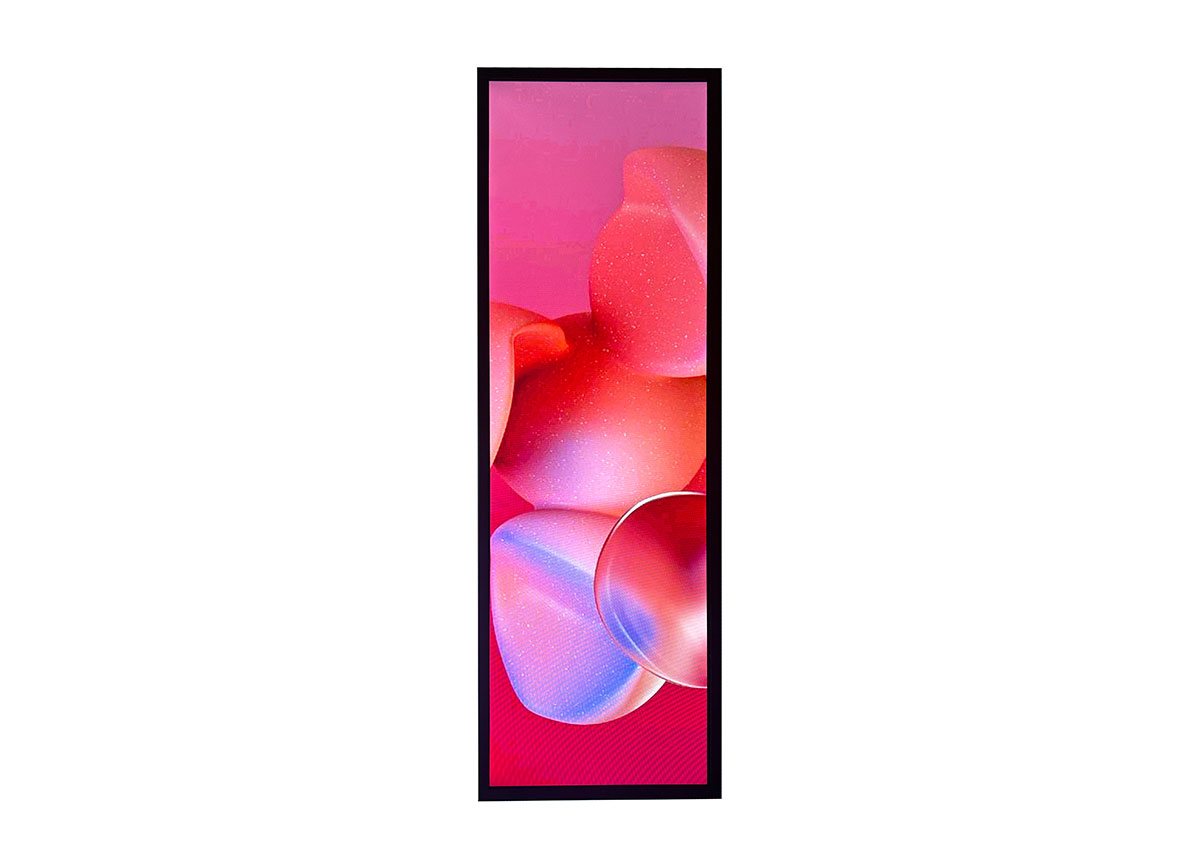
While bar type LCDs are most often mounted horizontally along shelf edges, some applications call for vertical orientation as tall, narrow columns beside doorways or between product displays. Confirm that the panel supports the intended orientation without warranty limitations, and that the internal components and thermal design accommodate portrait mounting where heat rises differently than in landscape.
Total Cost of Ownership and Supplier Support
Initial hardware price is only one component of the decision. Evaluate energy consumption, expected panel lifespan, warranty terms, and the availability of US-based technical support and spare parts. A supplier offering local logistics, responsive RMA processing, and multi-year warranties reduces downtime risk across a national store rollout. HITULCD provides tailored high-brightness bar type LCD solutions with configurable brightness, bonding, and mounting options designed to meet the demands of US retail deployments at scale.
Selection Checklist Summary
- Match aspect ratio and dimensions to your fixtures
- Choose brightness appropriate to ambient lighting (700+ nits indoor, 2,500+ nits window-facing)
- Specify optical bonding and anti-glare for reflective environments
- Confirm commercial-grade continuous operation and IP rating
- Verify CMS and connectivity compatibility
- Ensure UL/ETL and FCC certification with 120V compatibility
- Plan mounting, orientation, and cable management
- Assess total cost of ownership and US support availability
By systematically addressing form factor, brightness, durability, connectivity, compliance, and support, retailers and integrators can confidently select store compatible bar type LCDs that deliver reliable, eye-catching performance throughout US commercial environments.
KEYWORDS: bar type LCD, store compatible displays, high-brightness LCD, US retail signage, stretched LCD