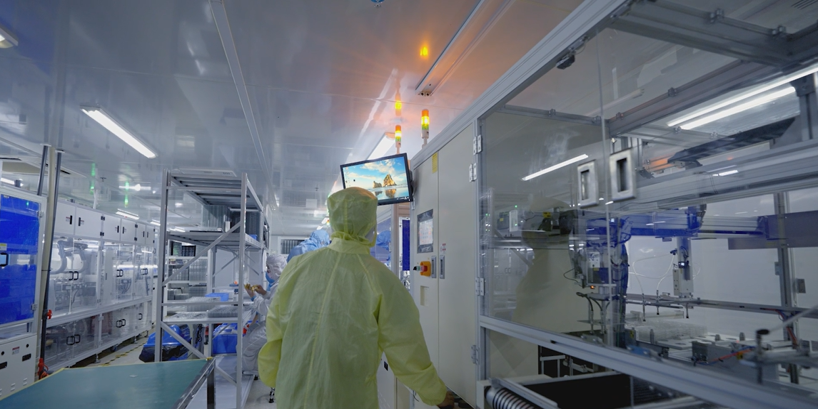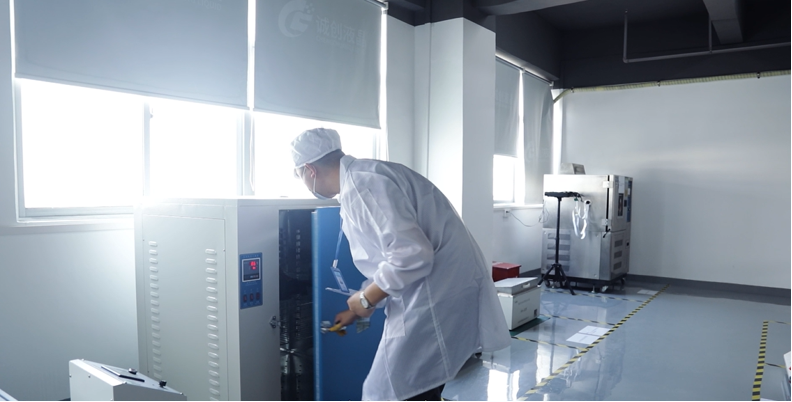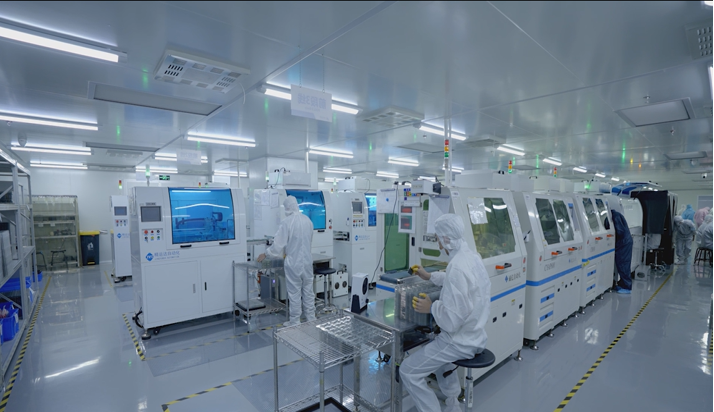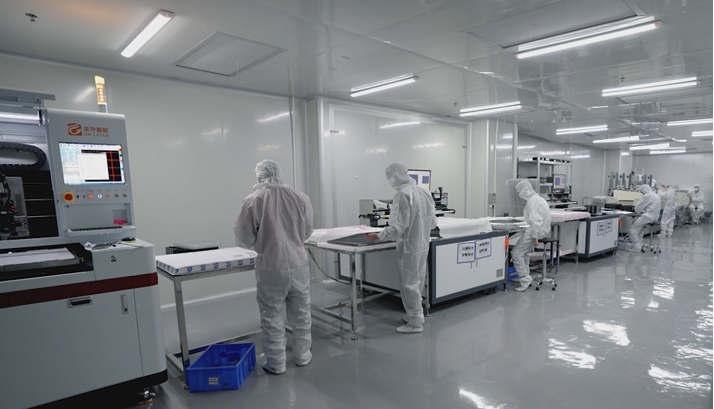
Bus station waiting areas are among the most demanding environments any commercial display will ever face. Between the constant vibration of arriving and departing coaches, the slamming of luggage against walls and posts, the surge of foot traffic, and the wide swings in temperature and light that come with semi-outdoor concourses, a standard consumer panel simply will not survive. Yet these same spaces are where clear, reliable passenger information matters most. Travelers rushing to catch a connection need to read departure times, platform assignments, and route changes at a glance. When a display fails, confusion spreads fast, staff get overwhelmed with questions, and the whole terminal loses efficiency.
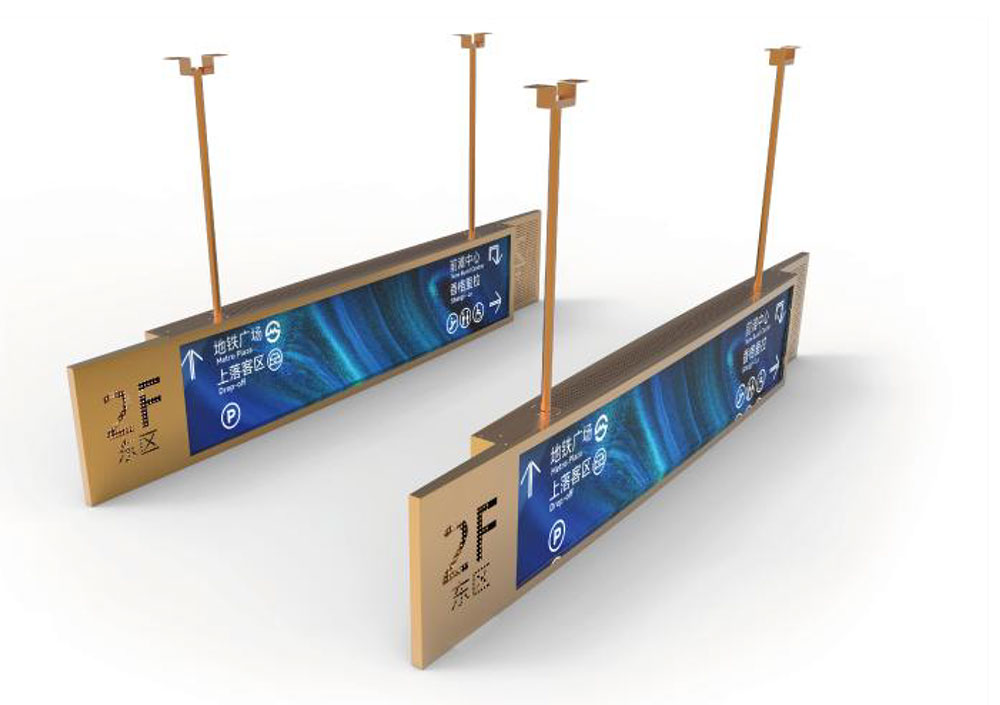
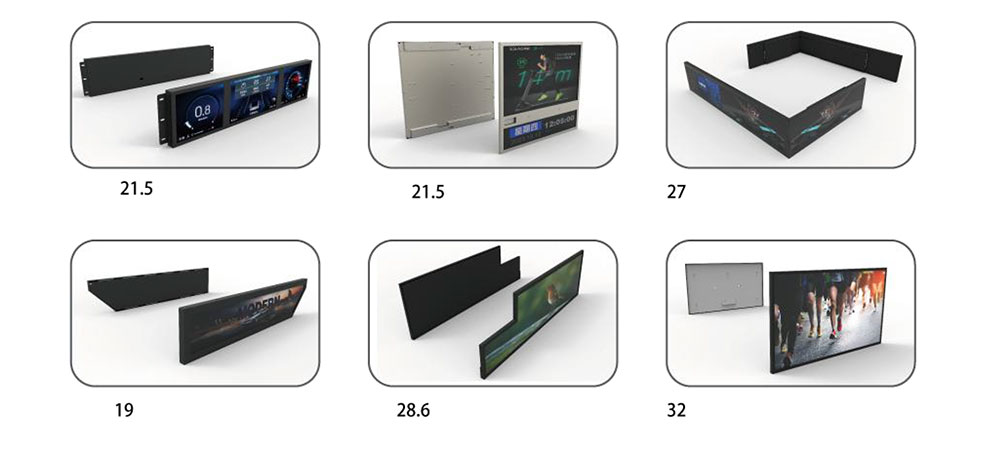
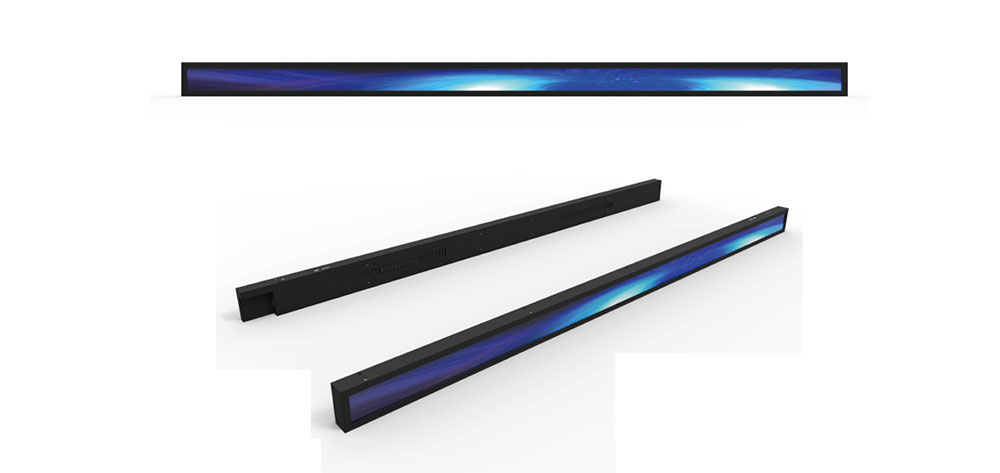
This is exactly why stretched bar LCDs have become the format of choice for transit operators. Their long, narrow aspect ratio fits perfectly above doorways, along platform edges, beneath ceiling beams, and in the tight horizontal spaces that dominate station architecture. But form factor alone is not enough. For a bus station, the panel underneath that sleek bar shape must be engineered to absorb shock, resist vibration fatigue, and keep running through years of relentless mechanical stress. At HITULCD, we have spent years refining exactly this combination of ruggedness and readability, and in this article we walk through the top four shock resistant stretched bar LCD solutions we recommend for bus station waiting areas.
Why Shock Resistance Is Non-Negotiable in Bus Stations
Before we get into specific models, it helps to understand what a display actually endures in a busy terminal. Buses are heavy vehicles, and when they pull into a bay, they transmit low-frequency vibration through the concrete floor and into any structure mounted nearby. Over months and years, this constant micro-vibration works loose connectors, cracks solder joints, and fatigues the bond between the LCD glass and its backlight assembly. A display that looks fine on day one can develop dead pixels, backlight bleed, or complete failure within a year if it was never built to handle sustained mechanical stress.
Then there is the impact risk. Waiting areas are crowded and chaotic. Passengers swing backpacks, roll heavy suitcases into walls, lean bicycles against columns, and occasionally, unfortunately, vandalize public property. A display mounted at head height along a platform is a target for accidental knocks and deliberate abuse alike. Shock resistant construction means the panel can take a direct hit without shattering, without cracking the glass, and without the internal layers delaminating.
At HITULCD, our shock resistant stretched bar LCDs address these threats through several layers of engineering. We use optical bonding to eliminate the air gap between the cover glass and the LCD cell, which dramatically increases structural rigidity and stops the two layers from flexing independently under impact. We reinforce the internal frame with a rigid metal chassis that dissipates shock energy across the whole assembly rather than concentrating it at one point. And we mount every internal component with vibration-dampening fasteners rated for continuous transit-grade stress. The result is a display built to survive the real world of a bus station, not a quiet office lobby.
1. HITULCD RuggedBar Pro Series
The RuggedBar Pro Series is our flagship shock resistant stretched bar LCD, and it is the model we most often specify for high-traffic central bus terminals. Available in a 28-inch, 35-inch, and 43-inch diagonal with a 16:4.5 ultra-wide aspect ratio, it delivers exceptional horizontal real estate for scrolling schedules, route maps, and multi-column departure boards.
What sets the RuggedBar Pro apart is its full optical bonding combined with a 6mm tempered cover glass rated to a surface hardness of 7H. This front layer can absorb a strong impact from luggage or a fist without spidering, and because the glass is bonded directly to the panel, there is no fragile air gap for shock waves to exploit. In our internal drop and pendulum impact testing, RuggedBar Pro units withstand impacts equivalent to a 5kg object striking the surface from waist height without functional damage.
Brightness is another critical factor in waiting areas, which often sit near large glass facades that flood the space with daylight. The RuggedBar Pro reaches 1500 nits of sustained brightness, more than enough to stay crisply readable in bright ambient conditions. It also includes an automatic brightness sensor that dims the panel during evening hours, saving energy and preventing glare for passengers.
For vibration, this series uses our transit-grade internal mounting system, tested to IEC 60068-2-6 vibration standards, so it holds up to the constant low-frequency shaking of nearby bus bays. A wide operating temperature range of -20°C to 60°C means it performs reliably in semi-outdoor concourses through both summer heat and winter cold. For a demanding central terminal, this is the display we trust most.
2. HITULCD StationLine Vibration-Guard Series
Not every bus station needs the maximum specification of the RuggedBar Pro. For medium-sized regional stations and suburban interchanges, the StationLine Vibration-Guard Series offers an outstanding balance of durability, readability, and value. It comes in 24-inch, 29-inch, and 38-inch stretched formats, making it easy to fit above ticket counters, alongside boarding gates, or in narrow overhead runs.
The defining feature of the StationLine series is its dedicated vibration-guard chassis. While the RuggedBar Pro is optimized for both heavy impact and vibration, the StationLine is specifically tuned to excel in environments where sustained vibration is the primary threat rather than blunt impact. Its internal frame incorporates floating suspension mounts that isolate the LCD cell from the outer housing, so vibration transmitted through the mounting bracket is absorbed before it ever reaches the sensitive glass and backlight. This makes it ideal for platform-edge installations directly above bus bays where engines idle and vehicles rumble past all day.
The StationLine offers 1000 nits of brightness, which is comfortably readable in covered waiting halls and shaded platforms. It uses a durable anti-glare coated cover glass that cuts reflections from overhead lighting, keeping text sharp from any viewing angle. With a 178-degree viewing angle on both axes, passengers can read the display clearly whether they are standing directly in front of it or approaching from the side along a platform.
Reliability is backed by an industrial-grade LED backlight rated for 50,000 hours of continuous operation, meaning the display can run 24 hours a day for more than five years before backlight brightness meaningfully degrades. For operators who want dependable, rugged performance without paying for the highest impact rating, the StationLine Vibration-Guard is a smart, cost-effective choice.
3. HITULCD SlimShock Overhead Series
Overhead mounting presents its own unique challenges. When a stretched bar LCD is suspended from a ceiling or beam above a walkway, two concerns dominate: keeping the unit thin and light enough for safe overhead installation, and ensuring that if it does take a knock during maintenance or from a tall object, nothing detaches or falls. The SlimShock Overhead Series was designed specifically for these ceiling and gate-header applications.
Despite its slim profile, the SlimShock does not compromise on ruggedness. Its aluminum unibody housing is both lightweight and extremely rigid, giving it structural strength that resists twisting and flexing while keeping the total mounted weight low. This matters enormously for overhead safety, because a lighter unit puts less stress on ceiling anchors and is safer to service. Every internal component is secured with locking fasteners and adhesive retention so that even under repeated vibration, nothing works loose and drops onto the passengers below.
The SlimShock is available in longer, thinner formats up to 48 inches, perfect for running a continuous information strip along a row of boarding gates. It delivers 1200 nits of brightness with excellent uniformity across its full length, so text remains consistently bright from one end of a long bar to the other. This uniformity is something we take pride in at HITULCD, because cheaper stretched panels often show noticeable brightness fall-off toward the edges, which looks unprofessional on a large public display.
For thermal management, the SlimShock uses a fanless passive cooling design. This is a deliberate reliability choice: fans are the most common point of failure in electronics, and they pull dust into the housing. By eliminating fans, the SlimShock has fewer moving parts to fail and a fully sealed interior that keeps out the dust and debris that circulate in busy terminals. For overhead runs where maintenance access is difficult, this fanless, shock-hardened design keeps downtime to an absolute minimum.
4. HITULCD ArmorEdge Semi-Outdoor Series
Many bus station waiting areas are only partially enclosed. Open-sided platforms, canopy-covered boarding lanes, and drive-through terminals expose displays to humidity, wind-blown dust, splashing rain, and the harshest direct sunlight. For these punishing semi-outdoor conditions, the ArmorEdge Series is our most protected shock resistant stretched bar LCD.
The ArmorEdge combines everything we have discussed so far with a sealed IP65-rated front bezel that keeps out water and dust from the exposed viewing side. Its shock resistant construction includes both the full optical bonding and reinforced chassis of our top-tier panels, plus an additional impact-absorbing gasket around the glass edge that cushions the panel against blows and prevents moisture ingress at the seams. In coastal and high-humidity regions, this sealing is what separates a display that lasts years from one that corrodes within months.
Brightness is where the ArmorEdge truly shines. It reaches 2500 nits, our highest sustained output, which keeps content readable even in direct sunlight streaming under a canopy. It also features an advanced anti-reflective and anti-fingerprint coating that maintains clarity in bright, glaring conditions. To protect the panel from the heat that high brightness and sun exposure generate, the ArmorEdge includes an intelligent thermal control system that actively manages internal temperature and automatically adjusts backlight output to prevent the image blackening that can affect ordinary LCDs when they get too hot in sunlight.
Available in 32-inch and 43-inch stretched formats, the ArmorEdge is the display we recommend wherever the environment blurs the line between indoor and outdoor. For open regional bus stops and canopy-covered urban interchanges, it delivers the ruggedness, sealing, and brightness that ordinary indoor panels simply cannot match.
How to Choose the Right Model for Your Station
With four strong options, selecting the right shock resistant stretched bar LCD comes down to matching the panel to the specific conditions of your installation. Here is how we guide our transit clients through the decision.
Start by assessing the impact risk at the mounting location. If the display sits at head height in a crowded central terminal where luggage and crowds constantly brush past, the RuggedBar Pro Series and its heavy impact rating is the safest choice. If the primary threat is sustained vibration from nearby bus bays rather than direct blows, the StationLine Vibration-Guard Series gives you targeted protection at a better price.
Next, consider the mounting method. Overhead and gate-header installations demand the lightweight, secure-retention design of the SlimShock Overhead Series, both for installation safety and for reliable long-term operation in hard-to-reach positions. Finally, evaluate the environment. Any location exposed to weather, humidity, splashing, or direct sun calls for the sealed, high-brightness ArmorEdge Semi-Outdoor Series.
Brightness should also match the ambient light. Enclosed halls do well with 1000 to 1200 nits, glass-fronted concourses benefit from 1500 nits, and sun-exposed platforms need the full 2500 nits of the ArmorEdge to stay legible. Getting brightness right is not just about visibility; running a panel at appropriate brightness for its environment also extends backlight life and reduces energy cost.
The HITULCD Commitment to Transit-Grade Displays
Every stretched bar LCD in our transit lineup is engineered from the ground up for public infrastructure, not adapted from consumer parts. We build with industrial-grade components rated for 24/7 operation, we test every shock resistant design against recognized impact and vibration standards, and we back our transit displays with long service warranties because we expect them to last. We also design for easy integration, with standard mounting patterns, flexible input options, and content management compatibility that lets your existing passenger information system drive the displays without costly reconfiguration.
A bus station waiting area is a tough place for any screen, but it is also a place where reliable information keeps thousands of journeys running smoothly every day. Choosing a display built to survive that environment is not a luxury, it is the foundation of a passenger information system that just works. Whether you need the maximum protection of the RuggedBar Pro, the vibration focus of the StationLine, the overhead specialization of the SlimShock, or the weather-sealed toughness of the ArmorEdge, HITULCD has a shock resistant stretched bar LCD engineered to keep your passengers informed for years to come.
If you are planning a new terminal or upgrading an aging information system, our engineering team can help you survey your site, assess the impact and vibration risks at each location, and specify the ideal model for every mounting point. Reach out to HITULCD to build a display network as resilient as the transit service it supports.
KEYWORDS: shock resistant stretched bar LCD, bus station displays, HITULCD, transit LCD panels, high brightness stretched displays