Outdoor kiosks across the United States face one relentless challenge: direct sunlight. From wayfinding terminals in Phoenix parking structures to ordering stations outside quick-service restaurants in Florida, a standard indoor panel simply washes out under the midday sun. Selecting a genuinely sunlight readable LCD display is the single most important engineering decision for any successful outdoor deployment. At HITULCD, we design high-brightness panels specifically for these punishing conditions, and this guide walks through the five display classes that consistently perform in real American outdoor environments.
What Makes an LCD Truly Sunlight Readable
Sunlight readability is not a single specification but the product of several coordinated design choices. The headline figure is luminance, measured in nits (candela per square meter). Indoor monitors typically deliver 250 to 400 nits, which is invisible in direct sun. A sunlight readable outdoor kiosk display generally requires 1,000 nits at minimum, with 1,500 to 2,500 nits preferred for panels facing south or west in high-insolation states such as Arizona, Nevada, Texas, and California.
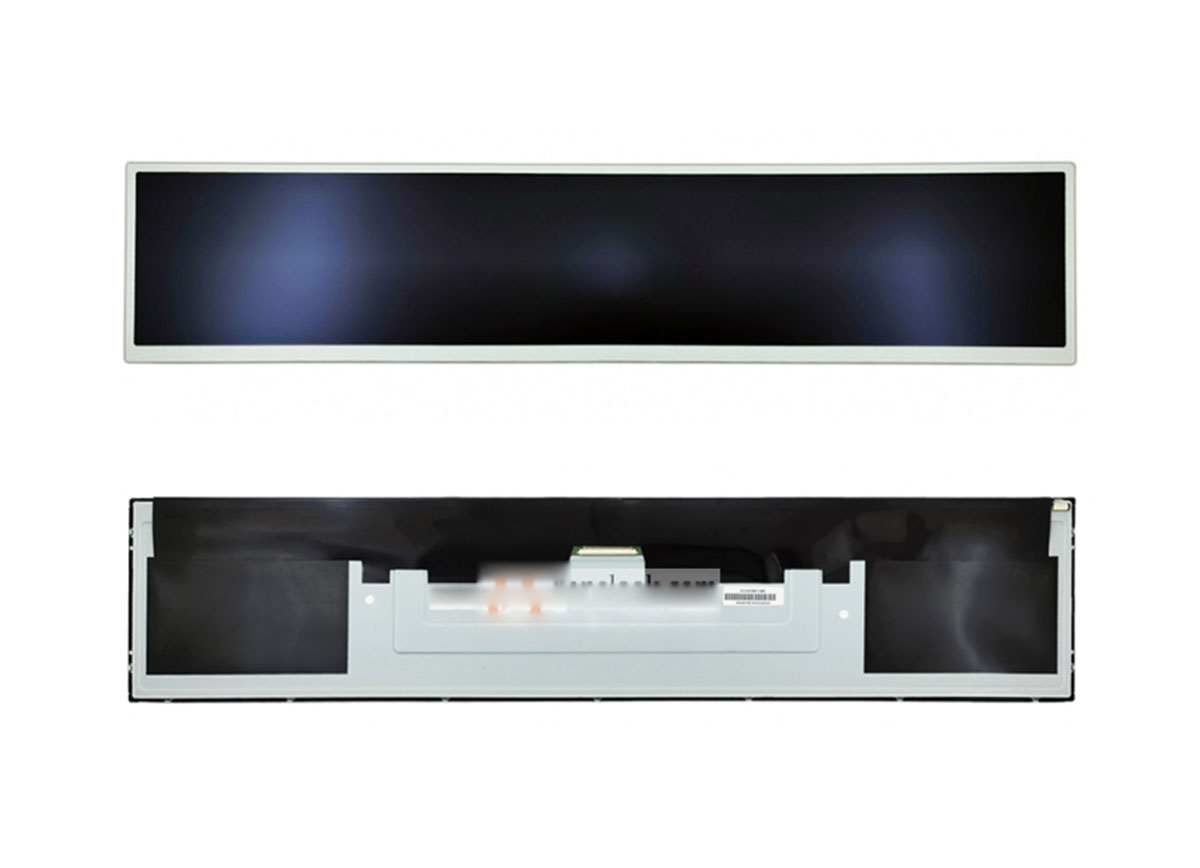
Brightness alone is insufficient. Ambient contrast ratio—the perceived contrast under bright light rather than in a dark lab—determines whether text remains legible. This is where optical bonding matters. By eliminating the air gap between the cover glass and the LCD cell with an index-matched adhesive, optical bonding drastically reduces internal reflections and prevents condensation. Anti-glare and anti-reflective coatings further tame specular reflections from the sky and surroundings. Together, high nits, optical bonding, and effective coatings define a genuine sunlight readable panel.
Thermal Management: The Hidden Requirement
High-brightness backlights generate substantial heat, and a sealed outdoor enclosure in an American summer can exceed 60°C internally. Two failure modes threaten uncooled displays: liquid crystal isotropic clearing, which appears as dark blotches, and accelerated backlight degradation. The best outdoor kiosk displays pair a wide-temperature LCD cell (rated roughly -30°C to +85°C) with active or passive thermal management, and often include an automatic brightness sensor that dims the panel at night to conserve the backlight and reduce heat load. Any evaluation of a sunlight readable display for the USA market must weigh thermal design as heavily as raw luminance.
Our Top 5 Sunlight Readable LCD Displays for Outdoor Kiosks
1. 21.5-Inch 1500-Nit High-Brightness Panel
The 21.5-inch Full HD panel is the workhorse of the American kiosk market. At 1,500 nits with optical bonding and a projected capacitive touchscreen that reads accurately through gloves and light rain, it suits self-order kiosks, ticketing terminals, and retail wayfinding. Its 16:9 aspect ratio matches most existing kiosk content, making it a straightforward upgrade from indoor hardware. This panel is our most requested sunlight readable LCD display for covered outdoor and semi-shaded installations.
2. 32-Inch 2500-Nit Ultra-High-Brightness Display
For unshaded kiosks in direct desert or coastal sun, 2,500 nits is the safe target. This 32-inch display combines an ultra-high-brightness LED backlight, full optical bonding, and integrated thermal management for reliable operation in Phoenix, Las Vegas, and Miami climates. It is ideal for EV charging stations, transit information hubs, and drive-thru menu boards where legibility cannot be compromised at any hour of the day.
3. 15.6-Inch Compact 1000-Nit Touch Panel
Not every kiosk needs a large canvas. The 15.6-inch 1,000-nit panel serves compact applications such as visitor check-in stations, parking payment terminals, and interactive directories. Its lower power draw simplifies enclosure design and reduces cooling requirements, making it a cost-effective sunlight readable choice for partially shaded or north-facing outdoor locations across the USA.
4. 43-Inch Portrait 2000-Nit Signage-Grade Display
Large-format outdoor kiosks demand both brightness and endurance. This 43-inch portrait panel delivers 2,000 nits with a signage-grade, 24/7-rated cell and wide-temperature tolerance. Deployed as digital directories in shopping centers, stadium concourses, and airport exteriors, it pairs high luminance with optical bonding and an anti-reflective front surface to hold contrast even under a bright open sky.
5. 27-Inch 1500-Nit Optically Bonded Interactive Display
The 27-inch class bridges compact and large-format needs. At 1,500 nits with a durable optically bonded touchscreen, it is a versatile sunlight readable display for QSR ordering, hospitality concierge kiosks, and municipal service terminals. Its balanced size and brightness make it one of the most flexible outdoor kiosk displays for mixed-lighting American sites.
How to Choose the Right Panel for Your Location
Match luminance to sun exposure: 1,000 nits for shaded or north-facing kiosks, 1,500 nits for typical mixed conditions, and 2,000 to 2,500 nits for panels in direct southern or western sun in high-insolation states. Confirm optical bonding and anti-reflective treatment are included, verify the operating temperature range against your local climate extremes, and specify an ambient light sensor for automatic brightness control. These four factors determine whether an outdoor kiosk remains readable and reliable for years.
Partner with HITULCD for Your Outdoor Kiosk Project
Every deployment site is different, and the right sunlight readable LCD display depends on orientation, enclosure design, and content requirements. HITULCD engineers high-brightness panels from 10 to 55 inches with optical bonding, wide-temperature cells, and integrated thermal management for demanding outdoor environments throughout the United States. Whether you are rolling out a nationwide kiosk network or upgrading a single terminal, our team can specify a panel matched precisely to your brightness, size, and durability needs.
KEYWORDS: sunlight readable LCD display, outdoor kiosk display, high-brightness LCD, optical bonding, 2500 nit display