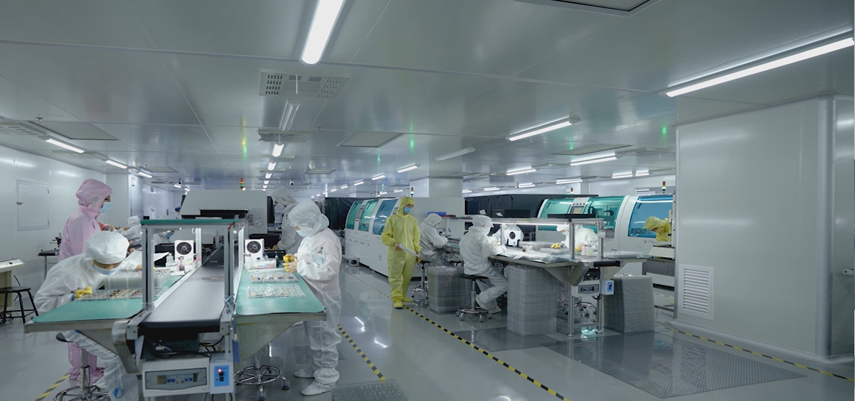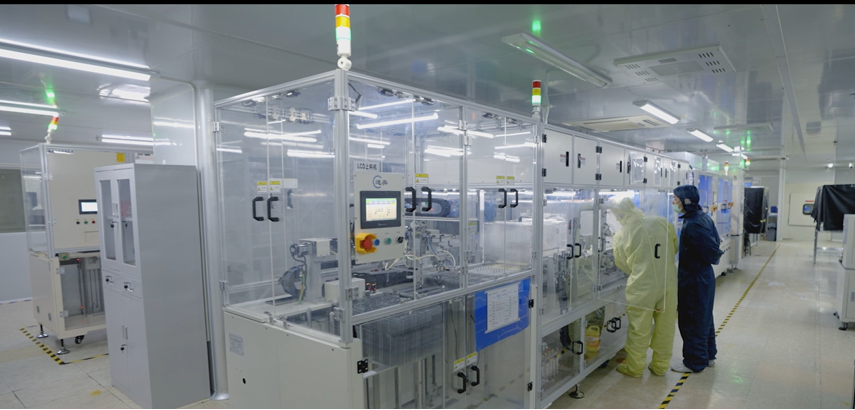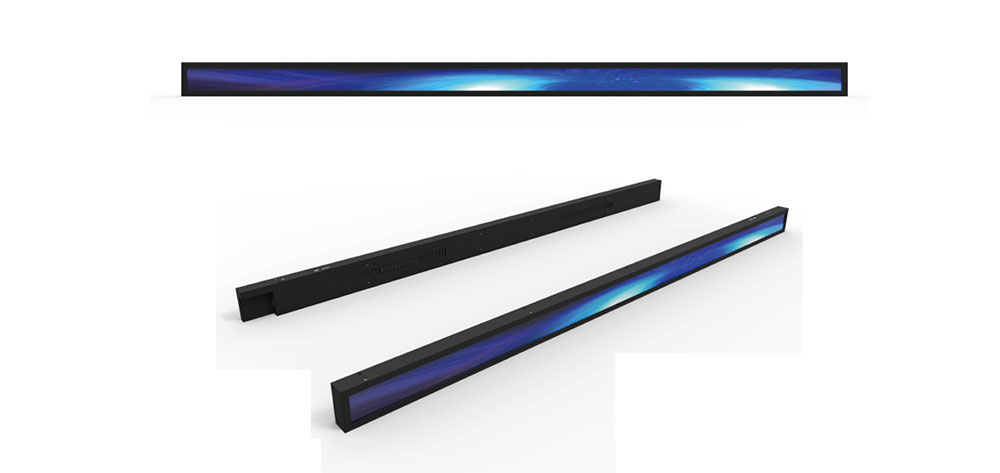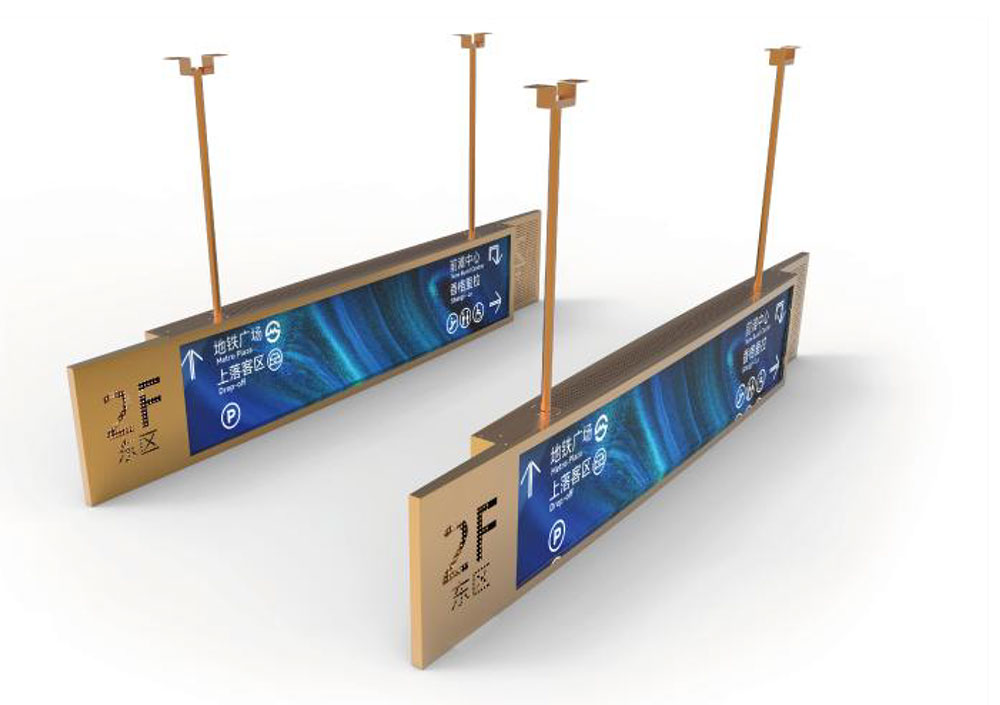
Industrial environments rarely offer the controlled lighting of an office. Displays get installed on factory floors flooded with skylight, mounted on outdoor kiosks under direct sun, or bolted into transportation cabins where glare shifts by the minute. In these settings, a standard 250 to 400 nit panel washes out completely, leaving operators squinting at ghost images and missing critical data. That is why high brightness industrial LCD screens rated above 1000 nits have become the baseline for any application that faces ambient light. At HITULCD, we build and integrate these panels every day, and below we break down the five best options for demanding industrial deployments, along with the engineering details that actually matter when you specify one.
Why 1000 Nits Is the Threshold for Industrial Readability
Brightness is measured in nits (candela per square meter). Indoor consumer displays sit around 250 to 350 nits. Once a screen faces indirect daylight, readability starts to suffer below 700 nits. Under direct sunlight, ambient illuminance can exceed 10,000 lux, and the display must overpower that with both raw luminance and an optically bonded, low-reflectance surface. A screen rated at 1000 nits or higher, combined with anti-glare treatment and optical bonding, maintains a usable contrast ratio where a dimmer panel would vanish into reflection.
There is a second reason the 1000 nit threshold matters: sunlight readability is not only about peak output. It is about the ratio between emitted light and reflected light. A 1000 nit panel with a 1.2 percent reflectance surface delivers far better legibility than a 1500 nit panel with an untreated 8 percent glossy front. When you evaluate the screens below, look at the full optical stack, not just the headline brightness number.
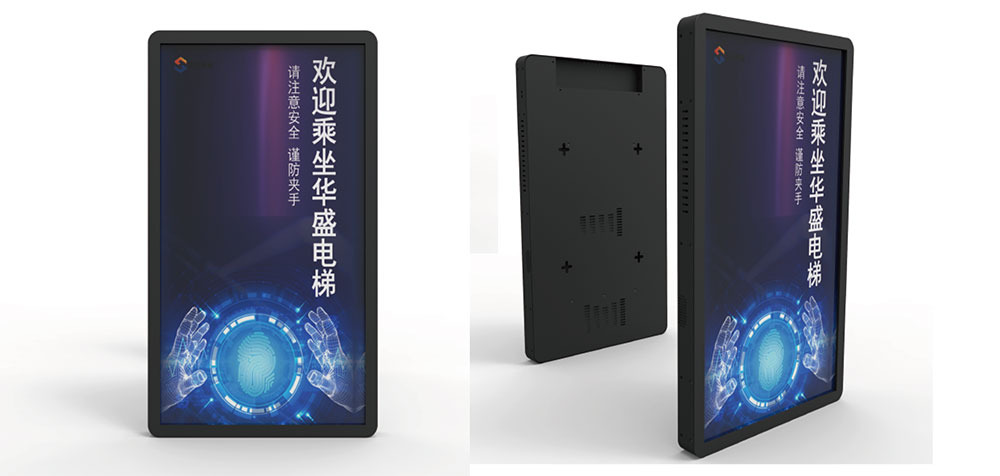
1. HITULCD 15.6" Full HD Sunlight Readable Panel (1500 Nits)
Our 15.6-inch Full HD module is the workhorse of the range and the most popular choice for outdoor kiosks, EV charging stations, and agricultural machinery. It pushes 1500 nits through a high-efficiency LED backlight while drawing power intelligently through an automatic dimming sensor that scales output to ambient conditions. That sensor is not a luxury; it prevents needless heat buildup and extends backlight life during cooler morning and evening hours.
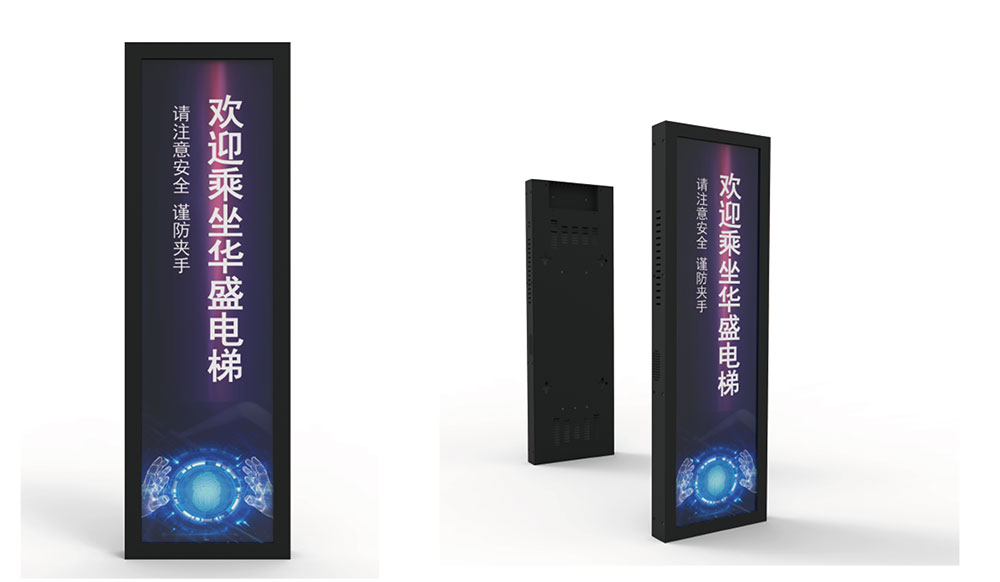
- Resolution: 1920 x 1080 IPS, 178-degree viewing angles
- Brightness: 1500 nits with optical bonding and AR/AG coating
- Operating temperature: -30°C to +85°C
- Interfaces: LVDS and eDP options, with HDMI/VGA control boards available
The IPS panel keeps color and contrast stable off-axis, which is essential for kiosks that pedestrians approach from many angles. With optical bonding eliminating the air gap between the cover glass and the LCD, internal reflections drop sharply and the risk of condensation inside the display is removed.
2. HITULCD 21.5" Wide Format Display (1000 Nits)
For digital signage and control room applications where a larger canvas matters more than extreme peak brightness, the 21.5-inch panel at a clean 1000 nits is the value leader. It hits the readability threshold for semi-shaded outdoor and bright indoor use while keeping thermal load and cost manageable. This is the screen we recommend when a display sits under a canopy, in a transit shelter, or beside a large window rather than in unshaded direct sun.
- Resolution: 1920 x 1080, 16:9 widescreen
- Brightness: 1000 nits, anti-glare hard-coated surface
- Long backlight lifespan rated at 50,000 hours
- Optional PCAP touch with sunlight-compatible controller tuning
Because it stays at 1000 nits rather than pushing higher, this model runs cooler and needs less aggressive heat management, which simplifies enclosure design for integrators working with tight cabinet space.
3. HITULCD 10.1" Rugged Embedded Module (1200 Nits)
Small form factor does not mean compromised brightness. This 10.1-inch module targets handheld terminals, marine instrumentation, and in-vehicle displays where space is scarce but sunlight exposure is constant. At 1200 nits with a wide operating temperature window, it survives the vibration, thermal cycling, and moisture that mobile industrial equipment endures.
- Resolution: 1280 x 800 IPS
- Brightness: 1200 nits, optically bonded PCAP touch
- Wide temperature: -30°C to +80°C
- Rugged mounting with reinforced FPC and locking connectors
Marine and off-highway vehicle designers favor this module because its touch layer is tuned to register through gloved hands and wet conditions, a common failure point for consumer-grade panels dropped into industrial roles.
4. HITULCD 32" Large Format Outdoor Display (2500 Nits)
When the application is genuinely outdoor and unshaded, such as drive-through menu boards, transit information displays, or stadium wayfinding, brightness has to be uncompromising. Our 32-inch large format display delivers 2500 nits, backed by a robust thermal management system with internal airflow and temperature sensors that throttle the backlight before heat becomes damaging. This is the screen for the harshest ambient light you will face.
- Resolution: 1920 x 1080, 500,000:1 dynamic contrast
- Brightness: 2500 nits with active thermal regulation
- IP-rated front bezel options for dust and water resistance
- Ambient light sensor for automatic day/night dimming
At this brightness class, thermal engineering is the differentiator. A 2500 nit backlight generates significant heat, and without proper dissipation the panel will suffer accelerated luminance decay and image blooming. The integrated fans and sensor loop are what keep this display stable through years of full-sun operation.
5. HITULCD 7" Compact Instrument Display (1000 Nits)
Rounding out the range is a compact 7-inch panel for instrument clusters, medical carts, and portable test equipment. It reaches 1000 nits, enough for bright clinical and field environments, while sipping power to protect battery-driven devices. Its low power draw and small footprint make it the go-to for equipment that must stay readable without draining a limited energy budget.
- Resolution: 1024 x 600 IPS
- Brightness: 1000 nits, anti-glare surface
- Low power consumption for battery-powered devices
- Wide viewing angle for shared clinical and field use
How to Choose the Right High Brightness Panel
Start with the ambient light your display will face, not the brightness spec in isolation. Fully shaded or indoor-bright locations are well served by 1000 nits. Partial sun and reflective environments call for 1200 to 1500 nits. Unshaded direct sunlight demands 2000 nits or more paired with active cooling. From there, confirm three things: the surface treatment (optical bonding plus anti-glare beats raw brightness), the operating temperature range for your climate, and whether an automatic dimming sensor is included, since it protects the backlight and saves power across the day.
Every HITULCD panel above ships with optical bonding options, wide-temperature backlights, and configurable interface boards, so you can match the display to your enclosure and controller without redesigning around the screen. If you are unsure which model fits your ambient conditions, our engineering team can run a readability assessment based on your installation angle and expected lux levels.
KEYWORDS: high brightness industrial LCD, 1000 nits LCD screen, sunlight readable display, optical bonding, rugged LCD panel