Bar type LCDs, also known as stretched or ultra-wide displays, have become the backbone of modern signage, transit information systems, retail shelf edges, and industrial HMI panels. When these displays are paired with an integrated Android system-on-chip and pushed to high brightness levels, they transform from passive screens into intelligent, standalone visual platforms. For buyers in the United States seeking reliable supply, technical depth, and long product lifecycles, understanding what defines a capable manufacturer of smart Android-based bar type LCDs is essential. This white paper from HITULCD examines the technology, selection criteria, and engineering considerations behind these specialized displays.
What Is a Smart Android-Based Bar Type LCD?
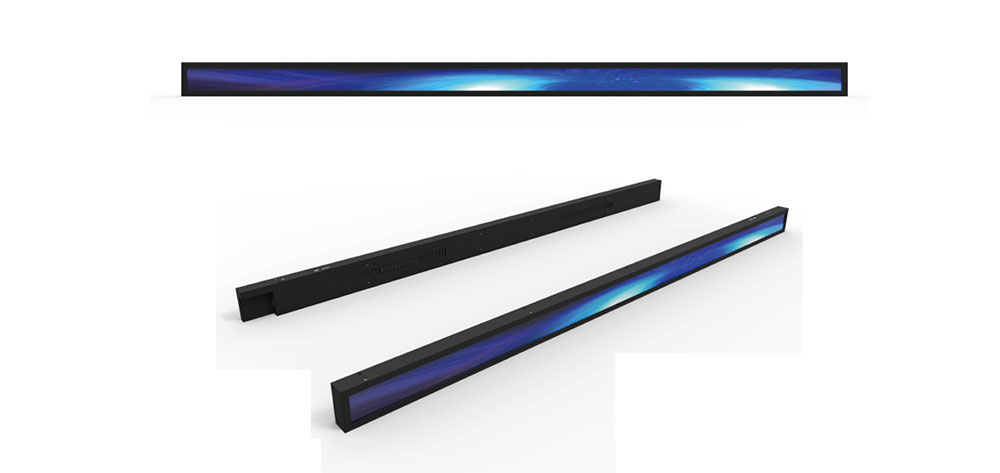
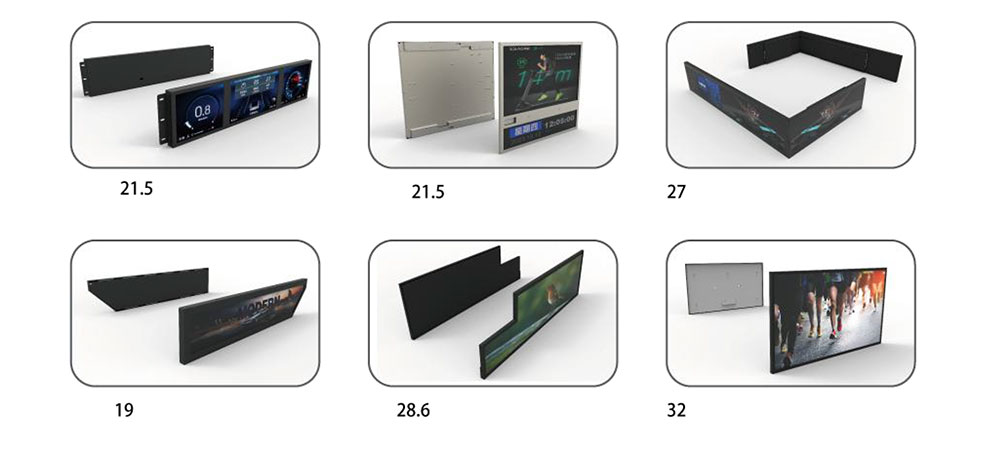
A bar type LCD uses an elongated aspect ratio, commonly 16:4.5, 24:9, or fully custom cuts, achieved either through native stretched panels or precision-cut TFT glass. The "smart" designation means the display integrates an Android-powered mainboard directly behind the panel, eliminating the need for an external media player or PC. This all-in-one architecture runs Android 8.1, 11, or 13 depending on the SoC generation, and supports networked content management, sensor inputs, and remote OTA updates.
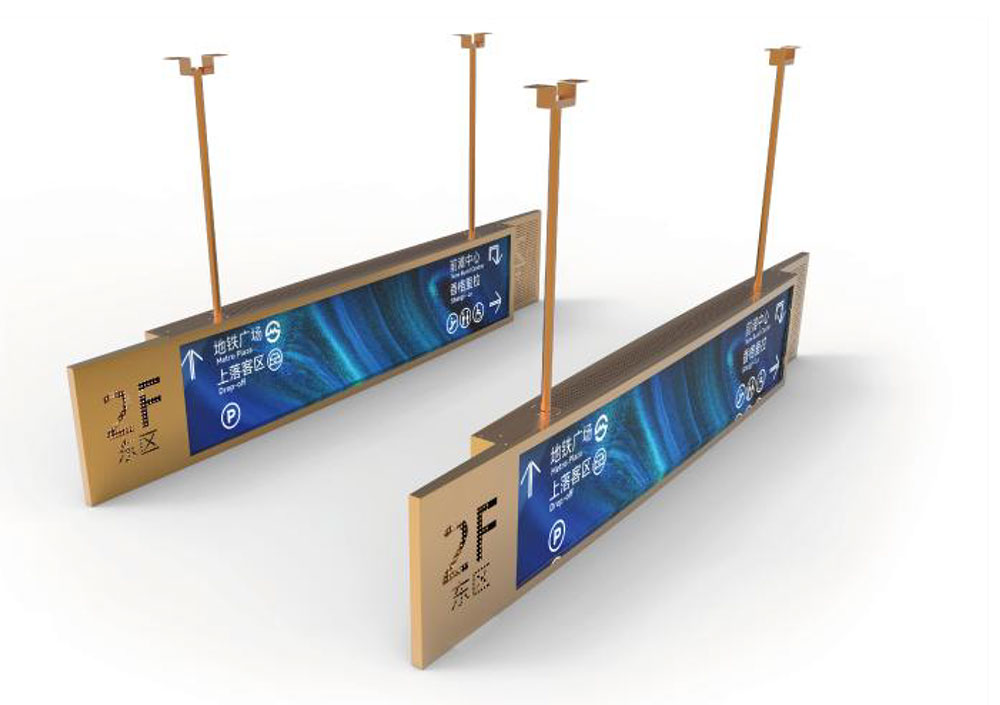
The combination is powerful: the unusual form factor fits narrow mounting spaces such as shelf edges, elevator door frames, transit rails, and gaming machine toppers, while the embedded Android layer delivers programmable interactivity. High-brightness backlighting, typically 1000 to 3000 nits, ensures the content remains legible under direct sunlight or intense ambient lighting.
Why US Buyers Prioritize Domestic and US-Facing Suppliers
Sourcing bar type displays through a manufacturer with strong US logistics, warehousing, and technical support offers measurable advantages. Lead times shrink, RMA turnaround improves, and UL/FCC compliance documentation is readily available. US-facing manufacturers also tend to align firmware and content management platforms with North American CMS ecosystems and cloud services.
- Regulatory compliance: UL 60950 / UL 62368, FCC Part 15, and RoHS certifications required for US deployment.
- Local inventory: Stocked standard sizes reduce project delays.
- Voltage and connector standards: 110–120V power supplies and NEMA-compatible options.
- Support alignment: Time-zone matched engineering assistance and English documentation.
Core Technical Specifications to Evaluate
When comparing smart Android bar type LCDs, focus on the parameters that directly affect deployment reliability and visual performance. The table below summarizes the key specification ranges typical of professional-grade units.
| Parameter | Standard Grade | High-Brightness Grade | Ruggedized Outdoor Grade |
|---|---|---|---|
| Brightness | 350–500 nits | 1000–1500 nits | 2000–3000 nits |
| Aspect Ratio | 16:9 (cut) | 24:9 / 16:4.5 | Custom stretched |
| Android Version | Android 8.1 | Android 11 | Android 13 |
| SoC | RK3288 | RK3399 / RK3568 | RK3588 |
| RAM / Storage | 2GB / 16GB | 4GB / 32GB | 8GB / 64GB |
| Operating Temp | 0°C to 50°C | -10°C to 60°C | -30°C to 70°C |
| Optical Bonding | Air gap | Optional | Full optical bonding |
| IP Rating (front) | IP40 | IP54 | IP65 |
Brightness and Optical Bonding Explained
Brightness alone does not guarantee outdoor readability. Contrast ratio under ambient light, anti-glare treatment, and optical bonding all contribute to the final result. Optical bonding fills the air gap between the touch layer or cover glass and the LCD with an optically clear adhesive, reducing internal reflections and improving contrast by up to 40 percent in bright conditions. For high-brightness bar type displays deployed near windows or outdoors, full optical bonding also prevents condensation and improves impact resistance.
Thermal Management in Stretched Form Factors
High-brightness backlights generate significant heat, and the narrow chassis of a bar type display leaves little room for airflow. Quality manufacturers address this through aluminum heat-spreading backplates, temperature-controlled backlight dimming, and in the brightest units, active cooling. Automatic brightness adjustment via an integrated ambient light sensor extends LED lifespan while maintaining legibility, a feature increasingly expected in US commercial deployments.
Software Ecosystem and Content Management
The Android layer is what makes these displays "smart." Look for manufacturers that provide a documented SDK, support for common content management systems, and secure OTA firmware updates. Enterprise deployments benefit from device provisioning, remote reboot scheduling, watchdog timers to auto-recover from crashes, and MDM compatibility. GPIO, RS232, USB, and Ethernet ports expand the display into a full interactive endpoint for kiosks, queue management, and IoT sensor integration.
Comparing Deployment Scenarios
| Application | Recommended Brightness | Key Feature |
|---|---|---|
| Retail shelf edge | 500–700 nits | Slim depth, PoE power |
| Transit / rail info | 1500 nits | Wide temp range, 24/7 rating |
| Storefront window | 2500–3000 nits | Optical bonding, sun readable |
| Elevator / building lobby | 700–1000 nits | Compact SoC, LAN CMS |
| Gaming / entertainment | 1000–1500 nits | Touch overlay, GPIO control |
How to Qualify a Manufacturer
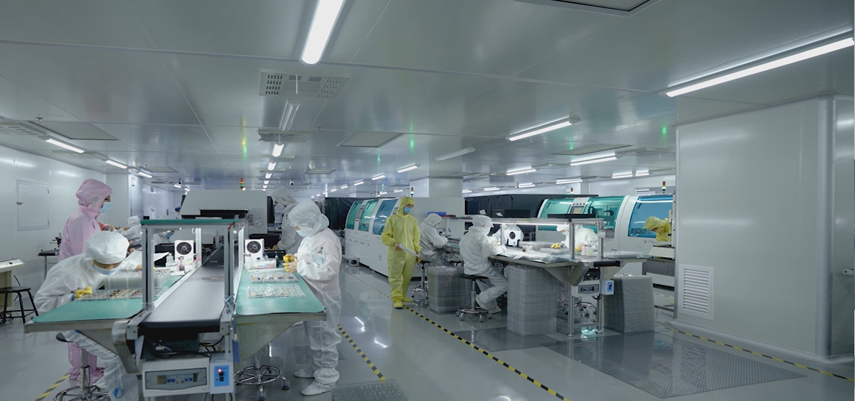
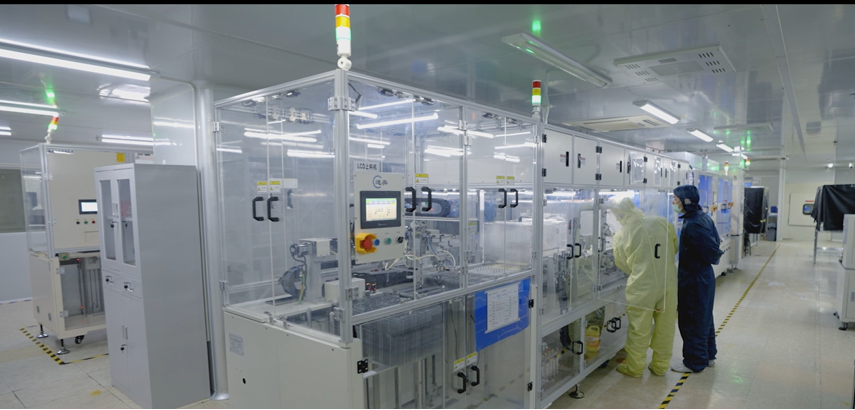
Beyond specifications, evaluate a supplier's engineering maturity. Request MTBF data on the backlight and mainboard, ask about panel sourcing and long-term availability, and confirm the warranty terms for 24/7 operation. A capable manufacturer will offer customization of size, brightness, interfaces, and Android firmware, along with sample units for field validation before volume commitment. Certifications, factory audit reports, and reference deployments in comparable US environments are strong indicators of reliability.
Conclusion
Smart Android-based bar type LCDs bridge the gap between fixed signage and intelligent, connected displays, and their unusual form factor unlocks placements that standard monitors cannot serve. For US buyers, the right manufacturer combines high-brightness engineering, robust thermal design, a mature Android software ecosystem, and dependable regional support. By evaluating brightness grade, optical bonding, thermal handling, and software openness against your specific deployment scenario, you can specify a display that performs reliably for years. HITULCD engineers these solutions to meet the demanding readability, durability, and integration requirements of the North American market.