Introduction: Why Bar Type LCDs Matter in Industrial Design
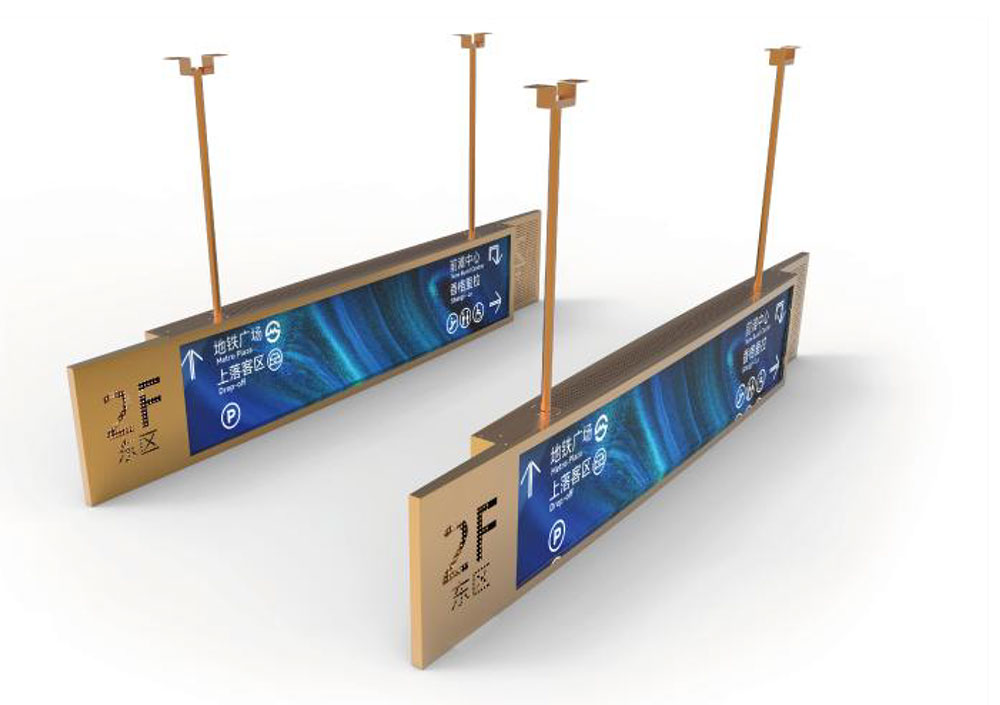
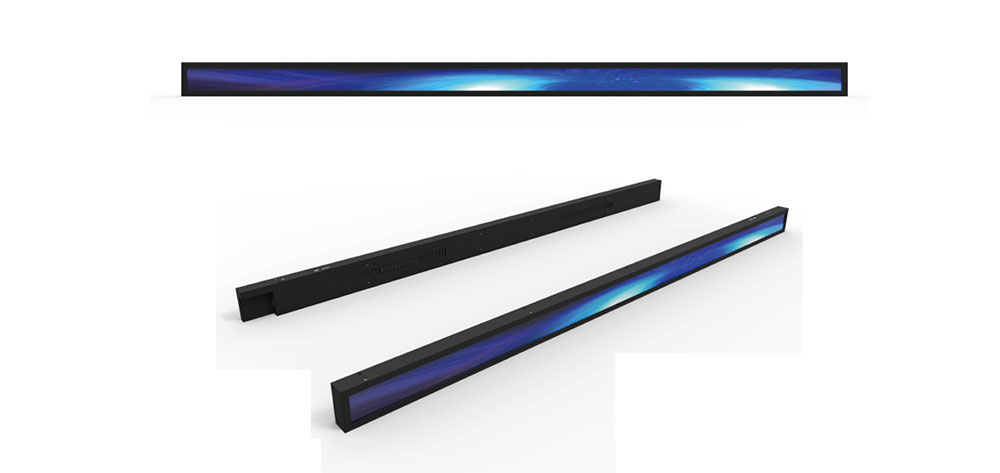
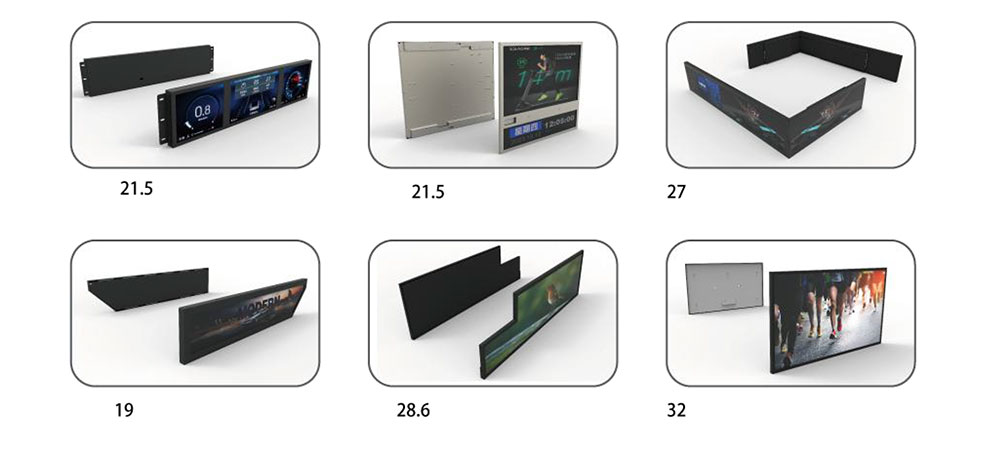
Embedded bar type LCDs, also known as stretched or ultra-wide displays, have become a cornerstone of modern industrial equipment. Their elongated aspect ratios (such as 16:3, 24:9, or custom formats) allow engineers to fit rich visual information into narrow mechanical enclosures where a conventional 4:3 or 16:9 panel simply will not physically integrate. From factory automation controllers and instrumentation panels to smart shelving, medical carts, and transportation dashboards, the bar type form factor solves a persistent packaging challenge without sacrificing readability.
For OEMs and system integrators sourcing these panels in North America, working with US-based or US-supporting manufacturers offers meaningful advantages: shorter lead times, localized engineering support, easier compliance documentation, and reduced supply-chain risk. This guide, prepared by the engineering team at HITULCD, explains what to look for in an embedded bar type LCD, the technical parameters that determine industrial suitability, and how to evaluate supplier capabilities.
What Defines an Embedded Bar Type LCD?
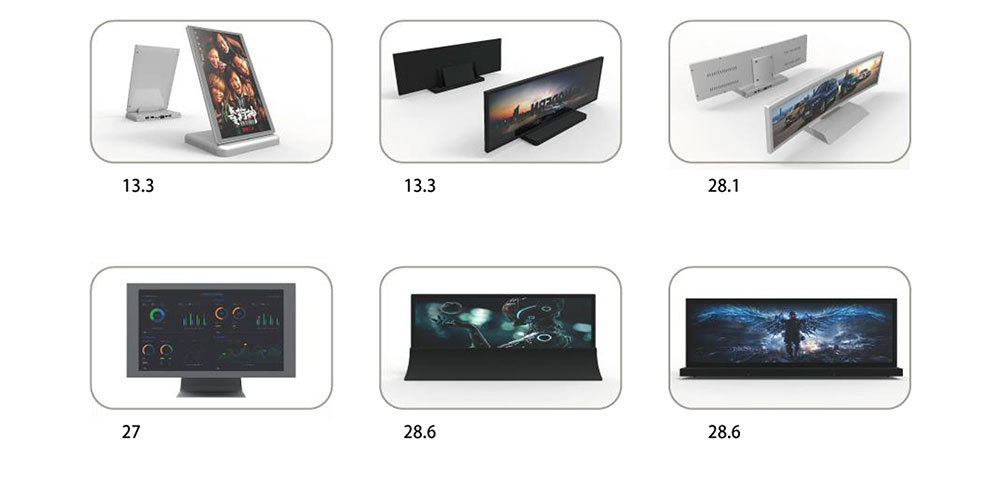
A bar type LCD is a display module whose active area has been designed or cut to a non-standard, elongated aspect ratio. Unlike a standard panel that has simply been masked, a true industrial bar type display integrates the TFT glass, backlight, driver electronics, and interface board into a single embedded module optimized for the target aspect ratio. Key structural characteristics include:
- Elongated active area — ratios ranging from 4:1 up to extreme 16:1 layouts depending on the application.
- Embedded controller board — supporting LVDS, MIPI-DSI, eDP, or RGB interfaces for direct integration into an embedded processor or SBC.
- Robust mechanical mounting — with brackets, gaskets, or optical bonding to survive vibration and shock.
- Long-term availability — industrial-grade panels are committed for multi-year production runs, unlike consumer panels that cycle rapidly.
Critical Technical Specifications for Industrial Applications
1. High Brightness and Sunlight Readability
Industrial equipment frequently operates in high-ambient-light environments — factory floors with skylights, outdoor kiosks, or transportation bays. Standard consumer panels deliver 250–400 nits, which washes out under bright light. High-brightness bar type LCDs from specialist manufacturers reach 1000–2500 nits, paired with optical bonding and anti-reflective treatments to maintain contrast. At HITULCD, high-brightness engineering is a core competency, and we recommend a minimum of 1000 nits for any semi-outdoor deployment.
2. Wide Operating Temperature Range
Embedded industrial displays must tolerate environments from -30°C to +85°C. This demands wide-temperature liquid crystal fluid, thermally compensated backlights, and heaters or fluid formulations that prevent image lag or blackout in cold conditions.
3. Interface and Integration Flexibility
The right interface depends on the host system. LVDS remains dominant for mid-size embedded panels, MIPI-DSI is common on ARM-based SBCs, and eDP suits higher-resolution designs. A capable US supplier will offer interface adaptation and driver board customization rather than forcing a fixed configuration.
4. Longevity and Backlight Life
Industrial LED backlights should be rated for 50,000+ hours to minimize field maintenance. Ask suppliers for MTBF data and confirm the panel is on a longevity roadmap with EOL notification commitments.
Evaluating US Manufacturers and Suppliers
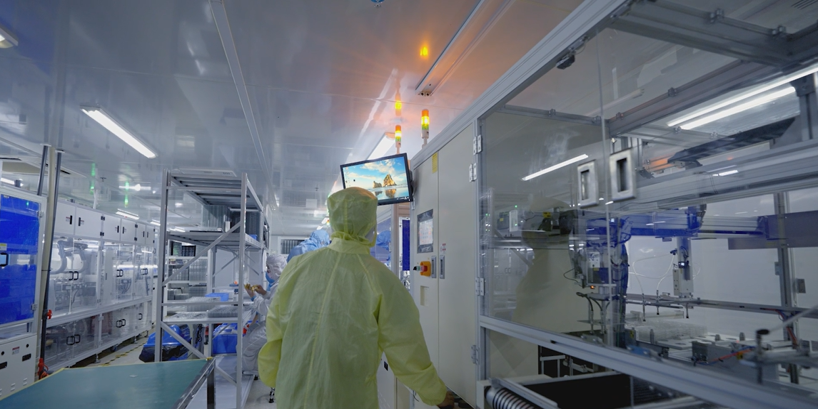
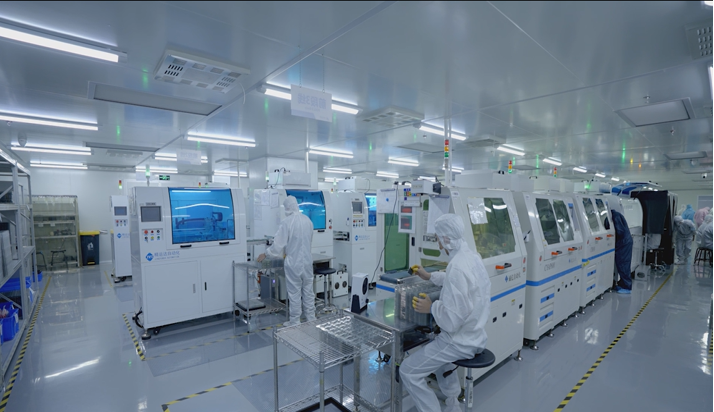
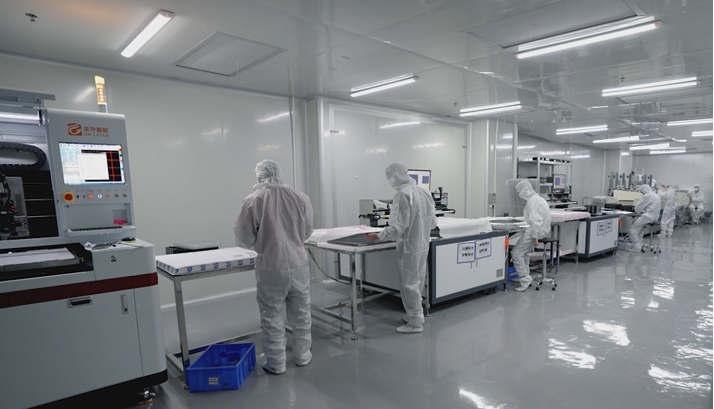
The North American display market includes true domestic manufacturers, value-added integrators, and design partners who source glass globally but perform engineering, bonding, testing, and assembly in the US. When evaluating a supplier, weigh the following:
- Engineering support — Do they provide datasheets, mechanical drawings, and application engineers who can help you integrate the module?
- Customization capability — Can they modify aspect ratio, brightness, cover glass, touch layer, and connector pinout to your specification?
- Compliance and certification — UL, FCC, RoHS, REACH, and where relevant IEC 60601 for medical or EN 50155 for rail.
- Supply-chain transparency — Documented panel sourcing, inventory buffers, and EOL management.
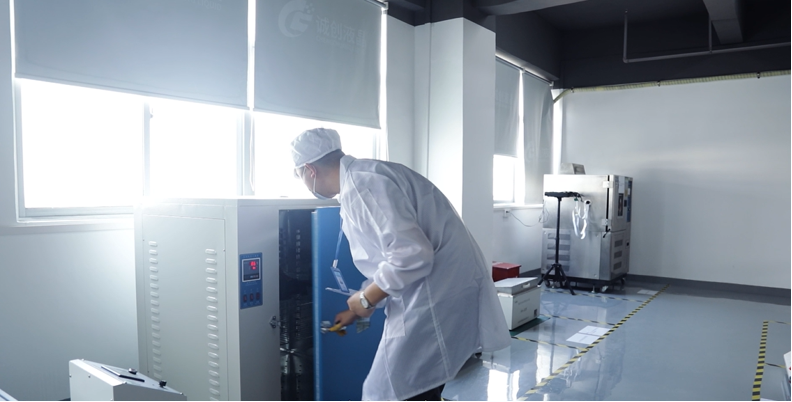
- Quality systems — ISO 9001 certification and documented incoming/outgoing inspection.
Common Industrial Applications for Bar Type LCDs
Understanding where these displays excel helps clarify sourcing requirements:
- Factory automation — status bars on PLCs, conveyor controllers, and machine HMIs.
- Instrumentation — measurement equipment where a wide readout replaces multiple gauges.
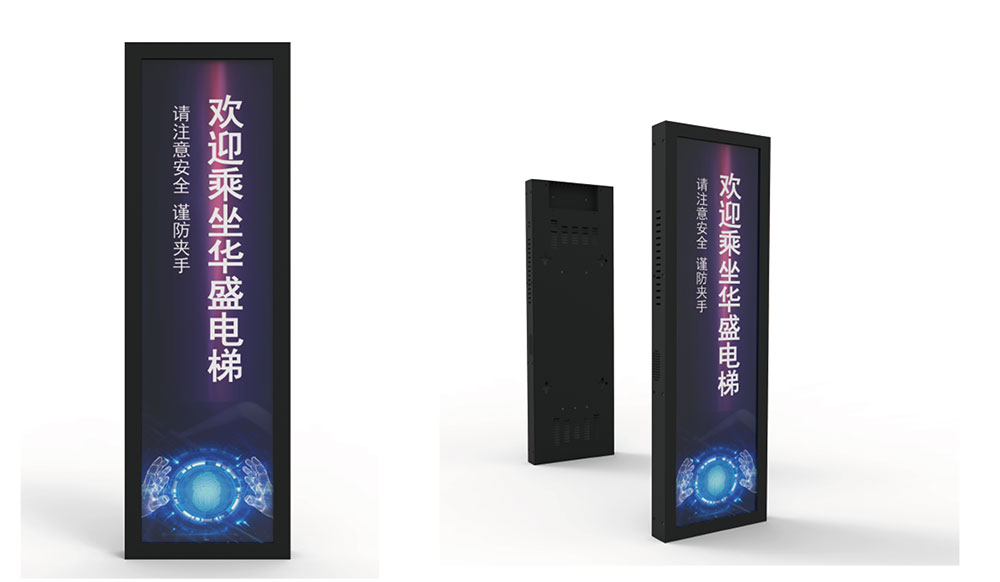
- Transportation — passenger information systems, dashboard clusters, and toll displays.
- Medical devices — space-constrained monitoring panels on carts and bedside units.
- Retail and smart shelving — electronic shelf edges and promotional strips.
Custom Bar Type LCD Development: What to Expect
A well-structured custom project follows a predictable path. It begins with a requirements review covering aspect ratio, brightness, temperature, and interface. The manufacturer then proposes a base panel and outlines any glass-cutting, bonding, or driver work required. Prototyping and sample validation follow, with the customer testing fit, thermal behavior, and optical performance. Once approved, the design moves to qualified mass production with locked specifications and an EOL commitment. Choosing a US-based partner shortens each of these cycles because engineering conversations, sample shipments, and iterative adjustments happen without international shipping delays or major time-zone gaps.
Conclusion
Embedded bar type LCDs unlock design possibilities that standard panels cannot, but industrial reliability depends on selecting a manufacturer with genuine high-brightness engineering, wide-temperature expertise, and flexible customization. For OEMs building equipment for the North American market, a supplier with strong US-based support delivers faster development, cleaner compliance, and dependable long-term supply. HITULCD combines high-brightness display technology with industrial-grade customization to help engineering teams bring rugged, readable bar type solutions to market with confidence.
KEYWORDS: embedded bar type LCD, high-brightness industrial LCD, US LCD manufacturers, stretched bar display, custom industrial displays