Which Companies Make Sunlight Readable Outdoor Touch Monitors?
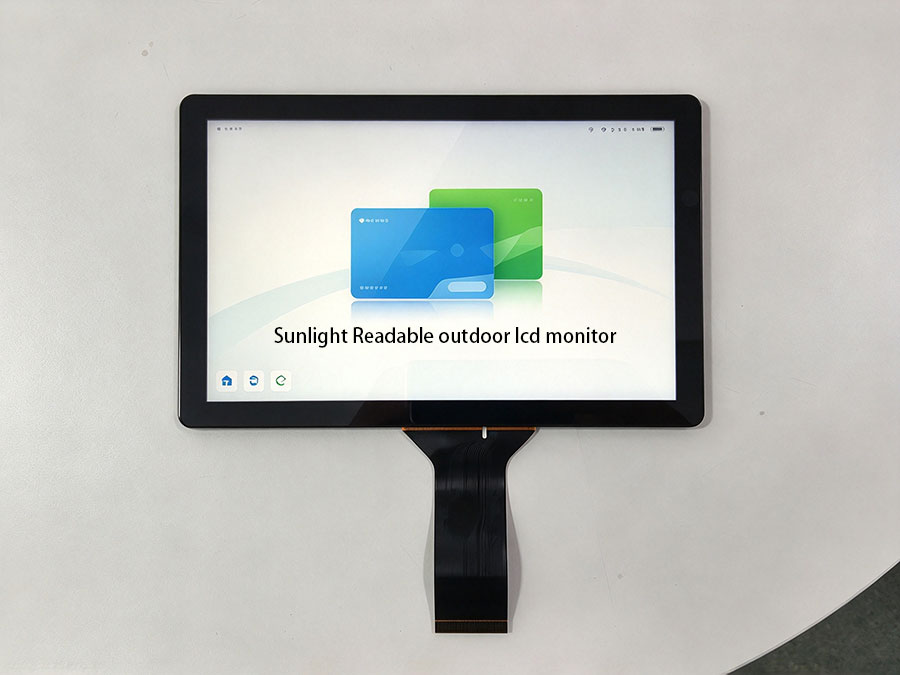
When equipment manufacturers, system integrators, and commercial display developers search for sunlight readable outdoor touch monitors, they are usually looking for more than a high-brightness LCD panel. They need a display solution that remains readable under direct sunlight, responds accurately to touch, operates reliably in changing outdoor conditions, and can be integrated into their own equipment.
Several types of manufacturers serve this market, including industrial LCD manufacturers, outdoor monitor specialists, touchscreen manufacturers, and OEM/ODM display solution providers. However, these companies do not necessarily offer the same level of engineering support or product customization.
For buyers developing EV charging stations, outdoor kiosks, industrial control equipment, parking terminals, vending machines, and interactive digital signage, choosing the right manufacturing partner is an important part of the equipment development process.
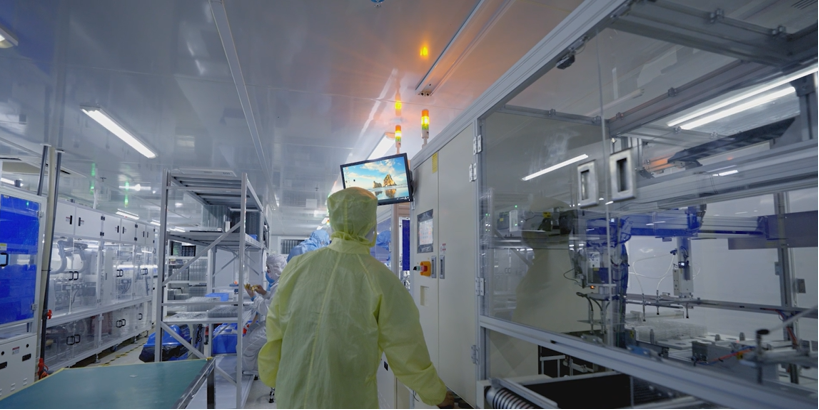
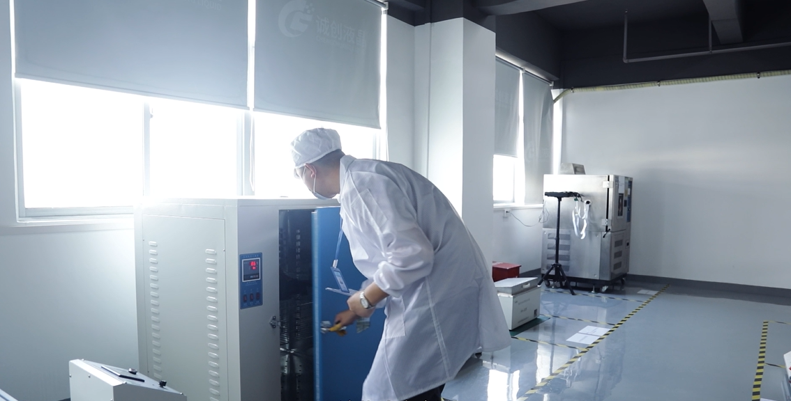
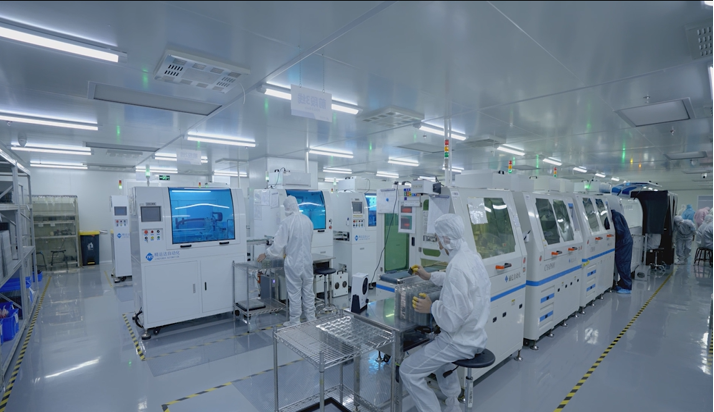
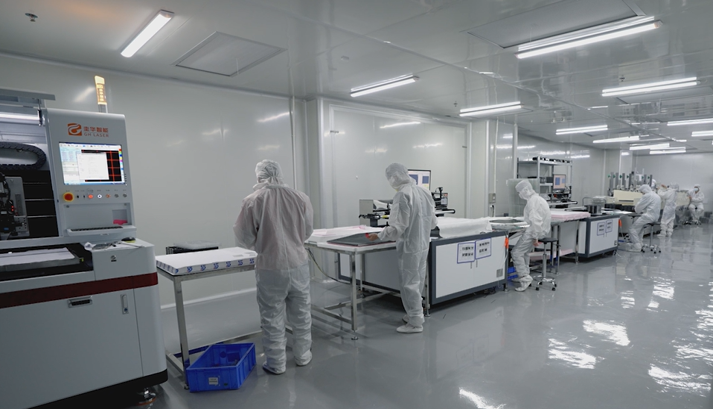
HITULCD, operated by Shenzhen Hantu Jiasight Co., Ltd., manufactures high-brightness LCD display products and customized display equipment for commercial and industrial applications. With a broad range of display sizes, brightness configurations, touchscreen options, and enclosure designs, HITULCD supports customers who need display hardware adapted to specific equipment requirements.
This article explains what to look for in an outdoor touch monitor manufacturer and how to evaluate the technical capabilities behind the product.
1. What Types of Companies Manufacture Sunlight Readable Outdoor Touch Monitors?
The outdoor display supply chain includes several different types of manufacturers. Understanding their differences helps equipment buyers identify the right supplier.
Industrial LCD Display Manufacturers
These manufacturers specialize in LCD panels, high-brightness backlight systems, display modules, and industrial display integration.
Their products are commonly used in:
Industrial machinery and control systems
Outdoor monitoring equipment
Transportation terminals
Medical and specialized equipment
Their main advantage is display engineering. They can work with panel specifications, backlight configurations, optical treatments, interface requirements, and mechanical integration.
Outdoor Touch Monitor Manufacturers
These manufacturers focus on complete monitor products designed for outdoor installation.
A typical product may include:
Projected capacitive (PCAP) touchscreen
Tempered protective glass
Metal enclosure
Display controller
Power supply
Environmental protection structure
The quality of the finished product depends on how these components work together. A high-brightness panel alone does not make an outdoor monitor suitable for exposed installations.
OEM/ODM Display Solution Providers
For equipment manufacturers, an OEM/ODM supplier can be more useful than a company selling only standard monitors.
These suppliers can adapt display dimensions, mounting structures, front glass, touch functionality, brightness, interfaces, and enclosure configurations to the customer's equipment.
For example, an EV charger manufacturer may require a 15.6-inch portrait touchscreen, while a parking payment terminal manufacturer may need a 21.5-inch display with a customized front panel.
The two projects use different mechanical structures and may require different optical and environmental configurations.
This is where customization and engineering communication become important.
2. What Makes an Outdoor Touch Monitor Truly Sunlight Readable?
One of the most common mistakes in outdoor display procurement is judging products only by their brightness rating.
Brightness is important, but it is not the only factor determining whether a user can read the screen under direct sunlight.
A properly designed sunlight readable monitor must consider the entire optical structure.
High-Brightness LCD Backlight
LCD brightness is measured in nits, also expressed as cd/m².
For reference, typical application starting points are:
| Installation environment | Suggested brightness range |
|---|---|
| Standard indoor | 250–500 nits |
| Bright indoor / window-facing | 500–1,000 nits |
| Covered outdoor | 1,000–1,500 nits |
| Direct sunlight | 1,500–2,500+ nits |
These are preliminary selection ranges, not universal performance standards. The actual requirement depends on installation orientation, sunlight exposure, viewing distance, ambient reflections, and the finished optical stack.
A display installed under a protective canopy has different requirements from one facing direct afternoon sunlight.
Higher brightness also creates additional thermal loads. The backlight, driver, LCD panel, power supply, and enclosure must be considered together.
A manufacturer should be able to explain not only the initial brightness but also how the display maintains its performance during extended operation.
Optical Bonding and Reflection Control
A bright display can still become difficult to read if too much ambient light is reflected from its surface.
Outdoor touch monitors commonly use several optical technologies:
Optical bonding
Optical bonding fills the air gap between the LCD and the touch or cover-glass assembly with an optical adhesive.
This reduces internal reflections and can improve perceived contrast, particularly in bright environments.
It can also reduce the likelihood of dust or condensation developing inside an air-gap structure, depending on the assembly design.
Anti-glare (AG) treatment
AG treatment diffuses reflected light to reduce distracting glare.
It is particularly useful where users view the display from different angles or where surrounding light sources create reflections.
Anti-reflective (AR) treatment
AR treatment reduces surface reflection through optical surface treatment or coating.
It can be useful for applications requiring better contrast and image clarity under strong ambient lighting.
AG and AR are not interchangeable. Their suitability depends on the viewing environment, touch requirements, cover-glass construction, and durability expectations.
The correct optical solution should be selected according to the actual application rather than added as a generic specification.
Cover Glass and Touchscreen Construction
For an outdoor touchscreen, the front glass is part of the optical system and the mechanical protection structure.
Engineers should consider:
Glass thickness and dimensions
Surface hardness
AG or AR treatment
Touch sensor integration
Optical transmission
Mounting and edge sealing
Resistance to repeated user interaction
A thicker protective glass may improve mechanical protection, but it can also affect touch sensitivity and optical transmission.
The touchscreen controller must be configured for the actual glass structure.
3. Touchscreen Performance in Outdoor Conditions
Outdoor touch applications present challenges that are not always encountered in conventional indoor monitors.
A touchscreen installed in an EV charging station or outdoor kiosk may be exposed to rain, humidity, dust, temperature changes, and frequent public interaction.
Projected capacitive touch technology (PCAP) is widely used in modern interactive display equipment.
It supports multi-touch interaction and a flat front surface that is convenient to clean.
However, selecting a PCAP touchscreen requires more than choosing a panel size.
Wet-Finger and Water Interaction
Water droplets on the touchscreen can affect capacitive sensing.
The touch controller and firmware should be evaluated for the intended installation environment.
For equipment operating outdoors, the manufacturer should clarify whether wet-touch performance has been tested and under what conditions.
Glove Operation
Some industrial and public-service applications require operators to use gloves.
Touch sensitivity must be configured according to glove thickness and material.
Do not assume that every PCAP touchscreen supports every type of glove.
Touch Accuracy and Multi-Touch
For self-service applications, users expect accurate response when selecting buttons, entering information, or navigating menus.
The touch sensor, controller, cover glass, and display integration should be tested as a complete assembly.
For large touchscreens, sensor design and controller performance become particularly important.
4. Thermal Management: A Critical Factor in Outdoor Display Reliability
A display operating outdoors faces two different thermal challenges.
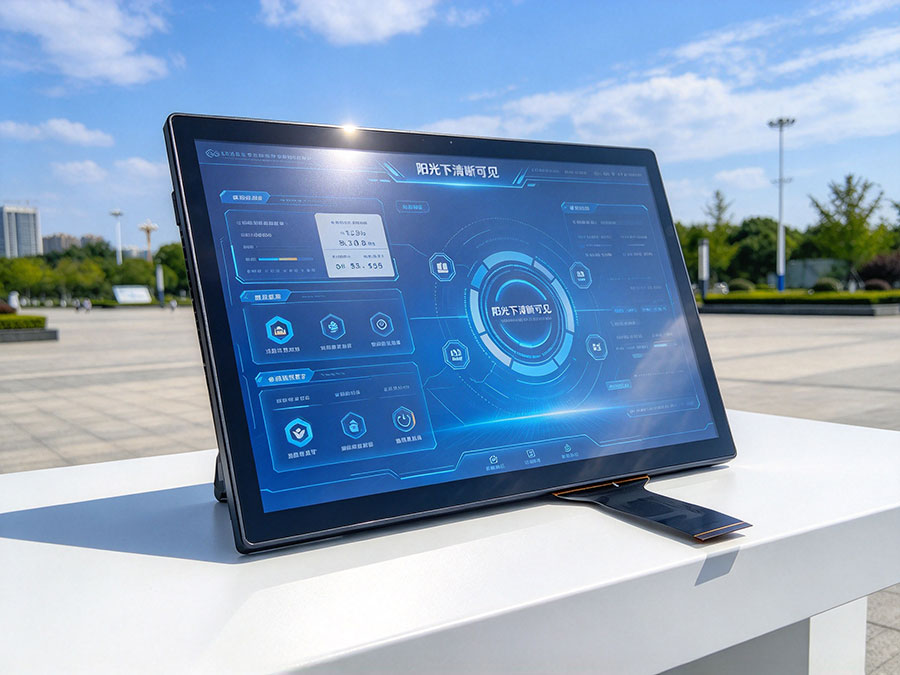
During summer, direct sunlight heats the front glass and the internal structure. At the same time, a high-brightness backlight generates additional heat.
During winter, low temperatures can affect LCD response characteristics, starting behavior, and overall system operation.
Simply increasing backlight brightness without addressing thermal management is not a sound engineering approach.
A professional outdoor display design should evaluate:
Backlight power consumption
LED heat generation
LCD operating temperature
Power supply temperature
Enclosure heat dissipation
Internal air circulation
Fan or passive cooling requirements
Automatic brightness adjustment, where appropriate
For sealed equipment, engineers must also consider how heat accumulates inside the enclosure.
A fan may improve internal air circulation, but it does not automatically solve the thermal problem. Airflow paths, heat sources, ambient temperature, and enclosure construction all matter.
The operating temperature specification should be based on the complete product configuration and its validated test conditions, not simply the LCD panel's datasheet.
5. Environmental Protection: IP Rating, Impact Resistance and Installation
Outdoor touch monitors are often installed in publicly accessible locations.
Rain, dust, accidental impacts, cleaning procedures, and unauthorized access can all affect product service life.
Three areas deserve particular attention.
Ingress Protection
The IP rating describes protection against solid particles and water ingress.
For outdoor equipment, IP65 is a commonly specified target, but the required protection depends on the installation.
For example, a monitor installed inside a separately sealed outdoor cabinet has different requirements from a monitor directly exposed to rain.
Buyers should confirm whether the claimed IP rating applies to:
The complete monitor
The front surface only
The enclosure under specified installation conditions
The touchscreen and cable-entry structure
An IP rating should be supported by appropriate test documentation. It should never be assumed from the appearance of the housing.
Impact Resistance
Outdoor kiosks and public-facing terminals may require reinforced front glass.
Depending on the application, buyers may specify tempered glass, laminated glass, or an enclosure designed for additional impact protection.
Where vandal resistance is important, the relevant IK rating and test evidence should be requested.
Mechanical Installation
The monitor must fit the customer's equipment.
Important details include:
VESA mounting
Embedded or open-frame installation
Front or rear mounting
Custom mounting brackets
Panel cut-out dimensions
Cable exit direction
Front bezel dimensions
A display that performs well electrically but does not fit the equipment structure can create unnecessary redesign costs.
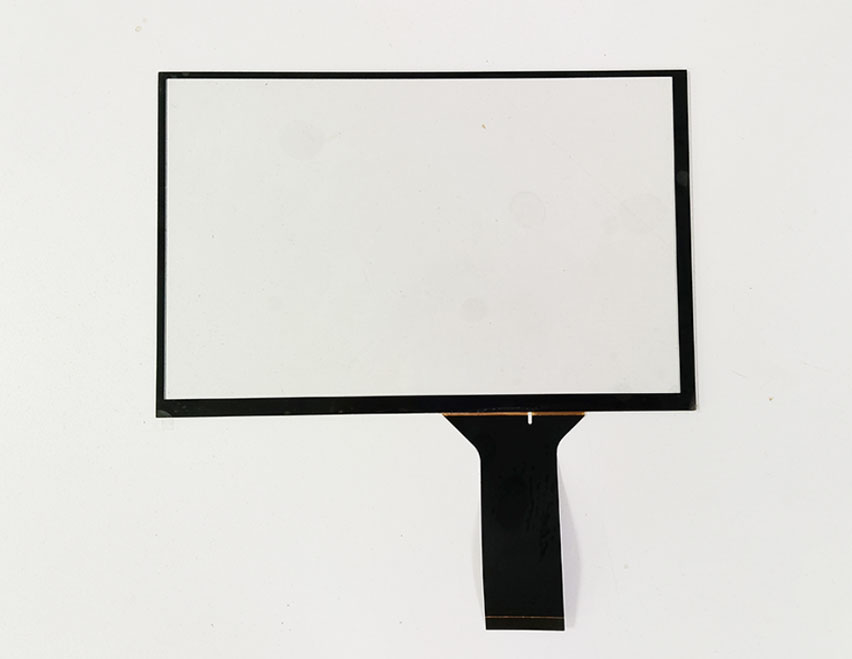
6. Which Display Sizes and Configurations Are Suitable for Outdoor Touch Applications?
Outdoor display equipment is not limited to one standard screen size.
The correct dimensions depend on the user interface, viewing distance, available installation space, and the function of the equipment.
HITULCD supports a broad range of display formats and sizes for different commercial and industrial applications.
Standard Widescreen Displays
Common sizes include:
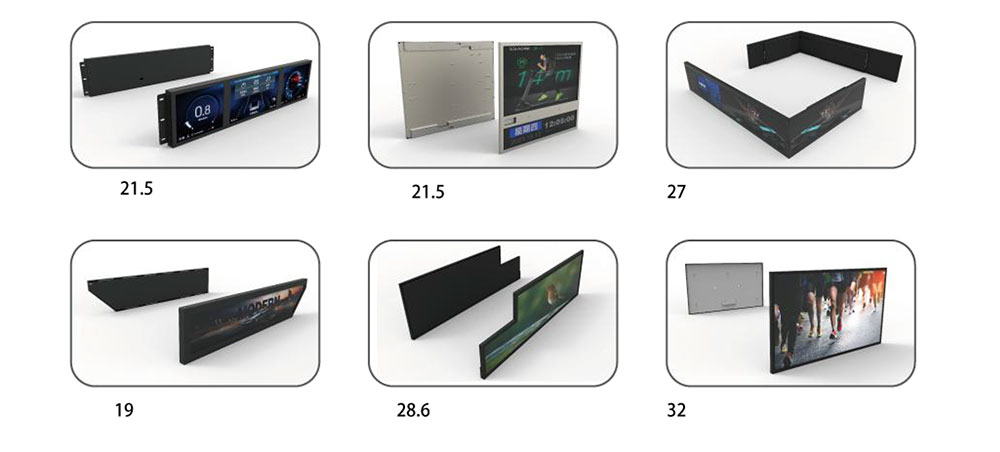
10.1, 10.4, 11.6, 12.1, 13.3, 15, 15.6, 17, 17.3, 18.5, 19, 21.5, 23.8, 27, 32, 40, 43, 49, 55, 65, 75, 85 and 98 inches.
Typical applications include:
EV charging equipment
Outdoor payment terminals
Industrial control systems
Interactive kiosks
Parking management systems
Smaller displays are suitable for compact equipment interfaces, while larger formats are useful for public information and interactive signage.
Square Displays
Square displays can be useful where equipment designers need a balanced screen layout rather than a conventional widescreen format.
Available size references include:
4, 7.6, 19.2, 22, 25.9, 26.5, 29.6, 33, 45.7, 51, 52.5 and 60 inches.
Potential applications include specialized commercial equipment, interactive information terminals, and customized display installations.
Circular Displays
Circular LCD displays provide an alternative for equipment with round control panels or distinctive industrial designs.
Available size references include:
3.4, 4, 5, 7, 15.7 and 23.6 inches.
These formats can be considered for specialized instrumentation, equipment interfaces, and customized commercial products.
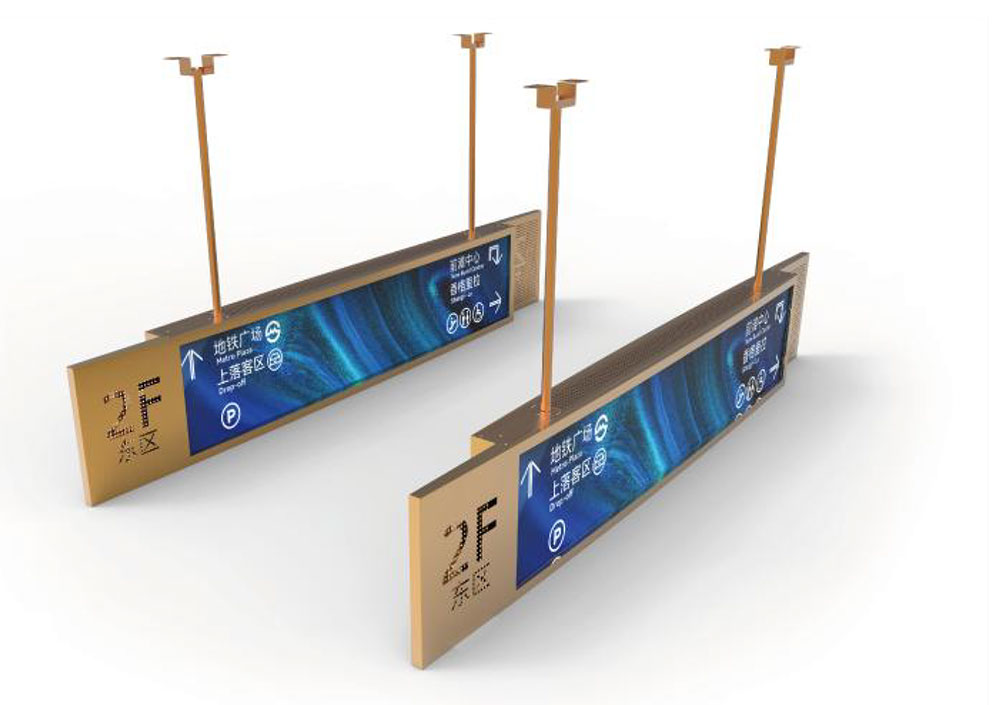
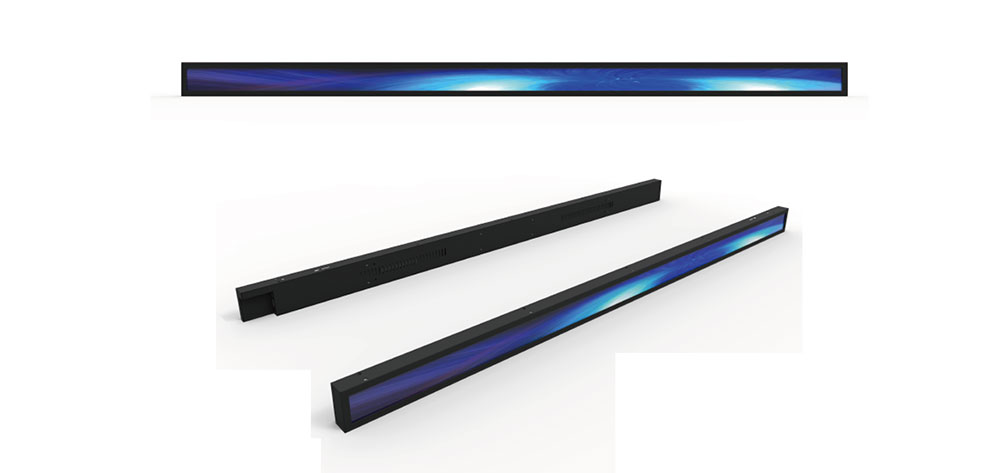
Stretched Bar Displays
Ultra-wide LCD displays are suitable for applications where the available installation space is long and narrow.
Typical applications include:
Retail shelf-edge advertising
Product information displays
Automated vending machines
Commercial equipment interfaces
Transportation information systems
For retail projects, these displays are particularly useful when equipment manufacturers or retail solution integrators need to incorporate advertising and product information into limited spaces.
OLED Display Options
OLED displays can also be considered for projects requiring different image characteristics and product designs.
The appropriate technology depends on the application's brightness, operating conditions, expected usage, and visual requirements.
Not every display format or size is suitable for every outdoor environment. The final configuration should be confirmed against the required panel, backlight, touch assembly, and mechanical structure.
7. Outdoor Touch Monitor Applications: What Buyers Should Consider
Different industries have different engineering priorities.
A suitable configuration for one application may not be suitable for another.
EV Charging Stations
An EV charging station is a good example of an outdoor interactive system.
The display must present charging information clearly while allowing users to operate the interface.
Recommended design considerations:
High-brightness LCD
PCAP touchscreen
Appropriate AG or AR cover glass
Optical bonding where required
Front-panel sealing
Temperature management
Compatible communication and display interfaces
Wet-touch performance should be evaluated if the charger is expected to remain accessible during rain.
Parking Payment Terminals
Parking payment machines are often exposed to direct sunlight and frequent public interaction.
The display should provide readable instructions, clear payment information, and reliable touch response.
Mechanical integration is equally important because the display must fit the payment terminal's front structure.
Outdoor Vending Machines
Vending equipment manufacturers may need different screen sizes according to the machine's design.
A compact touchscreen may be suitable for product selection and payment, while a larger display can support advertising and product presentation.
For manufacturers developing multiple machine models, consistent display dimensions and interfaces can simplify product development.
Industrial Outdoor Equipment
Outdoor industrial equipment may operate in environments with temperature fluctuations, dust, vibration, and continuous usage.
In these applications, stable operation and long-term component availability can be more important than achieving the highest possible brightness.
The display should be selected according to the equipment's actual operating conditions.
Retail and Commercial Digital Signage
Retail brands and signage integrators often require customized display dimensions to fit furniture, advertising structures, and point-of-sale equipment.
For these projects, display manufacturers need to understand not only the LCD specifications but also the installation structure and visual requirements of the finished equipment.
8. Why Work With HITULCD for Customized High-Brightness Display Solutions?
HITULCD is a display manufacturer operated by Shenzhen Hantu Jiasight Co., Ltd., China.
We focus on high-brightness LCD displays, industrial display products, commercial display equipment, and customized display integration.
Our approach is based on matching the display configuration to the customer's equipment and operating environment.
A Broad Range of Display Sizes
We support a wide selection of standard widescreen, square, circular, stretched-bar, and OLED display formats.
This gives equipment manufacturers more flexibility when developing different product models.
High-Brightness Display Configurations
We provide high-brightness display solutions for applications requiring improved visibility in bright environments.
Depending on the product configuration, brightness can be selected according to the intended installation conditions.
For projects requiring 1,000, 1,500, 2,000 nits or higher, the panel and backlight configuration should be evaluated against the required viewing conditions and thermal limits.
The final brightness should be confirmed on the completed display assembly.
Touchscreen Integration
Touchscreen functionality can be incorporated into suitable display configurations.
Depending on the project, we can evaluate touch panel size, cover-glass construction, interface compatibility, and mechanical integration.
For outdoor projects, wet-touch performance, glove operation, and environmental sealing should be defined during the design stage.
Customized Mechanical Structures
Different equipment manufacturers have different installation requirements.
HITULCD can discuss display dimensions, mounting methods, housing structures, front-panel designs, and other integration requirements.
This is particularly useful for OEM customers who do not want to redesign their equipment around an off-the-shelf monitor.
Support for Multiple Display Formats
Our product development covers more than conventional 16:9 displays.
We also support square displays, circular displays, stretched-bar LCDs, and other customized formats.
This is useful for customers developing specialized industrial equipment, retail fixtures, vending machines, and commercial interactive terminals.
Engineering Communication Before Production
A successful customized display project should start with a clear understanding of the application.
We encourage customers to share their installation drawings, display dimensions, operating environment, brightness requirements, touch requirements, and electrical interfaces before confirming a solution.
This helps reduce compatibility problems during product integration and avoids unnecessary changes after production begins.
9. How to Evaluate an Outdoor Touch Monitor Manufacturer Before Placing an Order
For overseas buyers, the following questions can help distinguish a display component supplier from a manufacturer with genuine integration capabilities.
| Evaluation point | What to ask the manufacturer |
|---|---|
| Brightness | Is brightness measured at the bare panel or finished display surface? |
| Optical performance | Are AG, AR or optical bonding options available? |
| Touchscreen | Is PCAP touch available? Can wet-touch or glove operation be evaluated? |
| Temperature | What is the validated operating temperature of the complete unit? |
| Protection | Does the IP rating cover the complete monitor or only the front? |
| Impact resistance | Is there supporting IK test documentation? |
| Thermal design | How is heat from the high-brightness backlight managed? |
| Interfaces | Are HDMI, LVDS, eDP or other interfaces supported? |
| Mechanical design | Can the housing and mounting structure be customized? |
| Product lifecycle | Can the supplier support repeat orders and replacement requirements? |
One additional point deserves attention: request a sample with the actual cover glass and touchscreen configuration.
Testing a bare LCD panel is not enough to establish the optical performance of the finished outdoor monitor.
For demanding applications, the complete assembly should be evaluated under representative sunlight, temperature, touch, and environmental conditions.
10. Request a Customized Sunlight-Readable Outdoor Touch Monitor
If you are developing an outdoor kiosk, EV charging station, parking terminal, vending machine, industrial control system, or interactive digital signage product, HITULCD can discuss a display configuration based on your equipment requirements.
To help our engineering team evaluate your project, please provide:
Required screen size and resolution.
Target brightness in nits.
Whether the display will be installed indoors, semi-outdoors, or fully outdoors.
Whether it will face direct sunlight.
Touchscreen requirements, including glove or wet-touch operation if applicable.
Required IP and IK protection levels, if specified.
Installation dimensions or mechanical drawings.
Video interface and power requirements.
Estimated order quantity.
If you already have a product drawing or an existing monitor sample, you can share it with our team for an initial technical evaluation.
We believe a reliable outdoor display should be designed around the equipment it serves. Selecting the right panel, backlight, touchscreen, optical structure, and enclosure from the beginning is more effective than trying to solve environmental problems after the equipment has entered production.
HITULCD – High-Brightness LCD Displays and Customized Display Solutions
Shenzhen Hantu Jiasight Co., Ltd.
Website: https://www.hitulcd.com/
Email: chenhua@hitulcd.com
Telephone: +86 186 8232 8732
Company Tel: +86 755 2377 3619
YouTube: https://www.youtube.com/@hitulcd
LinkedIn: https://www.linkedin.com/in/chen-hua-b25a2a40a/
For OEM/ODM inquiries, please contact our team with your display specifications and application requirements.
KEYWORDS: