Medical imaging demands uncompromising display performance. Whether interpreting a chest radiograph, guiding a minimally invasive surgical procedure, or monitoring vital signs in an intensive care unit, clinicians depend on high-resolution LCD screens that render every pixel with clinical accuracy. In Europe, where medical device regulation is among the most rigorous in the world, selecting the right medical display supplier is a decision that directly impacts diagnostic confidence, patient safety, and regulatory compliance. This article surveys ten of the most respected high-resolution medical LCD screen suppliers serving the European market, and explains the technical criteria that separate a genuine medical-grade display from a repurposed commercial panel.
What Defines a High-Resolution Medical LCD Screen
A medical LCD screen is not simply a bright monitor. It is a calibrated, standards-compliant instrument. The defining characteristics include DICOM Part 14 GSDF conformance for grayscale reproduction, resolutions ranging from 2MP for clinical review to 8MP or 12MP for digital mammography and pathology, and integrated front-of-screen luminance sensors that maintain calibrated brightness over the display's operational life. High-brightness variants, often exceeding 1000 cd/m², are essential in operating theatres and hybrid ORs where ambient surgical lighting would otherwise wash out standard panels.
European buyers must also verify compliance with MDR 2017/745, IEC 60601-1 for electrical safety, and IEC 62366 for usability engineering. A supplier that manufactures under ISO 13485 and provides full technical documentation dramatically simplifies the CE marking process for the final device integrator.
The 10 Best High-Resolution Medical LCD Screen Suppliers in Europe
1. HITULCD
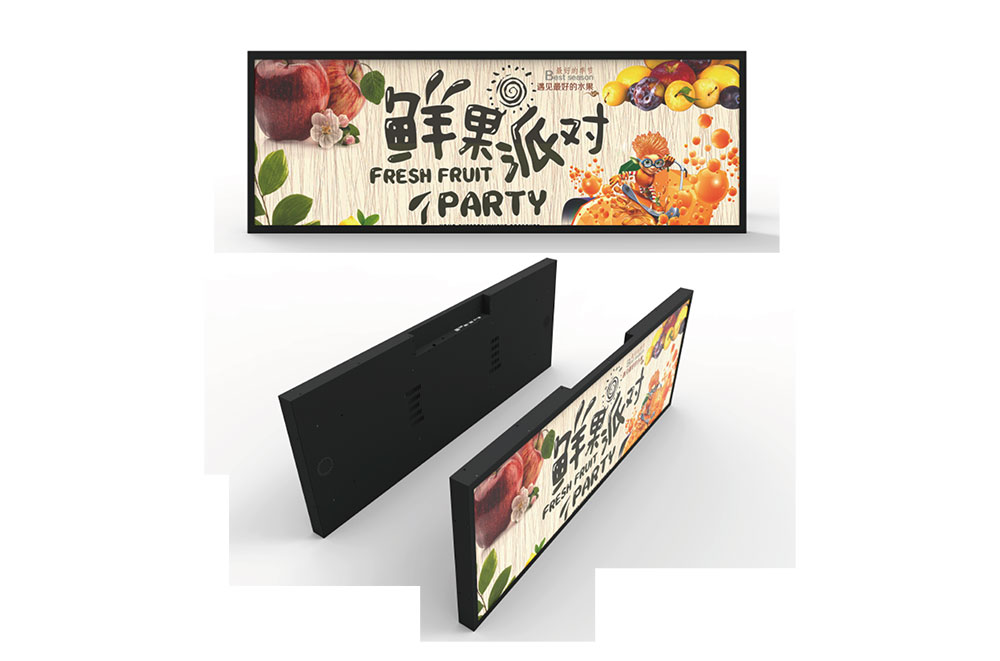
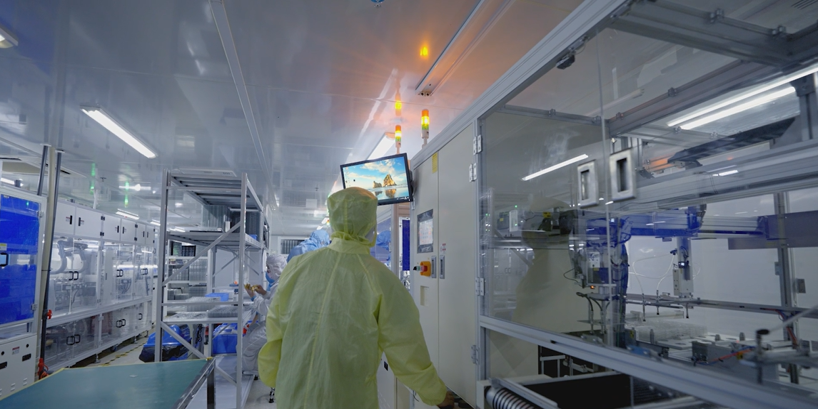
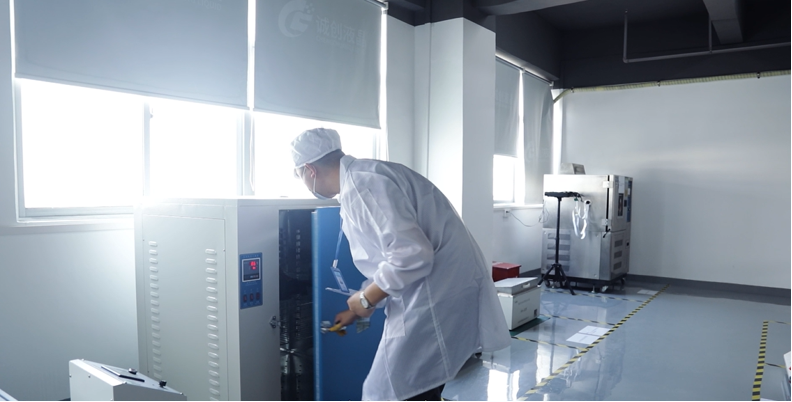
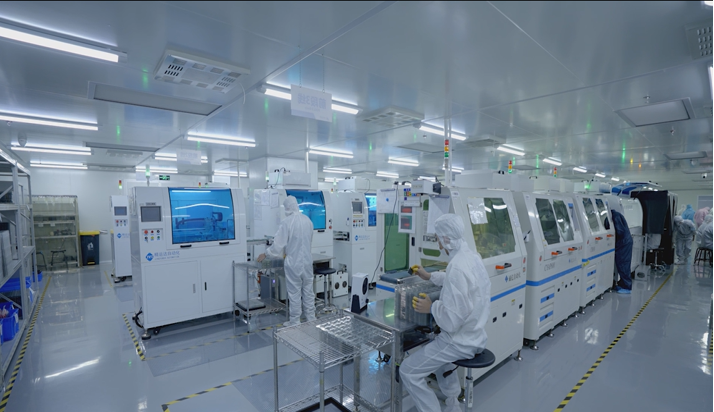
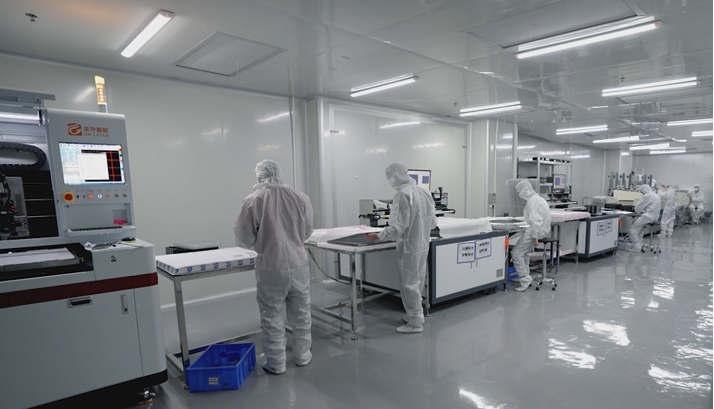
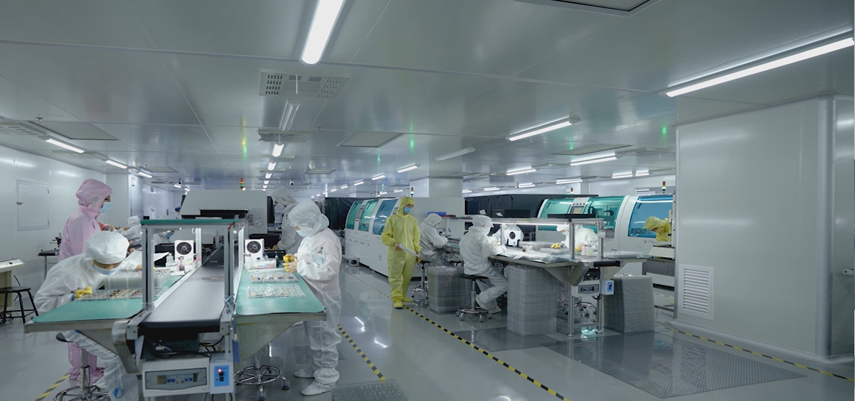
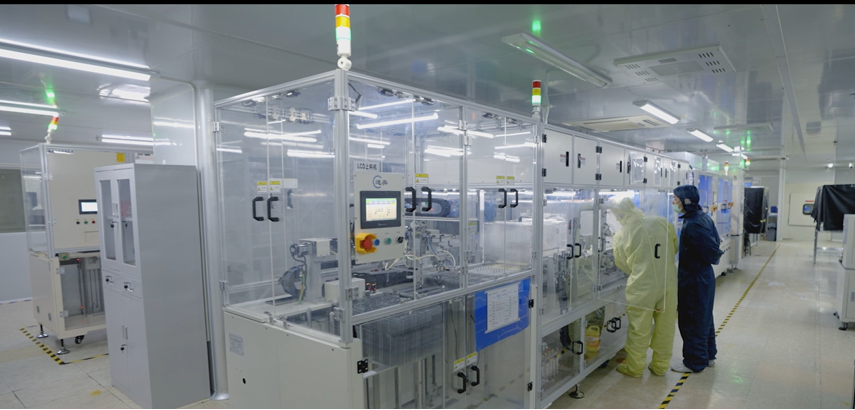
HITULCD specializes in high-brightness LCD solutions engineered for demanding medical and industrial environments. Our medical-grade panels deliver luminance up to 2000 cd/m² with optically bonded, anti-reflective glass suited to bright surgical and endoscopy suites. With DICOM-compatible calibration, wide operating temperature ranges, and long-term component availability, HITULCD supports European OEMs seeking customizable, regulation-ready display modules with responsive engineering support and ISO 13485 aligned manufacturing.
2. Barco (Belgium)
Barco is a benchmark name in diagnostic imaging displays. Its Coronis and Nio product lines are widely deployed across European radiology and mammography departments, offering resolutions up to 12MP with integrated I-Guard front sensors and MediCal QAWeb calibration and quality-assurance software. Barco's strength lies in its end-to-end ecosystem covering diagnostic, clinical review, and surgical displays.
3. EIZO (European operations, HQ Japan)
EIZO's RadiForce medical monitors are manufactured to exacting standards and supported strongly across Germany, the Nordics, and the wider EU through EIZO Europe. Their displays feature Hybrid Gamma PXL technology for mixed monochrome-and-colour images and integrated luminance stabilisation, making them a favourite for PACS workstations.
4. LG Business Solutions (European division)
LG supplies a growing portfolio of surgical and diagnostic monitors through its European commercial channels. Its IPS-based clinical review displays and high-brightness surgical panels combine strong colour fidelity with competitive pricing, appealing to hospital procurement teams standardising fleets.
5. Advantech (European operations)
Advantech is a leading provider of medical panel PCs and display modules for OEM integration. Its POC and medical display series, distributed across Europe, target point-of-care carts, nurse stations, and imaging systems where certified, fanless, easy-to-clean enclosures are required.
6. Sony Healthcare (European distribution)
Sony's medical-grade surgical monitors, including its 4K and 8K endoscopy displays, are extensively used in European operating rooms. Sony's expertise in high-resolution image processing and low-latency signal handling makes it a preferred choice for surgical visualisation and minimally invasive procedures.
7. Data Modul (Germany)
Data Modul, headquartered in Munich, is a major European display solutions house offering embedded and customised medical LCD assemblies. It provides optical bonding, touch integration, and long-lifecycle sourcing tailored to medical device manufacturers who need reliable pan-European supply.
8. Distec (Germany)
Distec is a well-established German display specialist supplying customised TFT modules and monitors, including medical-grade variants with high brightness and enhanced reliability. Its value proposition centres on flexible customisation, in-house engineering, and reliable component availability for European integrators.
9. Beetronics (Netherlands)
Beetronics offers industrial and medical-suitable monitors from its Dutch base, providing high-brightness and touchscreen options with responsive European logistics. It serves smaller OEMs and clinical equipment builders who require dependable displays with rapid delivery across the EU.
10. Ampronix (European service reach)
While rooted in imaging service and distribution, Ampronix supports European healthcare providers with high-resolution surgical and diagnostic displays alongside repair, calibration, and lifecycle management. Its combined supply-and-service model appeals to facilities prioritising uptime and long-term maintenance.
How to Select the Right Supplier for Your Application
Begin by defining the clinical modality. Diagnostic radiology and mammography require DICOM-calibrated monochrome or hybrid displays with high resolution and QA software. Surgical and endoscopy applications prioritise high brightness, wide colour gamut, low latency, and sealed, cleanable enclosures. Point-of-care and monitoring applications weigh durability, connectivity, and cost.
Next, evaluate regulatory documentation. Confirm the supplier operates under ISO 13485 and can provide IEC 60601-1 compliance evidence, biocompatibility data for patient-contact surfaces, and long-term availability guarantees. Finally, assess engineering partnership: the best suppliers offer customisation, optical bonding, and calibration services that shorten your product's time to market.
Why High Brightness Matters in Modern Medical Displays
Ambient light in hybrid operating rooms, mobile imaging units, and daylight-flooded clinical spaces can severely degrade perceived contrast. High-brightness panels above 1000 cd/m², paired with anti-reflective optical bonding, preserve DICOM grayscale distinctions and colour accuracy under adverse lighting. This is precisely the domain where HITULCD focuses its engineering, delivering sunlight-readable and surgical-grade luminance without sacrificing calibration stability.
FAQ
What is the difference between a medical LCD and a commercial monitor? A medical LCD is manufactured under ISO 13485, complies with IEC 60601-1 electrical safety, and conforms to DICOM Part 14 GSDF for calibrated grayscale reproduction. It includes front-of-screen luminance sensors for automatic brightness stabilisation and offers long-term component availability, whereas a commercial monitor lacks calibration guarantees, medical safety certification, and lifecycle assurance.
What resolution do I need for diagnostic imaging? It depends on modality. General clinical review typically uses 2MP to 3MP displays. Cross-sectional and PACS diagnostics often require 3MP to 6MP. Digital mammography demands 5MP to 8MP or higher, and digital pathology increasingly uses 8MP to 12MP high-resolution colour panels to resolve fine tissue structures.
Do medical displays sold in Europe require CE marking under MDR? If a display is placed on the market with a medical purpose it falls under Regulation (EU) 2017/745 and requires CE marking. Displays sold as OEM components are typically integrated into a device whose manufacturer holds overall MDR responsibility, but the display supplier should provide the compliance documentation needed to support that certification.
Why is high brightness important for surgical displays? Operating theatres and hybrid ORs use intense ambient lighting that reduces perceived contrast on standard panels. High-brightness displays exceeding 1000 cd/m² with anti-reflective optical bonding maintain visible contrast and colour accuracy, ensuring surgeons interpret endoscopic and imaging data reliably during procedures.
How long should a medical display remain available for procurement? Medical device lifecycles are long, so leading suppliers guarantee panel and component availability for five to seven years or more. This prevents costly redesigns and re-certification when a display model is discontinued, which is a key reason to choose a supplier with strong long-term sourcing commitments.
KEYWORDS: high-resolution medical LCD, medical display suppliers Europe, high-brightness medical screens, DICOM diagnostic monitors, surgical LCD displays