Introduction
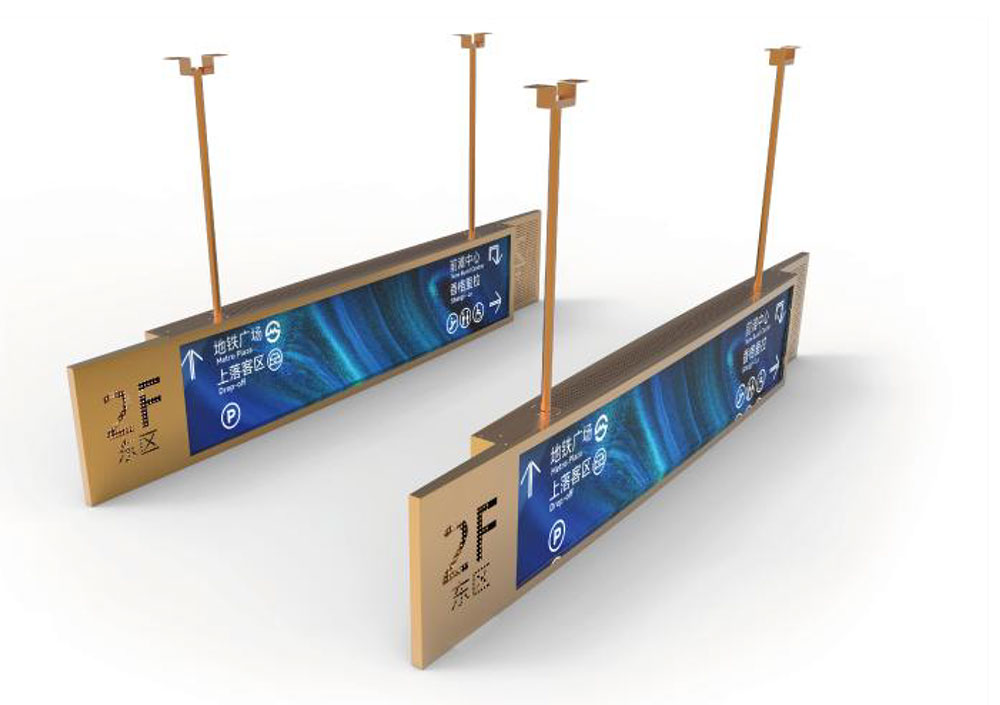
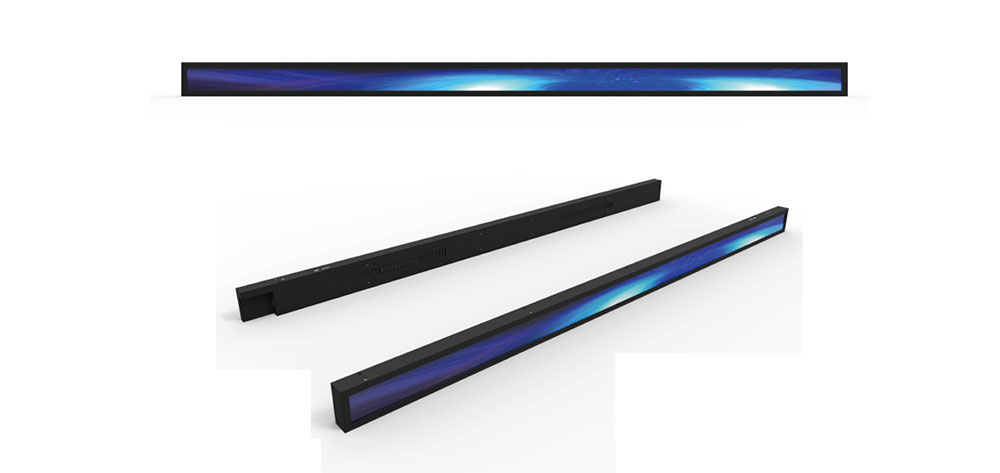
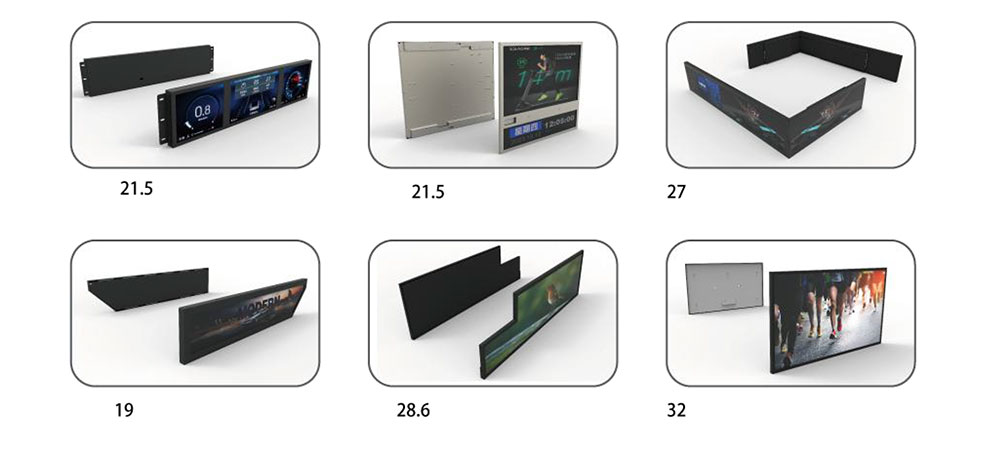
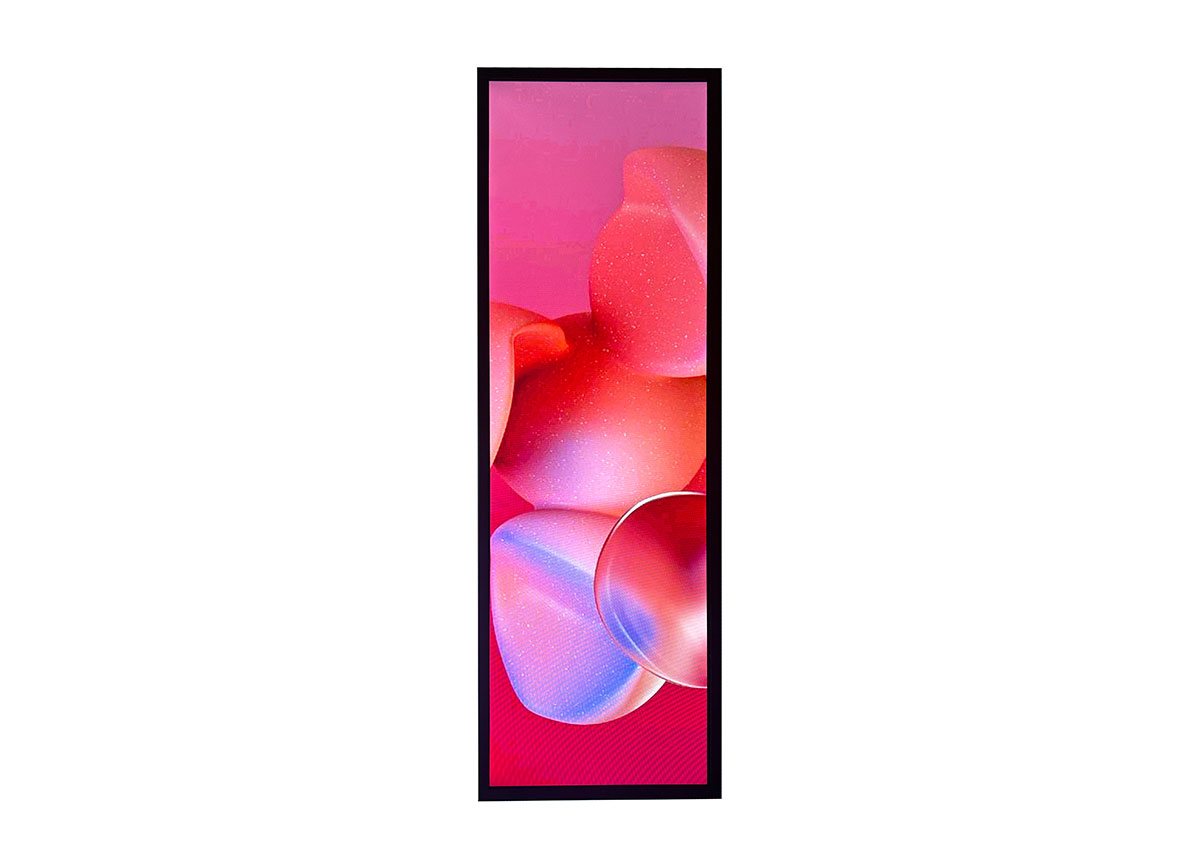
Bar-type LCDs — sometimes called stretched, ultra-wide, or shelf-edge displays — have become a defining fixture of modern American retail, transit, and digital signage networks. Their elongated aspect ratios (commonly 16:4.5, 24:9, or fully custom) fit spaces where a conventional 16:9 panel simply cannot: grocery shelf edges, quick-service restaurant menu rails, airport gate corridors, elevator lobbies, and bank teller lines. When paired with an integrated Android system-on-chip (SoC), these displays become self-contained smart signage endpoints, eliminating the need for external media players. This guide, written for procurement teams, integrators, and facilities managers operating in the United States, walks through the technical, environmental, and regulatory factors that should drive a purchasing decision.
Why Android-Based Bar-Type LCDs
An Android-integrated bar display consolidates the panel, backlight, timing controller, and media engine into one serviceable unit. The advantages are concrete:
- Lower total cost of ownership: no separate media player, cabling, or mounting bracket to source, power, and maintain.
- Simplified deployment: a single power connection and network path per screen.
- Content flexibility: the Android OS runs standard content management system (CMS) apps, HTML5 pages, and streaming clients natively.
- Remote fleet management: over-the-air updates, scheduling, and health monitoring through mobile device management (MDM) or CMS platforms.
Brightness: Matching Nits to the US Environment
Brightness is the single most important — and most frequently underspecified — parameter. Rated in candela per square meter (nits), it determines whether content remains legible under real ambient light.
- Indoor, controlled lighting (offices, elevators): 350–500 nits is adequate.
- Bright indoor / near windows (retail floors, lobbies): 700–1,000 nits.
- Semi-outdoor and storefront-facing (drive-thru menus, transit shelters): 1,500–2,500 nits to overcome direct sunlight and glare.
- Full outdoor, sun-facing: 2,500–5,000 nits with an optical-bonded, anti-reflective front.
In the US, seasonal sun angles matter. A south- or west-facing storefront in Sun Belt states such as Arizona, Texas, and Florida will experience prolonged high-intensity sunlight, pushing requirements toward the upper range. Displays deployed near large glazed façades — common in newer American commercial architecture — also need higher output than raw indoor ratings suggest. Look for automatic brightness control (an ambient light sensor) to conserve energy and prevent nighttime over-illumination, which can trigger local light-pollution complaints in some municipalities.
Panel and Optical Quality
Bar-type panels are frequently "cut" from larger mother-glass, so verify the following:
- IPS technology for wide 178°/178° viewing angles — essential for shelf-edge and corridor placement where viewers approach off-axis.
- Contrast ratio of at least 1000:1 for legible text and imagery.
- Color gamut of 72% NTSC or higher for brand-accurate content.
- Optical bonding for high-brightness and semi-outdoor units, which removes the air gap between glass and panel, reducing internal reflection, condensation risk, and improving impact resistance.
Thermal Management and Reliability
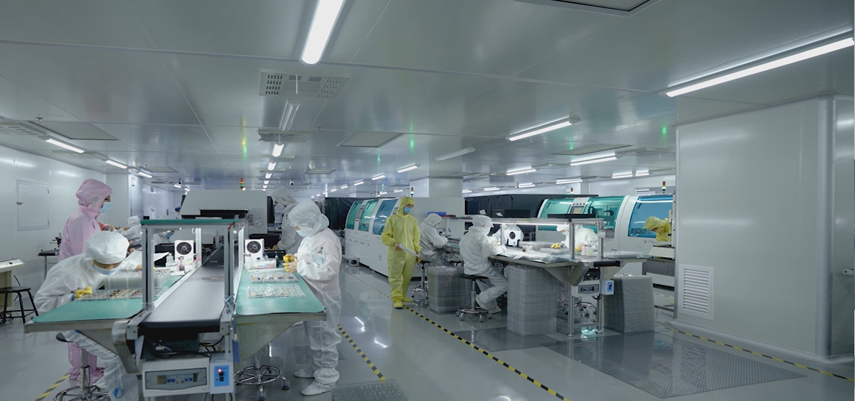
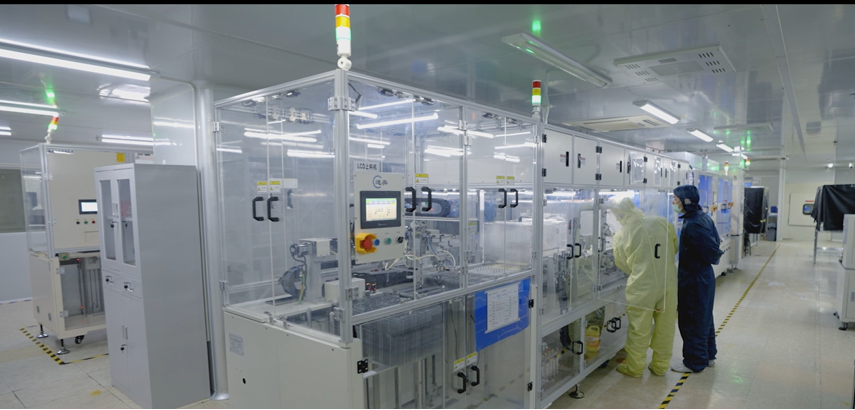
High-brightness backlights generate significant heat, and bar-type enclosures have limited internal volume. Poor thermal design causes "black blob" isotropic clearing points and premature backlight failure. Prioritize:
- Wide operating temperature range (−20°C to 60°C or better) for semi-outdoor US deployments, including cold northern winters and hot southwestern summers.
- Active cooling or engineered heat sinks in units above 1,500 nits.
- High-temp-rated (industrial) LCDs rather than consumer panels for 24/7 duty cycles.
- An IK-rated toughened cover glass where public contact is likely.
Android Hardware and Software Considerations
The embedded Android board defines the display's usable lifespan as a smart device:
- SoC: quad-core or octa-core ARM processors (e.g., RK3288, RK3568, or newer) with hardware video decoding for smooth 1080p/4K playback.
- RAM/Storage: minimum 2GB/16GB; 4GB/32GB for heavier HTML5 and multi-zone content.
- Android version: a reasonably current release (Android 11 or later) to maintain CMS app compatibility and security patch support.
- Connectivity: Gigabit Ethernet plus dual-band Wi-Fi; optional 4G/5G for locations without wired networking.
- Management: OTA firmware updates, watchdog auto-recovery, scheduled power on/off, and remote reboot.
US Regulatory and Compliance Requirements
Any electronic display sold and deployed in the United States must satisfy federal and market-driven standards:
- UL / ETL listing: safety certification recognized by US authorities having jurisdiction (AHJ) and often required by insurers and landlords.
- FCC Part 15: mandatory electromagnetic emissions compliance for electronic devices.
- ENERGY STAR and state energy codes: California's Title 20/Title 24 and similar state regulations govern display power consumption and standby draw.
- ADA considerations: mounting height, protrusion limits into circulation paths, and accessible content contrast for public-facing installations.
- RoHS: restriction of hazardous substances, increasingly expected across US procurement even where not federally mandated.
Confirm the manufacturer supplies documentation for these certifications; retrofitting compliance after purchase is costly and can delay commissioning.
Warranty, Support, and Supply Chain
For US buyers, logistics and after-sales support are decisive:
- Look for a minimum three-year commercial warranty rated for 24/7 operation.
- Confirm domestic RMA handling or a US-based service partner to avoid international shipping delays.
- Verify spare-parts availability and firmware support commitments.
- Consider lead times and tariff implications when sourcing custom-cut aspect ratios.
Procurement Checklist
- Define the installation environment and measure peak ambient light before specifying nits.
- Match aspect ratio and diagonal to the physical mounting space.
- Confirm IPS panel, contrast, and optical bonding for the use case.
- Validate the Android SoC, RAM/storage, OS version, and CMS compatibility.
- Require UL/ETL, FCC, and applicable state energy compliance.
- Assess thermal ratings against local climate extremes.
- Lock in warranty terms and US-based support.
Conclusion
An Android-based smart bar-type LCD is a long-term infrastructure investment, not a commodity purchase. Success in the US market hinges on correctly matching brightness to real ambient conditions, selecting industrial-grade thermal and panel components, ensuring the embedded Android platform is current and manageable, and confirming full regulatory compliance. Buyers who evaluate these dimensions systematically — rather than by price alone — deploy signage networks that stay bright, legible, and reliable for years. As a high-brightness LCD manufacturer, HITULCD engineers bar-type displays specifically for these demanding North American deployment scenarios.
KEYWORDS: Android bar-type LCD, high-brightness stretched display, US digital signage, smart shelf-edge display, sunlight readable signage