Why bar type LCDs are reshaping the in-vehicle display market
Across the US automotive and commercial fleet markets, bar type LCDs have moved from a niche curiosity to a mainstream design choice. Their elongated, wide-aspect form factor fits naturally into the dashboard fascia, center console, and rear-view mirror positions where a conventional 16:9 panel simply cannot. For engineers specifying displays for passenger vehicles, trucks, buses, and specialty transport, the stretched geometry unlocks new layouts for navigation strips, HVAC controls, driver-assistance readouts, and camera monitoring systems.
But the form factor is only the beginning. Choosing the right in-vehicle bar type LCD for the demanding US environment means balancing brightness, temperature tolerance, optical bonding, connectivity, and long-term supply reliability. This guide from the HITULCD engineering team walks through the criteria that matter most.
Understanding the bar type (stretched) LCD format
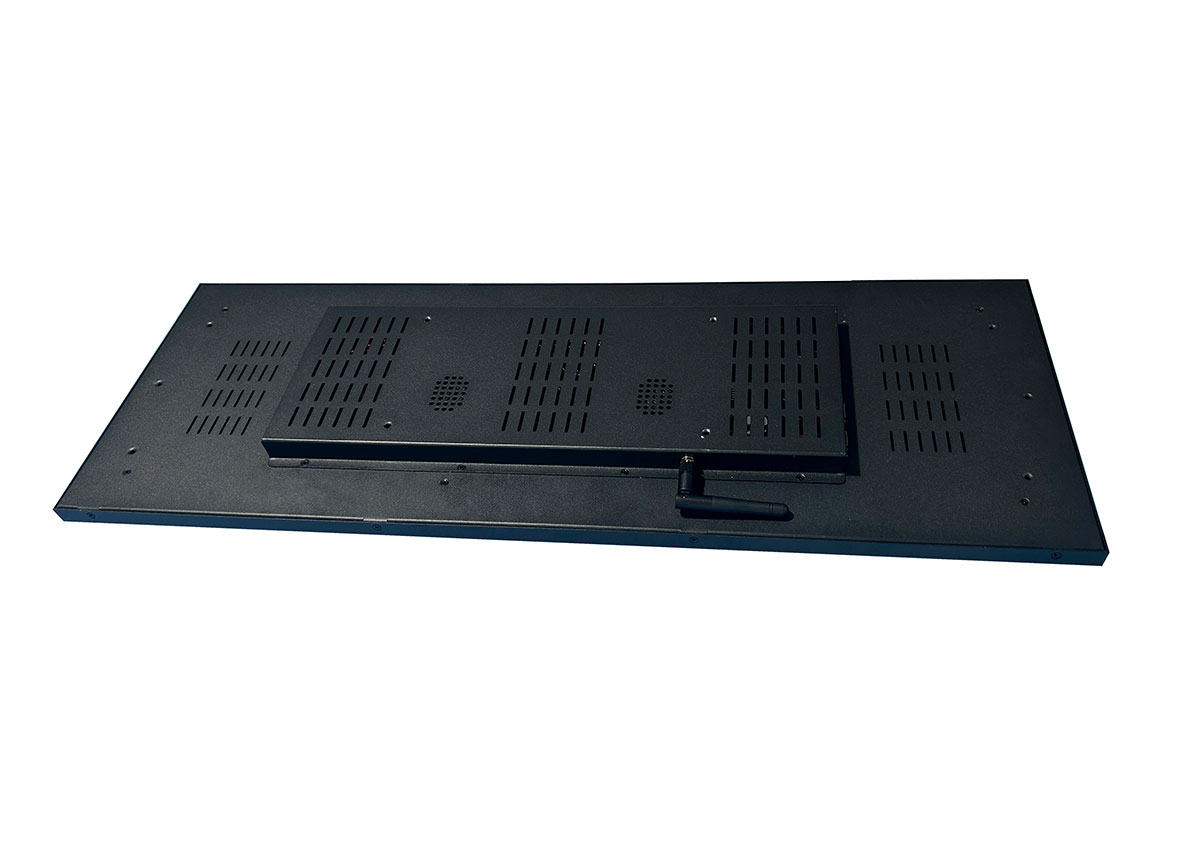
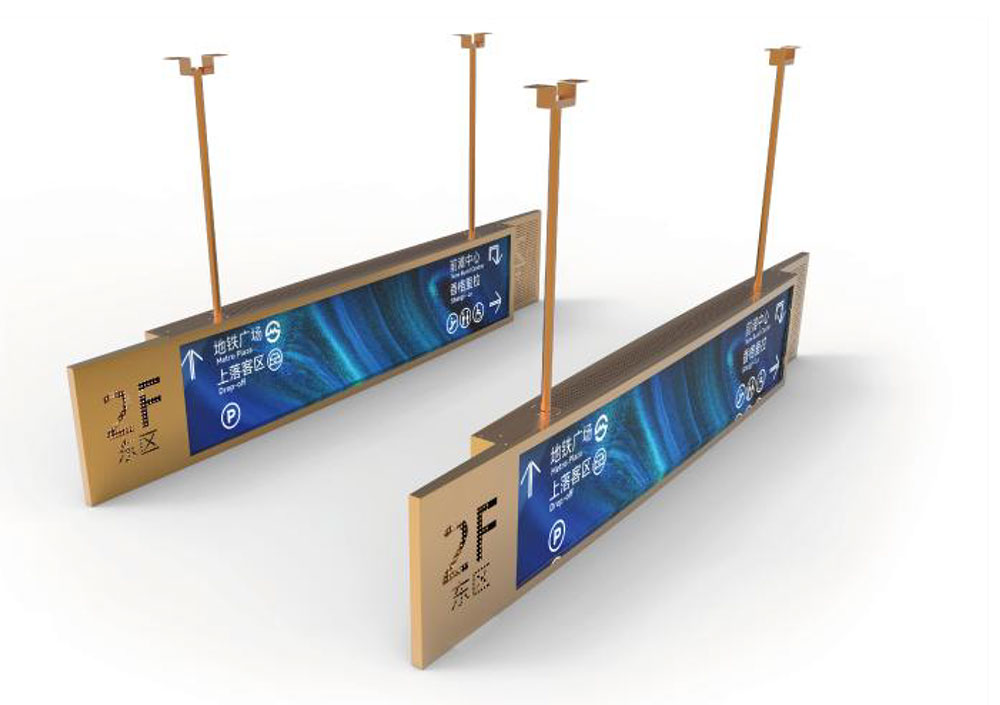
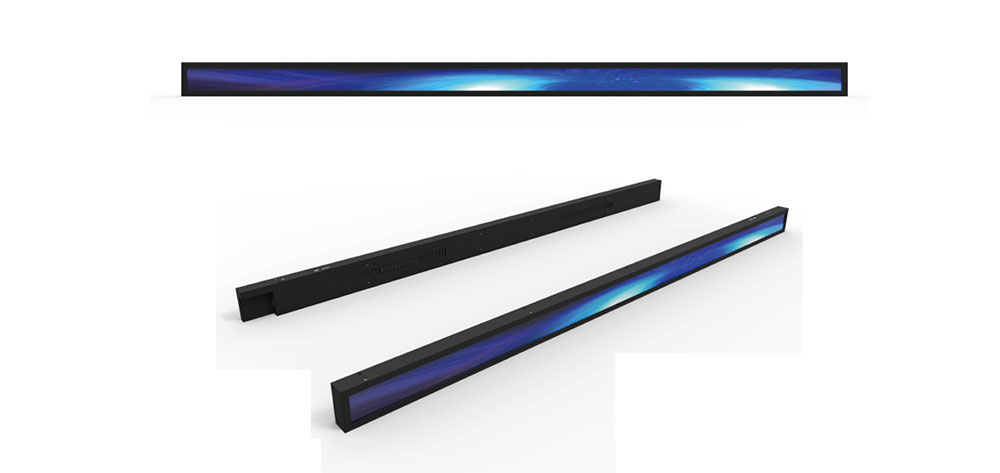
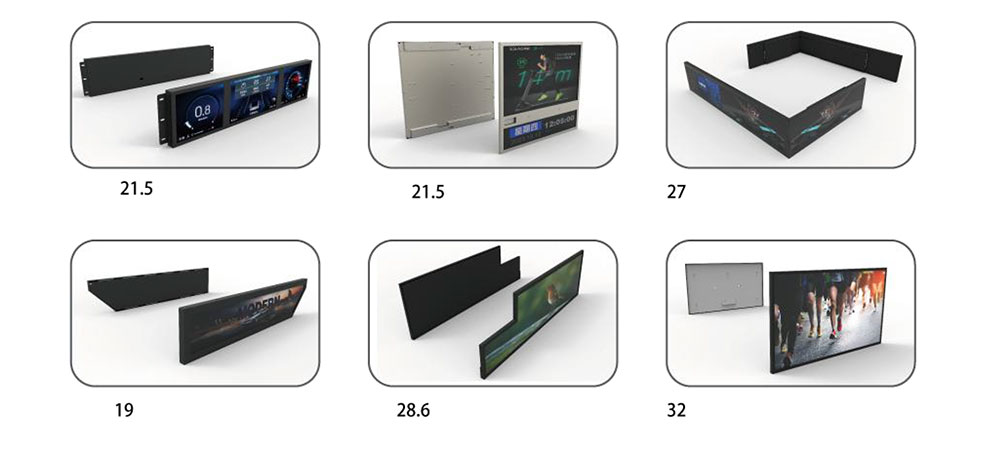
Bar type LCDs, sometimes called stretched or ultra-wide displays, typically use aspect ratios such as 16:3, 16:4, 24:9, or fully custom cuts. They are produced either as purpose-built panels or as precision-cut segments of a larger mother glass. For vehicle integration, the key advantages are:
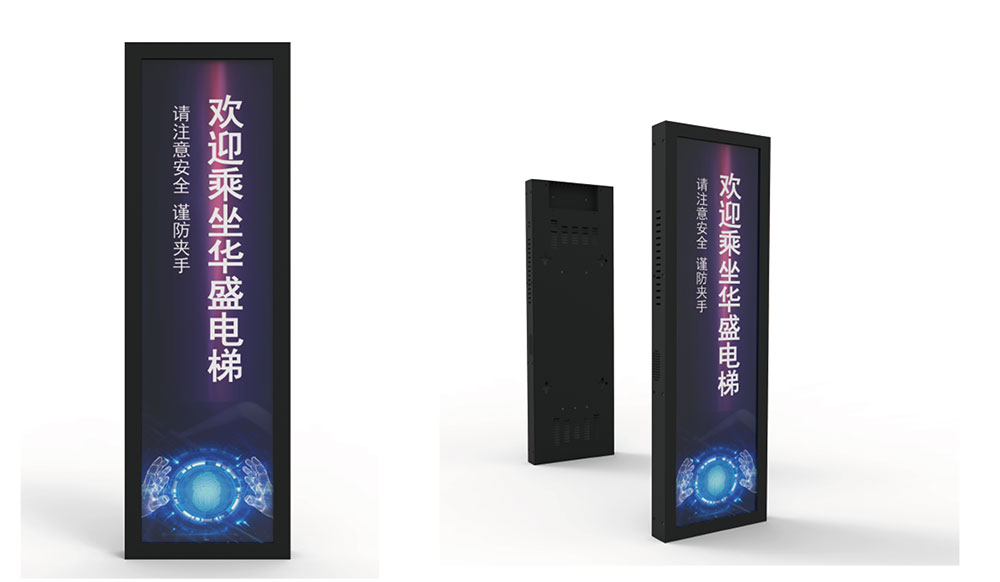
- Space efficiency — the panel occupies a shallow horizontal band, freeing vertical dashboard space.
- Focused information zones — content can be split into logical strips for speed, media, and alerts.
- Seamless styling — the wide profile complements modern flush-mounted interior design.
Brightness and sunlight readability
US driving conditions range from the intense desert sun of Arizona and Nevada to the reflective snowfields of the northern states. Any in-vehicle display must remain legible under direct sunlight. For bar type LCDs mounted near the windshield or in exposed console positions, we recommend a minimum of 800 to 1000 nits, with 1500 nits or higher for sun-facing installations.
Equally important is combating the "black-out" effect caused by heat. High-brightness panels should pair a robust backlight with an anti-clearing (isotropic) liquid crystal fluid and thermal management so the display does not darken when interior temperatures climb during summer parking.
Wide temperature performance
Vehicle cabins routinely swing from below freezing to well over 80°C behind the glass. Selecting an industrial or automotive-grade bar type LCD with an operating range of -30°C to +85°C protects against slow response times in the cold and image degradation in the heat. Confirm both operating and storage temperature specs, and ask whether the panel uses a heater film for rapid cold-start legibility.
Optical bonding and durability
Optical bonding fills the air gap between the LCD and the cover glass or touch layer with a clear resin. For in-vehicle use this delivers three benefits: reduced internal reflection for better contrast, elimination of condensation between layers, and greater mechanical strength against vibration and impact. Given the constant road vibration in trucks and buses, bonded assemblies are strongly preferred over air-gap constructions.
Touch technology considerations
Projected capacitive (PCAP) touch is now standard for premium interiors, but specify a controller tuned for gloved and wet-finger operation if the vehicle serves commercial or outdoor roles. For bar type formats, verify that the touch sensor is manufactured to match the stretched geometry, as off-the-shelf touch panels rarely fit ultra-wide cuts without customization.
Interface and integration
Common interfaces for automotive bar type LCDs include LVDS, MIPI-DSI, and increasingly automotive serializers such as those in the GMSL and FPD-Link families. Match the interface to your head unit or SoC, and confirm EMC/EMI behavior since vehicles are electrically noisy environments. Mechanical mounting — bracket points, bezel design, and connector orientation — should be reviewed early to avoid costly redesigns.
Compliance and reliability for the US market
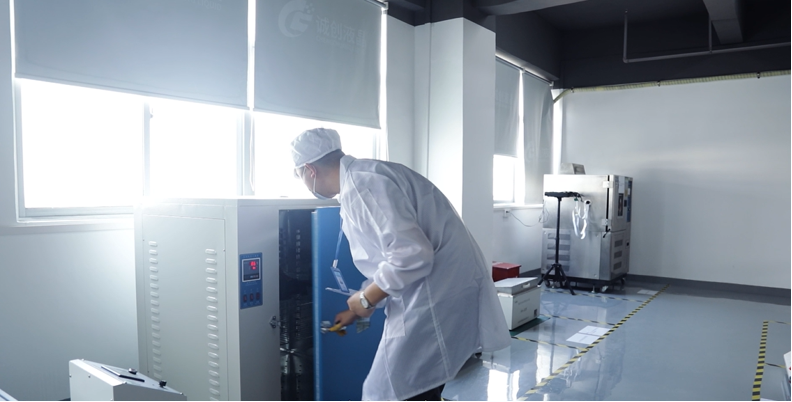
For products sold or operated in the US, verify relevant certifications and reliability testing, including vibration and shock per automotive standards, thermal cycling, and EMC compliance. Ask your supplier for a documented reliability report and a clear statement on component lifecycle and long-term availability, which matters greatly for platforms that stay in production for years.
Choosing the right supply partner
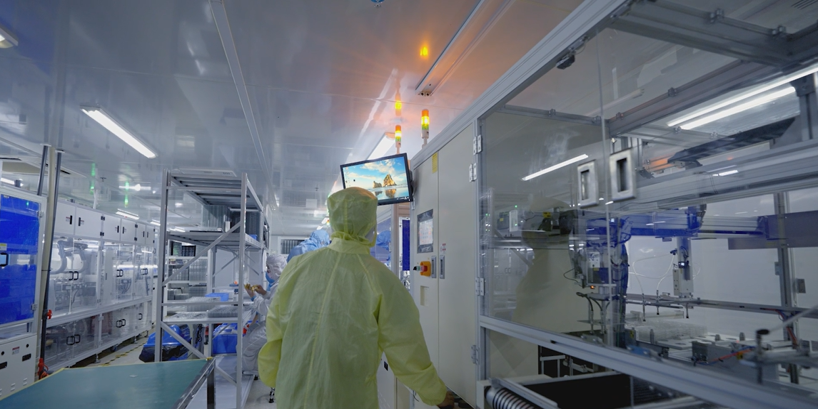
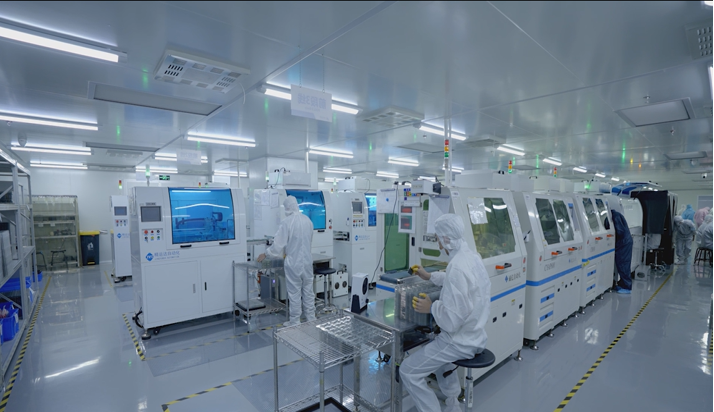
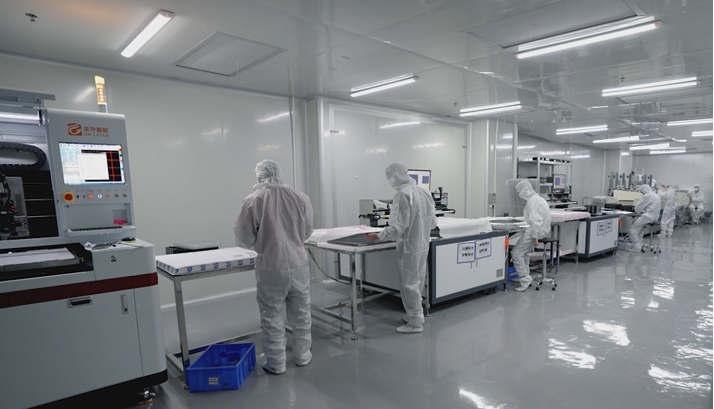
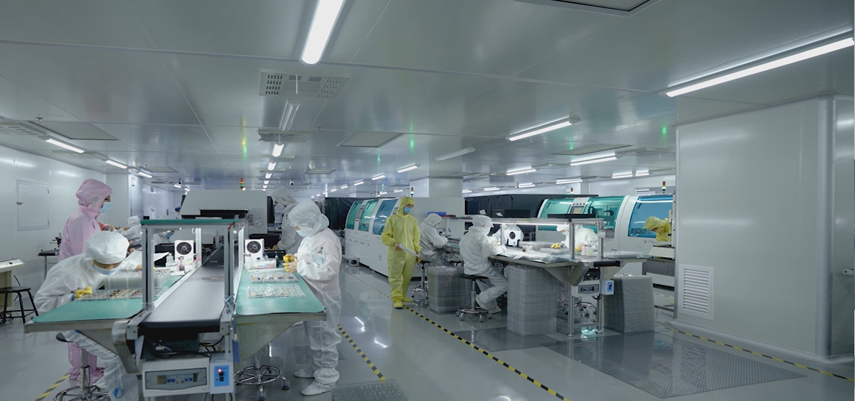
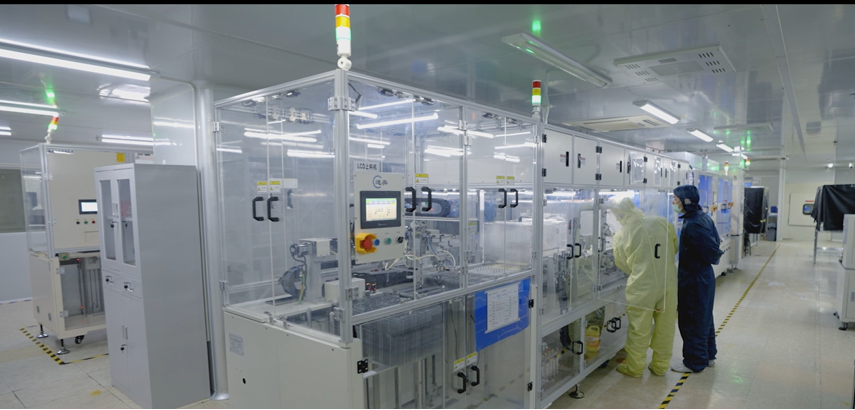
Beyond the panel itself, evaluate the manufacturer's ability to support customization, provide consistent long-term supply, and offer engineering collaboration on bonding, touch integration, and thermal design. A partner that manufactures high-brightness and bar type panels in-house can adapt cut sizes, brightness levels, and interfaces to your exact vehicle program rather than forcing a compromise around a stock part.
Conclusion
Selecting an in-vehicle bar type LCD for the US market is a multi-factor decision: sunlight-beating brightness, wide temperature endurance, optical bonding, the right touch and interface, and dependable compliance and supply. Get these right and the stretched display becomes a standout feature of the cabin. At HITULCD, our engineering team specializes in high-brightness and custom bar type solutions built to survive and perform in real-world automotive conditions.
KEYWORDS: in vehicle bar type LCD, stretched LCD display, high brightness automotive LCD, sunlight readable display, optical bonding LCD