Introduction
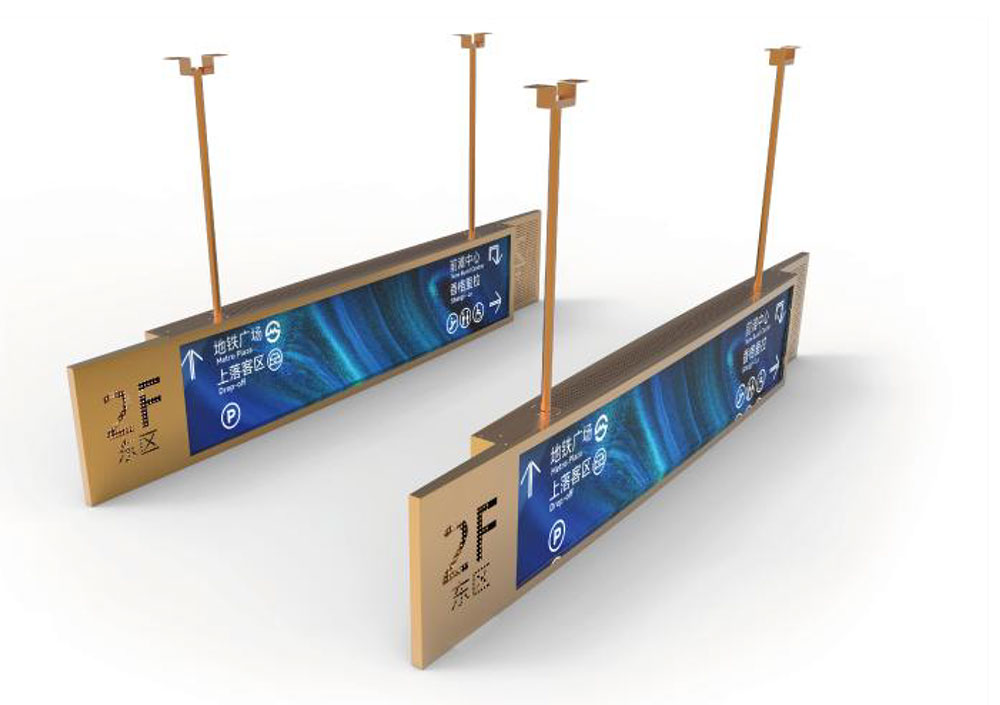
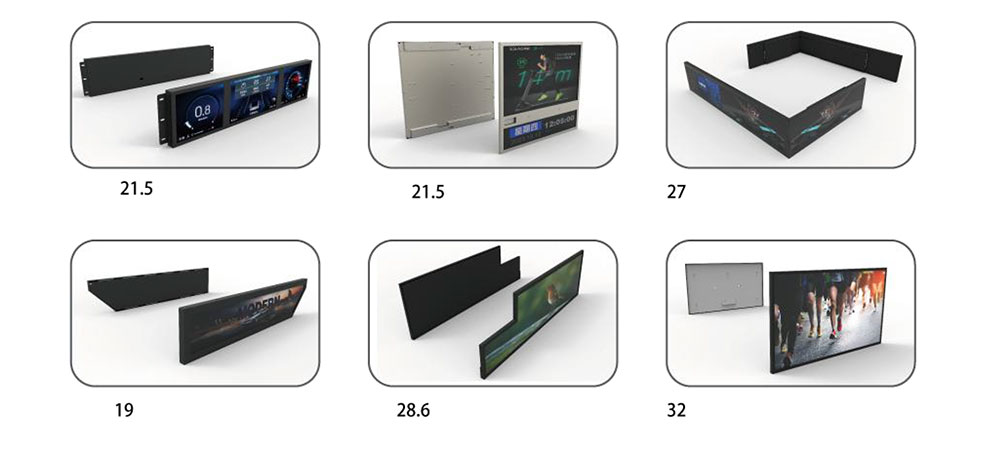
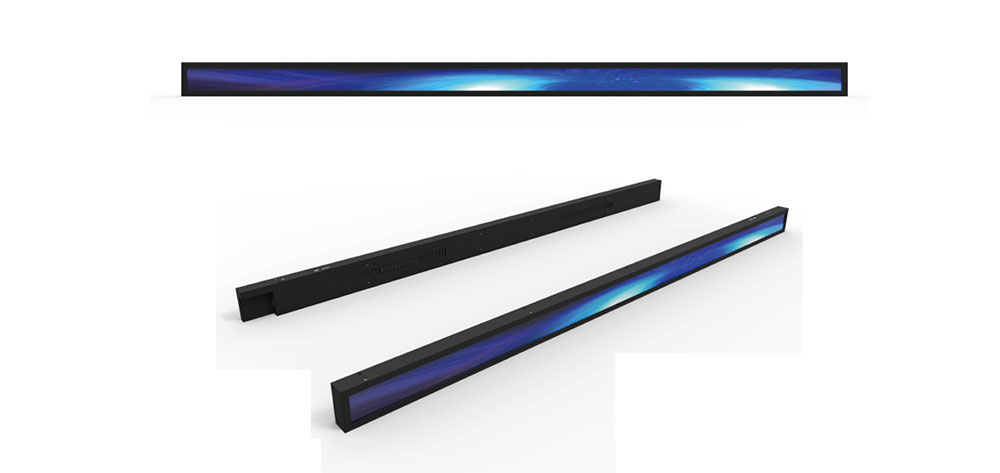
Outdoor bar type LCDs, sometimes called stretched or ultra-wide displays, have become a preferred format for transit signage, drive-thru menu boards, shelf-edge retail displays, and stadium wayfinding across the United States. Their elongated aspect ratios (commonly 16:4.5, 24:9, or fully custom cuts) fit narrow architectural spaces where a standard 16:9 panel simply will not work. But deploying these displays outdoors in the demanding US climate introduces engineering challenges that go far beyond choosing a screen size. At HITULCD, we work with integrators nationwide, and this guide distills the technical factors that determine whether an outdoor bar type LCD succeeds or fails in the field.
1. Brightness and Sunlight Readability
The single most critical specification for any outdoor display in the US is brightness, measured in nits (cd/m²). Interior displays operate at 300–500 nits, but direct sunlight in states such as Arizona, Texas, Florida, and California can exceed 100,000 lux of ambient illumination. A bar type LCD intended for outdoor use should deliver a minimum of 2,500 nits, with 3,000–5,000 nits recommended for west- or south-facing installations exposed to direct afternoon sun.
High brightness alone is not enough. Look for an integrated ambient light sensor that automatically scales backlight output. This preserves readability at midday, prevents "black screen" washout, and dramatically reduces power consumption and heat load after dark, extending LED backlight lifespan.
2. Thermal Management and the Isothermal Challenge
Bar type LCDs concentrate a large amount of backlight energy into a narrow enclosure, which makes heat dissipation harder than on a square panel. In hot US climates, the combination of solar loading and high-nit backlights can push internal temperatures past the point where liquid crystals fail, causing the well-known "black blob" isotropic failure.
When selecting a display, verify these thermal safeguards:
- Optical bonding between the cover glass and LCD to eliminate the air gap that traps heat and causes internal condensation.
- Active cooling (fans or closed-loop air conditioning) rated for the region's peak ambient temperature, ideally up to 50°C or higher.
- Wide operating temperature range, typically -30°C to +60°C, to cover both Minnesota winters and Southwest summers.
- Thermal shutdown and auto-restart logic to protect the panel during extreme events.
3. Ingress Protection and Weather Sealing
Outdoor deployments must resist rain, snow, dust, and coastal salt spray. Specify an enclosure with an IP65 rating or higher on all exposed surfaces. For installations near the ocean in Florida or the Gulf Coast, request corrosion-resistant hardware and conformal-coated electronics to withstand salt-laden air.
Because bar type displays are long and thin, seams and cable entry points are potential water ingress paths. Confirm that gaskets run the full perimeter and that the display has been independently tested, not merely rated by design.
4. Aspect Ratio, Resolution, and Content Fit
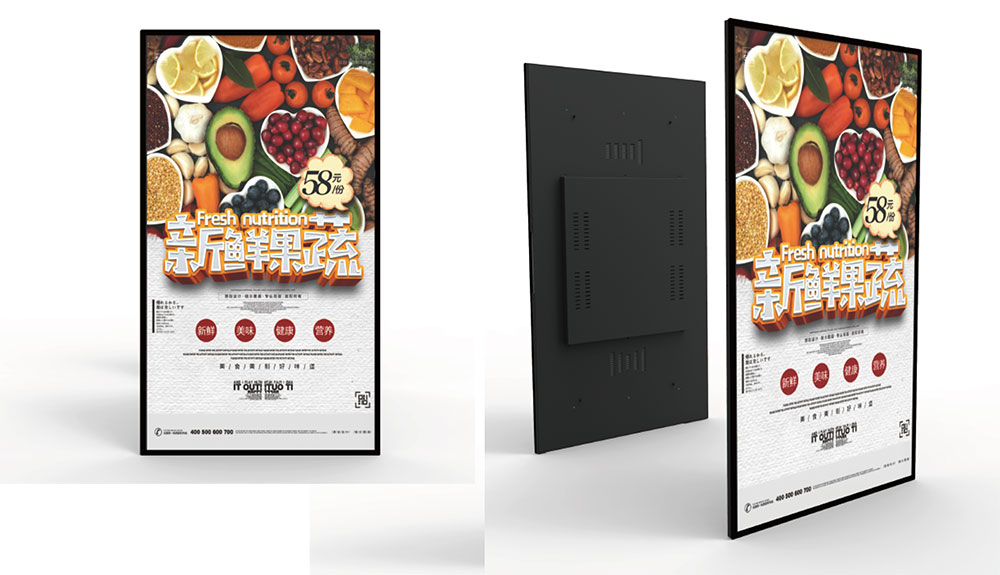
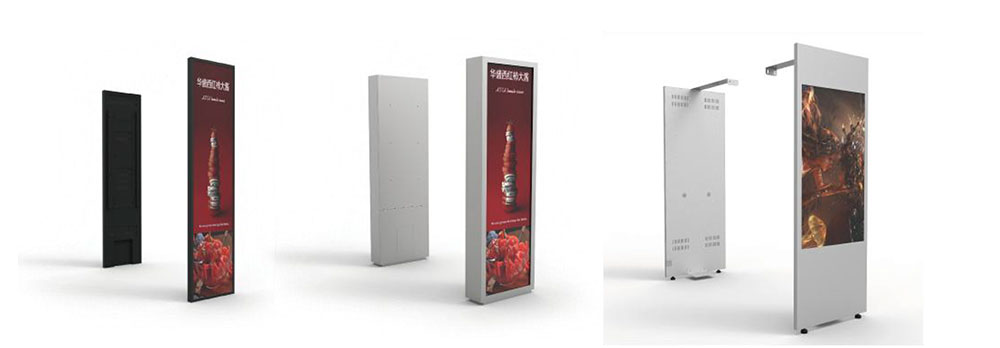
The value of a bar type LCD lies in its non-standard geometry, so match the aspect ratio to the physical opening and the content strategy. A 24:9 or 32:9 panel suits scrolling transit schedules and pricing rails, while a taller cut works for portrait wayfinding columns. Ensure the pixel density supports legible text at the intended viewing distance; a shelf-edge display viewed at 18 inches has very different resolution needs than a stadium banner viewed at 60 feet.
5. Anti-Glare, Anti-Reflection, and Viewing Angle
Even a bright panel becomes unreadable if the surface mirrors the sky. Anti-glare (AG) treatments diffuse reflections, while anti-reflection (AR) coatings reduce them at the glass boundary. Combined with optical bonding, these treatments can raise effective contrast in sunlight by a wide margin. Because bar type displays are often mounted high or approached from steep angles, confirm the panel offers wide horizontal and vertical viewing angles, typically 178°.
6. Compliance and Certification for the US Market
Any electronic display sold and installed in the United States must meet regulatory requirements. Verify that the product carries UL or ETL listing for electrical safety and FCC Part 15 certification for electromagnetic emissions. For municipal, transit, or federally funded projects, confirm whether Buy America provisions or ADA-related mounting and legibility guidelines apply. Choosing a non-compliant display can halt an entire deployment during inspection.
7. Serviceability and Total Cost of Ownership
Outdoor displays are expensive to access, especially when pole- or ceiling-mounted. Prioritize designs with front- or rear-serviceable components, hot-swappable power supplies, and remote monitoring over the network so integrators can diagnose brightness sensors, temperature, and fan status without a truck roll. A slightly higher upfront cost for a robust, monitorable unit almost always yields a lower total cost of ownership across a five- to seven-year lifecycle.
8. Power, Connectivity, and System Integration
Confirm the display accepts standard US voltage (120/240V) and evaluate peak power draw at full brightness for electrical planning. For content delivery, look for redundant inputs, HDMI or LVDS support, and compatibility with your existing media player or content management system. Displays with integrated system-on-chip playback can reduce hardware and simplify remote content updates across geographically dispersed US sites.
Conclusion
Selecting an outdoor bar type LCD for the US market is a balance of brightness, thermal engineering, environmental sealing, regulatory compliance, and long-term serviceability. The narrow form factor that makes these displays so versatile also concentrates the engineering challenges, so specifications that look adequate on paper must be validated for the specific climate and installation. HITULCD engineers displays that pair high-nit sunlight readability with rugged thermal and ingress protection, helping integrators deploy bar type LCDs that stay bright, legible, and reliable in the field for years.
KEYWORDS: outdoor bar type LCD, high brightness LCD, sunlight readable display, stretched LCD signage, outdoor digital signage US