Introduction to Commercial Bar Type LCDs
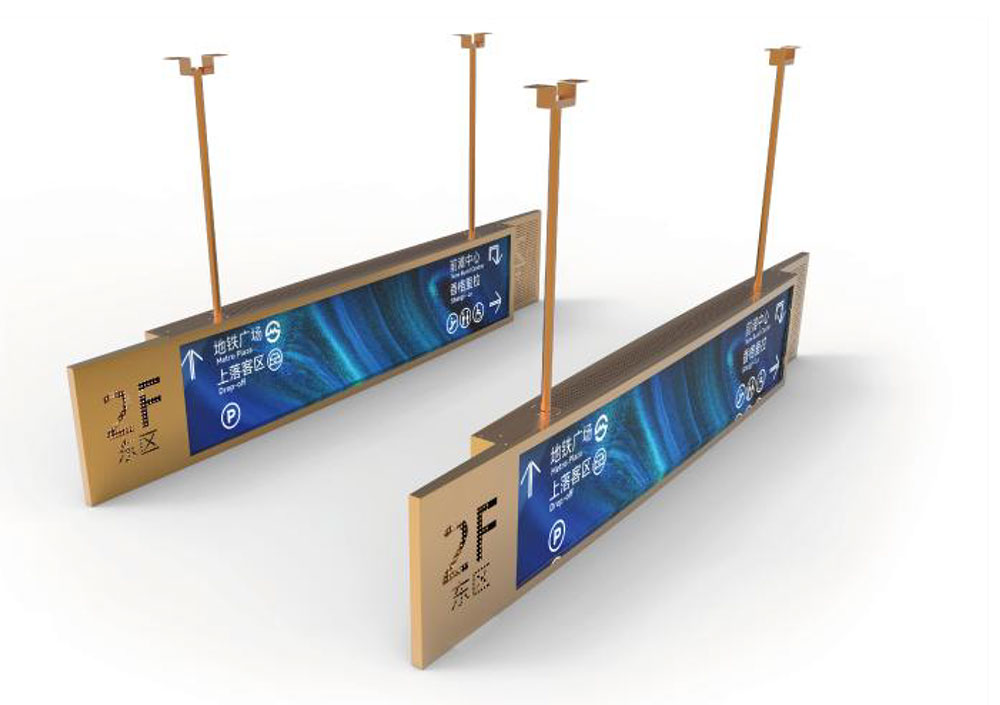
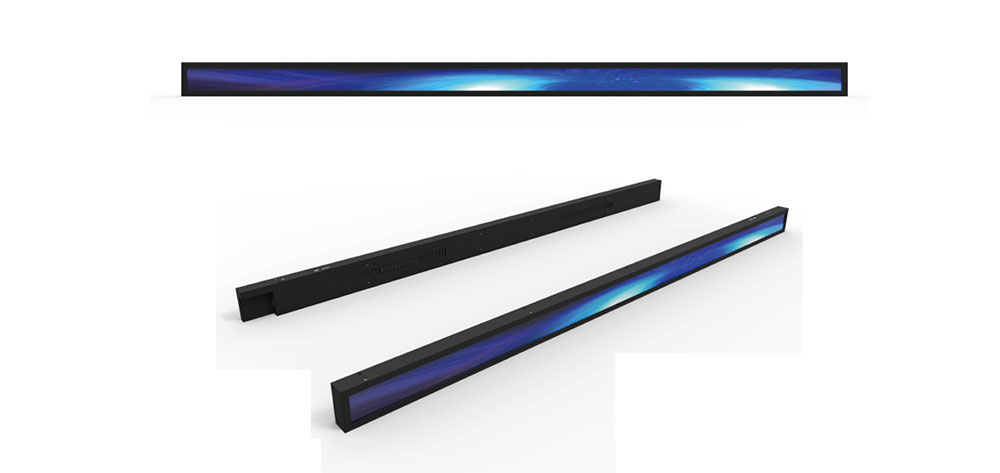
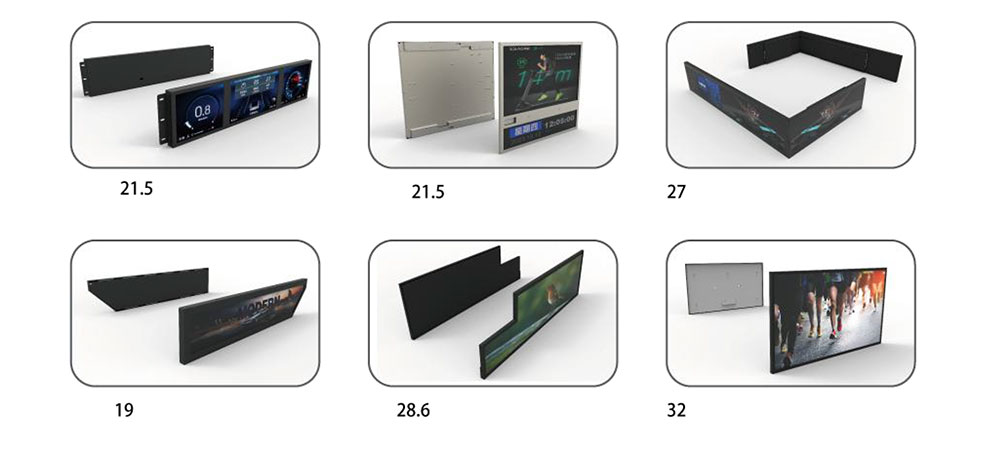
Bar type LCDs, also known as stretched or ultra-wide displays, have become a cornerstone of modern commercial signage across the United States. Defined by their elongated aspect ratios—commonly 16:4.5, 24:9, or even 58:9—these panels are engineered to fit spaces where a standard 16:9 screen simply cannot go. From shelf-edge retail displays and transit information boards to restaurant menu strips and airport wayfinding, bar type LCDs deliver targeted visual communication in narrow, high-traffic environments. For US buyers evaluating a purchase, understanding the technical fundamentals, environmental demands, and total cost of ownership is essential to making a decision that performs reliably for years.
Why High Brightness Matters for US Commercial Deployments
One of the most important specifications for any commercial bar type LCD is brightness, measured in nits (cd/m²). Standard consumer displays typically output 250 to 400 nits, which is adequate for a dim living room but woefully inadequate for a sunlit storefront window or a fluorescent-lit big-box retail aisle. Commercial-grade bar type LCDs from manufacturers such as HITULCD are available in high-brightness configurations ranging from 700 nits for semi-outdoor use up to 2,500 nits or more for direct sunlight-facing window displays.
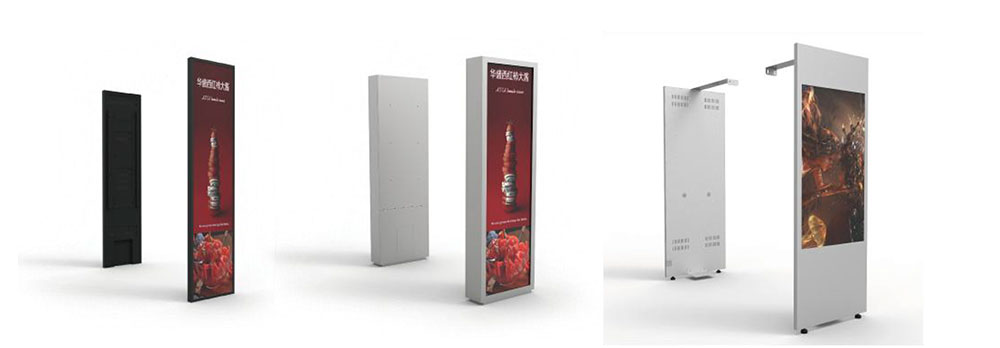
In the US market, where retail window advertising and outdoor-adjacent installations are common, choosing the correct brightness tier prevents the washed-out, unreadable content that plagues under-specified displays. High-brightness panels also incorporate optical bonding and anti-reflective coatings that reduce glare and improve contrast in ambient light, ensuring your message remains legible from morning to evening.
Key Specifications to Evaluate Before You Buy
Aspect Ratio and Resolution
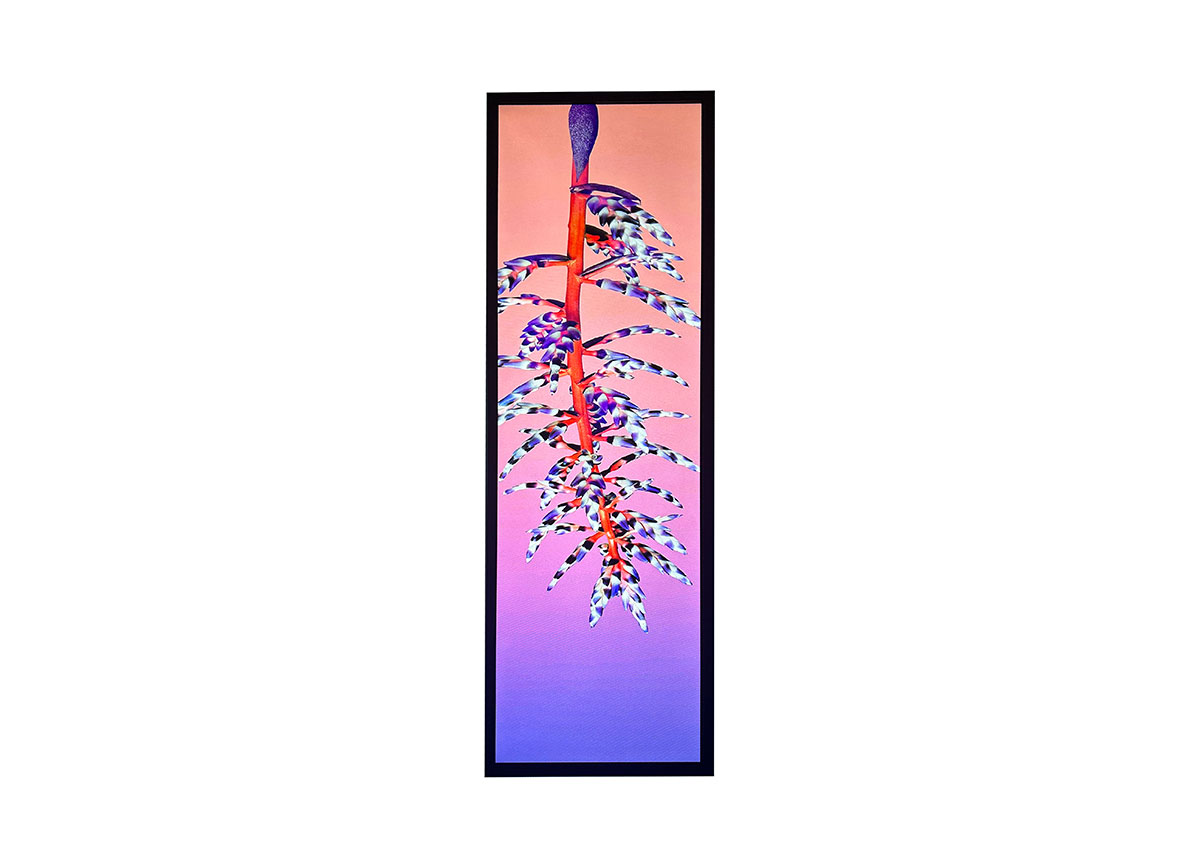
Bar type LCDs come in a variety of stretched aspect ratios. Confirm that the resolution matches your content strategy—for example, a 28-inch bar display at 1920×360 is well suited to scrolling text and pricing, while higher-resolution panels support detailed imagery. Match the physical dimensions to your mounting space precisely, as these displays are frequently installed in tight recesses.
Panel Type and Viewing Angle
IPS panels are preferred for commercial signage because they maintain color accuracy and brightness across wide viewing angles—critical when customers approach a display from multiple directions in a store or terminal.
Operating Temperature and Duty Cycle
Commercial installations often demand 24/7 operation. Look for panels rated for continuous duty cycles and wide operating temperature ranges, especially for window-facing units that experience solar heat gain. Industrial-grade thermal management prevents image degradation and extends panel lifespan.
Environmental and Regulatory Considerations in the US
US buyers should verify that any display carries the appropriate certifications, including UL or ETL safety listing and FCC electromagnetic compliance. For installations in California and several other states, ENERGY STAR ratings and compliance with state energy efficiency regulations can influence both procurement approval and long-term operating costs. Displays intended for public or ADA-governed spaces may also need to meet accessibility mounting-height and glare requirements. Confirming these certifications up front avoids costly compliance issues after installation.
Installation Environments and Mounting Options
Bar type LCDs are deployed in diverse settings, each with distinct requirements. Retail shelf-edge displays typically use slim rail or bracket mounts and require low-heat operation given their proximity to merchandise. Window displays demand high brightness and robust cooling. Transit and airport applications often require landscape or portrait flexibility, network connectivity for centralized content management, and vandal-resistant housings. When purchasing, clarify whether you need a bare panel, an open-frame module for custom enclosures, or a fully enclosed commercial monitor with integrated media playback.
Total Cost of Ownership and Warranty
The purchase price of a bar type LCD is only part of the equation. Factor in power consumption over a multi-year lifespan, content management system licensing, installation labor, and maintenance. High-brightness commercial panels command a premium over consumer displays, but their durability, longer duty ratings, and superior warranties—often three years for commercial-grade units versus one year for consumer models—deliver a lower total cost of ownership. Ask suppliers about spare-part availability and lead times, as US commercial projects frequently operate on tight deployment schedules.
Choosing the Right Supplier
Partnering with a specialized high-brightness LCD manufacturer such as HITULCD gives US buyers access to engineering support, customization for non-standard sizes, and reliable supply chains. Evaluate potential suppliers on their ability to provide detailed datasheets, samples for evaluation, responsive technical support, and proven experience with similar US commercial deployments. A supplier that understands both the technical and regulatory landscape of the US market will help ensure your project succeeds.
Conclusion
Purchasing commercial bar type LCDs in the US requires balancing brightness, panel quality, environmental durability, regulatory compliance, and total cost of ownership. By specifying the correct high-brightness tier for your ambient conditions, verifying US certifications, matching the form factor to your installation, and choosing an experienced manufacturing partner, you can deploy stretched displays that command attention and perform reliably for years. Whether you are outfitting a retail chain, a transit hub, or a hospitality venue, a well-chosen bar type LCD is a powerful and space-efficient communication tool.
KEYWORDS: commercial bar type LCD, high brightness LCD, stretched display US, ultra-wide signage, digital signage purchasing