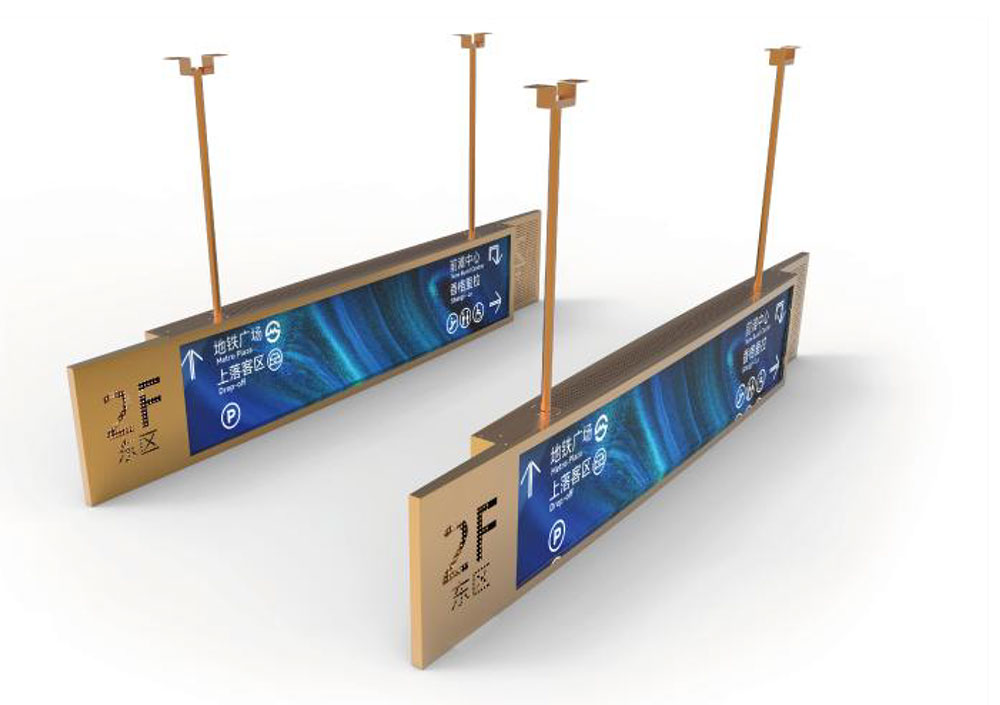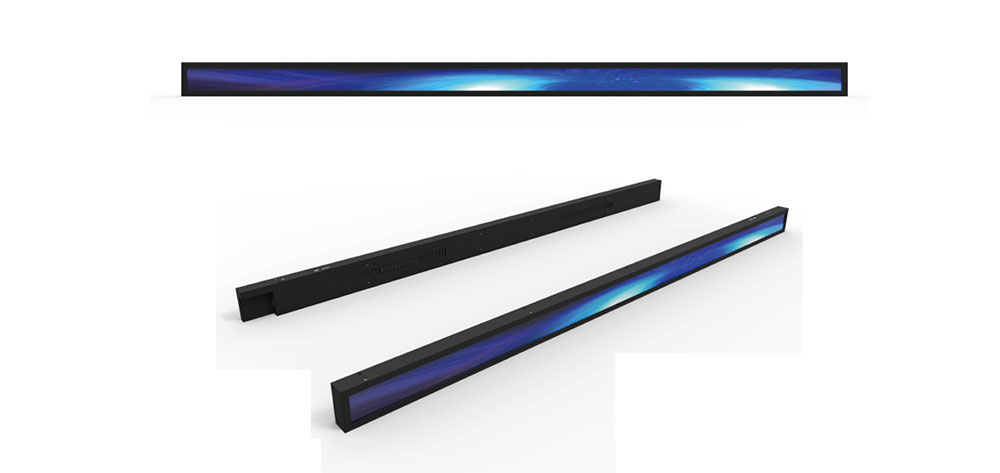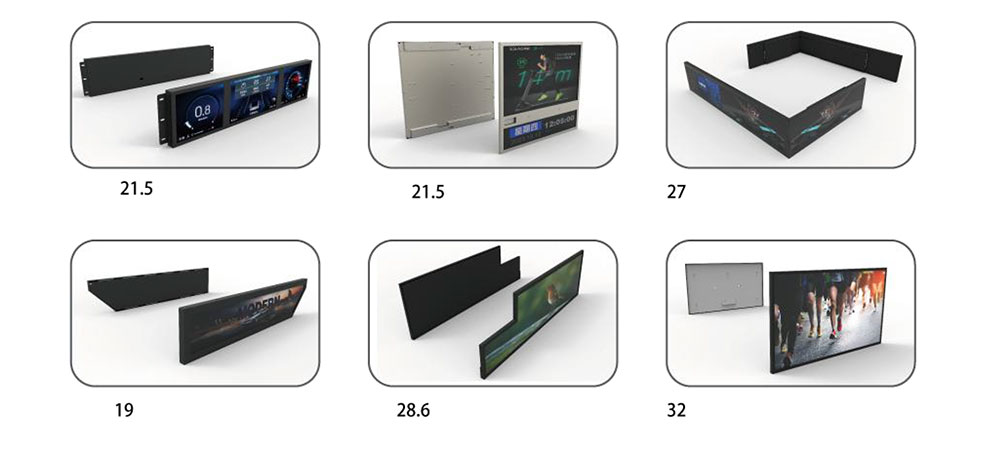
Embedded bar type LCDs, also known as stretched or ultra-wide bar displays, have become a preferred visual solution for equipment manufacturers across the United States. Their elongated form factor fits narrow mounting spaces where a standard 4:3 or 16:9 panel simply cannot go — shelf edges, transit vehicle headers, industrial control rails, elevator jambs, and slim kiosk columns. But choosing the right embedded bar type LCD for equipment integration involves far more than picking an aspect ratio. This guide walks through the technical and practical factors US equipment designers should weigh before specifying a panel.
Understand What "Bar Type" Really Means
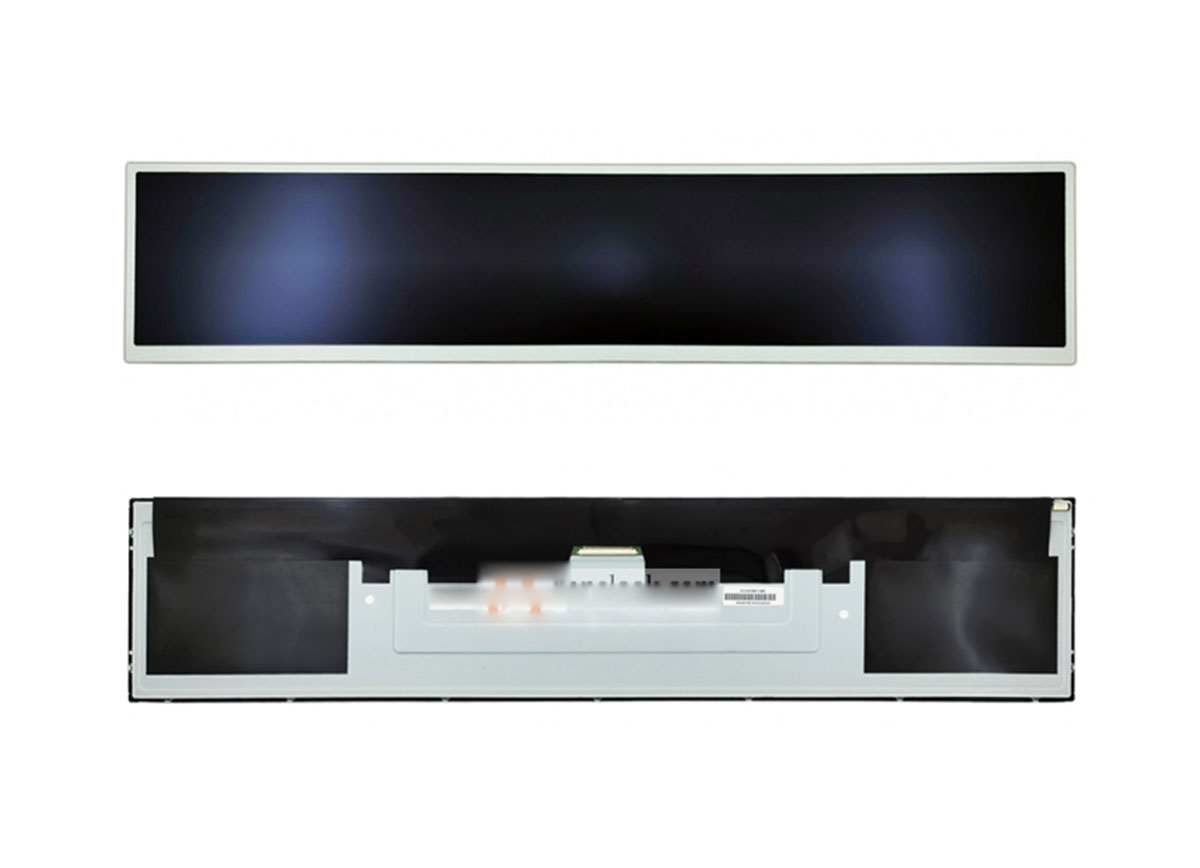
A bar type LCD is a panel cut or produced in an extreme aspect ratio such as 16:3, 16:4.5, 24:9, or similar stretched proportions. Some are true native bar panels manufactured to that shape, while others are standard panels physically cut down to a strip. For embedded equipment use, native bar type panels are generally the better choice because they deliver uniform backlight coverage, full manufacturer warranty support, and consistent optical performance across the entire active area. Cut panels can suffer from uneven brightness near the trimmed edge and typically carry no reliability guarantee.
Match Brightness to the Deployment Environment
Brightness is the single most important specification for US equipment that operates near windows, in retail storefronts, transportation hubs, or outdoor-adjacent enclosures. Indoor equipment away from direct light can function well at 350 to 700 nits. Semi-outdoor and storefront-facing equipment usually requires 1,000 to 1,500 nits to remain readable against ambient glare. Fully sunlight-exposed applications — outdoor kiosks, EV charging stations, transit platforms — demand 1,500 to 2,500 nits or higher, ideally paired with an optically bonded cover glass to reduce internal reflection. High-brightness bar type panels should also include automatic temperature management, since sustained high luminance generates heat that can trigger isotropic darkening in the LCD if not controlled.
Confirm Temperature and Environmental Ratings
US equipment is deployed across a wide climate range, from cold northern warehouses to hot southern parking lots. Specify the operating and storage temperature range that matches your worst-case installation. Industrial-grade bar type LCDs typically support -30°C to +85°C operating ranges, which covers most demanding scenarios. For enclosed equipment, factor in internal heat buildup and confirm the panel's rating accounts for the enclosure temperature, not just ambient air. Look for panels with wide-temperature liquid crystal fluid and, where relevant, IP-rated front bezels or the ability to integrate behind a sealed cover.
Plan for Interface and Controller Compatibility
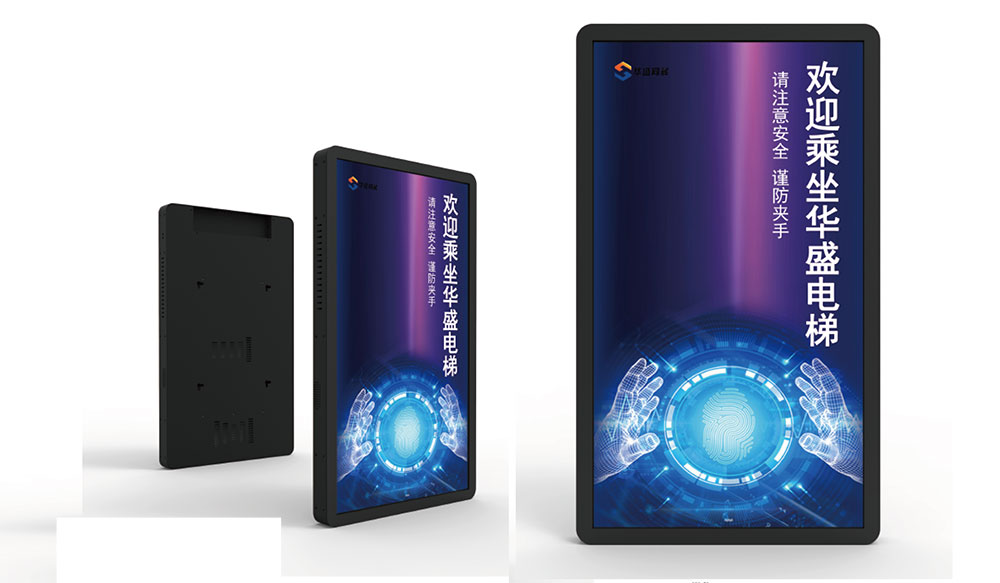
Embedded integration succeeds or fails on the interface. Common bar type LCD interfaces include LVDS and eDP for direct board-level connection, with MIPI options on smaller panels. Decide early whether you will drive the panel with your own embedded board or an included controller board that accepts HDMI, VGA, or USB media input. For US commercial and industrial equipment, verify that any bundled controller supports your resolution and refresh needs, offers stable long-cable signaling if the display sits far from the mainboard, and provides firmware you can configure for orientation, scaling, and power sequencing.
Verify Resolution and Readability at Viewing Distance
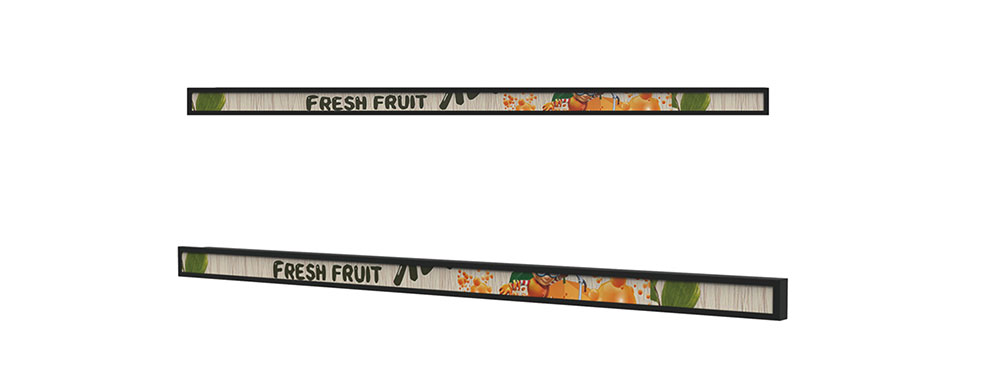
Bar type panels come in resolutions matched to their stretched shape, such as 1920×360, 1920×540, or 1920×158. Choose resolution based on how close viewers stand and how much information you display. Signage read from several feet away tolerates lower pixel density, while control panels read at arm's length benefit from higher resolution for crisp text and fine graphics. Always confirm the panel supports the viewing angle your equipment requires — IPS technology delivers stable color and contrast across wide horizontal and vertical angles, which matters when the display is mounted high or off to one side.
Consider Longevity, Supply, and Compliance
For US equipment programs that ship for years, long-term panel availability is critical. Ask your supplier about the expected production lifecycle, end-of-life notification policy, and backlight rated lifetime — quality LED backlights should offer 50,000 hours or more to half-brightness. Confirm the panel and any controller meet US regulatory requirements, including FCC emissions compliance for the finished equipment and RoHS material restrictions. A supplier who provides mechanical drawings, optical bonding services, and engineering support will significantly shorten your integration timeline.
Work With a Manufacturer, Not Just a Reseller
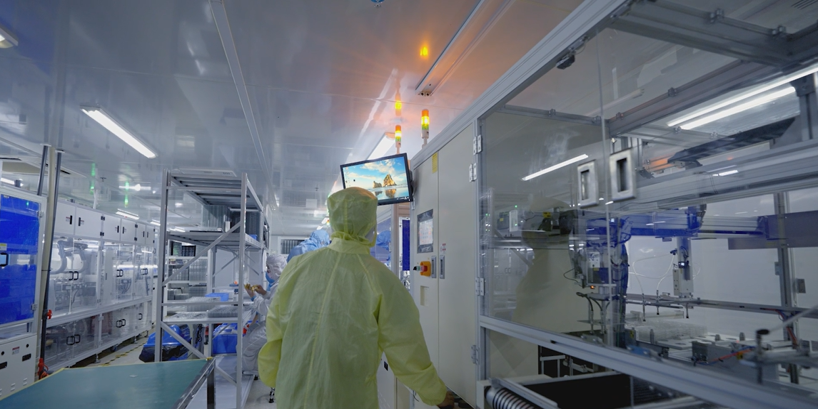
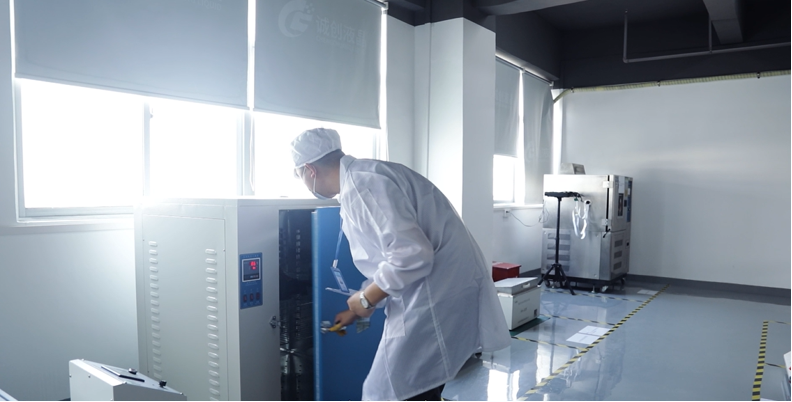
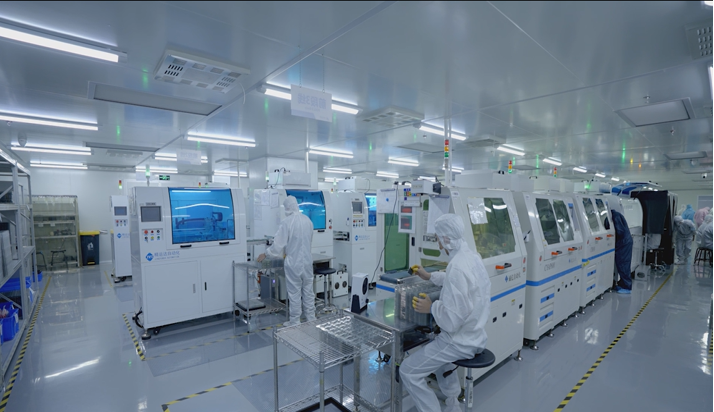
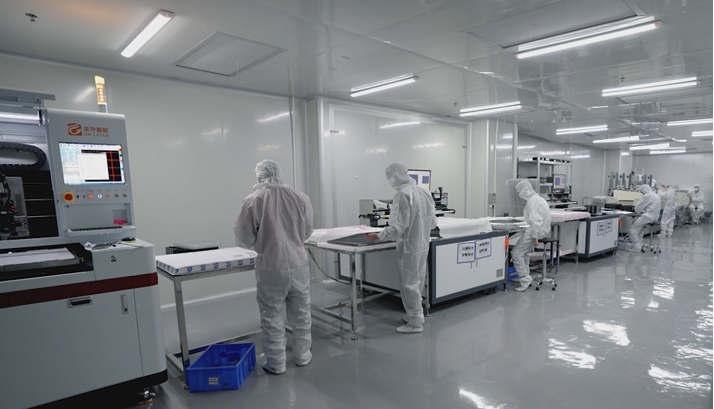
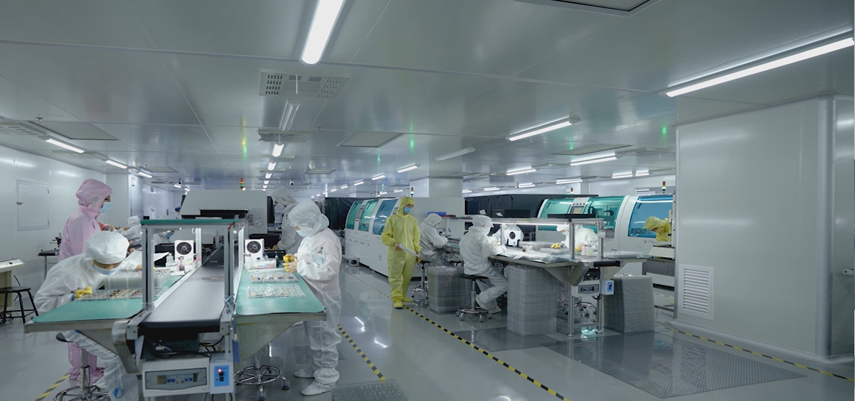
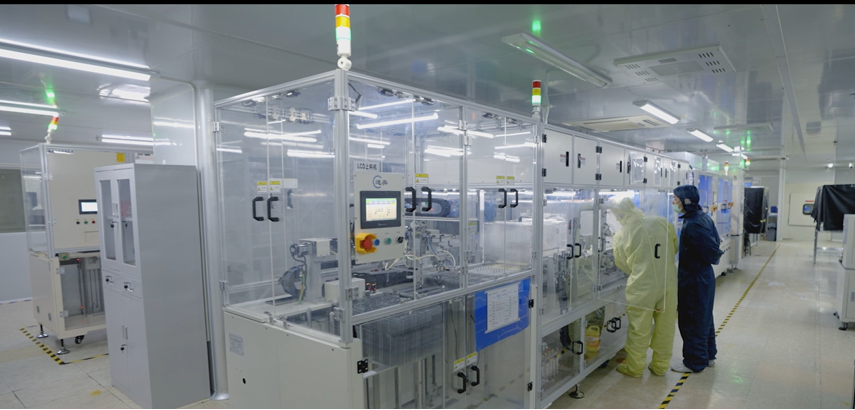
The final and often decisive factor is your supply partner. Working directly with a high-brightness LCD manufacturer such as HITULCD gives you access to custom bar type sizes, tunable brightness, optical bonding, wide-temperature builds, and interface customization that resellers cannot offer. Direct manufacturer support also means faster technical answers during design-in, sample availability for validation, and consistent quality control across production runs. For US equipment makers balancing performance, durability, and time to market, partnering at the manufacturer level is the surest path to a bar type LCD that fits both the mechanical space and the operating demands of the deployment.
Conclusion
Choosing an embedded bar type LCD for equipment in the US comes down to matching brightness to the light environment, confirming temperature and environmental ratings, ensuring interface and controller compatibility, selecting the right resolution and viewing angle, and securing long-term supply and compliance. Address these factors early, validate with real samples, and lean on direct manufacturer expertise to deliver a display that performs reliably for the full life of your equipment.
KEYWORDS: embedded bar type LCD, high brightness bar display, stretched LCD for equipment, industrial bar type panel, sunlight readable LCD