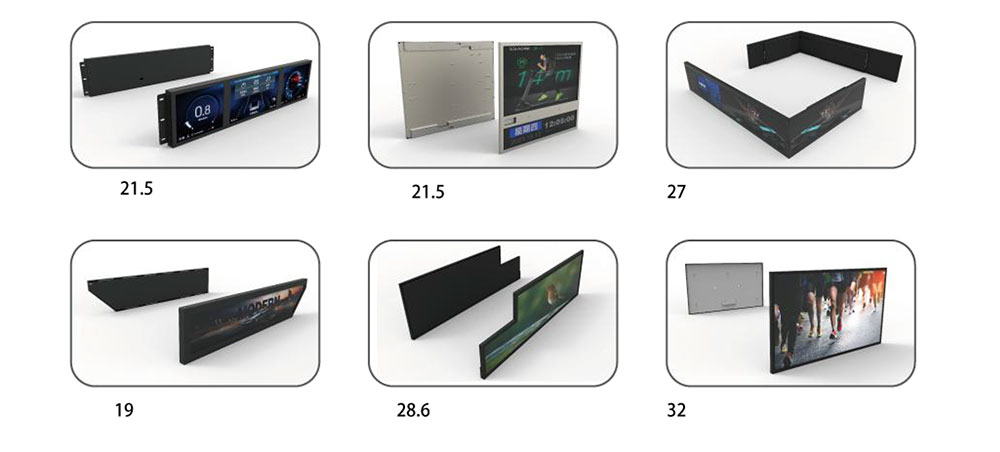
Bus and coach manufacturers in Canada design vehicles for long service lives, demanding routes, and a climate that swings from deep prairie winters to humid coastal summers. The displays installed in these vehicles have to match that durability. Standard consumer monitors rarely fit the narrow dashboards, overhead rails, and side panels found in transit and motorcoach interiors, which is why bar LCD displays (also called stretched or ultra-wide LCDs) have become a practical choice. This article explains what bar LCDs are, where they fit in buses and coaches, and what Canadian manufacturers should weigh when specifying custom units from HITULCD.
What a Bar LCD Display Is
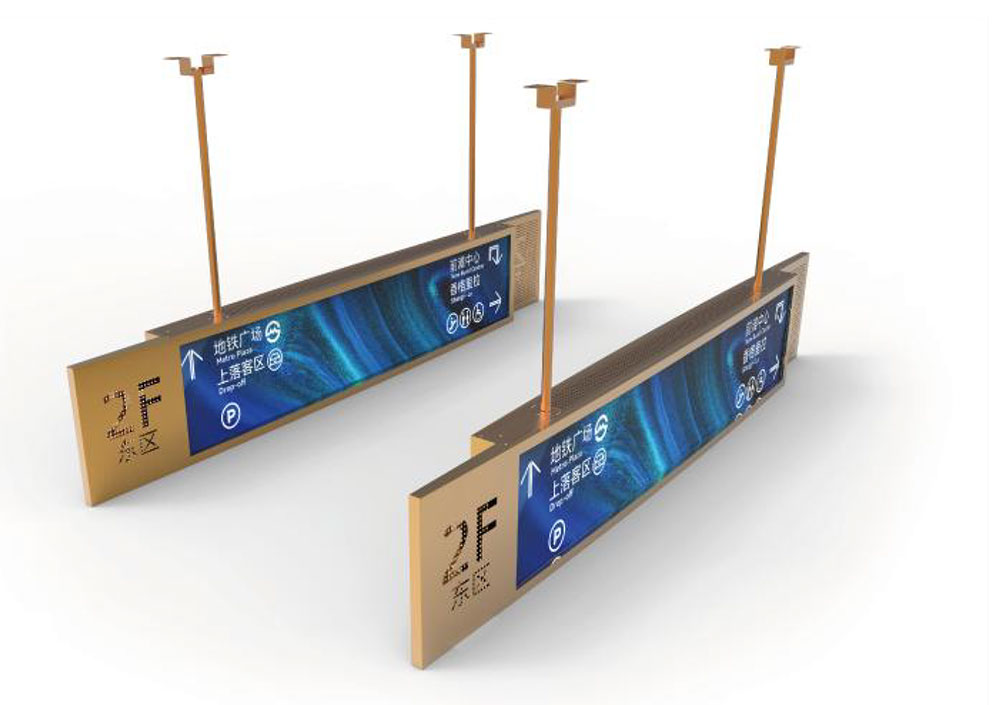
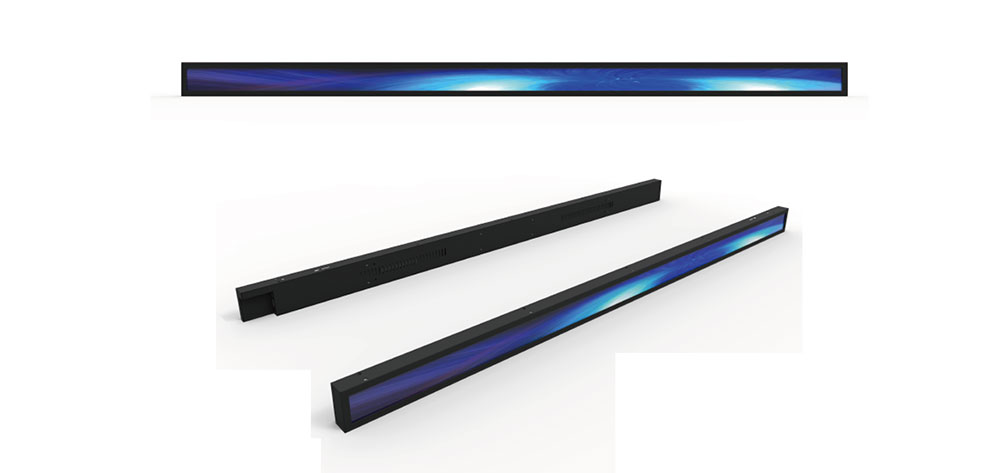
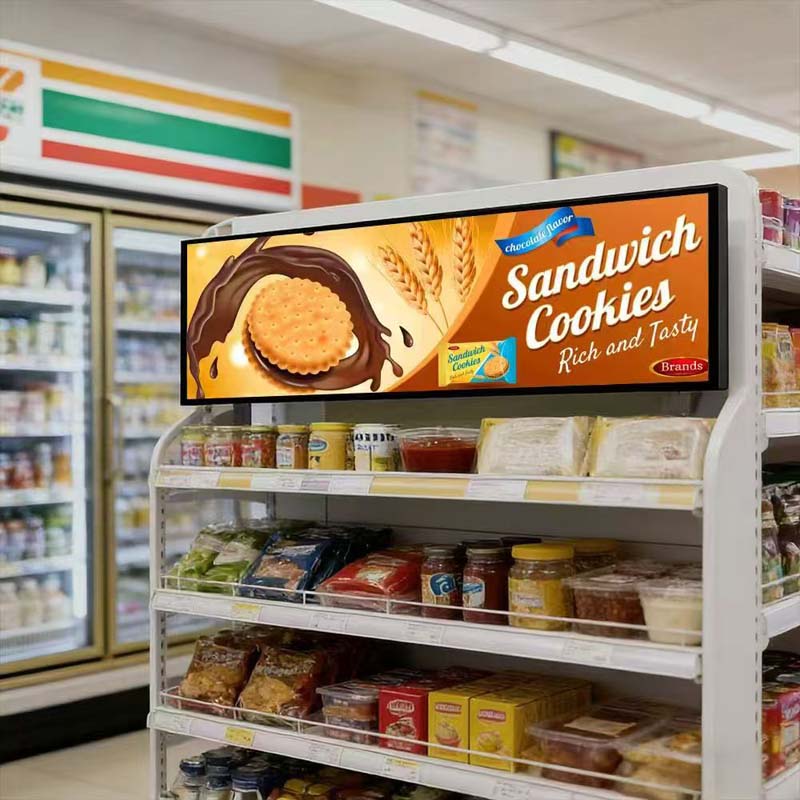
A bar LCD is a display with an elongated aspect ratio, much wider than it is tall (or taller than it is wide, when mounted vertically). The format suits spaces where a conventional 16:9 panel would waste room or simply not fit. In a vehicle, that includes the strip above the windshield, the gap along a luggage rail, the narrow fascia beside a driver's instrument cluster, and the panels flanking entry doors. Because the shape follows the available space rather than forcing the installer to work around a square screen, bar LCDs let designers keep sightlines clear and mount information exactly where passengers and drivers look.
Where Bar LCDs Fit in Buses and Coaches
- Passenger information: route numbers, next-stop names, transfer points, and service alerts along overhead rails.
- Driver-facing readouts: status indicators, navigation prompts, and operational data in the narrow dashboard space.
- Destination and door signage: front, side, and rear indications that remain legible to waiting passengers.
- Advertising and infotainment: long-format content on coaches and intercity vehicles where monetizing screen space matters to the operator.
Why Customization Matters for Canadian Fleets
A catalogue display rarely drops into a bus without compromise. Custom bar LCDs let manufacturers align the panel with the vehicle rather than the other way around. The main areas that benefit from customization include the following.
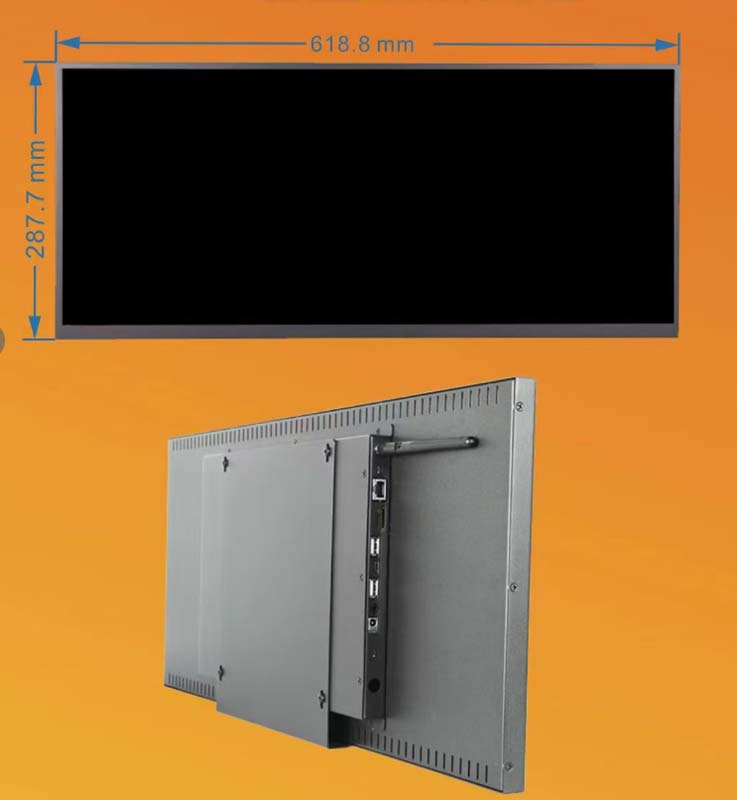
Dimensions and Mounting
The outline, bezel width, mounting holes, and bracket interface can be built to match a specific dashboard or rail. This removes the adapters and spacers that add failure points and slow the assembly line.
Brightness for Mixed Lighting
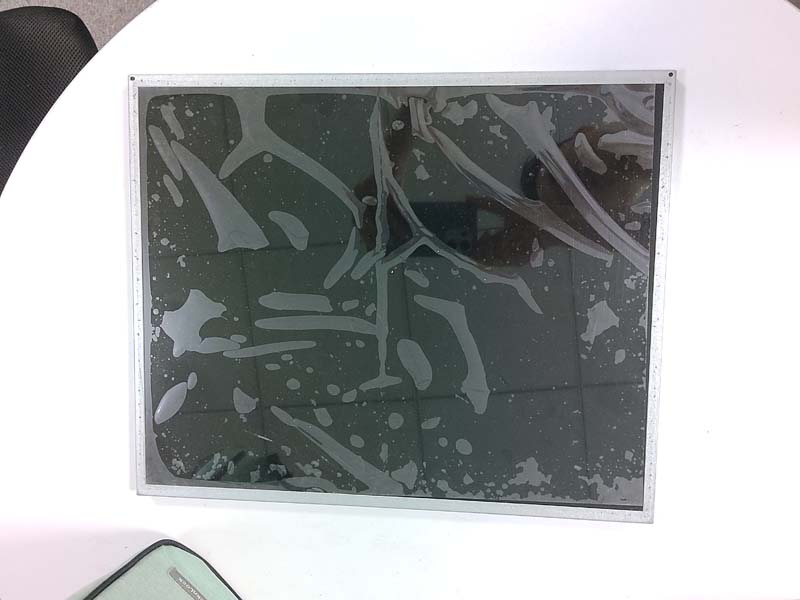
Canadian routes expose screens to strong low-angle winter sun as well as dim tunnels and night driving. High-brightness panels with anti-reflective treatment keep content readable across those conditions. HITULCD can tune brightness and optical bonding to the mounting position so a windshield-area display performs as well as one shielded inside the cabin.
Temperature and Vibration Tolerance
Vehicles sit outdoors through freezing nights and heat up quickly once in service. Displays specified for vehicular use need a wide operating temperature range and resistance to the constant vibration of road travel. These requirements should be confirmed against each project's duty cycle rather than assumed.
Interfaces and Integration
Signal inputs, power requirements, and control protocols can be matched to the vehicle's existing electrical architecture and passenger-information system, which simplifies wiring and certification.
Regulatory and Supply Considerations in Canada
Components installed in Canadian commercial vehicles are subject to electrical safety and electromagnetic compatibility expectations, and transit authorities often add their own procurement and accessibility criteria. Working with a display partner early lets manufacturers confirm that panel construction, connectors, and documentation support the approvals their customers require. Lead times, spare-part availability, and long-term support also shape the total cost of ownership across a fleet's service life, so these points are worth settling at the specification stage.
Working With HITULCD
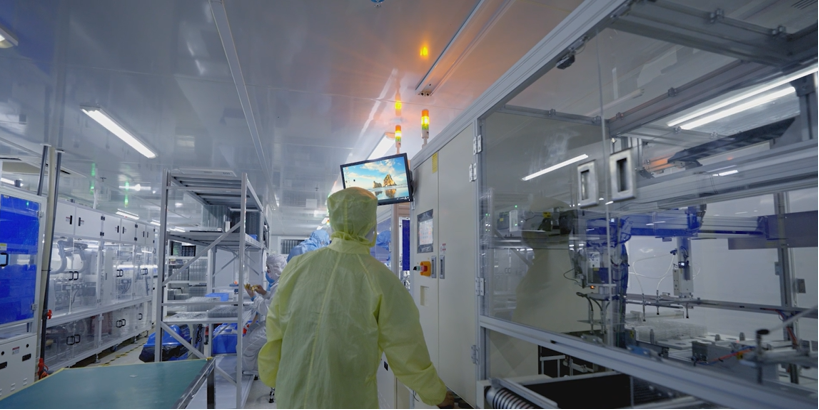
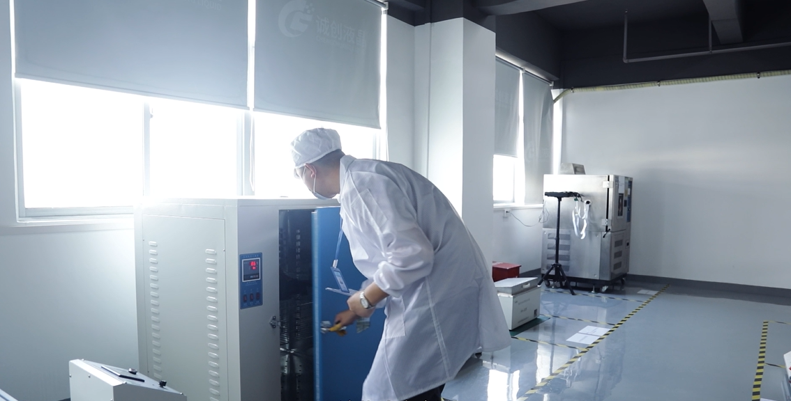
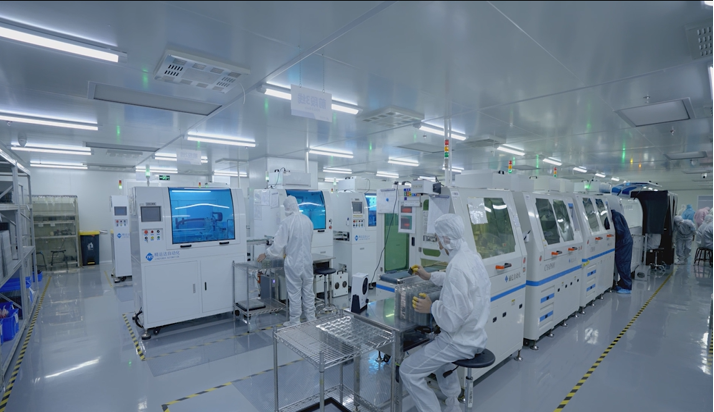
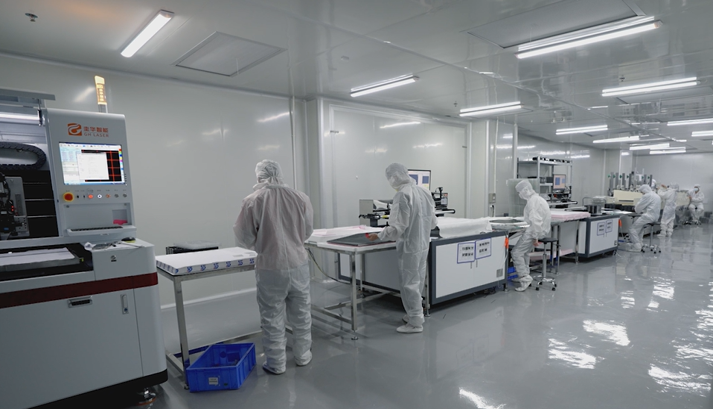
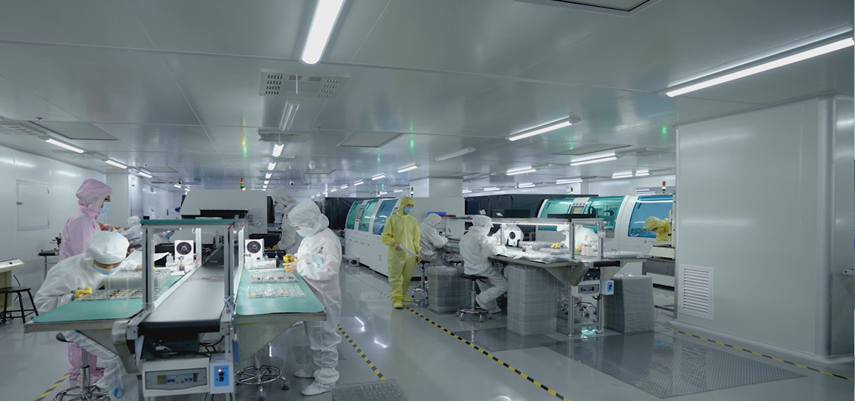
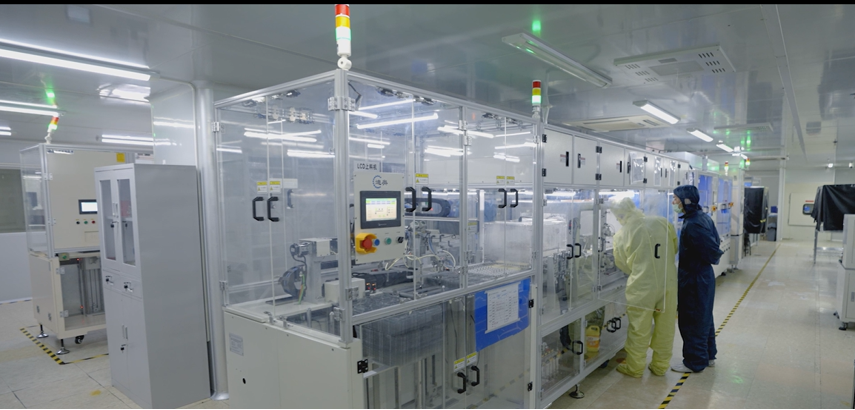
As a high-brightness LCD manufacturer, HITULCD builds custom bar displays to a manufacturer's mechanical, optical, and electrical requirements. The process starts with the physical space and viewing conditions in the vehicle, then moves to panel selection, brightness tuning, interface design, and sample validation before volume production. For Canadian bus and coach builders, the goal is a display that fits the first time, stays readable in every season, and holds up for the life of the vehicle.
Conclusion
Bar LCD displays answer a real constraint in vehicle design: the useful space is often long and narrow, not square. For Canadian bus and coach manufacturers, custom units let the display match the vehicle's dimensions, lighting, climate exposure, and electrical system instead of forcing a retrofit. Settling brightness, environmental tolerance, interfaces, and certification needs early turns the display from a sourcing afterthought into a durable, well-integrated part of the vehicle.
KEYWORDS: custom bar LCD displays, bus and coach manufacturers Canada, stretched LCD, high-brightness vehicle display, transit passenger information display