Why Bar-Shaped LCDs Fit Retail Shelving
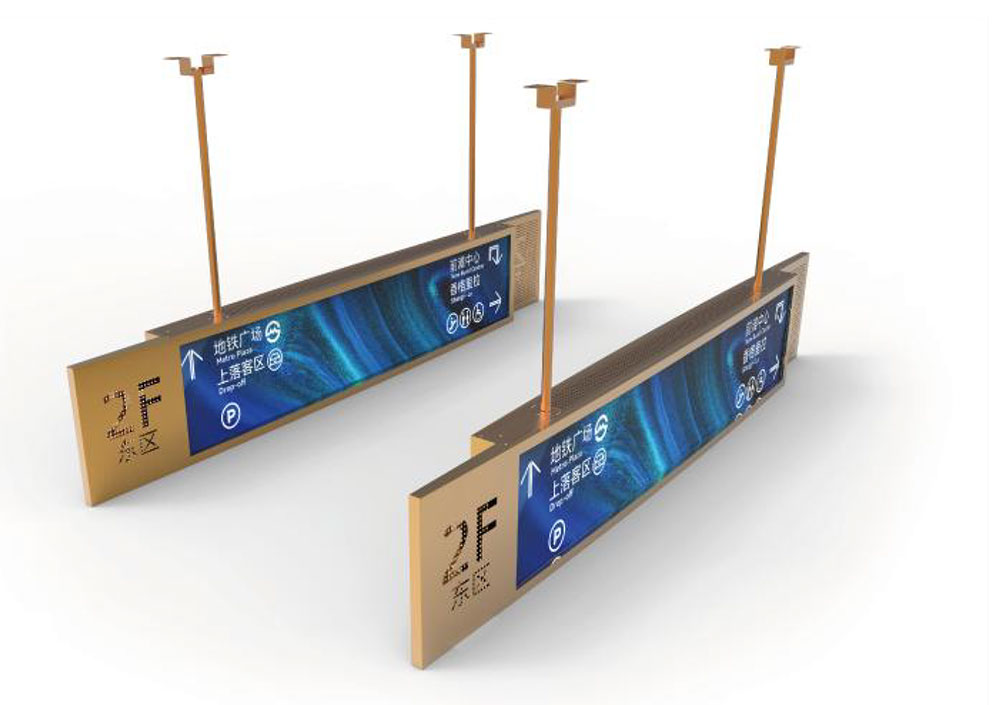
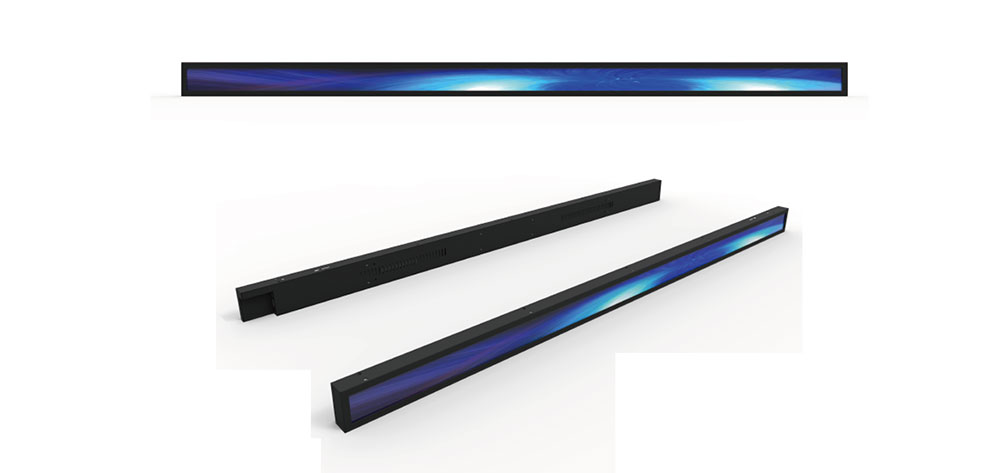
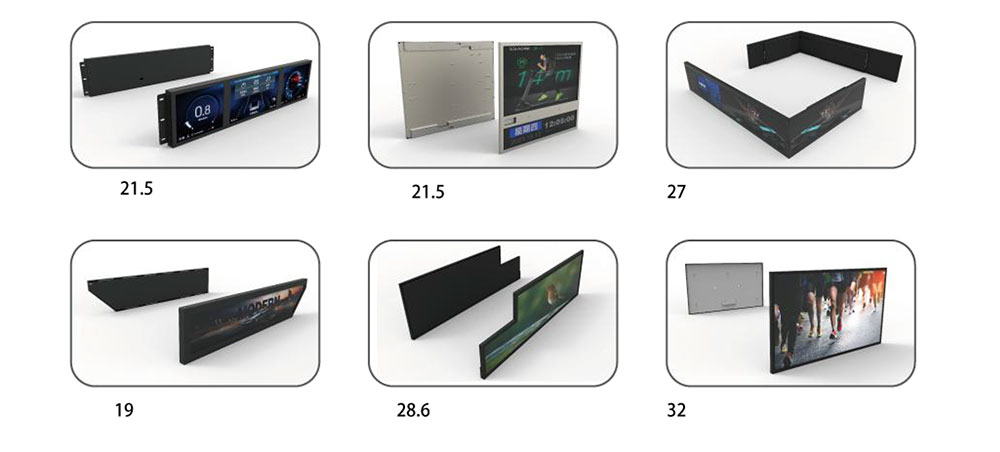
Standard 16:9 panels waste space on a retail shelf. The usable advertising surface on a shelf edge is long and narrow, typically 50 to 120 mm tall and up to a meter wide. A bar LCD, also called a stretched or ultra-wide-aspect display, matches that geometry directly. HITULCD manufactures bar LCDs in aspect ratios such as 16:3, 16:4.5, and 24:9, letting the active area sit flush along a shelf rail, cooler door, or end-cap header without black borders or wasted glass.
The result is a display that reaches shoppers at the exact height where purchase decisions happen, roughly 1.2 to 1.6 m from the floor, while occupying space a conventional monitor cannot use.
High Brightness as a Technical Requirement, Not an Option
Retail lighting runs between 500 and 2,000 lux at the shelf face. Window-adjacent displays and store entrances can exceed 5,000 lux from daylight. A consumer TV rated at 250 to 350 cd/m² washes out under these conditions. HITULCD bar displays are built at 700 cd/m² for standard interiors and 1,500 to 2,500 cd/m² for high-ambient and semi-outdoor placements.
Brightness alone is insufficient. We pair high-luminance LED backlights with optical bonding, which fills the air gap between the cover glass and the LCD cell with an index-matched adhesive. Optical bonding reduces internal reflection, raises effective contrast in bright light, and improves readability more than a raw brightness increase of the same magnitude. It also stops condensation inside chiller and freezer doors.
Custom Form Factors for Shelf Integration
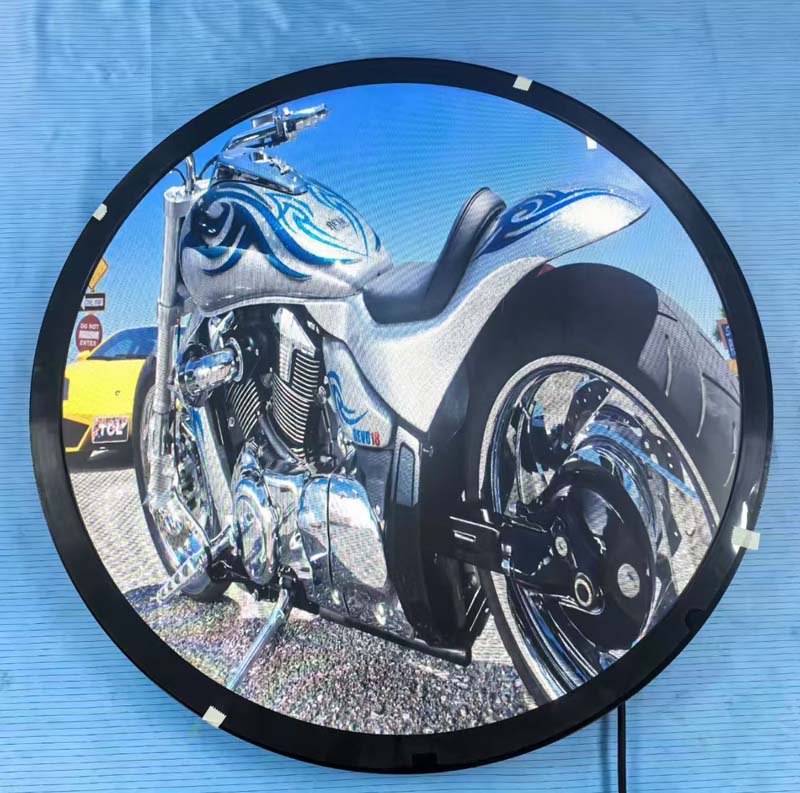
Promotional fixtures vary by retailer, so a fixed enclosure rarely fits. HITULCD supports customization across several parameters:
- Outline dimensions and mounting: VESA points, magnetic backs, rail clips, or recessed bezels sized to a specific shelf profile.
- Cover glass treatment: anti-glare etching, anti-fingerprint coating, and chemically strengthened glass for public-touch environments.
- Interface selection: LVDS, eDP, or MIPI for integrated players; HDMI and USB for drop-in media modules.
- Touch: projected-capacitive overlays for interactive price checks and product information, bonded to survive cleaning agents.
- Operating temperature: wide-temperature panels rated from -20°C to +70°C for freezer doors and loading-area signage.
Digital Shelf Signage Versus Printed Tags
Printed shelf talkers carry a fixed message and a labor cost every time a price or promotion changes. A digital bar display updates centrally. A chain can push a new promotion to every store before opening, schedule dayparting so breakfast items lead in the morning and dinner kits lead in the afternoon, and pull an out-of-stock promotion in seconds. Over a product's life the recurring cost of reprinting and manual replacement usually exceeds the one-time hardware investment within the first year on high-traffic fixtures.
Content, Connectivity, and Control
Bar displays integrate with content management in two common ways. An all-in-one unit houses an Android or system-on-chip player behind the panel, pulling schedules over Wi-Fi or Ethernet. A signage-only unit takes video from an external player or a store-wide controller, which simplifies maintenance because one player can drive a row of synchronized bars. HITULCD ships both configurations and supports daisy-chained power and signal to reduce cabling along a shelf run.
Reliability for 16/7 and 24/7 Operation
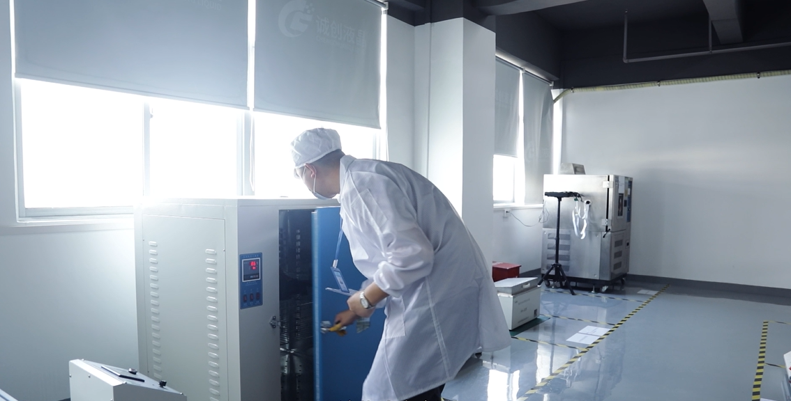
Retail displays run long duty cycles. We specify panels and backlights for continuous operation, with LED lifetimes rated at 50,000 hours to half-brightness and thermal design that holds junction temperatures within margin inside sealed enclosures. For static promotional content, pixel-shifting and periodic content rotation mitigate image retention. Freezer-door models include heated glass or sealed dry-nitrogen cavities to prevent fogging across temperature cycles.
Deployment Checklist
Before specifying a bar LCD for a promotion or shelf program, confirm the following: measured ambient lux at the install point, available depth behind the shelf face, power access and whether PoE or local mains is practical, the content update frequency the retail team needs, and whether touch interaction adds measurable value or only cost. Matching these to panel brightness, thickness, interface, and player type avoids the most common field problems, namely washout, overheating, and content that cannot be updated at scale.
Conclusion
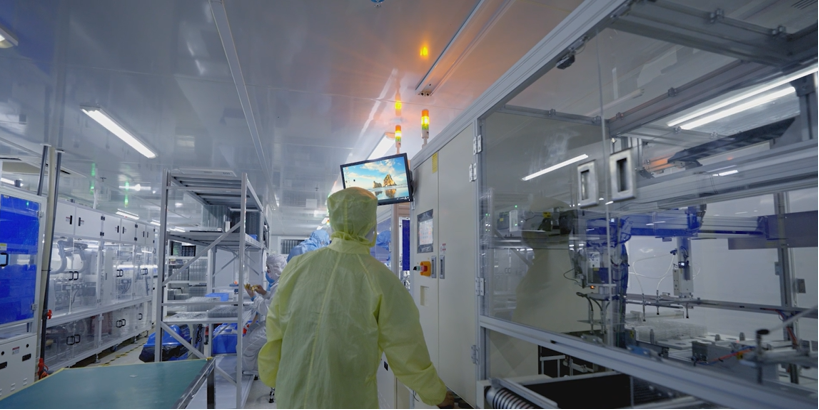
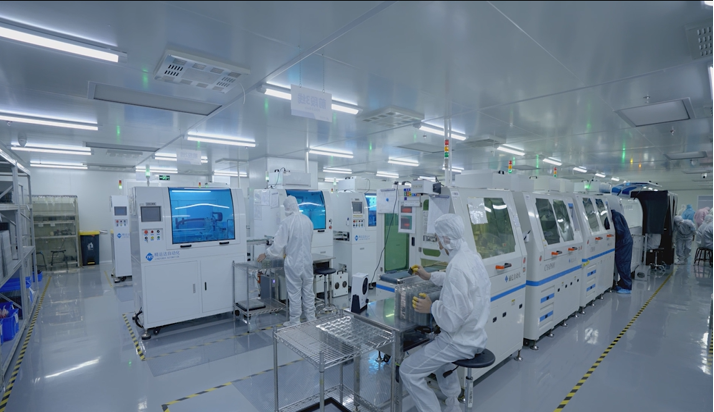
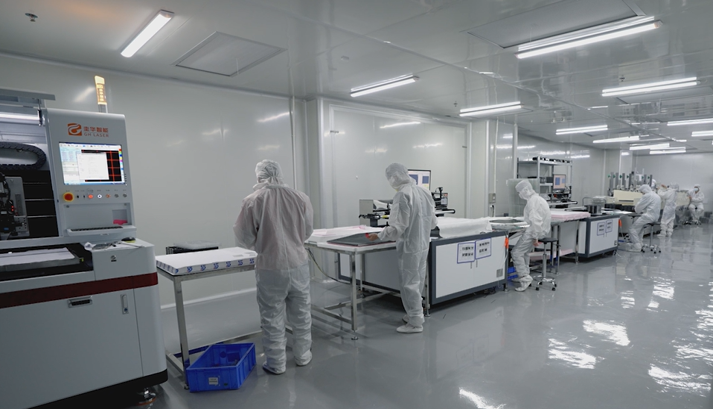
Bar LCDs convert unused shelf-edge space into a controllable, high-visibility promotional channel. With the right brightness class, optical bonding, custom enclosure, and content pipeline, a digital shelf program pays back through saved print labor, faster promotion cycles, and higher shopper attention at the point of decision. HITULCD builds these displays to order so the hardware fits the fixture rather than forcing the fixture to fit the hardware.
KEYWORDS: custom bar LCD displays, digital shelf signage, high brightness stretched display, retail promotion display, shelf edge LCD