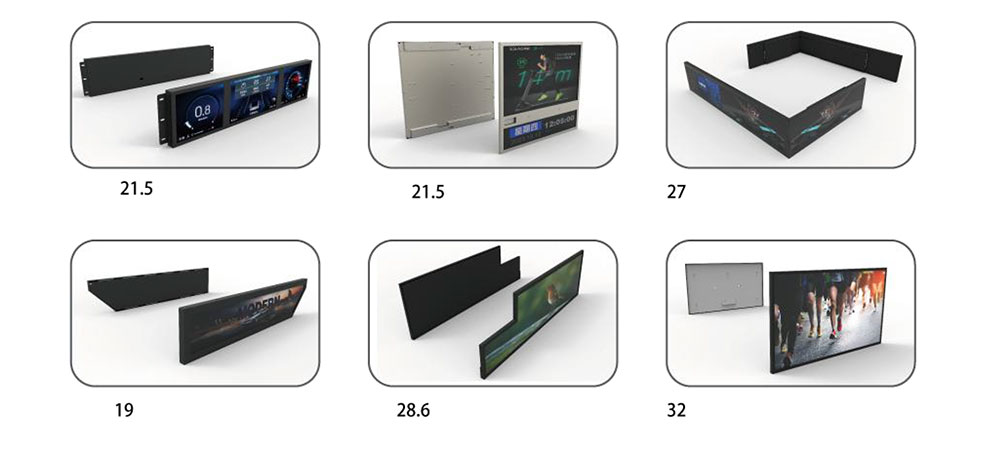
Why Standard Panels Often Perform Poorly in Commercial Equipment
Commercial equipment rarely follows the same design logic as consumer electronics. Self-service terminals, industrial control systems, medical carts and transportation ticketing machines are designed around specific mechanical structures, viewing distances and operating environments.
A conventional 15.6-inch or 21.5-inch panel may therefore introduce unnecessary unused space, oversized bezels, mechanical conflicts or poor viewing performance when integrated into a purpose-built enclosure.
A custom-size LCD panel changes this approach. Instead of forcing the equipment design to fit an existing display, the display can be engineered around the actual requirements of the equipment.
At HITULCD , we develop custom LCD display solutions where applicable requirements can include active area, aspect ratio, mechanical geometry, brightness, interface and optical configuration.
What Does "Custom Size" Really Mean?
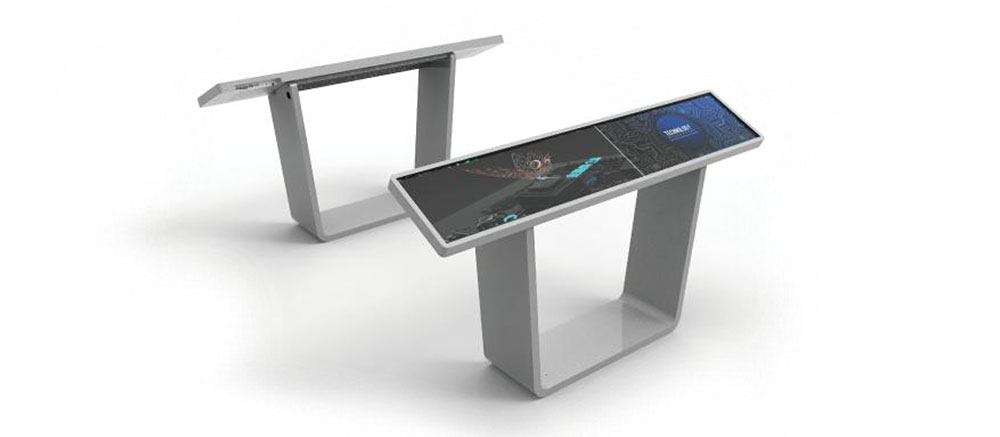
Customization is often misunderstood as simply cutting glass to a different size. In practice, a custom LCD module can involve coordination across several layers of the display stack and mechanical assembly.
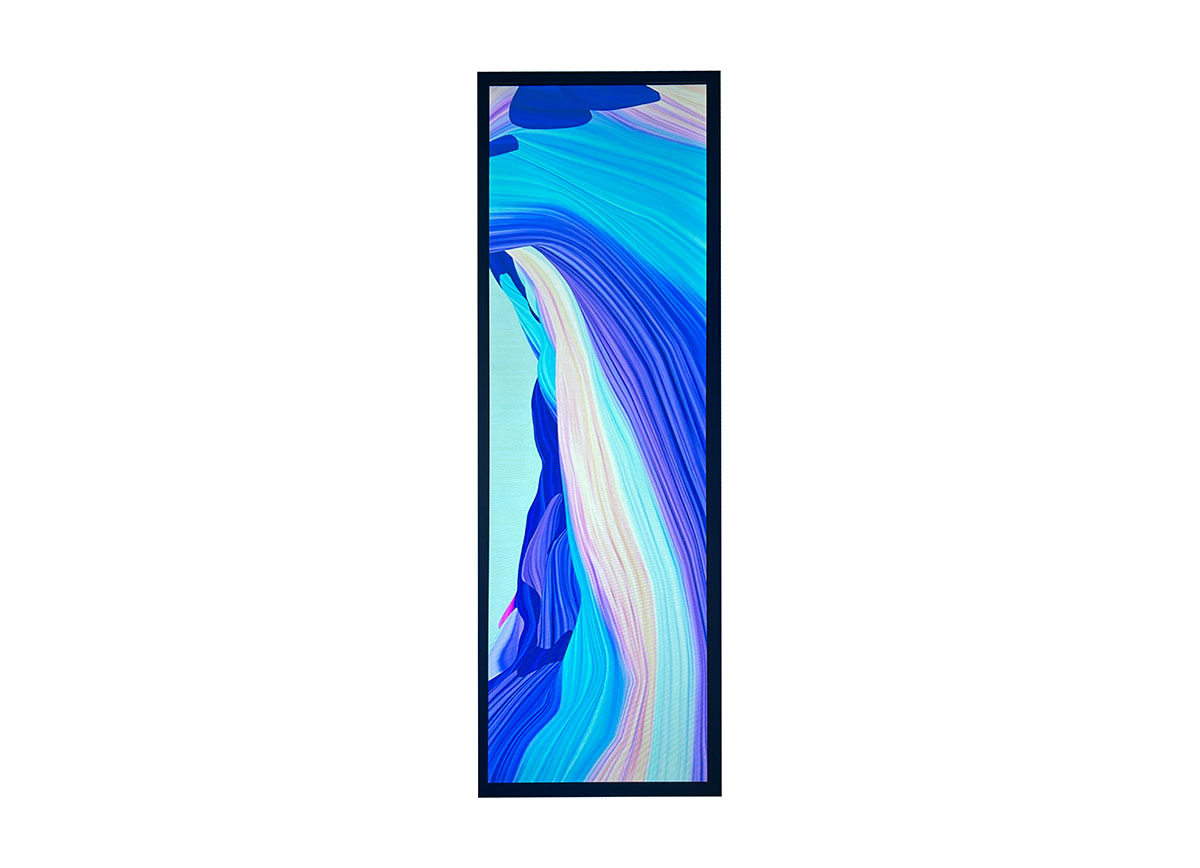
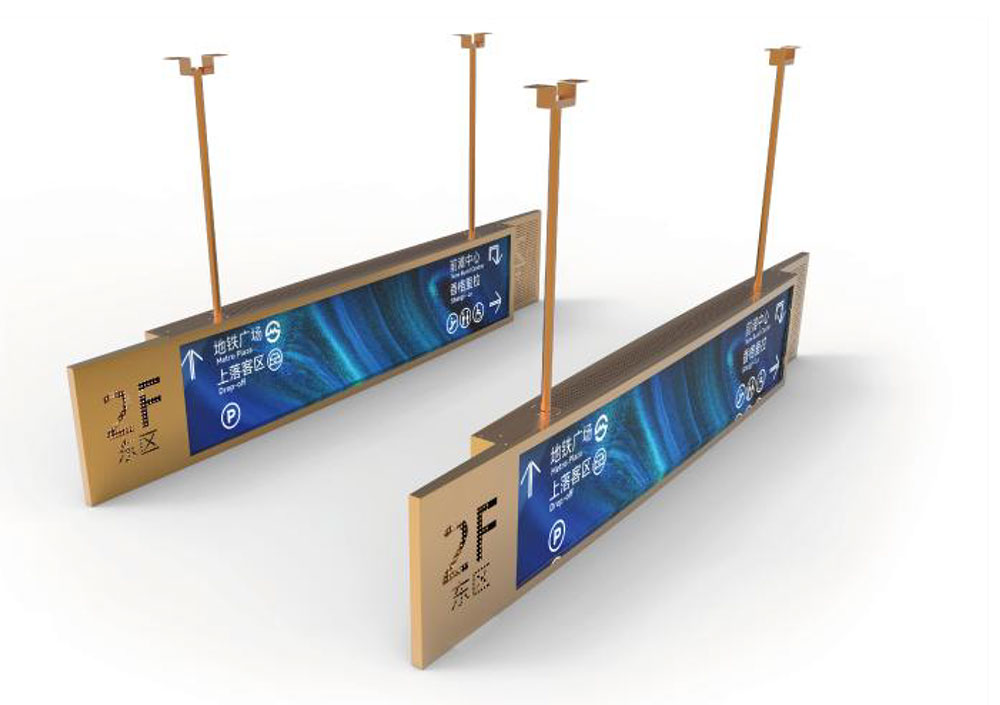
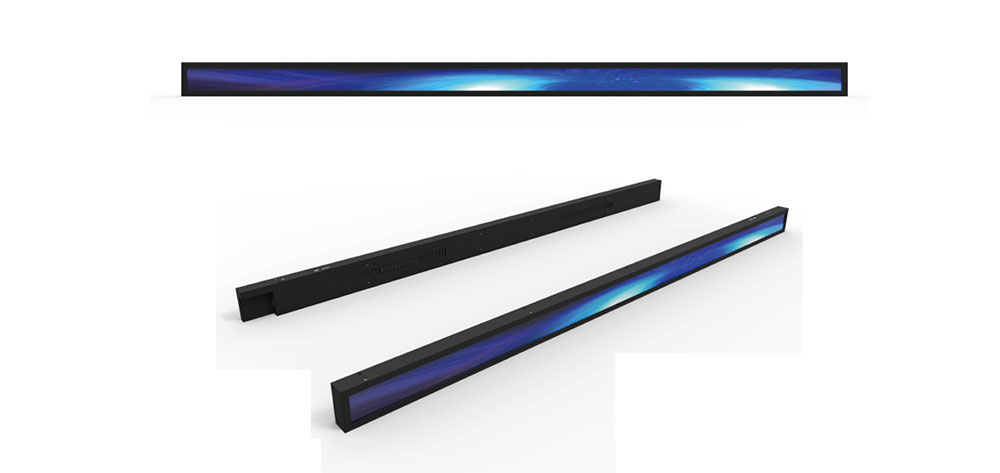
Non-standard aspect ratios: stretched or ultra-wide panels can be developed for applications such as shelf displays, elevator interfaces and equipment dashboards.
Custom active areas: display dimensions can be selected around the actual enclosure opening instead of being limited to standard consumer display sizes.
Mechanical reconfiguration: FPC routing, mounting features, connector positions and external dimensions can be considered during the integration process.
Optical bonding and cover glass: touch sensors and protective glass can be integrated according to the final display surface requirements.
Interface adaptation: LVDS, eDP or MIPI-based solutions can be evaluated according to the customer's host system architecture.
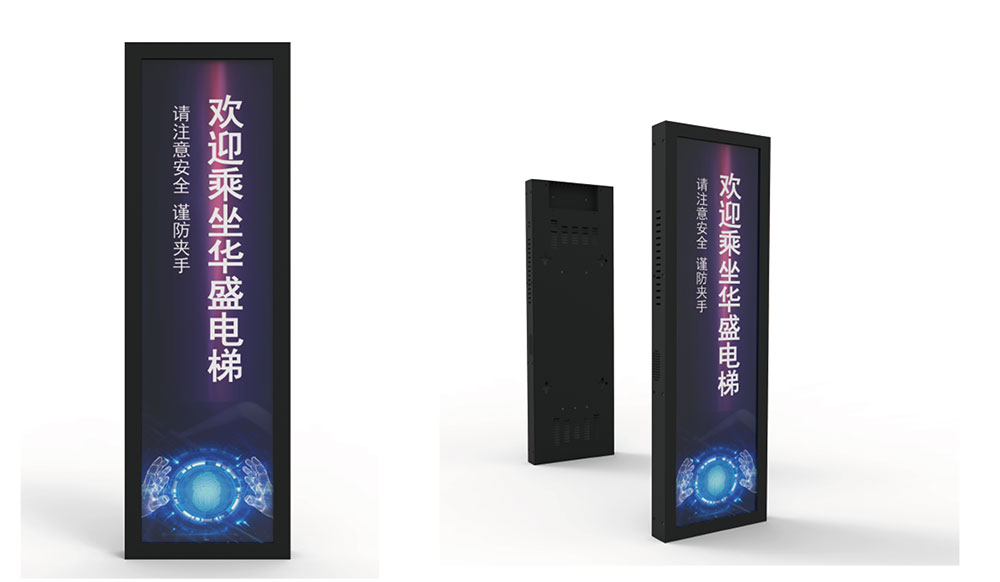
The engineering objective is to create a display module that can be integrated as a defined, validated component rather than leaving the customer to solve display integration problems on the production line.
High Brightness as an Engineering Requirement
Commercial equipment can operate in lighting conditions significantly different from a typical indoor consumer environment. Outdoor kiosks may experience direct sunlight, retail equipment can be exposed to strong overhead lighting, and industrial environments may introduce glare and changing ambient illumination.
HITULCD develops high-brightness LCD solutions for different application requirements. Actual brightness should be specified according to the selected display configuration and corresponding technical documentation.
Evidence policy: Brightness values such as 700 nits, 1000 nits or 2500 nits should only be published as verified technical claims when the specific product configuration is supported by an applicable optical test report or approved product specification.
High-brightness implementation also involves considerations such as LED backlight design, thermal management, optical films, driver configuration and the intended operating environment.
For sunlight-readable applications, anti-glare, anti-reflective treatments and optical bonding may also be evaluated to reduce unwanted reflections and improve visual performance.
Engineering the Panel Around the Machine
A successful custom LCD project starts with the constraints of the commercial equipment itself. The engineering process should identify the requirements that can affect both display performance and physical integration.
Requirement collection: viewing distance, ambient lighting, operating temperature, expected service conditions and mechanical envelope.
Optical specification: brightness, contrast, viewing angle and color performance are selected according to the application.
Mechanical integration: active area, bezel, mounting features and cable exit positions are defined against the customer's enclosure.
Electrical interface: interface type, connector, backlight drive requirements and control signals are confirmed for host-system integration.
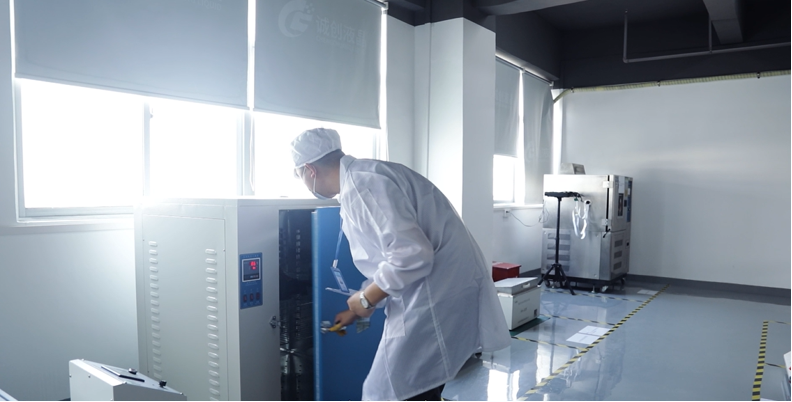
Reliability planning: environmental and lifecycle testing requirements are defined before mass production.
This approach moves critical engineering decisions earlier in the development process, reducing the risk of discovering mechanical or electrical integration problems after production has already started.
Reliability and Environmental Durability
Commercial equipment is often expected to operate for years and, in many applications, for extended periods each day. Display reliability therefore needs to be considered together with the host equipment's operating environment.
Parameters such as -20°C to +70°C operating temperature and 50,000-hour backlight lifetime are engineering targets that may be applicable to specific configurations.
Important: These values are not automatically treated as verified claims on this page. The applicable product configuration must have a corresponding temperature or lifetime test report before these values are presented as documented evidence.
Reliability engineering may include thermal management of the LED backlight, selection of components appropriate for the target temperature range, mechanical reinforcement and environmental testing according to the project requirements.
Compliance and CE-Related Documentation
Regulatory documentation can become an important part of the qualification process when an LCD module is integrated into commercial equipment intended for regulated markets.
Rather than presenting compliance as an unsupported marketing statement, applicable certification and test documentation should be connected directly to the technical claim.
EMC Testing
HITULCD has EMC test documentation referencing EN 55032:2015, EN 55035:2017, EN 61000-3-2:2014 and EN 61000-3-3:2013 . View EMC Test Documentation →
FCC Part 15 Class A
HITULCD has test documentation referencing FCC Part 15 Class A for the LCD display. View FCC Test Documentation →
RoHS Testing
RoHS testing documentation is available with reference to IEC 62321-3-(1-8):(2013-2017) . View RoHS Test Documentation →
Additional LCD screen RoHS documentation is available under report reference ST20200317511-R, with reference to 2002/95/EC. View LCD Screen RoHS Documentation →
Electrical Safety Documentation
HITULCD has electrical safety documentation referencing EN 60950-1:2006+A2:2013 under report reference ST20200317511-LVD . View CE / LVD Documentation →
Additional LCD screen safety documentation references EN 60950-1:2006+A11:2009+ A1:2010+A12:2011+A2:2013 under report reference ST20200317511-S . View EN 60950 Documentation →
Additional Certification Documentation
Additional product certification documentation references GB 4943.1-2022 and GB 17625.1-2022 under certificate reference A2025C0C0903-4755580 . View Certification Documentation →
| Technical Area | Documented Standard | Evidence | Report / Reference |
|---|---|---|---|
| EMC | EN 55032:2015 EN 55035:2017 EN 61000-3-2:2014 EN 61000-3-3:2013 | View Report → | ST20200317511-E |
| FCC | FCC Part 15 Class A | View Certificate → | BSTXD200414886803EC |
| RoHS | IEC 62321-3-(1-8):(2013-2017) | View Report → | ST20200317511-RoHS |
| Electrical Safety | EN 60950-1:2006+A2:2013 | View Documentation → | ST20200317511-LVD |
Touch Integration for Interactive Equipment
Many commercial devices require interactive displays. Custom LCD modules can therefore be combined with touch technologies such as PCAP according to the application requirements.
A touch solution can include a touch sensor, protective cover glass and optical bonding configured around the required active area and final mechanical dimensions.
For retail, food-service and medical equipment, a flat and integrated front surface can also simplify cleaning and help the finished equipment achieve the desired mechanical appearance.
Touch functions, glove operation, IP protection and bonding specifications should be treated as project-specific requirements unless supported by the corresponding product specification or test documentation.
From Prototype to Mass Production
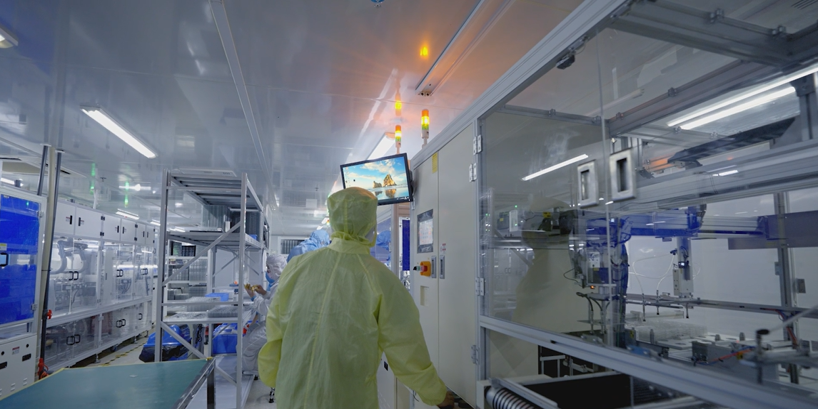
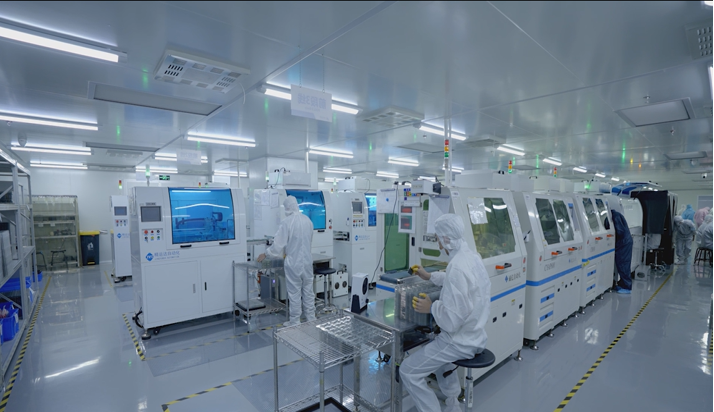
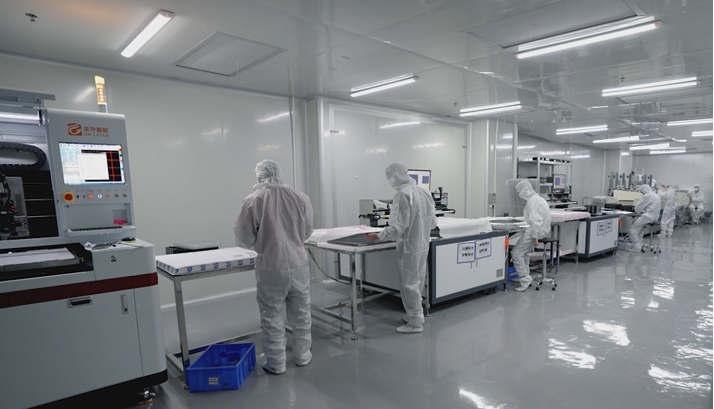
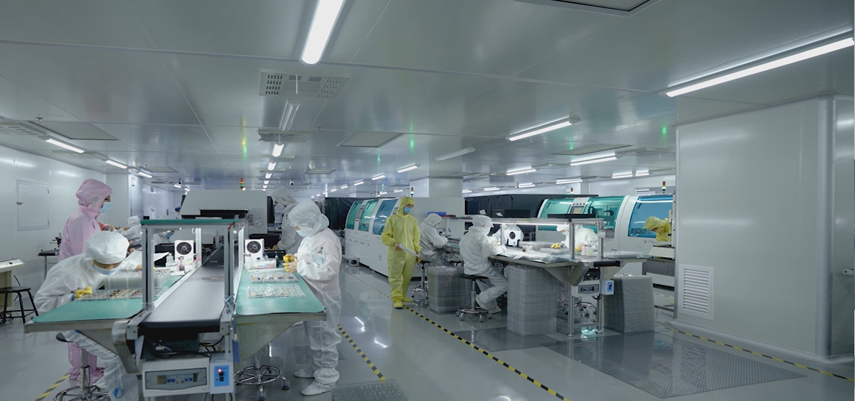
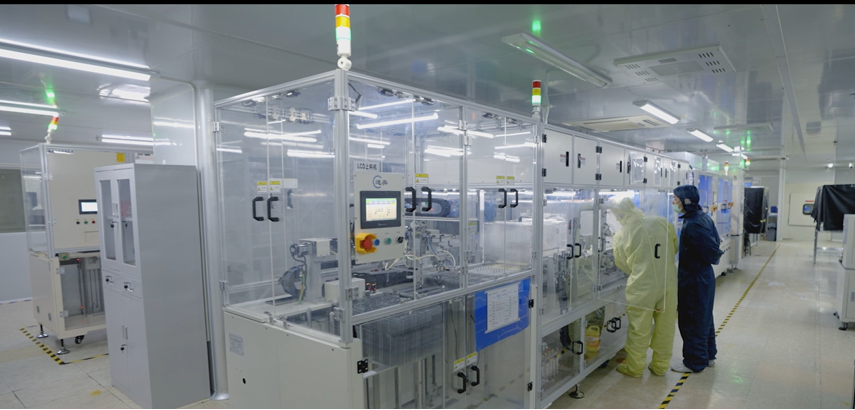
A custom LCD project is only successful when the design can transition from engineering validation into repeatable production.
After the initial engineering stage, HITULCD can provide samples for installation and functional evaluation in the customer's actual equipment.
Once the configuration has been confirmed, the display specification, mechanical drawings, interface definition and applicable quality requirements can be established for controlled production.
Maintaining a defined bill of materials and controlled optical and electrical specifications can help reduce unexpected changes during the product lifecycle.
Conclusion
Custom-size LCD panels allow commercial equipment manufacturers to design the machine around its actual application rather than being constrained by standard consumer display dimensions.
The engineering value of customization goes beyond screen dimensions. Mechanical geometry, optical performance, interface requirements, touch integration, reliability planning and compliance documentation all need to be considered as part of the complete display module.
For documented compliance areas, HITULCD provides traceable supporting documentation covering applicable EMC, FCC, RoHS and electrical safety information. Each evidence-backed statement can be connected directly to its corresponding technical document.
Evidence principle: Technical specifications should only be presented as verified claims when the actual product configuration is supported by the corresponding specification, certificate or test report.