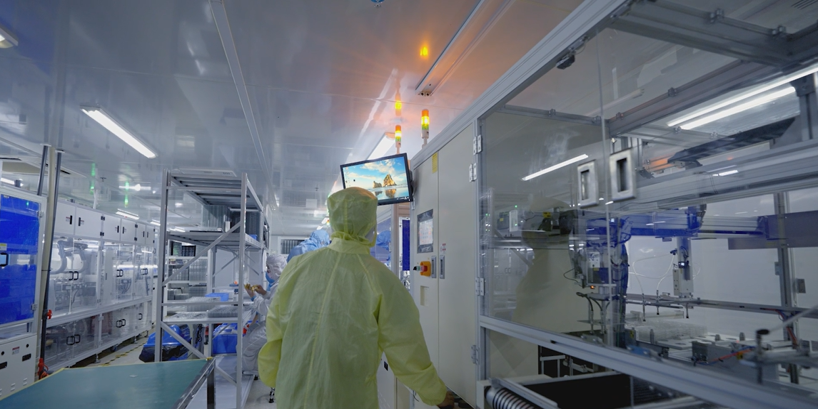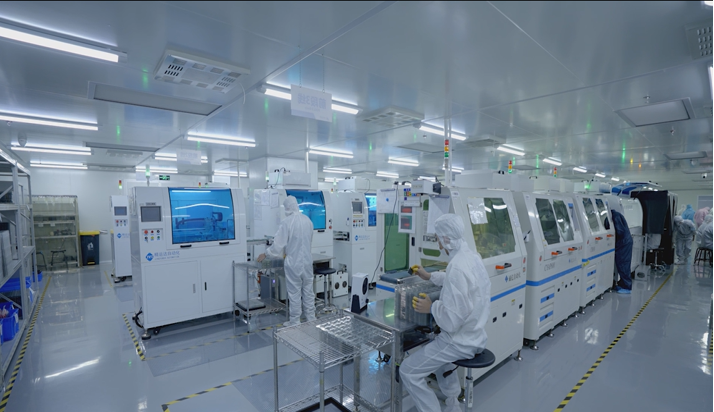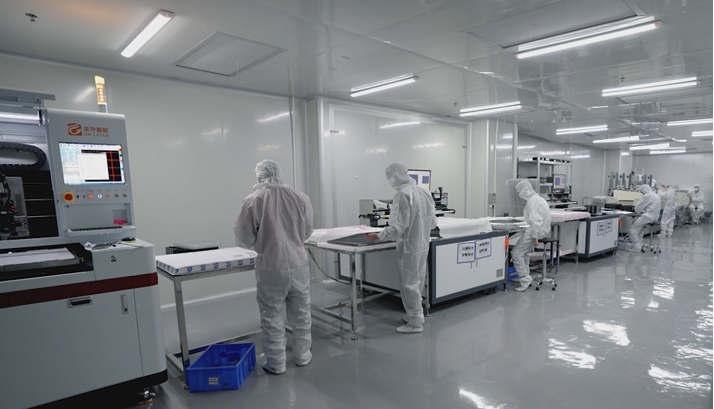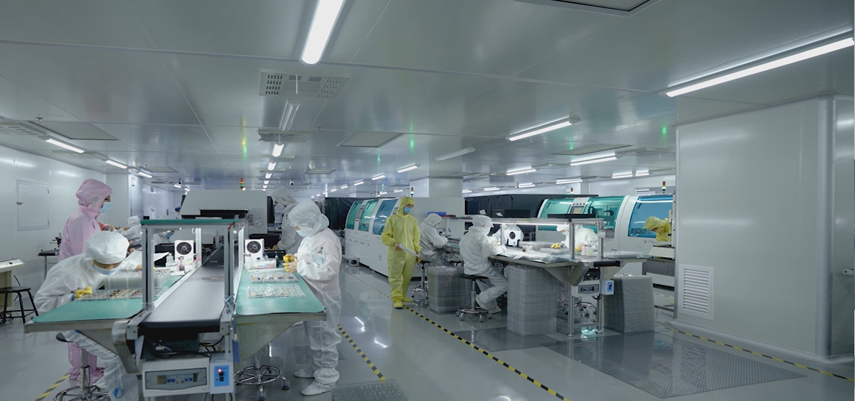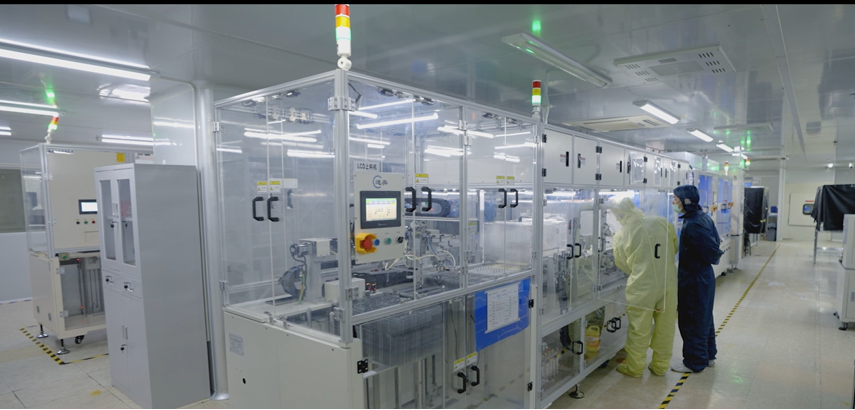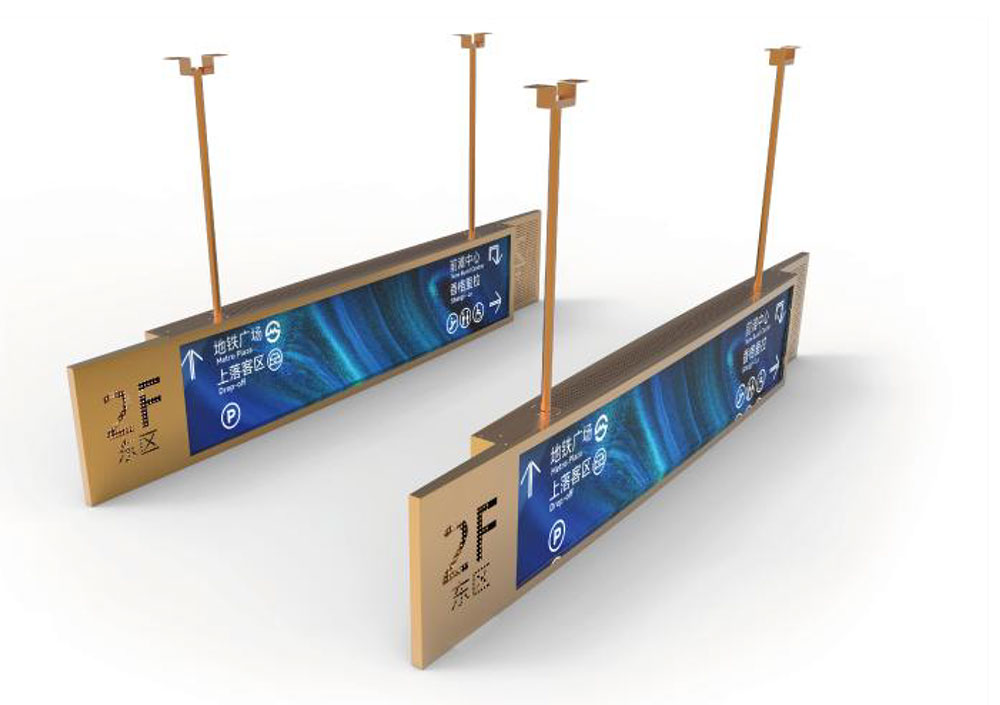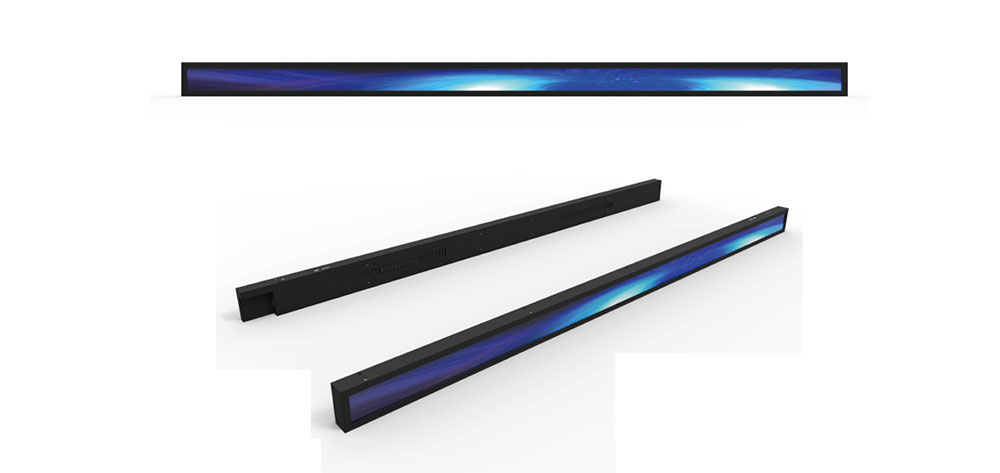
Specialized equipment rarely fits the mold of consumer electronics. Whether it operates inside a diagnostic scanner, mounts on the dashboard of an off-highway vehicle, or endures the vibration of an industrial press, the display must be engineered around the machine—not the other way around. At HITULCD, we design custom display modules that align precisely with the mechanical, optical, environmental, and electrical demands of purpose-built systems. This white paper explains what defines a custom display module, why standard panels often fall short, and how a structured engineering process delivers reliable, long-lifecycle solutions.
Why Off-the-Shelf Displays Fall Short
Commercial-grade LCDs are optimized for cost and mass production, not for the unique constraints of specialized machinery. When integrated into medical, industrial, transportation, marine, or military equipment, generic panels frequently reveal limitations:
- Insufficient brightness for sunlight-readable or high-ambient environments.
- Narrow operating temperature ranges unsuitable for outdoor or enclosed high-heat installations.
- Non-standard mechanical footprints that force costly enclosure redesigns.
- Short product lifecycles that trigger frequent, disruptive redesigns.
- Limited interface options incompatible with legacy or proprietary controllers.
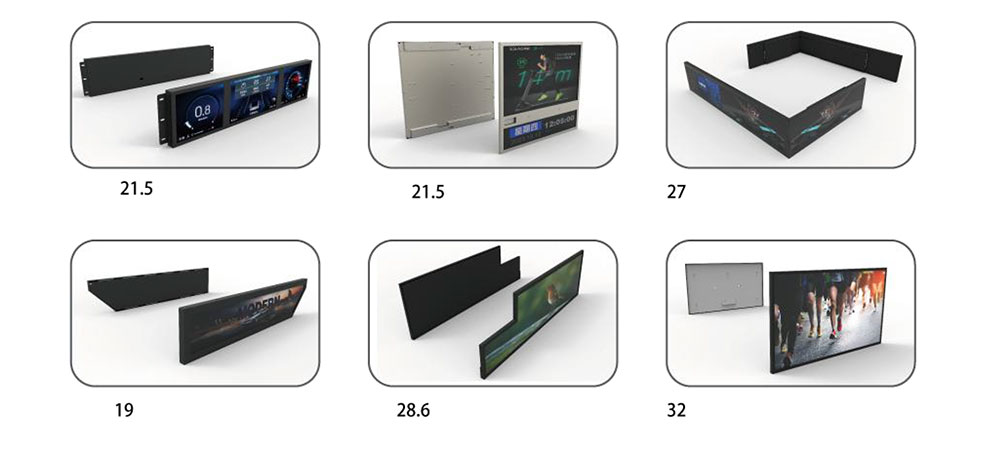
A custom display module resolves these gaps by treating the display as an integral subsystem rather than a bolt-on component.
Core Elements of a Custom Display Module
A truly custom module goes beyond simply cutting glass to size. It is a coordinated assembly of optical, mechanical, and electronic layers, each tuned to the application.
Optical Bonding and Brightness Enhancement
For equipment used outdoors or under bright lighting, we integrate high-brightness backlights ranging from 800 to 2500 nits and beyond. Optical bonding eliminates the air gap between the cover glass and LCD, reducing internal reflections, improving contrast in direct sunlight, and preventing condensation. Anti-glare and anti-reflection coatings further enhance readability for operators who cannot afford to misread critical data.
Mechanical Customization
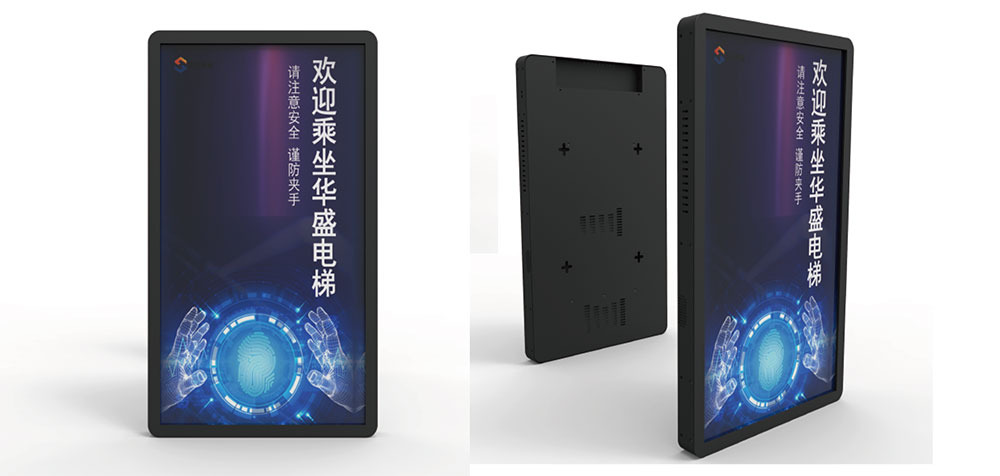
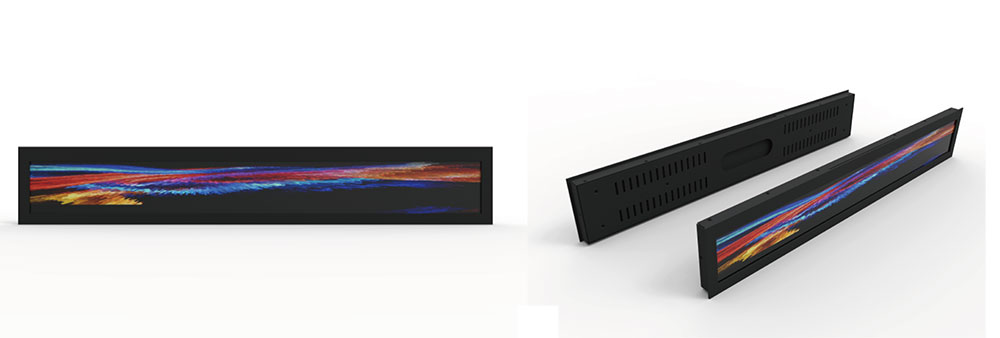
We adapt outline dimensions, mounting brackets, bezel design, and cable routing to match the host equipment. Reinforced frames, gaskets, and IP-rated seals protect against dust, moisture, and vibration—essential for field-deployed and mobile systems.
Interface and Controller Integration
Custom modules can be built with LVDS, MIPI, eDP, HDMI, or RGB interfaces, along with dedicated driver boards. Where legacy compatibility matters, we design controllers that bridge modern panels to existing host systems, extending the service life of the entire platform.
Touch Technology Selection
Projected capacitive touch with tuned firmware supports glove operation, water rejection, and thick cover glass. In environments where capacitive sensing is impractical, resistive or optical solutions provide dependable input.
Environmental and Reliability Engineering
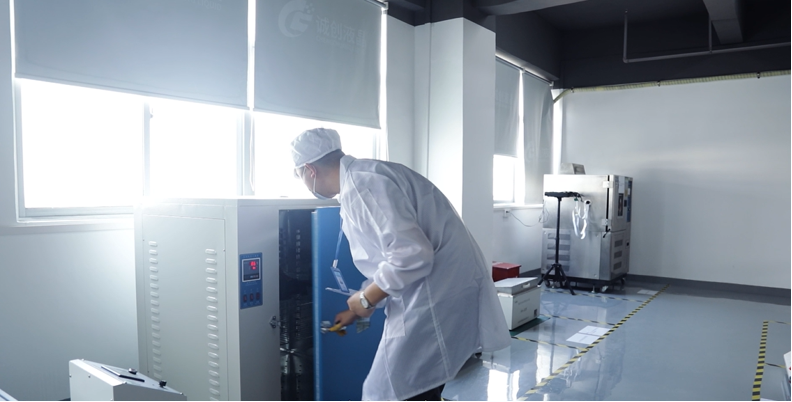
Specialized equipment often operates where consumer devices would fail. Our custom modules are validated for wide temperature ranges (typically -30°C to +85°C), high humidity, shock, and continuous vibration. Wide-temperature liquid crystal fluids, heaters for cold-start scenarios, and thermal management structures ensure stable performance across the full operating envelope. Rigorous testing—thermal cycling, salt-fog, and lifetime backlight validation—confirms that each module meets its intended duty cycle.
Lifecycle and Supply Chain Stability
One of the most valuable aspects of a custom program is supply continuity. Consumer panels can be discontinued with little warning, forcing expensive requalification. HITULCD commits to long-lifecycle sourcing, controlled bill-of-materials management, and last-time-buy planning, so that manufacturers of specialized equipment can rely on a consistent display for years of production and field support.
Applications Across Industries
- Medical devices: Patient monitors, ultrasound carts, and surgical displays requiring precise color and hygienic surfaces.
- Industrial automation: HMI panels and machine controllers built to endure dust, oil, and vibration.
- Transportation: Rugged dashboards, fleet telematics, and off-highway vehicle displays needing sunlight readability.
- Marine and outdoor kiosks: Sealed, high-brightness modules that resist corrosion and glare.
- Defense and aerospace: Ruggedized, wide-temperature modules with optional night-vision compatibility.
The HITULCD Development Process
Our engineering workflow turns application requirements into a manufacturable module through a disciplined, transparent sequence:
- Requirement analysis: Defining brightness, size, interface, environment, and lifecycle targets.
- Concept and specification: Producing detailed mechanical and optical specifications for review.
- Prototyping: Delivering functional samples for integration testing in the actual equipment.
- Validation: Environmental, optical, and reliability testing against agreed criteria.
- Production and support: Scalable manufacturing with ongoing quality control and lifecycle management.
Conclusion
Custom display modules transform the visual interface of specialized equipment from a compromise into a competitive advantage. By tailoring optics, mechanics, electronics, and environmental resilience to the exact needs of the application, manufacturers gain displays that are readable, durable, and stable across long production runs. HITULCD partners with engineering teams from concept through mass production, delivering high-brightness, ruggedized modules that perform where standard panels cannot.
KEYWORDS: custom display modules, high-brightness LCD, specialized equipment displays, rugged LCD modules, optical bonding