Introduction to Non-Standard LCD Panels
Product development increasingly demands display solutions that break away from conventional form factors. Standard LCD panels—typically manufactured in fixed diagonal sizes and aspect ratios such as 4:3, 16:9, or 16:10—cannot always satisfy the mechanical, optical, and environmental requirements of specialized applications. This is where non-standard LCD panels become essential. At HITULCD, we engineer high-brightness, custom-configured displays that align precisely with the demands of industrial, medical, transportation, and outdoor product designs.
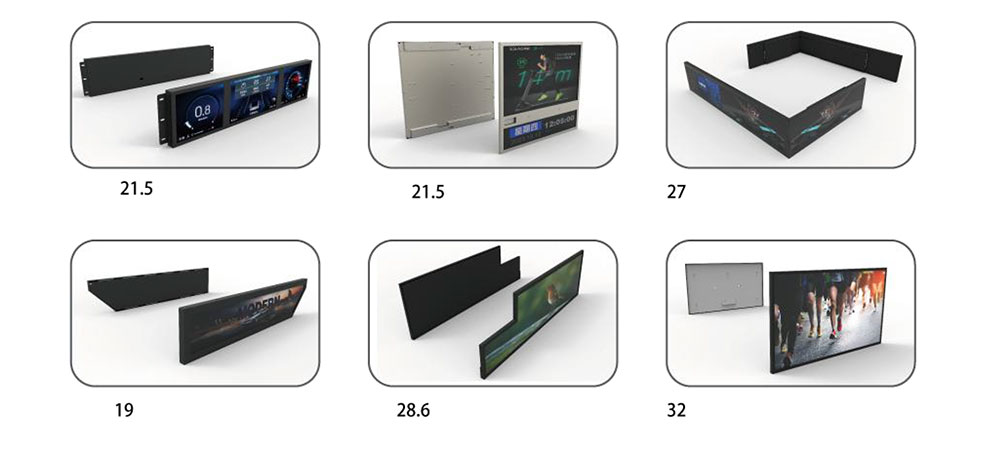
A non-standard LCD panel is any display that deviates from mass-produced dimensions, brightness levels, interface options, or environmental tolerances. These panels enable engineers to design products around the display, rather than forcing the product architecture to accommodate an off-the-shelf screen.
Why Standard Panels Fall Short
Standard LCD panels are optimized for the consumer market, prioritizing high-volume production and cost efficiency. However, they present significant limitations for specialized product development:
- Fixed dimensions: Rigid outlines constrain enclosure design and prevent efficient use of internal space.
- Insufficient brightness: Consumer panels typically deliver 250–400 nits, inadequate for sunlight-readable or outdoor applications.
- Limited operating temperature range: Standard panels may fail in extreme heat or cold common to industrial and automotive environments.
- Short lifecycle: Consumer panels are frequently discontinued, creating supply chain risk for long-life products.
- Restricted interface flexibility: Fixed connectors and signal formats complicate integration with custom control boards.
Key Customization Options for Non-Standard LCDs
1. Bar-Type and Stretched Displays
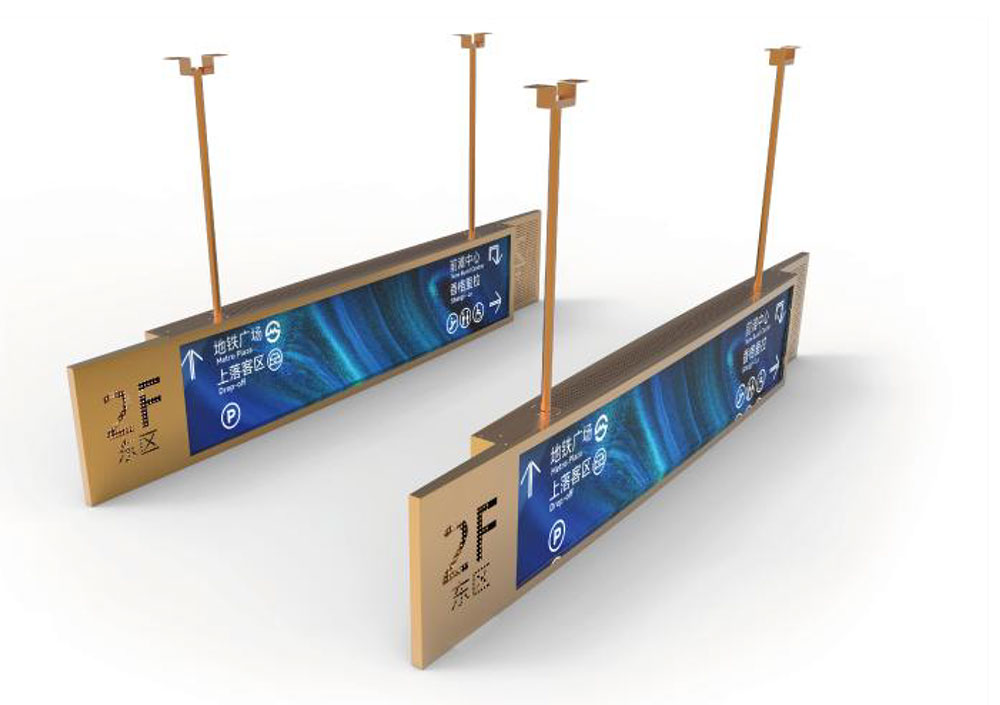
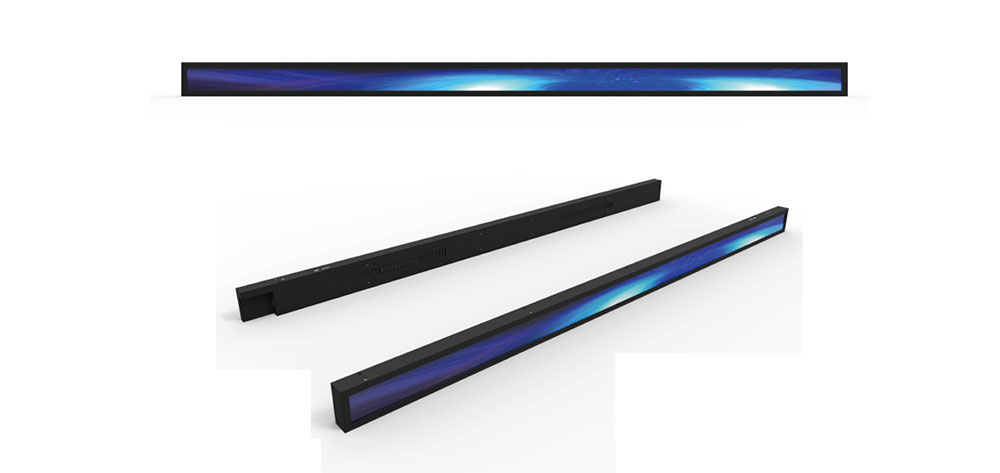
Elongated or ultra-wide bar-type LCDs are ideal for shelf-edge signage, automotive instrument clusters, and industrial control strips. By cutting glass to non-standard aspect ratios such as 24:9 or narrower, these panels fit slim mounting spaces where a conventional rectangle would waste real estate.
2. High-Brightness Enhancement
HITULCD specializes in high-brightness solutions ranging from 800 to 3000 nits. Through LED backlight redesign, enhanced light-guide plates, and optical bonding, we deliver sunlight-readable performance for outdoor kiosks, marine navigation, and transportation displays without compromising thermal stability.
3. Custom Cover Glass and Optical Bonding
Optical bonding eliminates the air gap between the cover glass and LCD, reducing internal reflections, improving contrast, and enhancing durability. Custom cover glass with anti-glare, anti-fingerprint, or anti-reflective coatings can be tailored to the end product's usage scenario.
4. Wide Temperature and Ruggedization
For deployments in harsh environments, panels can be specified with extended operating ranges from -30°C to +85°C, along with wide-viewing-angle IPS technology and reinforced structures resistant to shock and vibration.
5. Interface and Driver Board Adaptation
Non-standard development often requires custom interface conversion—LVDS, eDP, MIPI, or HDMI—paired with tailored driver boards. This ensures seamless integration with the host system and simplifies firmware development.
Compliance and Safety Standards
Product developers must ensure that display subsystems meet applicable regulatory requirements. HITULCD non-standard LCD panels and their associated power and driver electronics are engineered to align with recognized safety frameworks, including EN 60950-1:2006+A2:2013, the international standard for the safety of information technology equipment. Compliance with this standard addresses electrical, mechanical, thermal, and fire hazard considerations, providing confidence that the display module can be safely integrated into certified end products.
Designing to established safety standards early in development reduces certification risk, shortens time-to-market, and ensures the display module will not become a compliance bottleneck during final product approval.
The Development Workflow
Successful non-standard LCD integration follows a structured engineering process:
- Requirement definition: Establish target dimensions, brightness, resolution, interface, and environmental specifications.
- Feasibility and sampling: Evaluate glass-cutting feasibility, backlight design, and produce engineering samples.
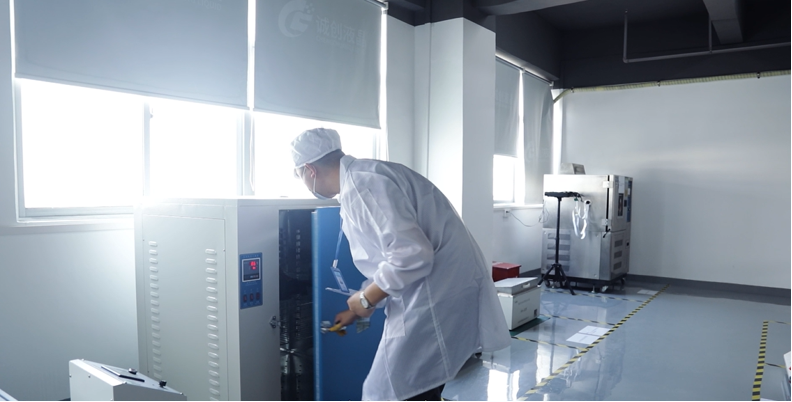
- Optical and thermal validation: Test brightness uniformity, contrast, and heat dissipation under real operating conditions.
- Compliance verification: Confirm alignment with EN 60950-1:2006+A2:2013 and other relevant standards.
- Mass production planning: Lock component sourcing and lifecycle guarantees for long-term supply security.
Applications of Non-Standard LCD Panels
Custom high-brightness LCDs serve diverse and demanding markets:
- Outdoor digital signage requiring sunlight readability and weather resistance.
- Medical instrumentation demanding precise color accuracy and reliability.
- Industrial HMI systems needing rugged, wide-temperature displays.
- Automotive and transportation with bar-type clusters and vibration tolerance.
- Marine and avionics where visibility and durability are mission-critical.
Why Partner with HITULCD
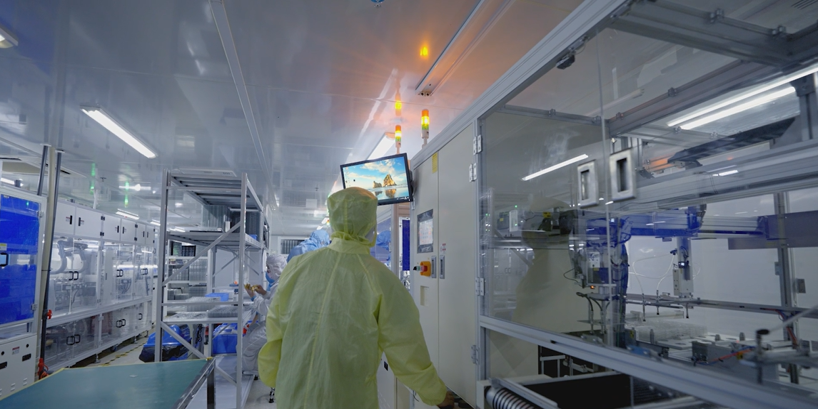
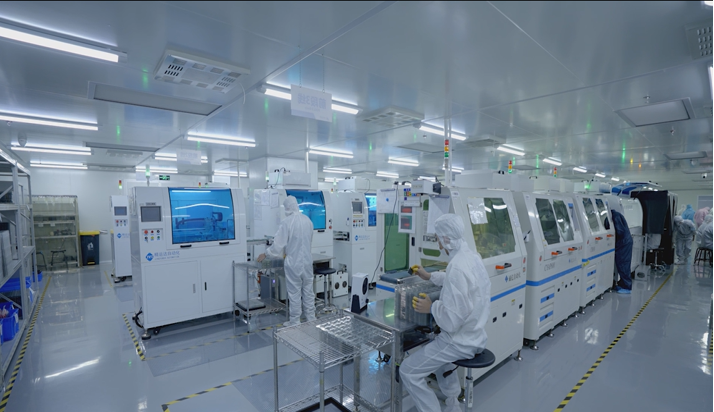
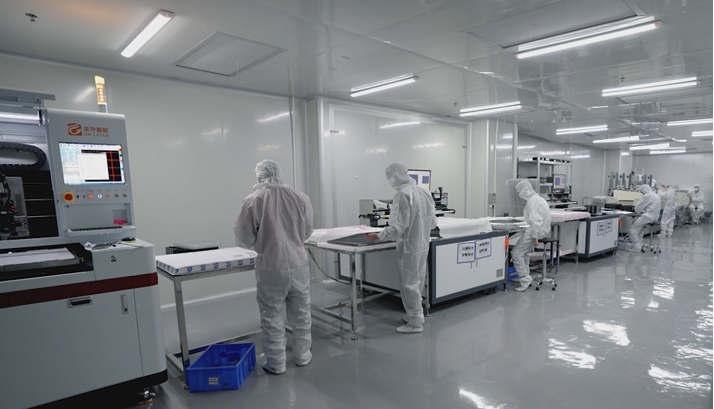
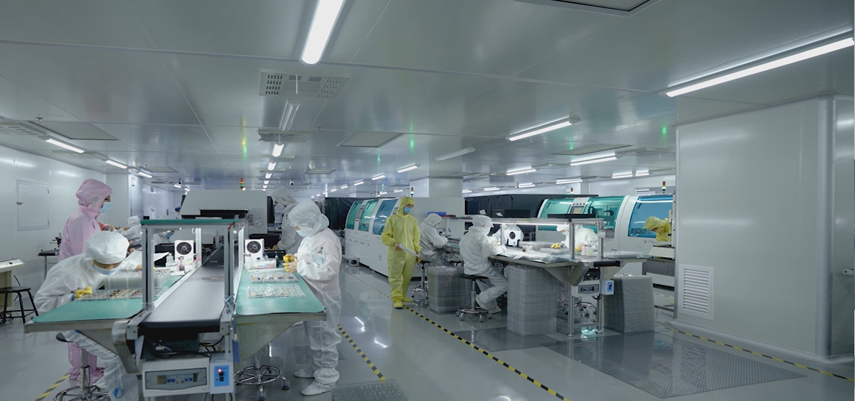
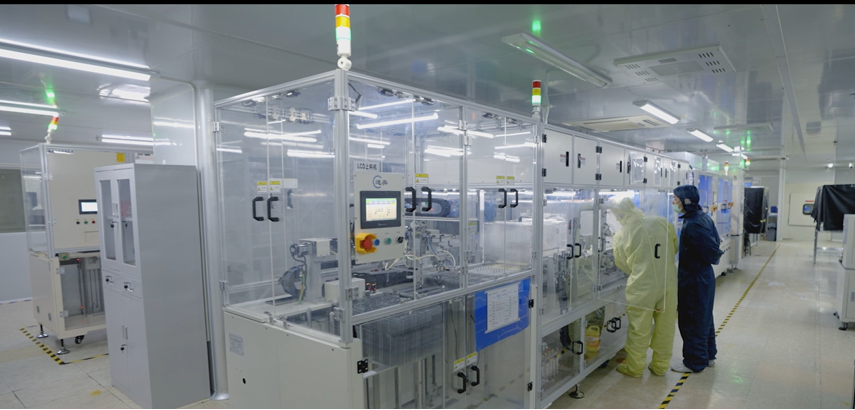
As a dedicated high-brightness LCD manufacturer, HITULCD combines deep optical engineering expertise with flexible manufacturing capabilities. We support low-to-medium volume production, long lifecycle commitments, and full customization—from glass cutting and backlight enhancement to interface adaptation and safety compliance. Our engineering team collaborates directly with product developers to transform unique display requirements into manufacturable, reliable solutions.
Conclusion
Non-standard LCD panels empower product developers to design without the constraints of off-the-shelf displays. By addressing dimensions, brightness, ruggedization, interfaces, and compliance with standards such as EN 60950-1:2006+A2:2013, custom LCD solutions unlock innovation across industrial, outdoor, medical, and transportation markets. With HITULCD as an engineering partner, developers gain the flexibility, performance, and reliability needed to bring differentiated products to market.
KEYWORDS: non-standard LCD panels, custom LCD product development, high-brightness LCD, bar-type LCD display, EN 60950-1 compliant LCD