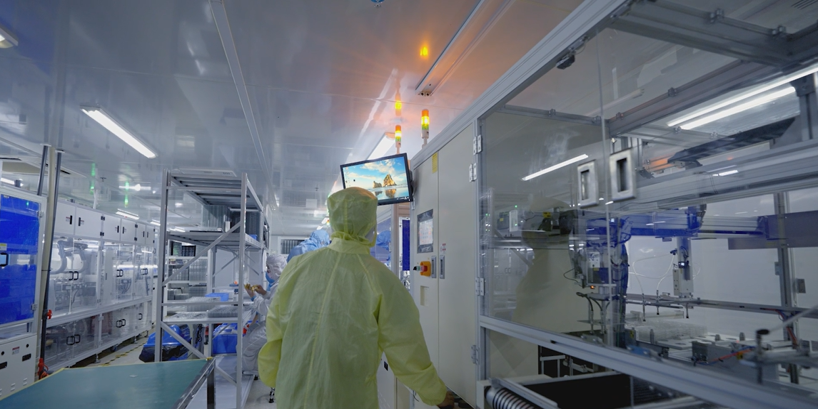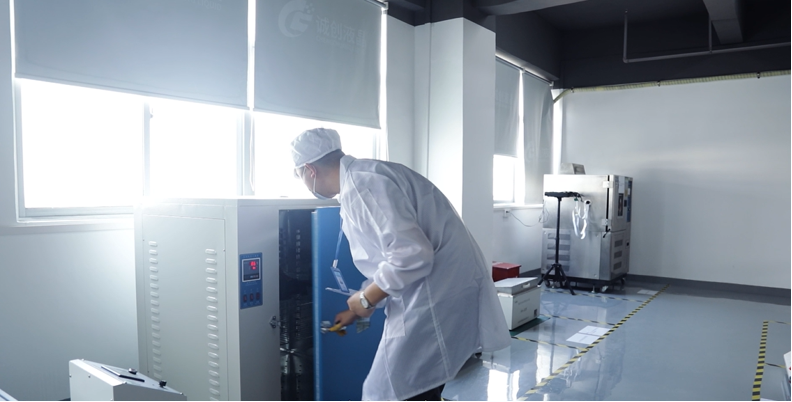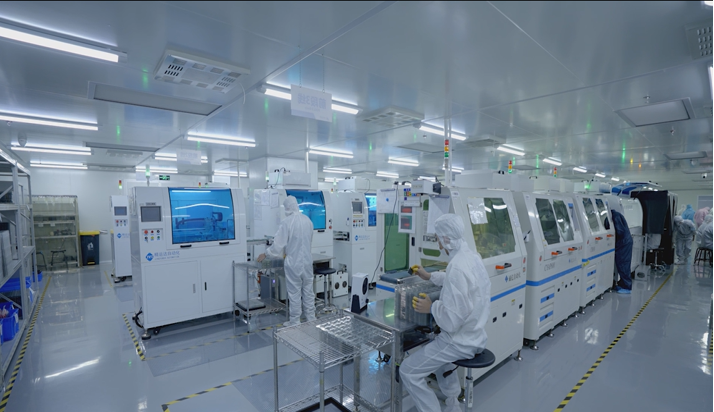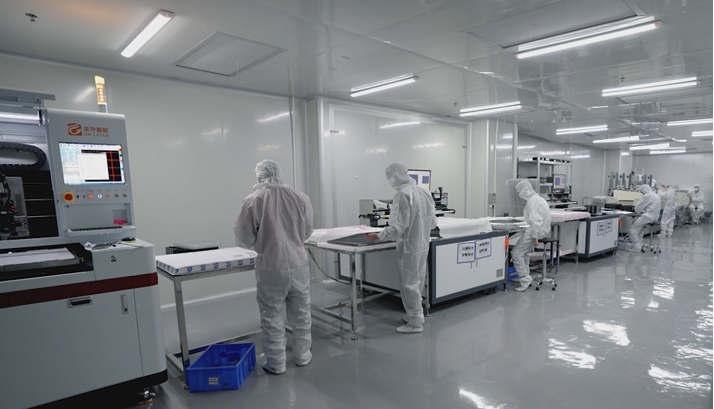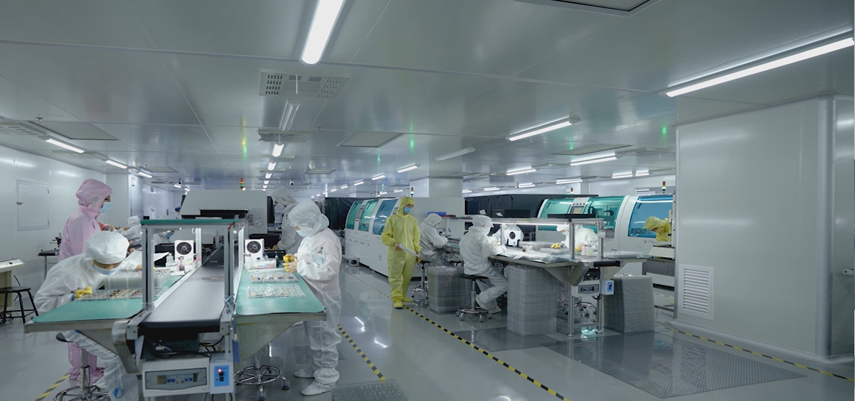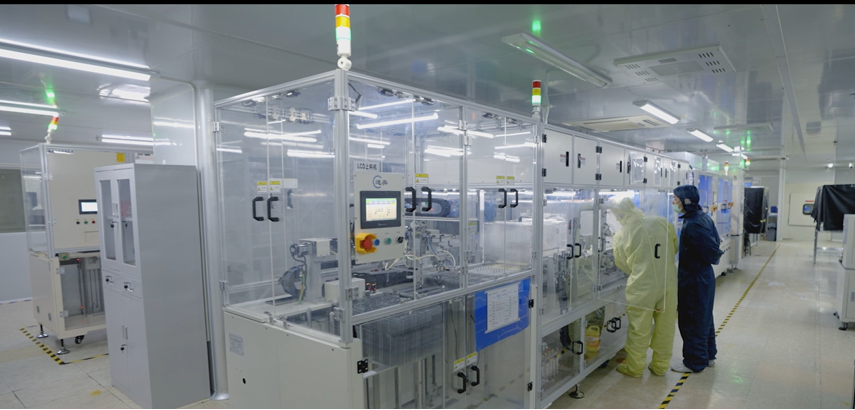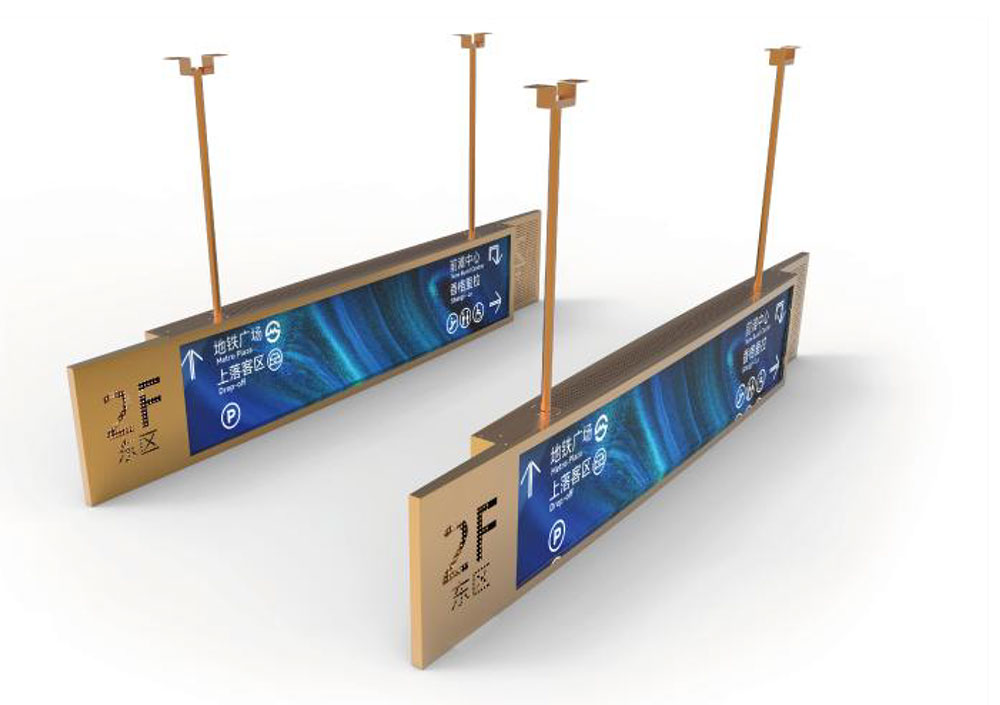
Industrial product designers face a unique challenge: off-the-shelf displays rarely align perfectly with the mechanical, optical, and environmental demands of specialized equipment. Whether you are engineering a rugged handheld terminal, an outdoor kiosk, a medical instrument, or a factory-floor HMI, the display is often the single most visible and mission-critical component. Custom display panels bridge the gap between generic components and purpose-built performance, giving designers precise control over form factor, brightness, interface, and durability. At HITULCD, we specialize in high-brightness LCD solutions engineered around the real-world constraints of industrial applications.
Why Standard Displays Fall Short in Industrial Design
Consumer-grade panels are optimized for indoor viewing, short product lifecycles, and cost-sensitive mass markets. Industrial equipment operates under fundamentally different conditions—extreme temperatures, direct sunlight, continuous 24/7 duty cycles, vibration, and long product lifespans measured in years rather than months. A display that dims under sunlight, fails at -20°C, or becomes obsolete within a single production run introduces costly redesigns and warranty risks.
Custom display panels eliminate these compromises. By selecting the right combination of panel technology, brightness level, optical bonding, cover glass, and interface, designers can specify a display that matches the exact operating envelope of their product—no over-engineering, no unexpected weaknesses.
Key Customization Parameters for Product Designers
1. Brightness and Sunlight Readability
Ambient light is often the deciding factor between a usable display and a frustrating one. Standard panels typically deliver 250–400 nits, adequate for indoor use but unreadable outdoors. High-brightness custom panels from HITULCD reach 1,000 to 2,500 nits, ensuring clear visibility even in direct sunlight. For applications with variable lighting, integrated ambient light sensors and automatic dimming preserve readability while extending backlight life and reducing power draw.
2. Optical Bonding
Optical bonding fills the air gap between the LCD and cover glass or touch panel with an optically clear adhesive. This dramatically reduces internal reflections, improves contrast in bright environments, and eliminates condensation between layers. For industrial designers, bonding also increases mechanical strength and impact resistance—critical for handheld and vehicle-mounted devices.
3. Custom Form Factor and Mechanical Fit
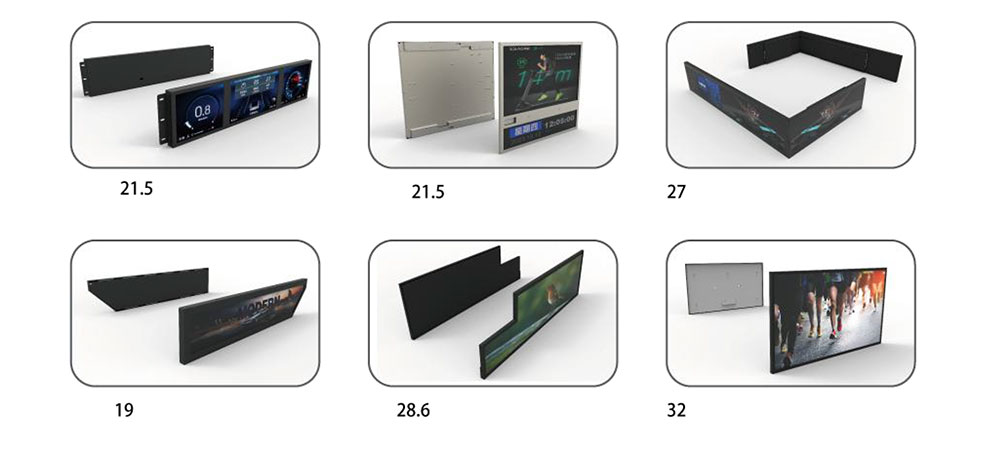
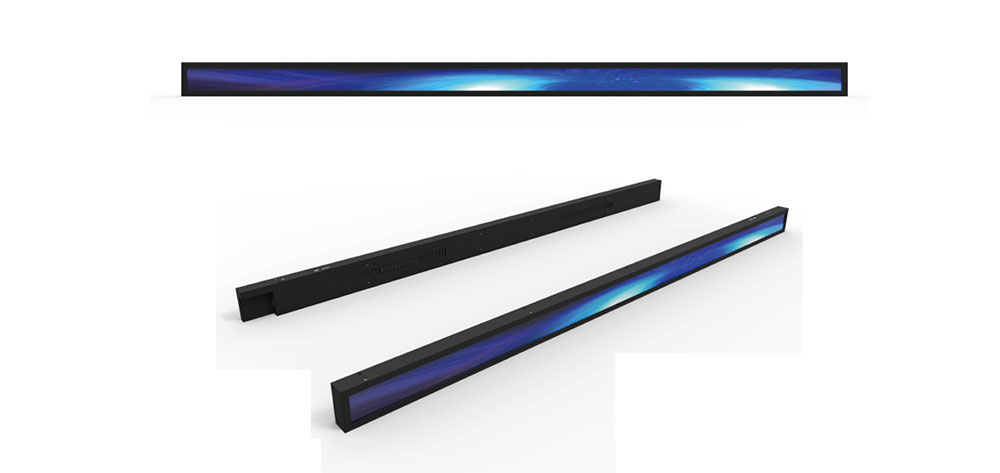
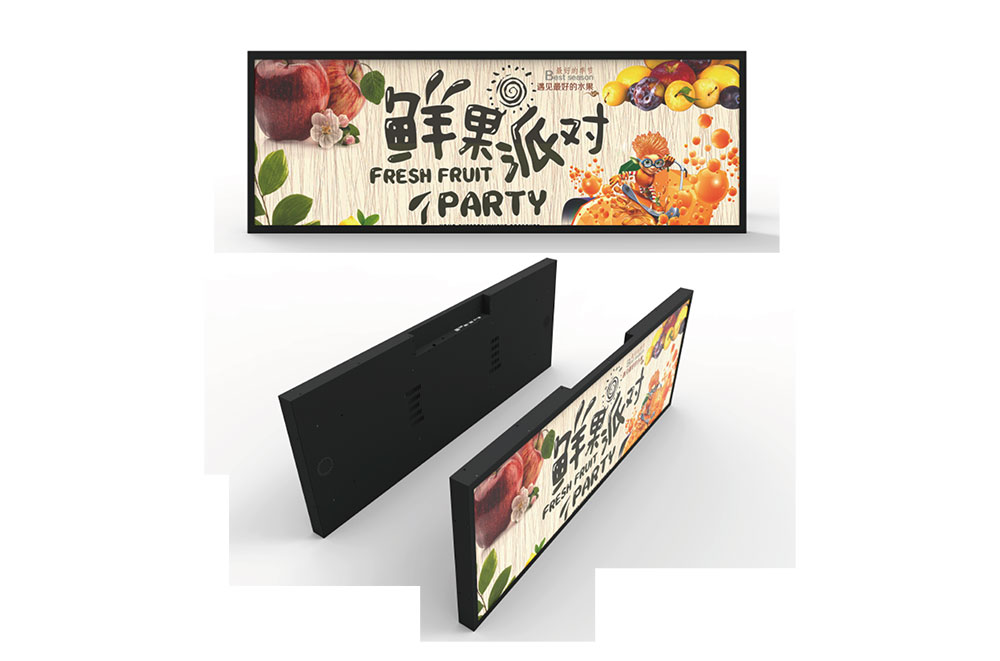
Industrial enclosures rarely accommodate standard aspect ratios. Custom panels allow adjustments to outline dimensions, mounting points, flex cable routing, and bezel configuration. Bar-type, square, and non-standard aspect ratios can be produced to fit compact instrument panels, elongated dashboards, or space-constrained control surfaces.
4. Wide Operating Temperature Range
Outdoor and transportation applications demand panels rated from -30°C to +85°C. HITULCD offers wide-temperature LCDs with specialized liquid crystal formulations and heater options to prevent slow response and image ghosting in cold conditions, ensuring reliable operation across seasons and climates.
5. Touch Integration
Projected capacitive (PCAP) touch can be tuned for glove operation, moisture rejection, and thick cover glass up to several millimeters. Resistive touch remains valuable for stylus and pressure-based input in harsh settings. Custom touch tuning ensures reliable performance regardless of gloves, rain, or contaminants.
6. Interface and Driver Flexibility
Whether your system uses LVDS, MIPI, eDP, RGB, or a controller board with HDMI/USB inputs, custom panels can be matched to your embedded architecture. This reduces integration effort and avoids the need for costly bridge chips or adapter boards.
The Engineering Collaboration Process
Successful custom display development is a partnership. At HITULCD, the process typically follows these stages:
- Requirement definition: Establishing brightness targets, temperature range, viewing angles, size, interface, and lifecycle expectations.
- Concept and specification: Selecting base panel technology (IPS, TN, or VA) and defining enhancement layers such as bonding and cover glass.
- Prototyping: Delivering samples for mechanical fit, optical validation, and firmware integration.
- Design validation testing: Verifying performance under thermal cycling, vibration, and sunlight exposure.
- Production and lifecycle support: Guaranteeing long-term component availability and consistent supply for industrial product lifecycles.
Balancing Performance, Power, and Cost
Higher brightness increases power consumption and heat generation, which must be managed within the enclosure's thermal budget. Efficient LED backlight designs, adaptive dimming, and optical enhancement films allow designers to achieve target luminance without excessive power draw. HITULCD works with designers to optimize this balance—delivering the readability the application requires while respecting battery life, thermal limits, and total system cost.
Applications That Benefit From Custom Panels
Custom display panels are essential across a wide range of industrial sectors: outdoor kiosks and payment terminals, marine navigation and avionics, agricultural and construction machinery, medical diagnostic devices, factory automation HMIs, EV charging stations, and rugged handheld computers. In each case, tailoring the display to the environment directly improves usability, reliability, and product differentiation.
Partnering With HITULCD
As a dedicated high-brightness LCD manufacturer, HITULCD understands that industrial designers need more than a component—they need an engineering partner committed to long-term reliability and design flexibility. From sunlight-readable brightness and optical bonding to wide-temperature operation and custom mechanical formats, our custom display solutions empower product designers to build equipment that performs flawlessly in the field. By involving display engineering early in the design cycle, teams reduce risk, accelerate time to market, and deliver products that stand out in demanding environments.
KEYWORDS: custom display panels, industrial LCD design, high-brightness LCD, sunlight readable display, optical bonding