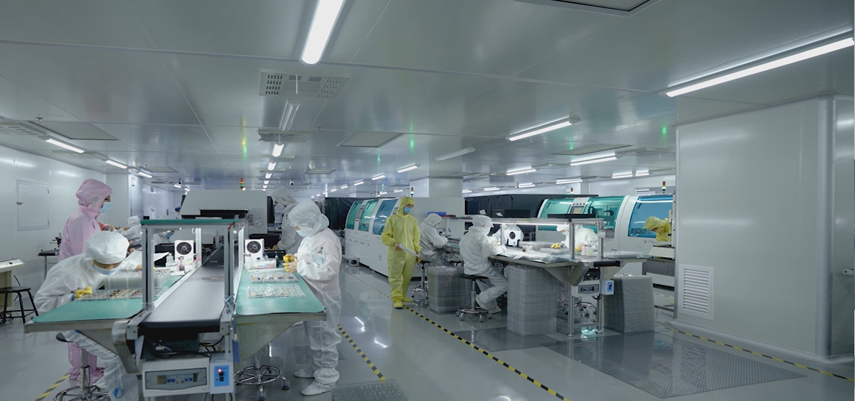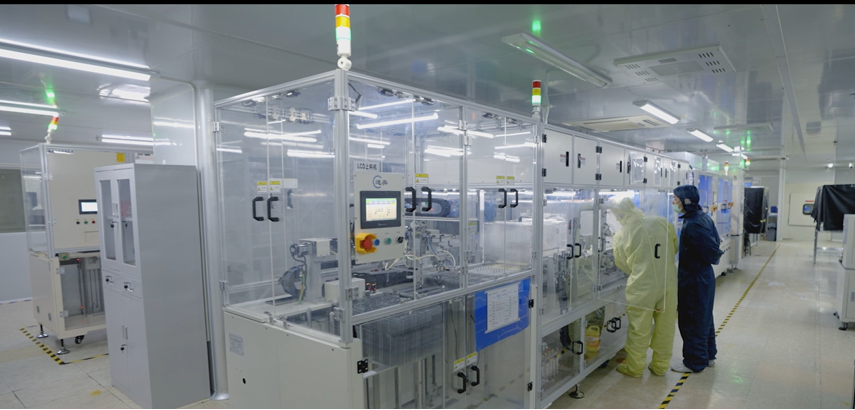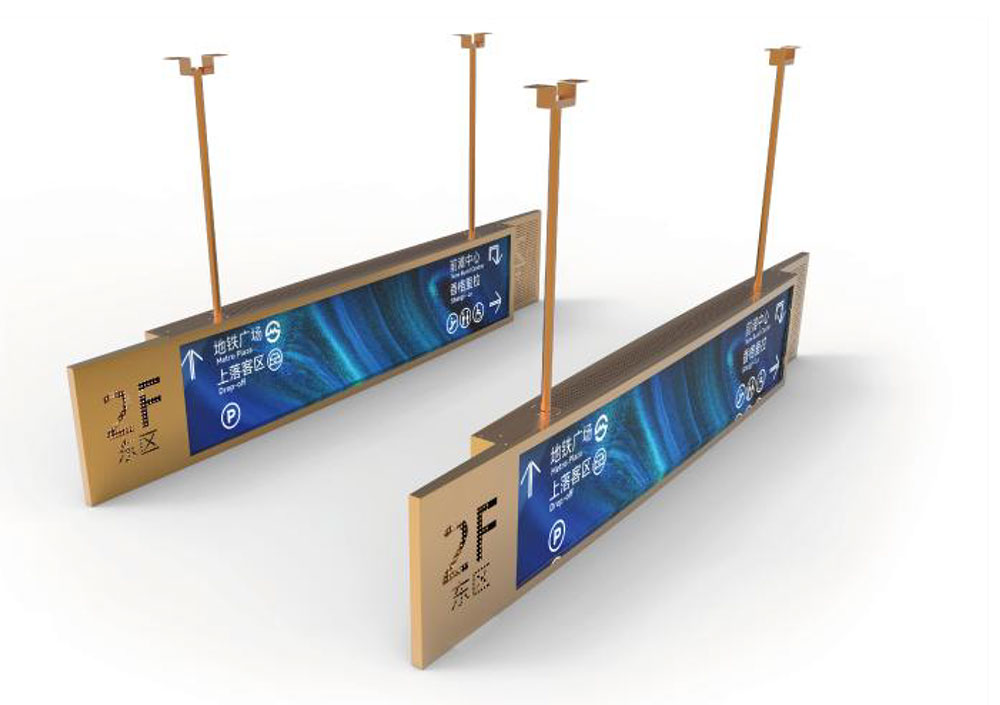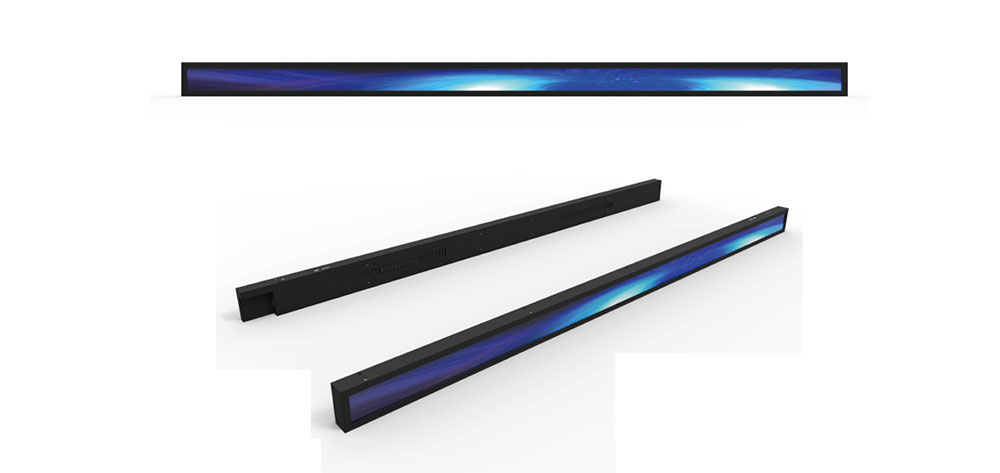
Embedded systems have moved far beyond the compact, square-format panels that once defined industrial interfaces. Today, machine builders, transportation OEMs, retail integrators, and medical device developers increasingly demand elongated form factors that match the physical constraints and visual priorities of their applications. Wide ratio display modules—also known as bar-type, stretched, or ultra-wide LCDs—have emerged as the enabling technology behind this shift. At HITULCD, we engineer these panels to deliver the mechanical fit, optical performance, and reliability that embedded environments require. This white paper examines the technical fundamentals of wide ratio display modules and why they have become a strategic choice for modern embedded designs.
What Defines a Wide Ratio Display Module?
A wide ratio display module is an LCD panel whose aspect ratio deviates significantly from the traditional 4:3 or 16:9 formats. Common wide ratios include 16:3, 24:9, 32:9, and even more extreme geometries such as 1000×160 or 1920×360 pixel arrangements. Rather than distributing pixels across a near-square area, these modules concentrate image real estate along a single axis—typically horizontal, though vertical bar-type configurations are equally viable.
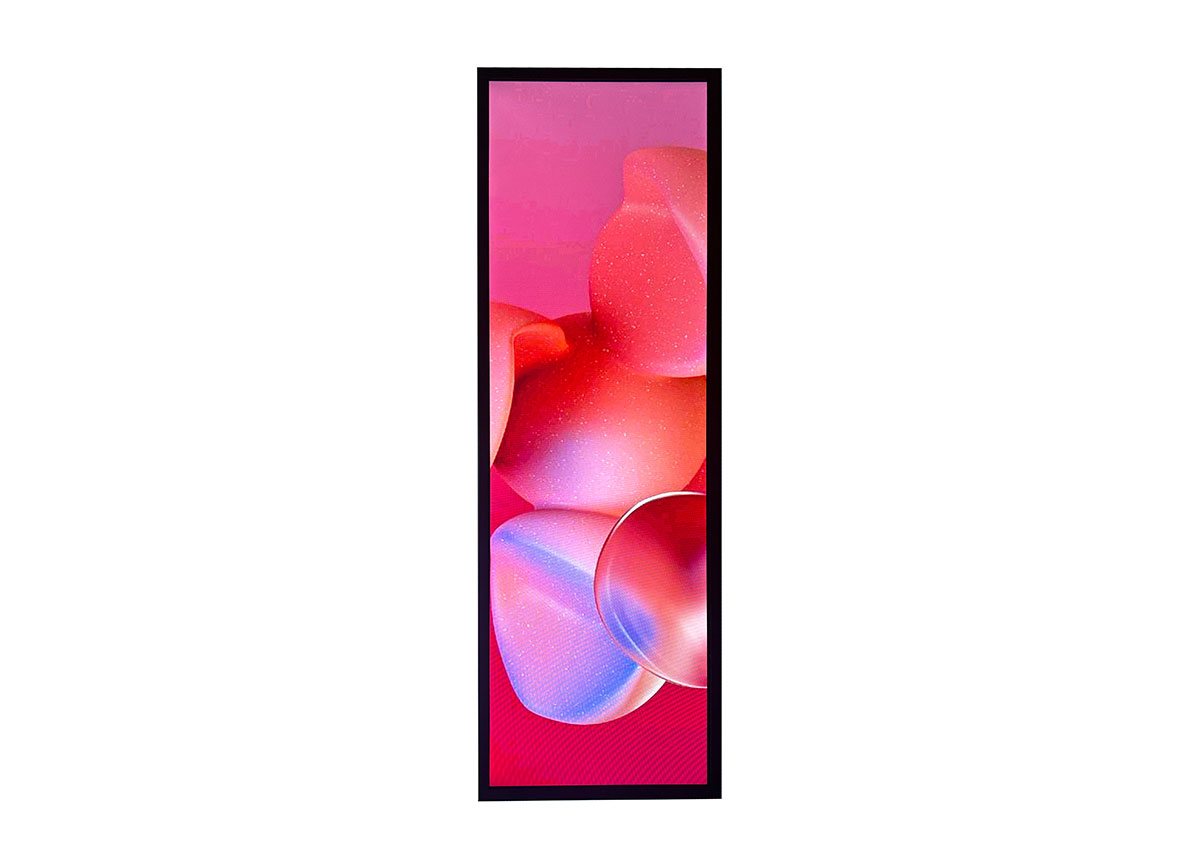
This elongated geometry is not merely a cosmetic variation. It directly addresses the spatial realities of embedded installations, where the available mounting surface is often a narrow slot, a shelf edge, a control panel strip, or an equipment fascia that cannot accommodate a conventional rectangular screen.
Why Embedded Systems Benefit from Wide Ratios
Embedded designers rarely have the luxury of unlimited enclosure space. Every millimeter of the mechanical envelope is contested by connectors, cooling, cabling, and structural elements. Wide ratio modules resolve this tension in several ways:
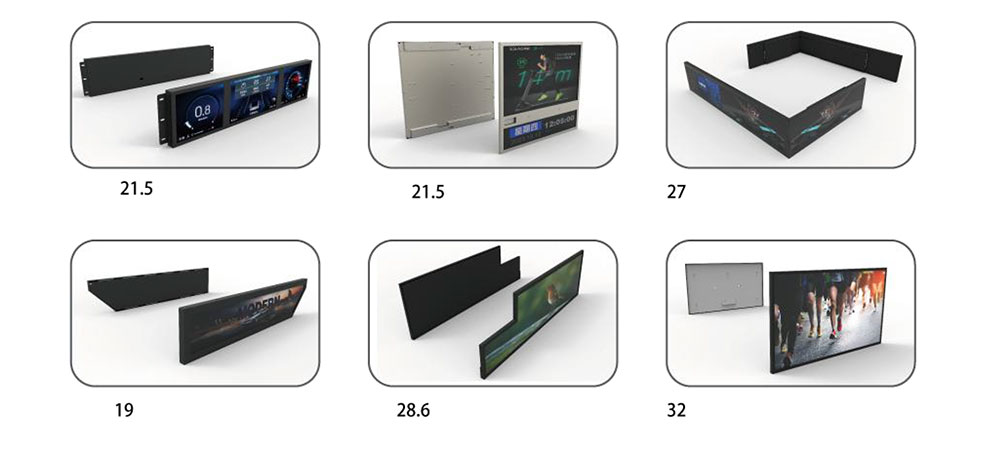
- Space-efficient integration: A stretched panel fits into slim bezels and narrow apertures where a standard display would demand a larger cutout.
- Information density along one axis: Applications such as status bars, scrolling data, waveform monitoring, and linear process visualization map naturally onto a wide canvas.
- Reduced housing volume: A thinner, longer display allows for a shallower enclosure, lowering material cost and system weight.
- Purpose-built ergonomics: In shelf-edge retail signage or public transit displays, the wide format aligns with the human field of view during quick glances.
Optical and High-Brightness Considerations
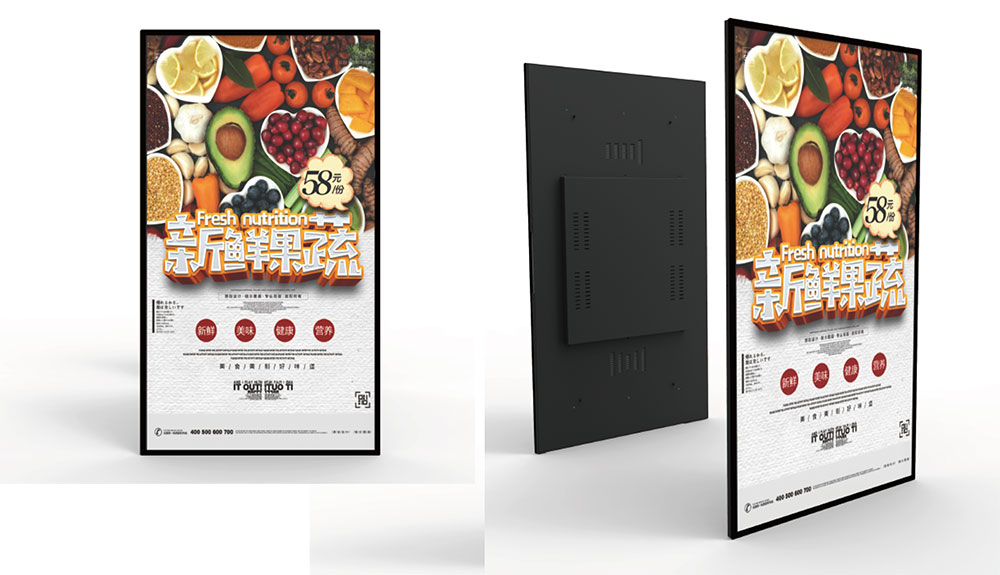
Embedded displays frequently operate in demanding lighting conditions—outdoor kiosks under direct sunlight, transit vehicles with variable ambient light, or industrial floors with harsh overhead illumination. For wide ratio modules to remain legible, high-brightness backlighting is essential.
HITULCD wide ratio modules are available with luminance levels ranging from 700 nits for indoor-bright environments up to 2500 nits for full sunlight readability. Achieving uniform brightness across an elongated panel is a distinct engineering challenge: the backlight light guide plate and LED distribution must be tuned so that a long, narrow diffusion path does not produce hot spots or dim edges. Our optical design uses edge-lit LED arrays with carefully calculated pitch and a custom light guide geometry to maintain luminance uniformity above 80 percent across the entire active area.
Complementary optical enhancements—such as anti-glare surface treatment, optical bonding to eliminate the air gap between the cover glass and the LCD, and wide-viewing-angle IPS or ADS cell technology—further ensure that content remains crisp and high-contrast regardless of viewing position.
Interface and Integration Compatibility
A display module is only useful when it communicates cleanly with the host embedded controller. Wide ratio panels from HITULCD support the interface standards embedded developers rely on:
- LVDS for higher-resolution modules requiring robust, high-speed transmission.
- MIPI DSI for compact SoC-based designs where power efficiency and minimal wiring are priorities.
- RGB/TTL parallel interfaces for lower-cost microcontroller-driven applications.
- eDP for advanced embedded computing platforms.
Because non-standard aspect ratios sometimes require custom timing parameters, we provide detailed EDID and timing documentation, along with reference driver support, so integrators can bring a wide ratio panel online without lengthy trial-and-error tuning.
Mechanical and Environmental Robustness
Elongated panels present unique mechanical challenges. A long, thin glass substrate is more susceptible to flexing and vibration stress than a compact one. HITULCD addresses this through reinforced metal bezels, adhesive lamination strategies that distribute mechanical load, and optional cover glass thicknesses selected to match the target environment.
For embedded systems deployed in transportation, industrial automation, and outdoor infrastructure, environmental resilience is non-negotiable. Our wide ratio modules can be specified with wide operating temperature ranges from -30°C to +85°C, cover glass that resists impact and abrasion, and gasket-ready designs that support IP-rated sealing at the system level. Vibration and shock testing follows the profiles relevant to on-vehicle and heavy-machinery deployments.
Typical Application Scenarios
The versatility of wide ratio modules makes them attractive across many embedded verticals:
- Retail shelf-edge displays: Long horizontal strips showing pricing, promotions, and product data.
- Public transportation: Route indicators, next-stop information, and passenger announcements inside buses and trains.
- Industrial control panels: Real-time machine status bars, alarm strips, and linear process gauges.
- Smart appliances: Slim status displays integrated into refrigerators, ovens, and HVAC units.
- Medical instrumentation: Vital-sign trend bars and equipment status indicators where horizontal space is available but vertical space is limited.
- Automotive and cockpit systems: Under-dash information strips and companion displays.
Design Guidance for Engineers
When selecting a wide ratio display module for an embedded project, we recommend engineers evaluate the following early in the design cycle: the required luminance based on worst-case ambient light, the interface supported by the host processor, the mechanical mounting method and available bezel width, the operating temperature range, and the expected touch requirements. Capacitive touch can be laminated onto wide ratio panels, though the elongated sensor geometry benefits from a controller tuned for the specific aspect ratio to maintain edge-to-edge touch accuracy.
Because wide ratio panels are frequently semi-custom, engaging the display manufacturer during the concept phase shortens development time. HITULCD offers custom cutting, backlight tuning, cover glass configuration, and interface adaptation, allowing the module to be tailored precisely to the embedded application rather than forcing the design to accommodate an off-the-shelf compromise.
Conclusion
Wide ratio display modules represent a mature, high-value solution for embedded systems that must present information within constrained, elongated form factors. By combining high-brightness backlighting, uniform optical performance, flexible interface support, and rugged mechanical construction, these panels enable designs that would be impossible with conventional aspect ratios. As embedded interfaces continue to specialize and shrink, the demand for purpose-built stretched displays will only grow. HITULCD remains committed to advancing wide ratio LCD technology so that engineers can build cleaner, more capable, and more reliable embedded products.
KEYWORDS: wide ratio display modules, embedded systems display, high-brightness LCD, bar-type LCD panel, stretched display