Modern industrial, medical, and portable equipment increasingly demands displays that deliver exceptional performance without consuming precious internal volume. As product designers push toward slimmer enclosures, tighter bezels, and multifunctional layouts, off-the-shelf display panels frequently fall short. Custom LCD modules engineered for space-constrained equipment bridge this gap by tailoring every mechanical, optical, and electrical parameter to the exact requirements of the host device. At HITULCD, our high-brightness custom LCD solutions are designed to fit challenging form factors while maintaining outstanding readability, reliability, and long-term availability.
Why Space-Constrained Equipment Needs Custom LCD Modules
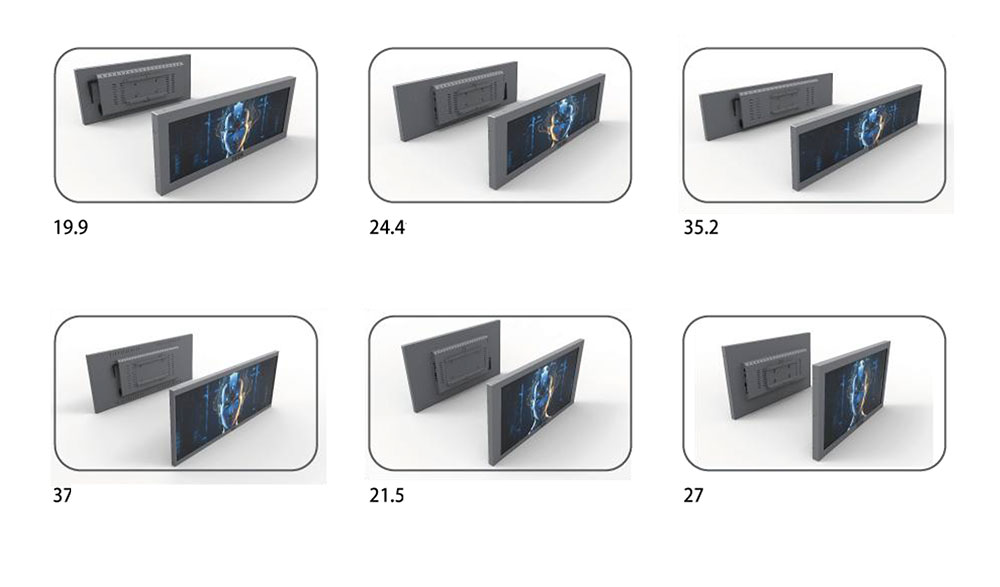
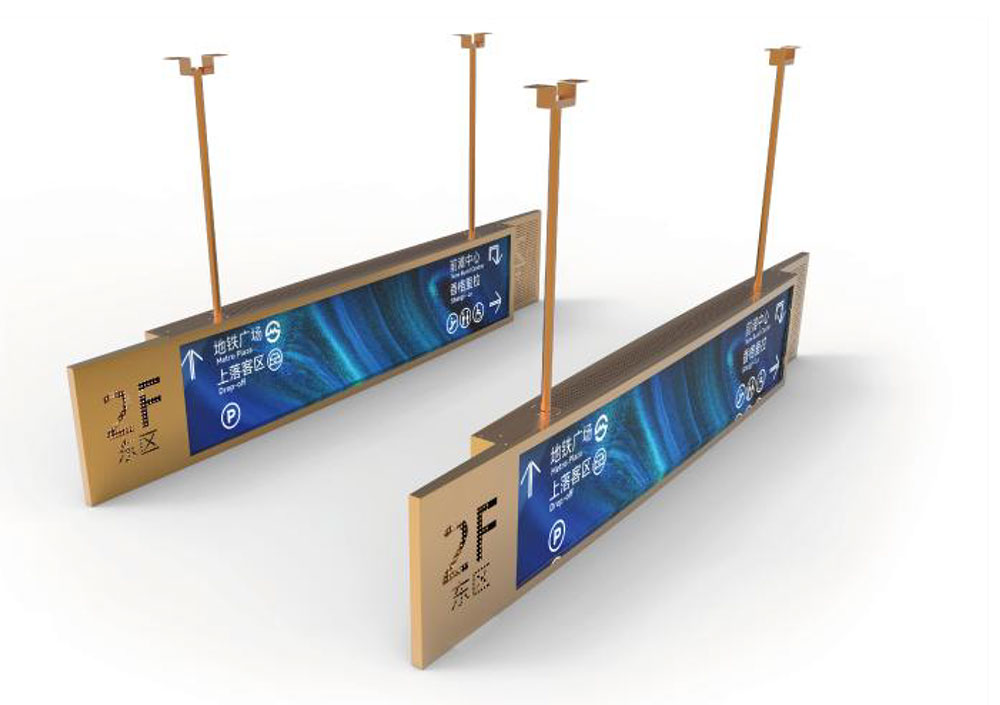
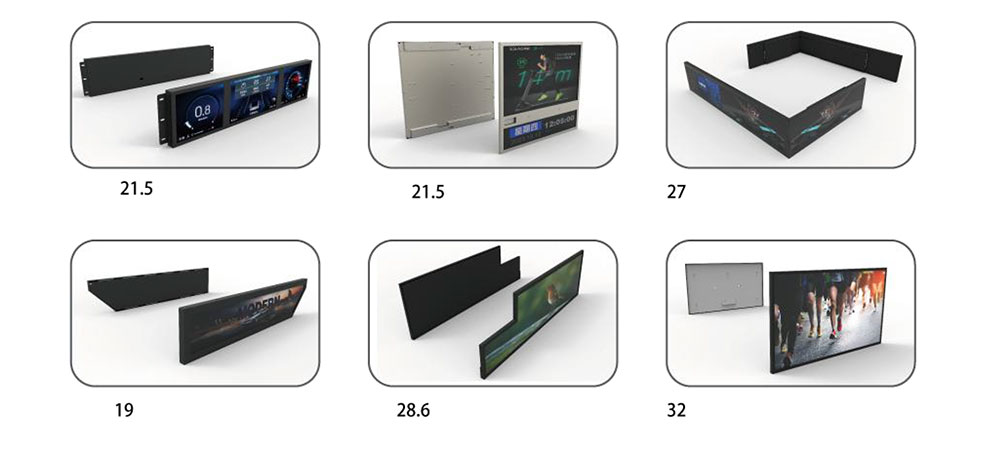
Space limitations appear across a wide range of applications: handheld diagnostic instruments, drone ground controllers, marine navigation panels, kiosk terminals embedded in narrow columns, industrial HMIs mounted in shallow control cabinets, and battery-powered field devices. In each case, standard modules with generic mounting tabs, oversized flex cables, or thick backlight assemblies simply cannot be integrated. A custom LCD module allows engineers to specify the precise outline dimensions, mounting hole positions, connector orientation, and cable routing needed to occupy the smallest possible footprint.
Beyond mechanical fit, space-constrained equipment often operates in demanding lighting conditions—direct sunlight, high-glare environments, or dimly lit control rooms. This is where high-brightness custom modules from HITULCD deliver a decisive advantage, combining compact dimensions with luminance levels far beyond consumer-grade panels.
Key Design Parameters for Compact Custom Displays
When developing a custom LCD module for tight enclosures, several critical parameters must be optimized simultaneously:
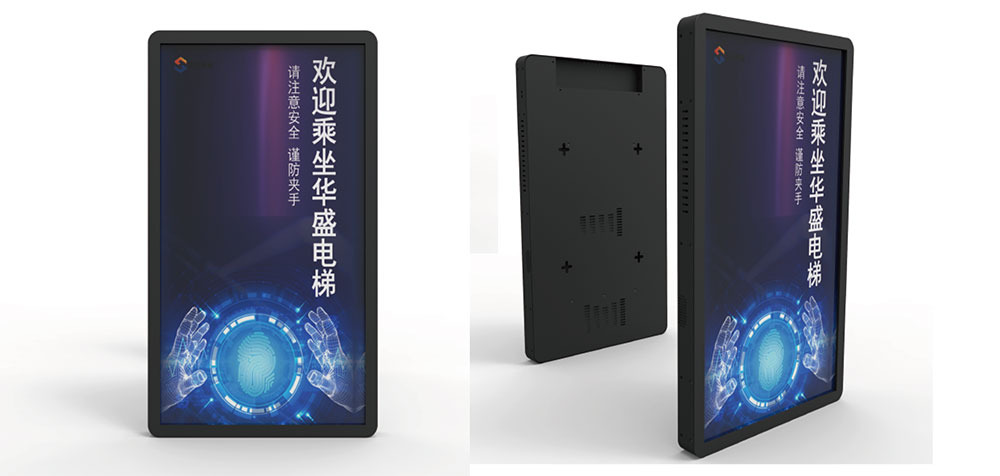
- Module thickness (Z-height): Reducing backlight thickness and using thin-film touch sensors can bring total stack height below 5 mm, a substantial saving compared with standard 8–10 mm assemblies.
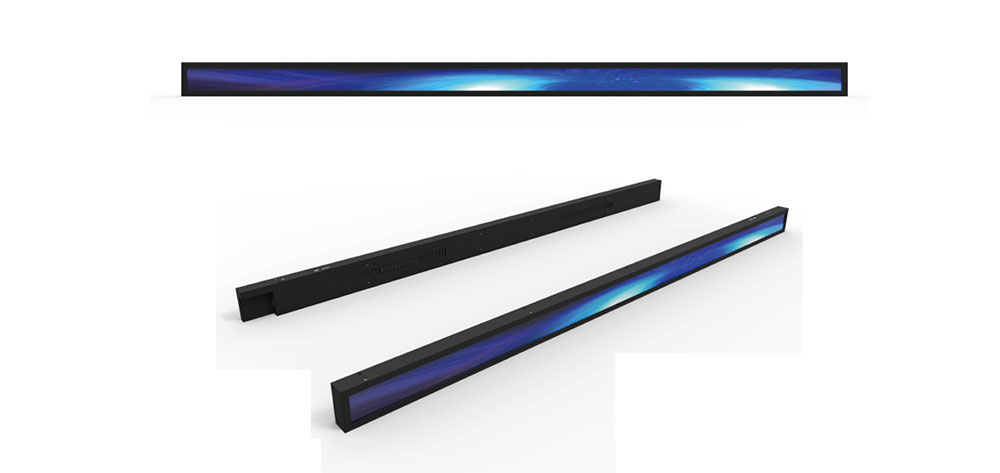
- Bezel and active-area ratio: Narrow-border designs maximize the ratio of viewable area to overall size, essential when panel real estate is scarce.
- Interface selection: Choosing MIPI-DSI, LVDS, RGB, or SPI interfaces influences cable count and connector size, directly affecting internal routing space.
- Mounting method: Adhesive bonding, custom brackets, or integrated mounting flanges allow the display to anchor securely without additional hardware.
- Thermal management: High-brightness backlights generate heat; compact enclosures require careful thermal design to preserve component lifespan.
High-Brightness Performance in a Small Footprint
The defining characteristic of HITULCD modules is sunlight-readable brightness. Where many general-purpose industrial displays offer only 250 to 500 nits, our custom high-brightness modules reach 1,000 to 2,500 nits and beyond. This ensures crisp visibility even when the display is mounted at an angle inside a shallow bezel or exposed to outdoor glare. To conserve space and power, we integrate optical bonding, high-efficiency LED backlight arrays, and low-reflectance polarizers, all of which improve contrast without adding bulk.
Optical bonding is especially valuable in compact designs. By eliminating the air gap between the cover glass and the LCD, bonding reduces internal reflections, improves contrast ratio, and allows the entire display stack to be thinner and more rugged—an ideal combination for handheld and vibration-prone equipment.
Benchmarking Against Competitor Specifications
To illustrate the value of a purpose-built approach, it is useful to compare typical competitor offerings against HITULCD custom capabilities. Many standard industrial modules on the market list the following specifications: brightness around 400 nits, operating temperature ranges of −20°C to +70°C, module thickness of roughly 9–12 mm for a 7-inch panel, and fixed connector positions that cannot be relocated. Competitor lead times for any mechanical modification frequently extend to 12–16 weeks, and minimum order quantities are often rigid.
By contrast, HITULCD custom modules routinely deliver 1,000–2,500 nits, extended operating ranges of −30°C to +85°C for outdoor and mobile deployments, module thicknesses reduced by up to 40% through slimline backlight engineering, and fully configurable FPC exit direction. Our engineering team supports mechanical customization with faster turnaround and flexible volume tiers, enabling designers to iterate quickly rather than compromise around a fixed part. Where a competitor's 5-inch panel might occupy a 120 × 75 mm outline with a 6 mm border, an equivalent HITULCD custom design can trim the border to under 2 mm, reclaiming valuable panel area for the same enclosure.
Interface and Controller Flexibility
Space-constrained products often lack the board area for large driver electronics. HITULCD addresses this by offering integrated controller boards sized to fit alongside the display, or by supplying modules with embedded timing controllers that connect directly to the host processor. For low-power devices, monochrome and low-color-depth options with SPI interfaces minimize both cable count and power draw. For rich graphical HMIs, MIPI and LVDS interfaces support full-color, high-resolution content while keeping the interface footprint compact.
Durability for Portable and Field Applications
Compact equipment is frequently portable, meaning it must withstand shock, vibration, moisture, and temperature swings. Our custom modules can be specified with reinforced cover glass, conformal coatings, wide-temperature liquid crystal fluids, and sealed edges to meet IP-rated enclosure requirements. Optical bonding further enhances mechanical strength by structurally uniting the glass layers, reducing the risk of delamination or internal fogging under thermal cycling.
The HITULCD Custom Development Process
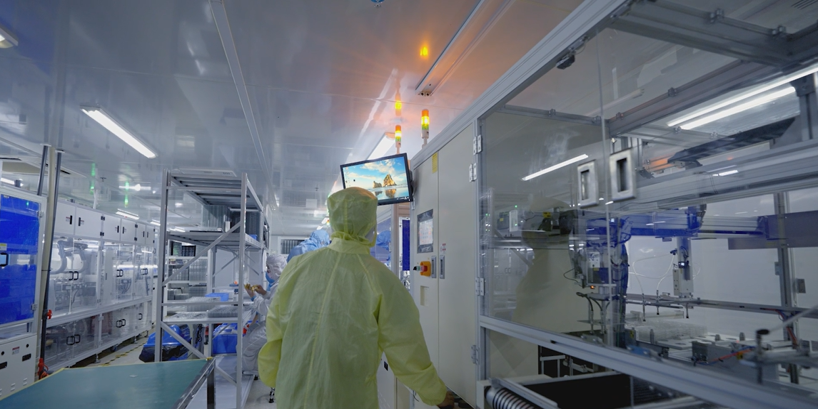
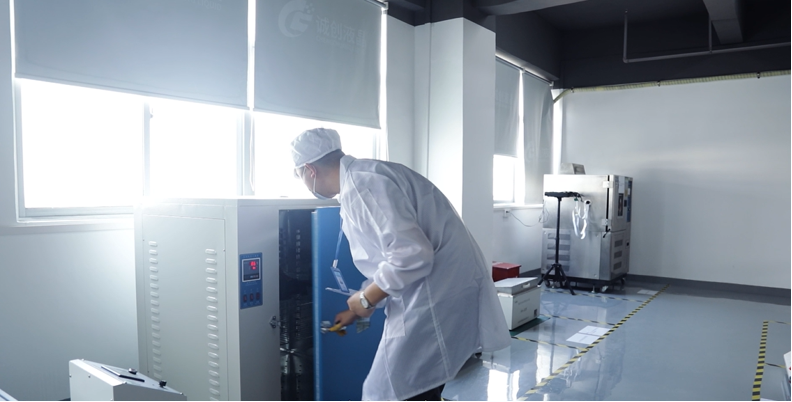
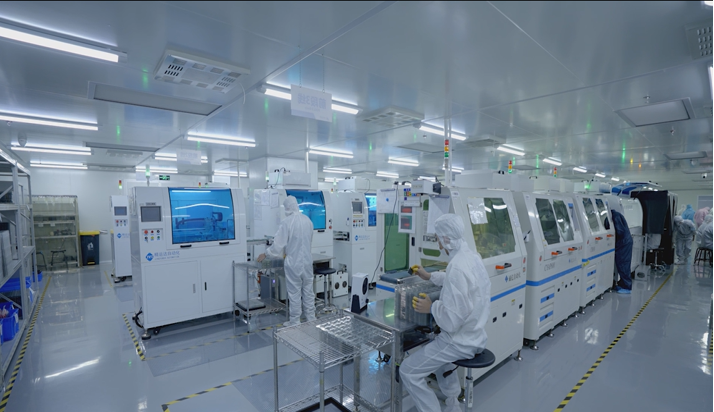
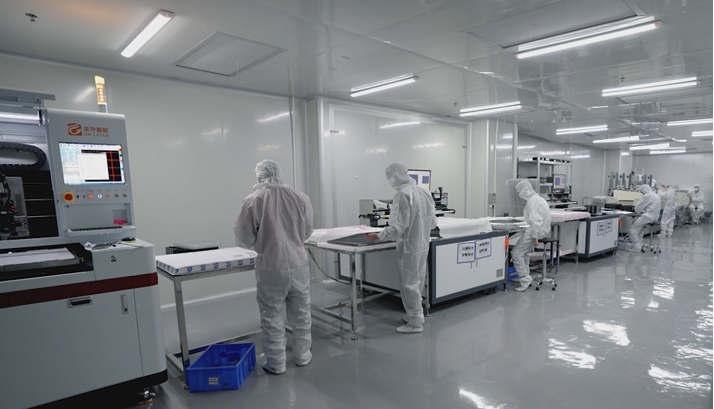
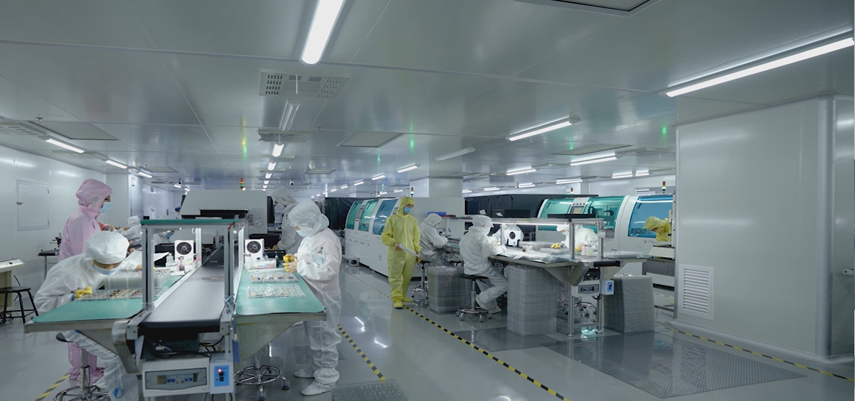
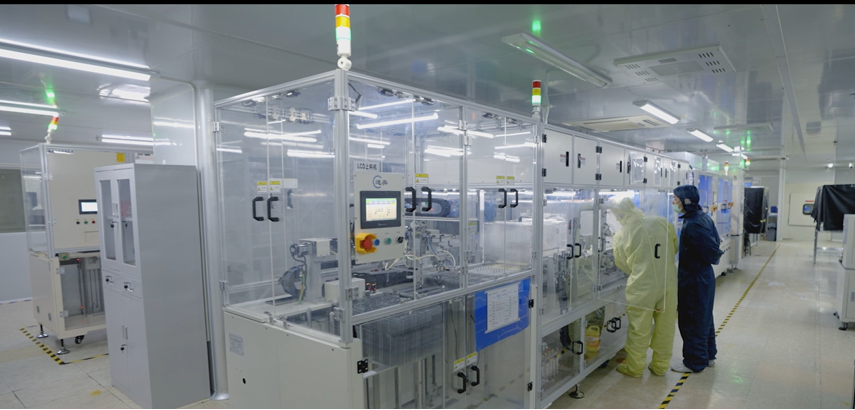
Our collaborative process begins with a detailed review of the customer's mechanical envelope, viewing requirements, environmental conditions, and interface constraints. From there, our engineers propose an optimized module architecture, provide 3D mechanical files for fit verification, and deliver prototypes for validation. Because we control backlight design, optical bonding, and mechanical assembly in-house, we can fine-tune each layer to reclaim millimeters of space that competitors treat as fixed.
Conclusion
Space-constrained equipment no longer needs to compromise on display quality. With custom LCD modules from HITULCD, engineers gain sunlight-readable high brightness, ultra-slim mechanical profiles, configurable interfaces, and rugged durability—all tailored to the exact contours of their product. By moving beyond the limitations of standard panels and competitor off-the-shelf specifications, designers can deliver sleeker, brighter, and more reliable devices that stand out in demanding markets.
KEYWORDS: custom LCD modules, space-constrained equipment, high-brightness LCD, sunlight-readable display, slim LCD module