Introduction: Why Standard Rectangles No Longer Fit Modern Products
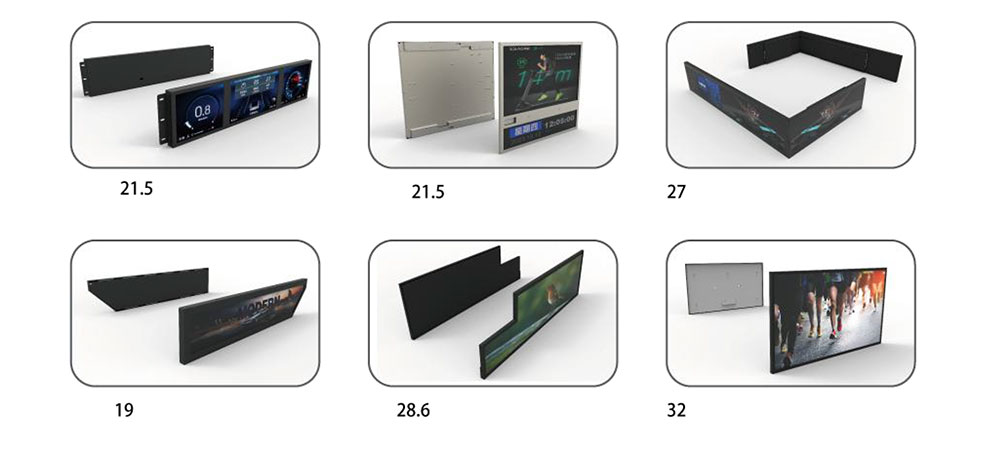
For decades, the LCD industry defaulted to standard rectangular formats because they were cheap to mass-produce and simple to source. But as OEM product design has evolved toward slimmer, curved, and application-specific hardware, the rectangle has become a constraint rather than a convenience. Round instrument clusters, bar-shaped shelf-edge displays, circular smart-home controls, and L-shaped automotive dashboards all demand a display that conforms to the product, not the other way around. This is where special-shaped LCD screens—also called custom-cut or free-form LCDs—have become a decisive engineering advantage for OEM developers.
At HITULCD, we work with OEM teams who need displays that match tight mechanical envelopes while sustaining high brightness, wide temperature tolerance, and long service life. This article explains what special-shaped LCDs are, how they are manufactured, the engineering trade-offs OEMs must plan for, and how to specify them correctly to avoid costly late-stage redesigns.
What Is a Special-Shaped LCD?
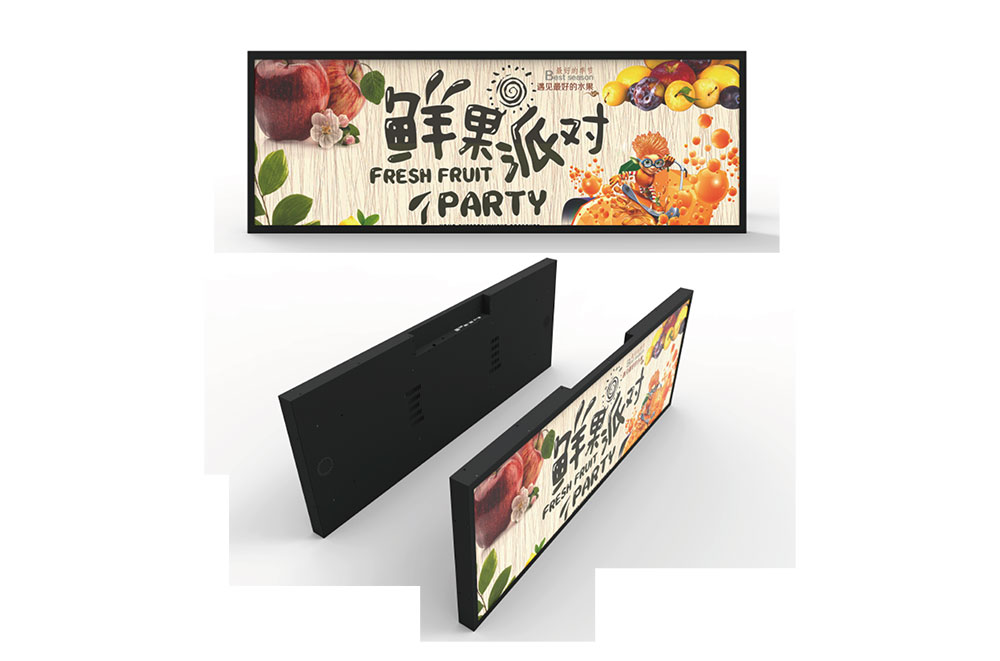
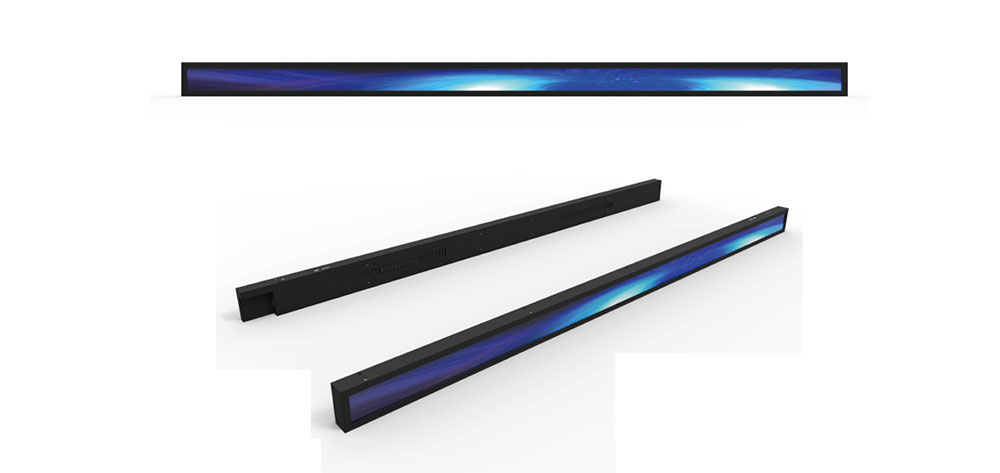
A special-shaped LCD is any liquid-crystal display whose active area or outer glass outline departs from the conventional rectangular form. This includes round and oval displays, bar-type (ultra-wide or ultra-tall) panels, notched and cut-corner formats, curved profiles, and displays with holes or irregular perimeters to accommodate buttons, sensors, or camera modules. The "shape" can be defined at two levels: the outer glass contour and the shape of the visible active display region. In many OEM projects both are customized together so the screen visually and mechanically integrates into the product housing.
Special-shaped panels are typically built on TN, HTN, FSTN, or TFT technologies depending on resolution, color, and viewing requirements. For information-rich interfaces, TFT is common; for low-power segment or icon displays, monochrome technologies remain highly cost-effective in custom outlines.
Manufacturing Methods Behind Custom Outlines
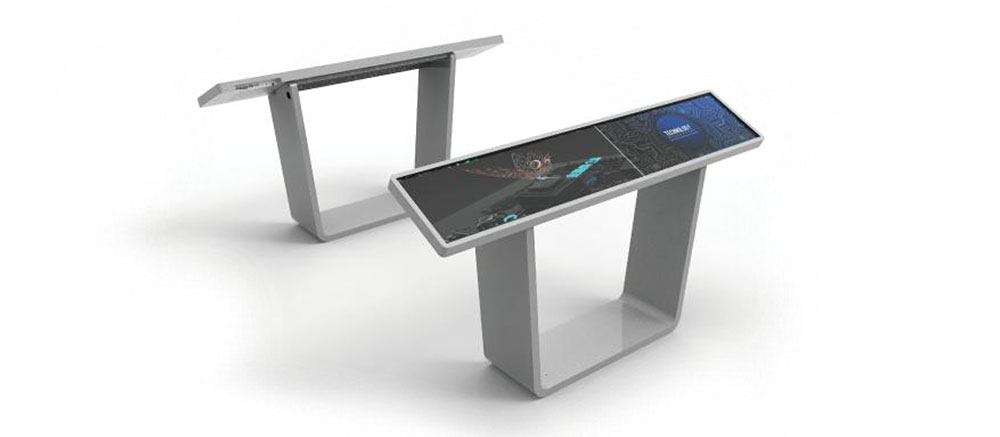
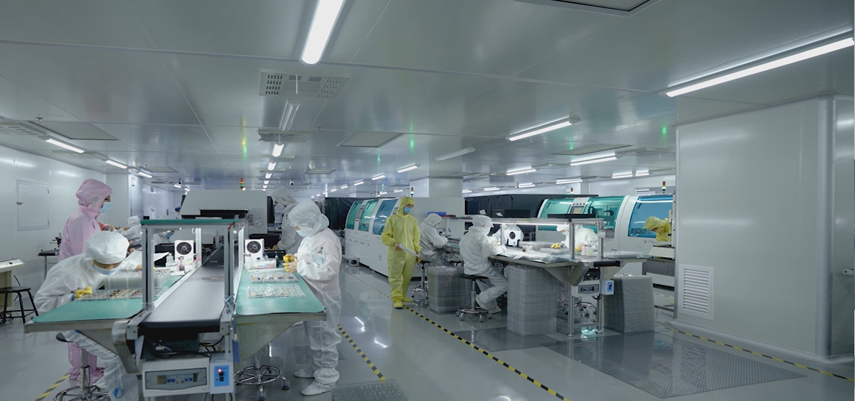
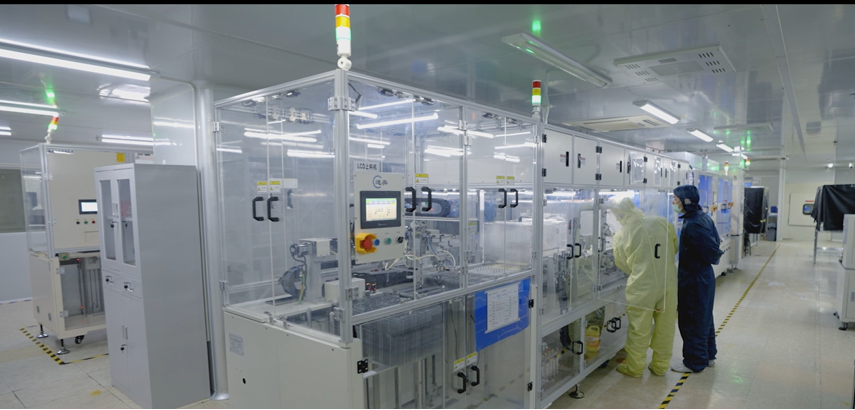
Producing a non-rectangular display is more than cutting glass into a new shape. Several process routes exist, and each carries implications for cost, minimum order quantity, and durability.
CNC and Grinding of the Glass Substrate
The most established method uses CNC machining and edge grinding to shape the laminated glass cell after the liquid crystal assembly steps. This allows rounded corners, curved edges, and cut-outs. Edge grinding quality directly affects mechanical strength, so a properly chamfered and polished edge is essential to prevent micro-cracks that propagate under vibration or thermal cycling.
Laser Cutting
Laser processing enables finer contours and smaller internal radii than mechanical tooling, which is valuable for intricate notches or small round displays. It requires careful control of heat-affected zones to protect the polarizer and the sealed liquid-crystal layer near the cut line.
Custom Photomask and Active-Area Design
The shape of the active pixel or segment area is defined during the photolithography and ITO patterning stages. For segment displays, engineers can lay out icons and digits into virtually any silhouette. For TFT panels, the driver arrangement, gate/source routing, and border ("dead space") must be planned so the active area matches the desired visible shape.
Key Engineering Considerations for OEMs
Border and Dead Space
Every LCD needs space around the active area for sealing, driver bonding (COG/COF/FPC), and mechanical margin. On special-shaped screens this border is not uniform, and the side hosting the driver IC and flex connector usually requires more room. OEM designers should confirm early where the FPC exits and how much bezel each edge needs, because these constraints heavily influence the final housing geometry.
Brightness and Optical Uniformity
As a high-brightness specialist, HITULCD frequently delivers special-shaped TFTs above 1000 nits for outdoor kiosks, transportation, and industrial HMI. Custom shapes complicate backlight design: a round or L-shaped panel requires a matching light guide plate and LED placement to maintain luminance uniformity across the entire active area. Poorly engineered backlights produce hotspots or dim corners, so backlight tooling must be co-developed with the panel outline.
Thermal and Mechanical Robustness
Cut edges and internal holes are stress concentration points. For automotive, marine, and industrial applications, edge treatment, optical bonding, and cover-glass lamination improve resistance to shock, moisture, and wide temperature swings. Optical bonding also reduces internal reflection, which reinforces effective daylight readability—critical when high brightness is a core selling point.
Touch Integration
When a projected-capacitive touch layer is added, its sensor pattern and controller firmware must be tuned to the exact shape. Edges, corners, and cut-outs change the capacitive field, so touch linearity near boundaries requires calibration. Specifying touch requirements at the outline-design stage avoids rework later.
Design-for-Manufacture: How to Specify a Special-Shaped LCD
A clean specification shortens development time and controls cost. OEM teams should provide or confirm the following before tooling begins:
- A dimensioned 2D drawing (DXF/DWG) of the desired outer outline and active area, including corner radii and cut-outs.
- Preferred FPC exit location and connector type.
- Target brightness (nits), operating and storage temperature range, and viewing direction.
- Resolution, color depth, and interface (MIPI, LVDS, RGB, SPI, or I²C for segment types).
- Touch requirement, cover-glass treatment, and whether optical bonding is needed.
- Expected annual volume, which determines whether custom tooling or a semi-custom approach is more economical.
For lower volumes, a practical strategy is to start from an existing glass cell and customize only the outline and cover glass, reducing non-recurring engineering cost while still achieving a distinctive form factor.
Typical OEM Applications
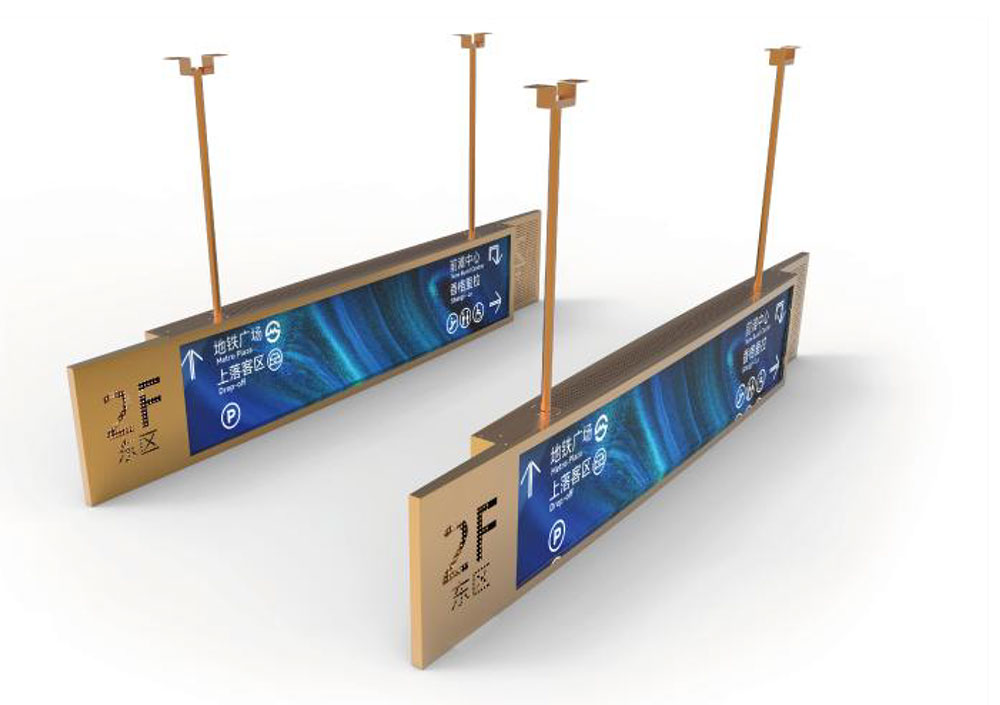
Special-shaped LCDs appear across a growing range of products. Round displays serve smart thermostats, wearables, and instrument gauges. Bar-type panels fit retail shelf edges, elevator indicators, and automotive rear-view and center consoles. Cut-corner and notched displays support home appliances and medical devices where sensors or controls share the front panel. In each case the shaped display is not decorative—it enables a smaller, cleaner, and more intuitive product than a rectangular screen surrounded by unusable bezel.
Common Pitfalls and How to Avoid Them
The most frequent OEM mistakes are finalizing the housing before confirming display border requirements, underestimating backlight tooling lead time for custom shapes, and specifying internal radii too small for the chosen cutting process. Each forces late redesign. Engaging the display manufacturer during industrial design—rather than after—lets mechanical, optical, and electrical constraints be resolved together. HITULCD encourages a co-design phase in which drawings, brightness targets, and reliability standards are locked before tooling, so first samples closely match the production intent.
Conclusion
Special-shaped LCD screens give OEM developers the freedom to design products around user experience and mechanical intent instead of accepting the limits of a rectangle. Success depends on treating the display as an integrated subsystem—glass outline, backlight, driver placement, touch, and cover lamination engineered together. With disciplined specification and early collaboration, OEMs can achieve distinctive, durable, high-brightness displays that fit precisely where standard panels cannot. As a high-brightness LCD manufacturer, HITULCD partners with OEM teams from concept drawings through mass production to deliver custom-shaped displays built for real-world performance.
KEYWORDS: special-shaped LCD, custom LCD screens, OEM display development, high-brightness LCD, custom-cut TFT