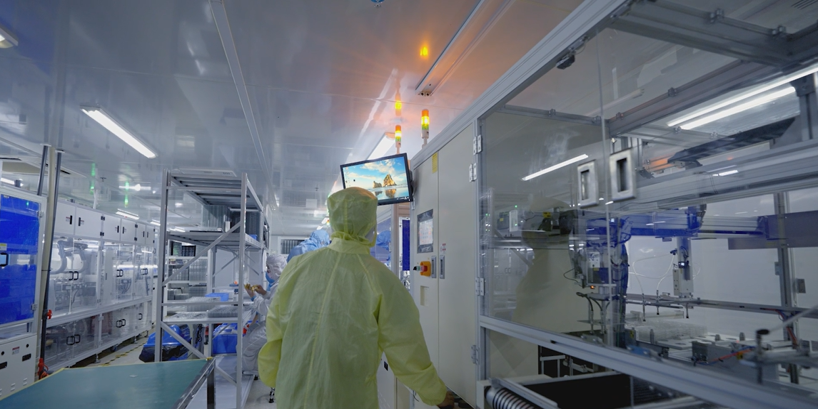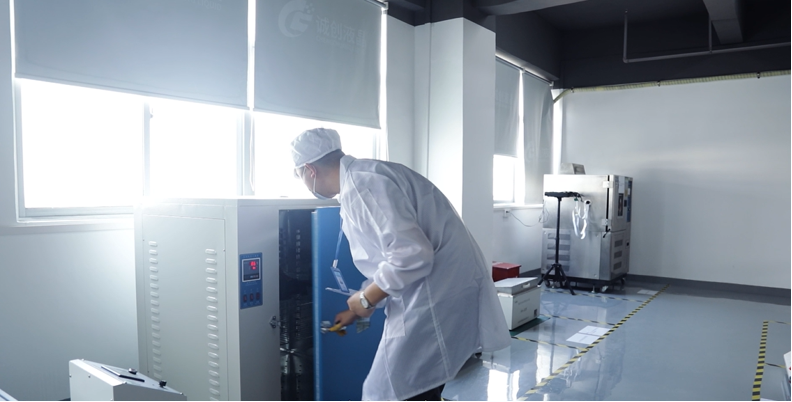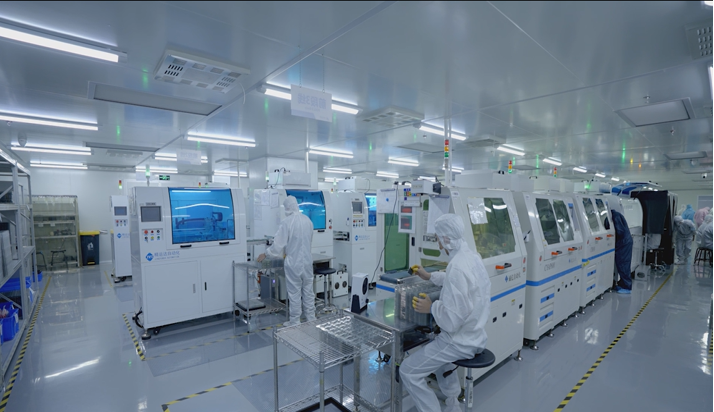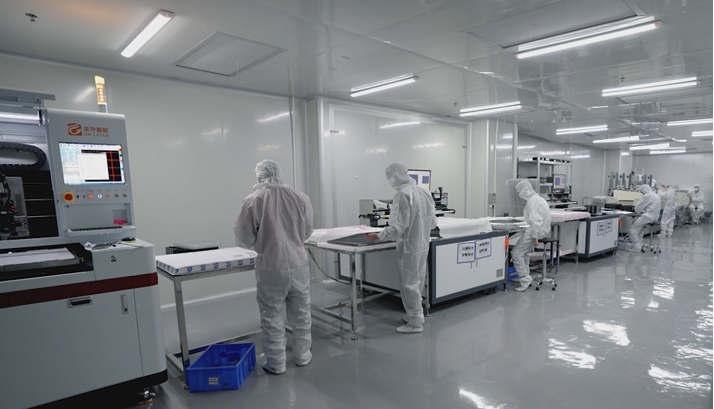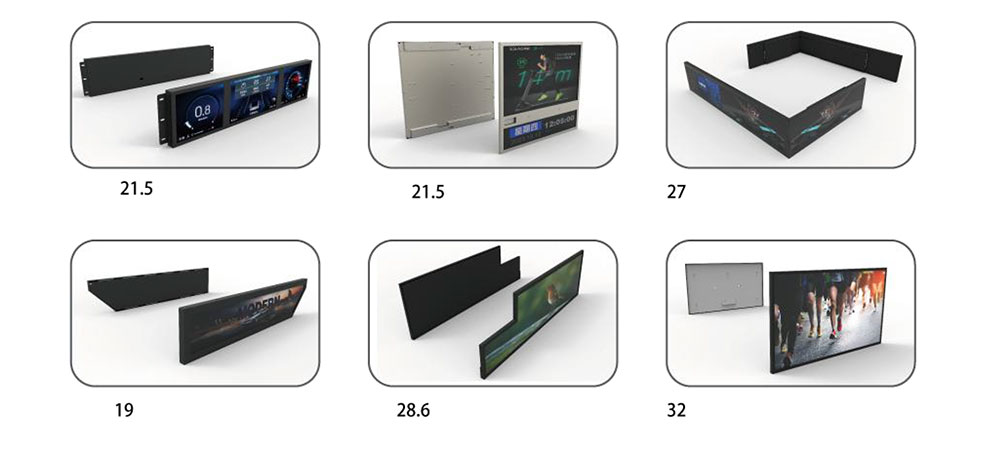
Ultra wide LCD screens have moved from a niche display format into a mainstream building block for original equipment manufacturers (OEMs) across transportation, retail, industrial control, and smart building markets. Their elongated aspect ratios, ranging from 16:6 to 32:9 and beyond, let designers deliver panoramic information surfaces that fit narrow mounting spaces where a conventional 16:9 panel would waste depth or force awkward compromises. For OEM engineering teams, the opportunity is not simply a wider picture. It is the ability to shape a product around a display rather than shaping a display into a product. At HITULCD, we approach ultra wide integration as a systems problem that spans optical performance, mechanical fit, thermal behavior, and long-term supply stability.
Why Ultra Wide Formats Matter for OEM Products
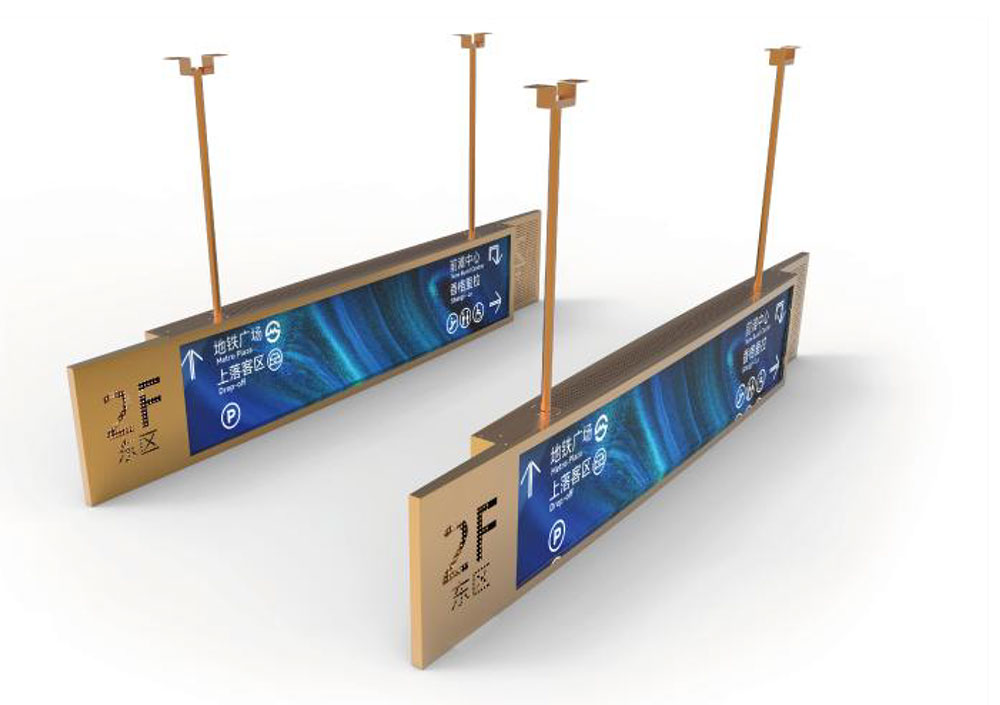
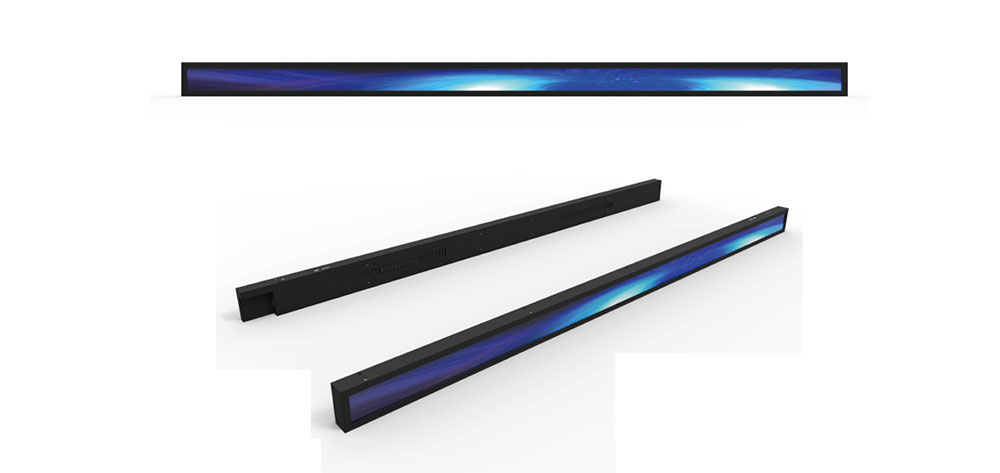
The physical geometry of an ultra wide LCD is what makes it valuable. A stretched bar-type display fits naturally along a shelf edge, above a windshield, across the fascia of an industrial machine, or beneath a kiosk header. This form factor turns previously dead space into active surface area. Instead of cutting a rectangular hole into a product and accepting the bezel and depth that a standard panel demands, an OEM can specify a display that follows the contour of the housing itself.
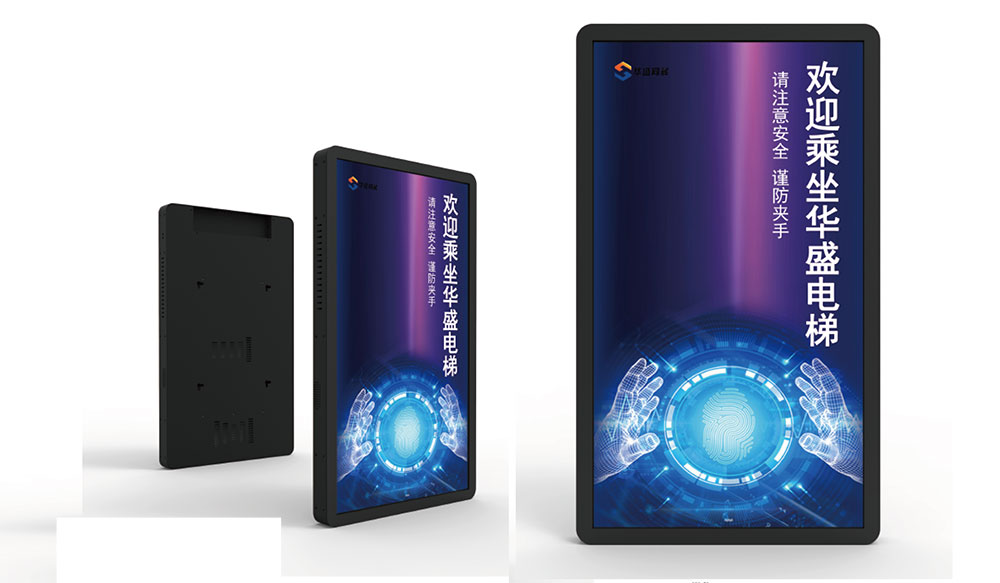
Ultra wide panels also change how information is presented. A single long strip can host a continuous data stream, a segmented multi-zone layout, or a wayfinding ribbon without the visual break that tiling multiple standard displays would introduce. For products where content must scroll, span, or divide cleanly into columns, the native ultra wide canvas removes the seams and synchronization headaches that come from combining several panels.
Optical and Panel Technology Considerations
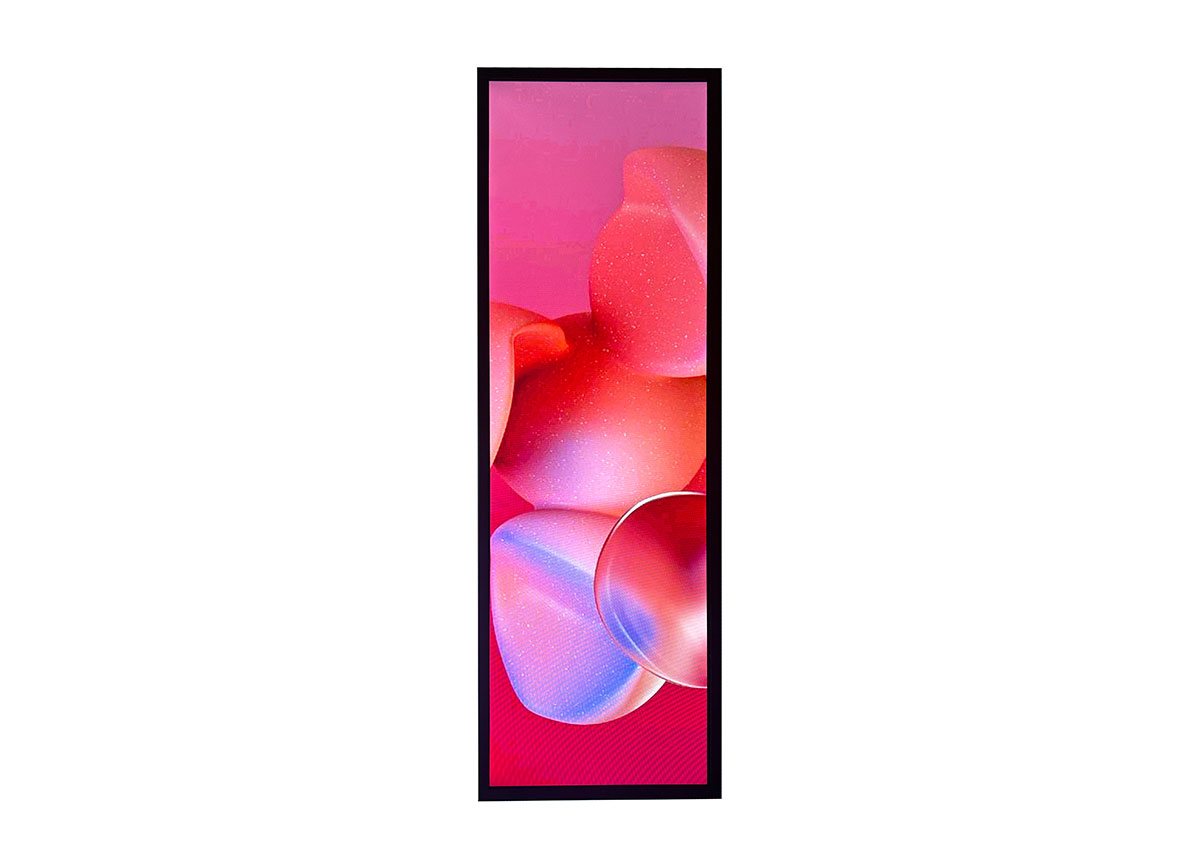
Not every ultra wide requirement is served by the same panel technology. OEM designers should match the LCD cell type to the viewing environment. In-plane switching (IPS) and advanced fringe field switching (AFFS) cells deliver wide horizontal and vertical viewing angles, which is critical for bar-type displays that viewers approach from oblique positions such as retail aisles or vehicle cabins. Vertical alignment (VA) cells offer higher native contrast and deeper blacks, an advantage in dim ambient conditions and dark-mode interfaces.
Brightness is often the deciding factor. A display mounted near a storefront window, on outdoor-facing equipment, or inside a sunlit vehicle must overcome ambient light that a 250 to 400 nit office panel cannot handle. HITULCD high-brightness ultra wide solutions typically range from 700 nits for semi-shaded indoor use to 2500 nits and higher for direct sunlight readability. Achieving sustained high brightness requires more than a stronger backlight. It demands optical bonding to reduce internal reflections, anti-reflective and anti-glare surface treatments to manage specular glare, and backlight designs engineered for uniformity across the elongated aperture, where edge-lit uniformity becomes harder to maintain as the ratio stretches.
Mechanical and Structural Integration
The long, thin geometry of ultra wide panels introduces mechanical challenges that a compact panel never faces. A 1000 mm wide bar display flexes far more readily than a square panel of equal diagonal, so the OEM enclosure must provide continuous, well-distributed support behind the module rather than corner-only mounting. Uneven support translates directly into visible mura, uneven backlight pooling, and in severe cases cell damage under vibration.
Cover glass selection follows the same logic. A bonded chemically strengthened cover glass adds rigidity to the assembly and protects against impact, while optical bonding fills the air gap that would otherwise reduce contrast and invite condensation. For products exposed to touch input, projected capacitive touch sensors can be laminated across the full ultra wide surface, though designers must account for the increased trace routing and controller channel count that a very wide active area requires.
Depth is where ultra wide formats reward careful design. Because the panel itself is thin, an OEM can achieve a flush, low-profile industrial design if the driver board, backlight inverter, and interface electronics are routed off to one side or split into a remote board connected by an extended flat cable. HITULCD supports custom cable lengths and connector positions so that the electronics do not dictate the product silhouette.
Thermal Management Across a Wide Aperture
High-brightness backlights generate heat, and spreading that heat evenly across an elongated panel is more demanding than across a compact one. Localized hot spots shorten LED life and create luminance drift that appears as bright or dim bands along the strip. Effective ultra wide thermal design uses a full-length aluminum back plate or heat spreader that couples to the LED bars, combined with an enclosure that allows convective airflow along the long axis. In sealed outdoor housings where airflow is impossible, conductive paths to the chassis and derated backlight current protect longevity. Specifying the operating temperature range early lets the panel, backlight, and enclosure be tuned together rather than patched after prototyping.
Interface, Control, and Content Handling
Ultra wide resolutions frequently fall outside standard display timing. A 1920 by 360 or 3840 by 720 panel may not be recognized by a host system expecting conventional formats, so the timing controller and EDID must be configured to advertise the native mode correctly. OEM integrators should confirm that their system-on-module or media player can output the required custom resolution and that the chosen interface, whether LVDS, eDP, or MIPI, carries sufficient bandwidth for the pixel clock at the target refresh rate. HITULCD provides interface boards and EDID programming so that the panel presents cleanly to the host without custom driver development on the OEM side.
Reliability, Lifecycle, and Supply Continuity
OEM products often ship for many years, and a display that reaches end-of-life mid-program forces costly redesign. Ultra wide panels sourced from consumer channels are especially prone to sudden discontinuation. Industrial-grade ultra wide solutions address this with extended availability commitments, stable bill-of-materials control, and change notification processes that give engineering teams time to react. Long-life LED backlights rated for 50000 hours or more, wide temperature ratings, and IPX-sealed front surfaces further protect the deployed fleet. Designing with these lifecycle guarantees in mind keeps a single hardware revision viable across the full commercial life of the product.
Matching the Solution to the Application
The right ultra wide configuration is always application-driven. A public transit passenger information display prioritizes sunlight readability, wide viewing angles, and vibration tolerance. A retail shelf-edge display prioritizes slim depth, seamless tiling for long runs, and low power draw. An industrial human-machine interface prioritizes touch durability, wide temperature operation, and long supply life. By starting from the environment and the mounting geometry, then working back through brightness, panel technology, mechanical support, thermal budget, and interface, OEM teams arrive at a specification that performs in the field rather than only on the bench.
Conclusion
Ultra wide LCD screens give OEM product designers a way to align the display with the physical and functional shape of the product instead of the other way around. Realizing that advantage depends on treating the panel as one element of an integrated system, where optics, structure, thermal design, control electronics, and lifecycle planning are decided together. HITULCD works with OEM engineering teams from concept through production to deliver ultra wide high-brightness solutions that are readable, durable, and supportable for the full life of the product.
KEYWORDS: ultra wide LCD screen, OEM display solutions, high-brightness LCD, bar-type LCD panel, custom LCD integration