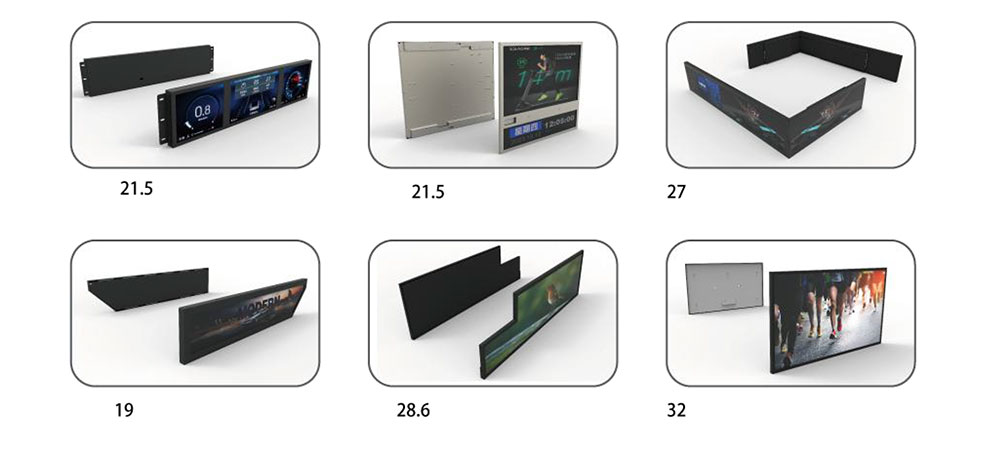
Shelf edge bar type LCDs are reshaping how US retailers communicate price, promotions, and product information at the point of decision. These ultra-wide stretched displays fit directly onto shelf rails, replacing static paper labels with dynamic, remotely managed content. But buying the right unit for a demanding retail environment requires more than picking the longest screen available. This guide walks US buyers through the technical, environmental, and operational factors that separate a reliable deployment from a costly mistake.
What Is a Shelf Edge Bar Type LCD?
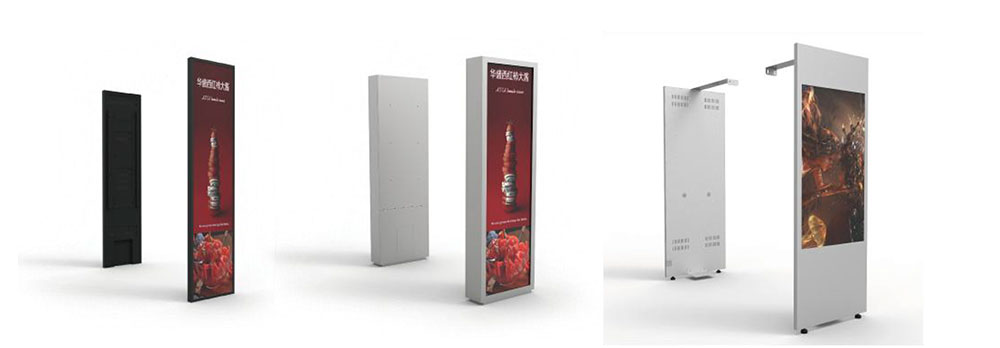
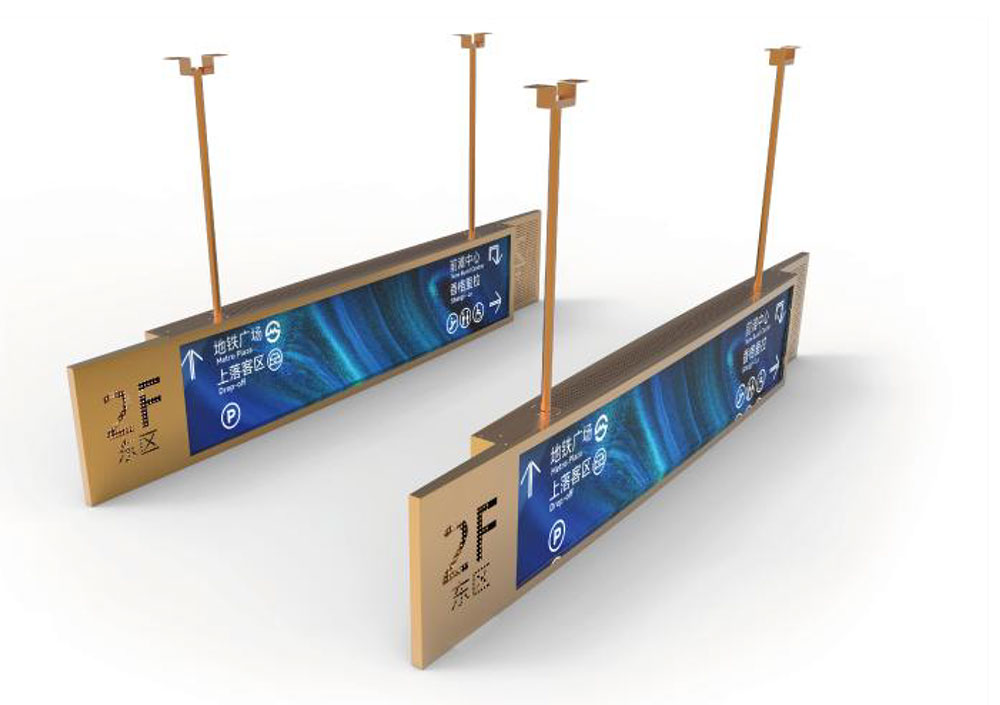
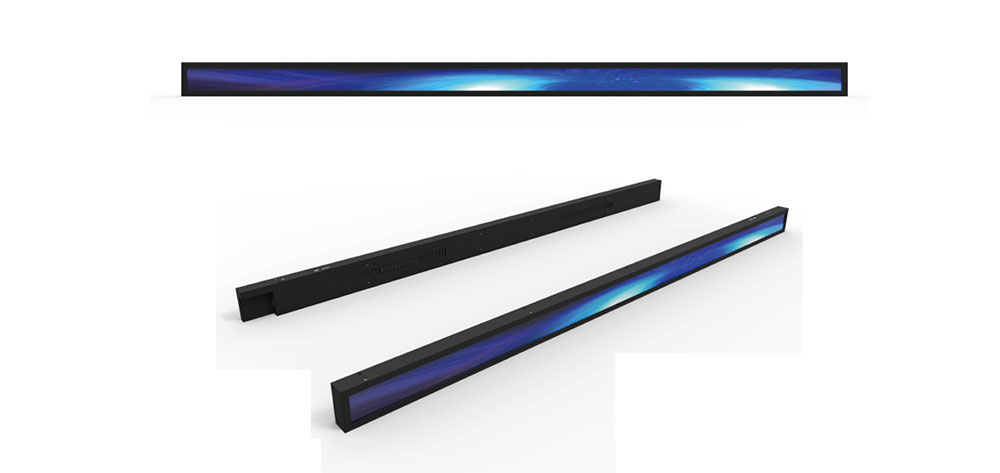
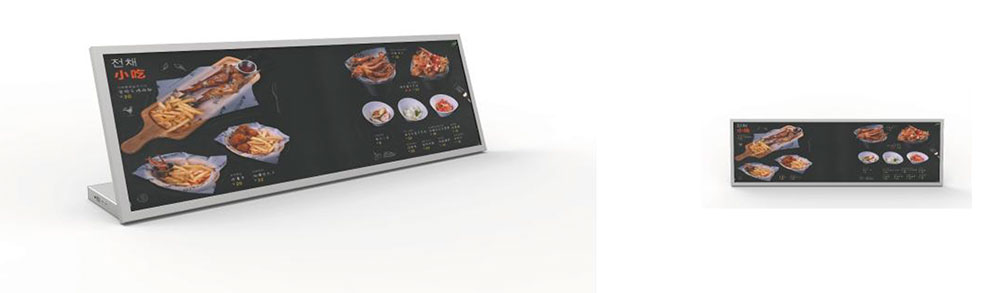
A shelf edge bar LCD is a stretched-format display with an extreme aspect ratio—commonly 16:4.5, 16:3, or narrower—engineered to sit along the front edge of retail shelving. Unlike standard monitors cut down to size, purpose-built bar LCDs use panels manufactured or precisely cut for these dimensions, preserving image uniformity and structural integrity. Screen lengths typically range from 23 inches to 43 inches diagonally, with heights of just a few centimeters, making them ideal for shelf rails, cooler doors, checkout lanes, and gondola ends.
Why Brightness Matters More Than You Think
US retail lighting varies dramatically, from dim boutique environments to brightly lit big-box stores and sun-flooded storefronts. A display that looks vivid in a showroom may wash out under 1,000+ lux ambient lighting. This is where brightness—measured in nits (cd/m²)—becomes the single most important specification.
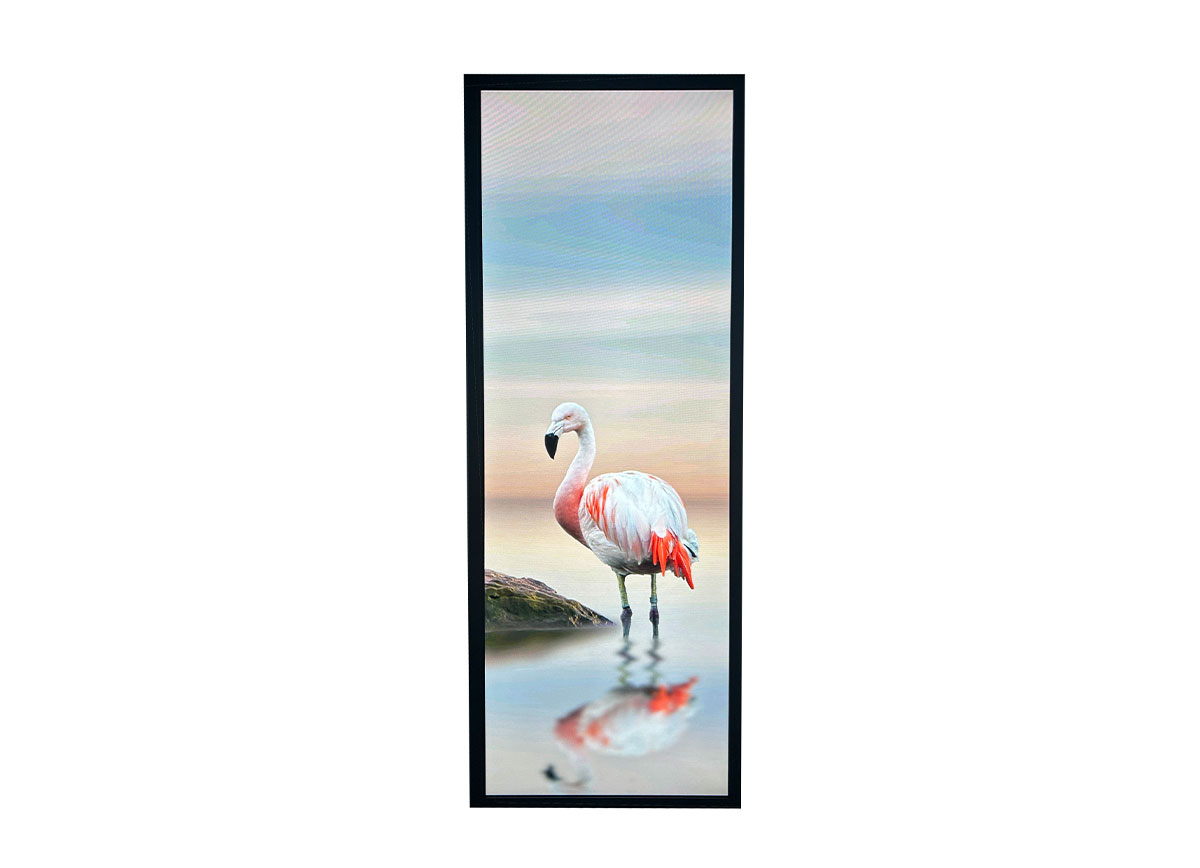
For indoor retail with controlled lighting, 500 nits is a practical minimum. For areas near windows, entrances, or under intense LED arrays, 700 to 1,000 nits ensures legibility. For semi-outdoor or direct-sunlight-adjacent placements, 1,500 nits or higher is essential to prevent content from disappearing. High-brightness panels also maintain color saturation and contrast under glare, which directly affects whether shoppers actually read your promotions.
Key Specifications Comparison
| Specification | Entry Level | Standard Retail | High-Brightness / Semi-Outdoor |
|---|---|---|---|
| Brightness | 350–450 nits | 500–700 nits | 1,000–2,500 nits |
| Typical Placement | Dim interiors | General store floor | Windows, entrances, coolers |
| Contrast Ratio | 800:1 | 1,000:1 | 1,200:1 or higher |
| Operating Temp | 0–40°C | 0–50°C | -20–60°C |
| Rated Lifespan | 30,000 hrs | 50,000 hrs | 50,000–70,000 hrs |
| Duty Cycle | Limited hours | 16/7 | 24/7 |
Match the Duty Cycle to Your Store Hours
Many US retailers run displays from early morning through late evening, and 24-hour convenience stores and pharmacies never turn off. Consumer-grade panels rated for limited daily use will degrade quickly under continuous operation, leading to backlight failure, image retention, and premature replacement. Always confirm the panel is rated for commercial 16/7 or 24/7 operation. This single detail has the largest impact on total cost of ownership.
Resolution and Viewing Distance
Because shoppers view shelf edge displays from close range—often 30 to 100 centimeters—pixel density matters. Look for a pixel pitch fine enough that text and pricing remain crisp at arm's length. A common resolution for a 28-inch bar is 1920×360 or similar. Blurry pricing undermines trust, so avoid overly stretched low-resolution panels that pixelate small fonts.
Interfaces, Content, and Integration
Consider how content will be delivered and updated. Options include:
- Built-in Android media players for standalone operation with USB or network content loading.
- HDMI or DisplayPort inputs for external players and PCs.
- Ethernet and Wi-Fi for centralized content management systems (CMS) across many stores.
- OPS slots for upgradeable computing modules in enterprise deployments.
For US chains managing dozens or hundreds of locations, CMS compatibility and remote management should be a hard requirement. The ability to schedule promotions, update prices instantly, and monitor device health remotely delivers most of the return on investment.
Environmental and Durability Factors
If displays will be mounted in refrigerated cases or freezers, verify the operating temperature range and check for anti-condensation and defogging features. For high-traffic areas, tempered or anti-glare protective glass reduces damage from carts, hands, and cleaning. IP-rated bezels help in produce, deli, and floral zones where moisture is present.
Power, Mounting, and US Compliance
Confirm the unit supports 100–240V input compatible with US 120V outlets and ships with the correct plug type. Critically, verify UL certification and FCC compliance—these are non-negotiable for legal commercial deployment in the United States. Ask about mounting options, including rail clips, magnetic mounts, and VESA adapters, and ensure cabling can be routed cleanly without violating aisle safety codes.
Total Cost of Ownership
Purchase price is only part of the equation. Factor in energy consumption, expected lifespan, warranty length, availability of US-based support, and replacement lead times. A slightly more expensive high-brightness commercial unit with a 3-year warranty often costs less over five years than a cheaper consumer panel that fails and requires field replacement across multiple stores.
Buyer's Quick Checklist
- Brightness matched to actual ambient lighting (measure it, don't guess)
- Commercial-grade panel rated for your daily operating hours
- UL and FCC certification confirmed in writing
- Resolution sufficient for close-range readability
- CMS and remote management compatibility for multi-store rollouts
- Appropriate operating temperature range for the placement
- Clear warranty terms and US-based technical support
Conclusion
The best shelf edge bar type LCD for your US retail operation is the one matched precisely to your lighting conditions, operating hours, and management infrastructure—not simply the cheapest or the longest. Prioritize brightness, commercial duty-cycle ratings, and proper certification, then evaluate content delivery and total cost of ownership. A methodical purchase decision today prevents downtime, protects brand perception, and delivers dynamic in-store messaging that pays for itself.
KEYWORDS: shelf edge bar LCD, high brightness retail display, stretched bar display, US retail digital signage, commercial shelf display