Introduction to Bar LCD Technology in Heavy Equipment Applications
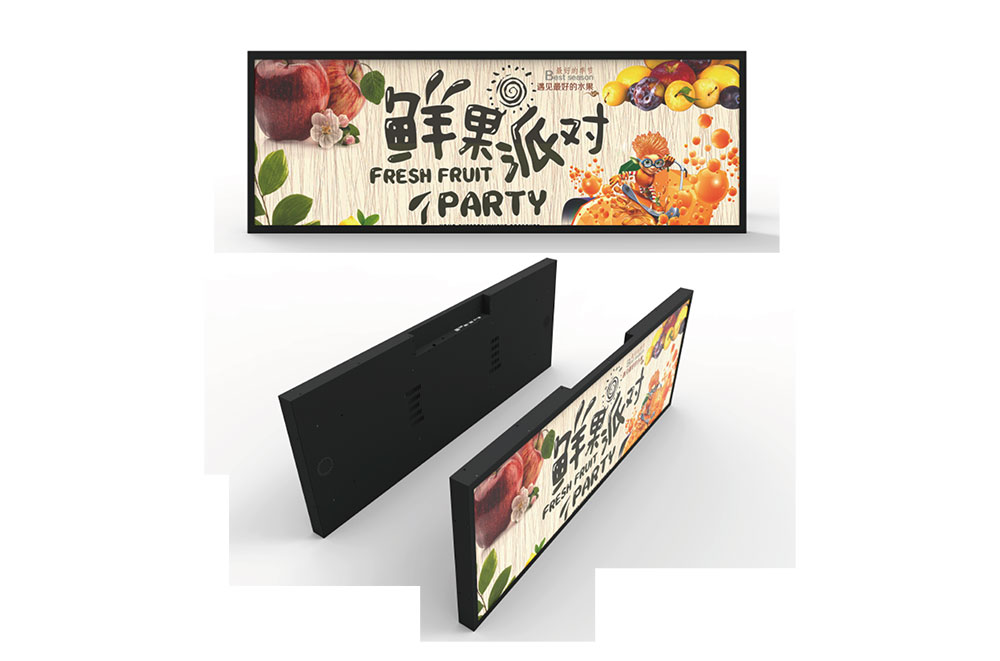
Australian heavy equipment manufacturers face unique operational challenges that demand display solutions capable of withstanding extreme environmental conditions while delivering consistent performance over extended operational lifespans. Bar LCD technology has emerged as the optimal solution for control panels, instrumentation clusters, and operational interfaces in excavators, bulldozers, mining equipment, and agricultural machinery. These specialized displays combine high-brightness capabilities with ruggedized construction to ensure visibility and reliability in Australia's harsh outdoor environments, from the scorching Outback to coastal industrial zones.
The integration of long-lifetime bar LCDs into heavy equipment represents a critical advancement in operational efficiency and safety. Unlike standard commercial displays, bar LCDs designed for heavy equipment applications incorporate industrial-grade components, enhanced thermal management systems, and specialized optical configurations that maintain readability under direct sunlight while resisting degradation from constant vibration, dust ingress, and temperature fluctuations.
Manufacturer Technical Specifications for Heavy Equipment Bar LCDs
Display Architecture and Construction
HITULCD bar LCD modules engineered for Australian heavy equipment applications utilize a multi-layer construction approach that prioritizes longevity and environmental resistance. The display architecture incorporates industrial-grade TFT (Thin Film Transistor) technology with transmissive or transflective configurations, depending on ambient light requirements. The typical construction stack includes:
- Optical bonding layer: Air-gap elimination technology that bonds the cover glass directly to the LCD panel, reducing internal reflections by 95% and improving optical clarity in high-brightness conditions
- Ruggedized cover glass: Chemically strengthened glass with surface hardness ratings of 6-7H on the Mohs scale, providing resistance to scratches, impacts, and chemical exposure from hydraulic fluids and industrial solvents
- LCD panel assembly: Industrial-grade liquid crystal cells with extended temperature range formulations (-30°C to +80°C operating range) and enhanced UV stability for prolonged outdoor exposure
- LED backlight system: High-brightness LED arrays with individual brightness levels ranging from 800 to 2000 nits, incorporating thermal management and current regulation for consistent luminance over 50,000+ hour operational lifetimes
- Controller electronics: Industrial-grade driver ICs with wide voltage input tolerance (9-36VDC typical) and EMI/EMC compliance to AS/NZS CISPR standards for heavy equipment electromagnetic environments
Dimensional Specifications and Form Factors
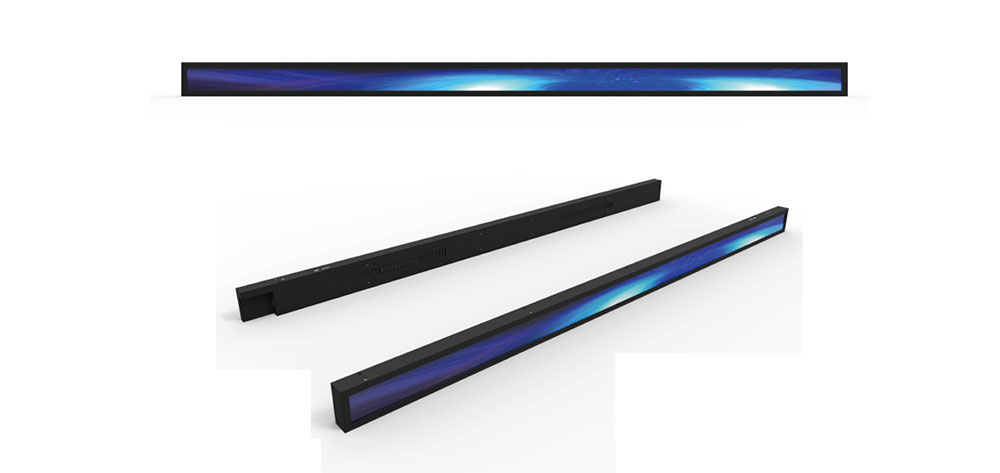
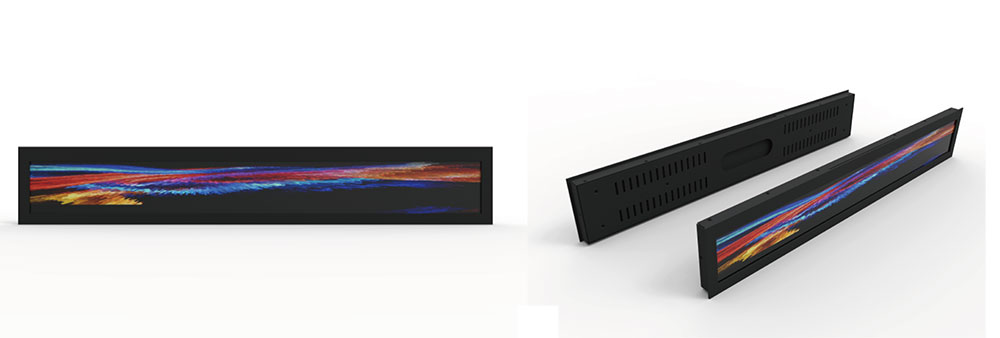
Bar LCD modules for heavy equipment applications are available in stretched aspect ratios optimized for integration into control panels and instrument clusters. Standard dimensions include:
Length ranges: 150mm to 800mm active display area
Width ranges: 30mm to 120mm active display area
Aspect ratios: 5:1, 7:1, 10:1, and custom configurations
Thickness: 8mm to 25mm total module thickness depending on backlight configuration and mounting requirements
Viewing area: 90-95% of total module dimensions with minimal bezel intrusion
Custom form factors can be manufactured to integrate with existing heavy equipment dashboard architectures, providing seamless replacement solutions or enabling new equipment designs with modern display interfaces.
Optical Performance Specifications
Critical to heavy equipment applications, bar LCD optical performance parameters are engineered to maintain visibility under Australia's intense solar conditions while preserving image quality:
Brightness levels: 800 nits (standard industrial), 1200 nits (high-brightness), 1500-2000 nits (ultra-high-brightness for direct sunlight readability)
Contrast ratio: 800:1 to 1200:1 typical, maintaining readability across wide viewing angles
Viewing angles: 85° horizontal and 85° vertical (12 o'clock reference) with contrast ratio >10:1 at extreme angles
Response time: 20-35ms typical gray-to-gray transition, suitable for real-time operational data display
Color gamut: 60-72% NTSC color space coverage for applications requiring color-coded status indicators and warnings
Surface treatment: Anti-glare (AG) and anti-reflective (AR) coatings reducing surface reflectance to <2%, critical for outdoor visibility
Environmental and Durability Specifications
Australian heavy equipment operates in some of the world's most demanding environments, requiring bar LCDs that meet stringent environmental specifications:
Operating temperature range: -30°C to +80°C for industrial-grade modules, with specialized formulations extending to -40°C for mining operations in cold storage or alpine regions
Storage temperature range: -40°C to +90°C ensuring equipment can remain inactive during extreme temperature events
Humidity resistance: 95% RH non-condensing with conformal coating protection on electronic assemblies
Vibration resistance: IEC 60068-2-64 compliant, withstanding 3G acceleration at 10-500Hz frequency range for 6 hours minimum
Shock resistance: 30G half-sine shock pulse, 11ms duration per IEC 60068-2-27
Ingress protection: IP65 front panel rating (dust-tight and protected against water jets), with IP67 available for fully sealed applications
UV resistance: >1000 hours UV exposure testing with <10% brightness degradation, critical for Australian outdoor equipment
Electrical Specifications and Interface Options
Heavy equipment bar LCDs integrate with various control systems through standardized industrial interfaces:
Input voltage: 9-36VDC wide range input with reverse polarity and overvoltage protection, compatible with standard heavy equipment electrical systems (12V and 24V nominal)
Power consumption: 8W to 45W depending on display size and brightness configuration, with automatic dimming capabilities for power management
Signal interfaces: LVDS (Low Voltage Differential Signaling), RGB (parallel digital), HDMI, and RS232/RS485 serial interfaces for integration with PLCs and embedded controllers
Control options: I2C, SPI, or UART control interfaces for brightness adjustment, power management, and diagnostic feedback
EMC compliance: AS/NZS CISPR 32 Class B emissions and AS/NZS 61000-4 immunity standards, ensuring reliable operation in electrically noisy heavy equipment environments
Reliability and Lifetime Specifications
Long lifetime performance is quantified through rigorous testing and component selection:
MTBF (Mean Time Between Failures): >100,000 hours calculated per IEC 61709 and Telcordia SR-332 methodologies
LED backlight lifetime: >50,000 hours to 50% brightness (L50) under continuous operation at maximum brightness and 25°C ambient temperature
LCD panel lifetime: >60,000 hours operational life with <20% brightness degradation and minimal color shift
Warranty coverage: 3-year standard warranty with extended 5-year options for mission-critical applications
Component derating: All electronic components operated at 60-70% maximum ratings to extend operational life and improve reliability under thermal stress
Mechanical Mounting and Integration
Bar LCD modules are designed for straightforward integration into heavy equipment control panels:
Mounting options: Front panel mount with gasket seal, chassis mount with bracket assembly, or panel cutout with clip retention
Mounting hole patterns: Standardized 4-hole or 6-hole configurations with M3 or M4 threaded inserts
Cable management: Right-angle or straight connector options with strain relief, using industrial-grade connectors rated for 5,000+ mating cycles
Thermal management: Integrated heat spreaders and optional cooling fins for high-brightness configurations operating in enclosed cabins
Weight specifications: 150g to 800g depending on length and construction, minimizing load on panel assemblies
Customization and Configuration Options
HITULCD provides extensive customization capabilities for Australian heavy equipment manufacturers:
Brightness customization: Field-adjustable brightness levels with ambient light sensor integration for automatic adaptation
Optical bonding options: Air-gap or optically bonded configurations based on environmental exposure requirements
Cover glass customization: Thickness options from 1.1mm to 5mm with anti-glare, anti-reflective, or anti-fingerprint surface treatments
Connector customization: Cable length, connector type, and pinout configuration to match existing equipment harnesses
Firmware customization: Display controller firmware programming for specific communication protocols and operational behaviors
Logo and branding: Manufacturer branding integration on bezel areas or through display startup screens
Application-Specific Advantages for Australian Heavy Equipment
Mining Equipment Integration
Australian mining operations demand displays that function reliably in underground and surface mining environments. Bar LCDs provide critical advantages including resistance to coal dust, mineral particles, and the constant vibration from drilling and excavation equipment. The high-brightness capability ensures operators maintain visibility of depth indicators, load sensors, and safety warnings even when transitioning between underground lighting and surface sunlight conditions.
Agricultural Machinery Applications
Modern agricultural equipment increasingly relies on precision instrumentation requiring clear data presentation. Bar LCDs integrated into harvesters, tractors, and irrigation systems provide real-time feedback on fuel levels, engine parameters, GPS positioning, and yield monitoring. The extended temperature range specifications ensure reliable operation during early morning frosts and midday heat waves common in Australian agricultural regions.
Construction Equipment Dashboards
Construction equipment operating in Australian urban and infrastructure projects requires displays that maintain readability while the operator navigates between shaded and exposed work areas. Bar LCD modules provide space-efficient solutions for excavator control panels, crane instrumentation, and concrete pump interfaces where panel real estate is limited but information density requirements are high.
Long-Term Cost Advantages and Total Cost of Ownership
While initial procurement costs for industrial-grade bar LCDs exceed consumer-grade alternatives, the total cost of ownership analysis strongly favors long-lifetime displays in heavy equipment applications. Reduced replacement frequency translates to lower maintenance costs, decreased equipment downtime, and elimination of warranty claims related to display failures. For equipment deployed in remote Australian locations, the logistics costs associated with display replacement can exceed the component cost itself, making reliability a critical economic factor.
The 50,000+ hour LED lifetime specification translates to over 5 years of continuous operation or 10-15 years of typical equipment usage patterns. This operational lifetime aligns with heavy equipment depreciation cycles and major overhaul intervals, allowing display replacement to coincide with planned maintenance rather than requiring emergency service interventions.
Quality Assurance and Testing Protocols
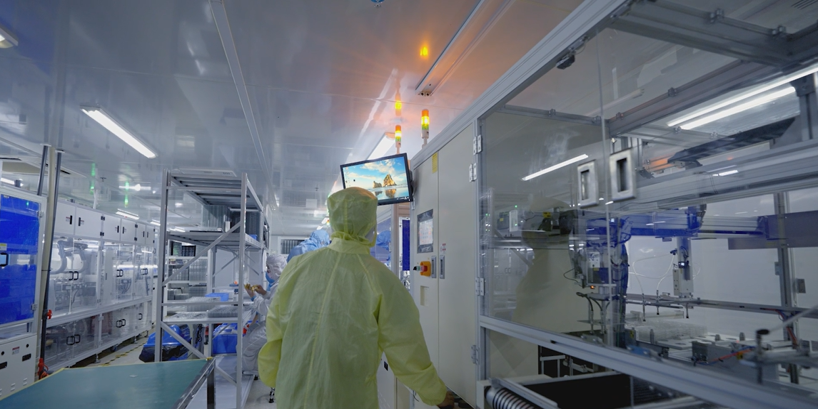
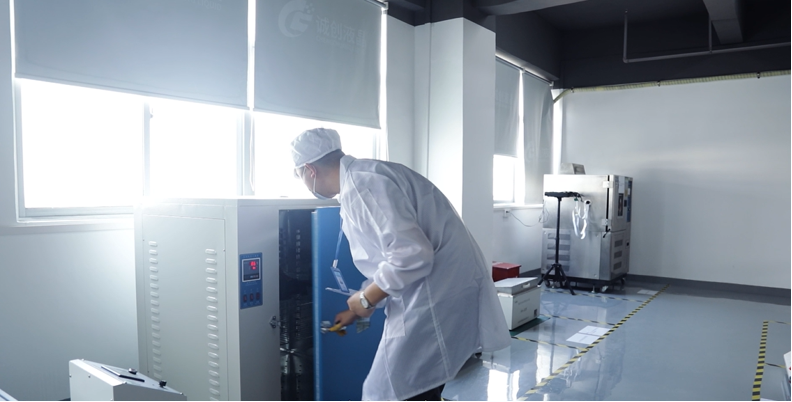
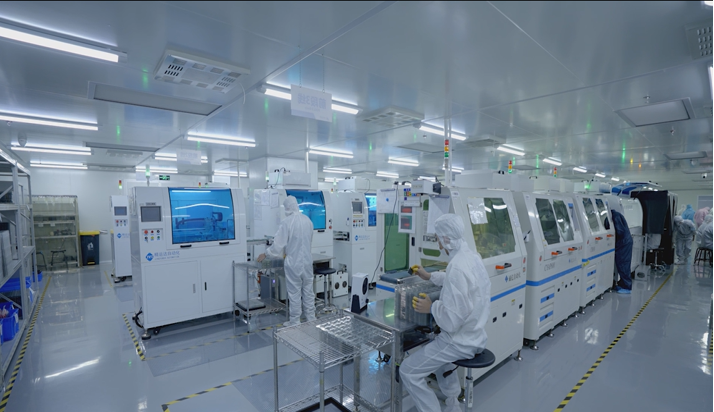
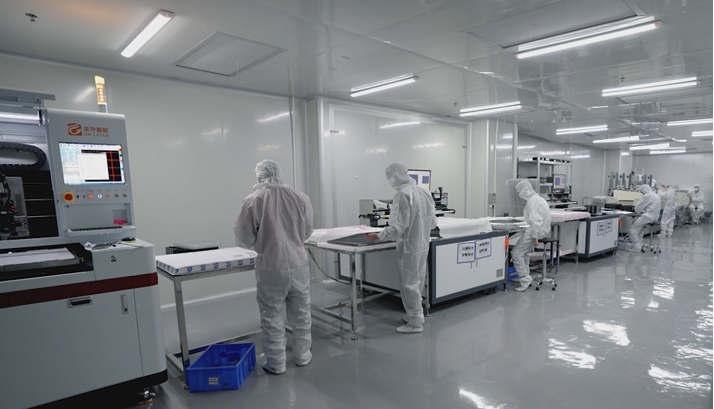
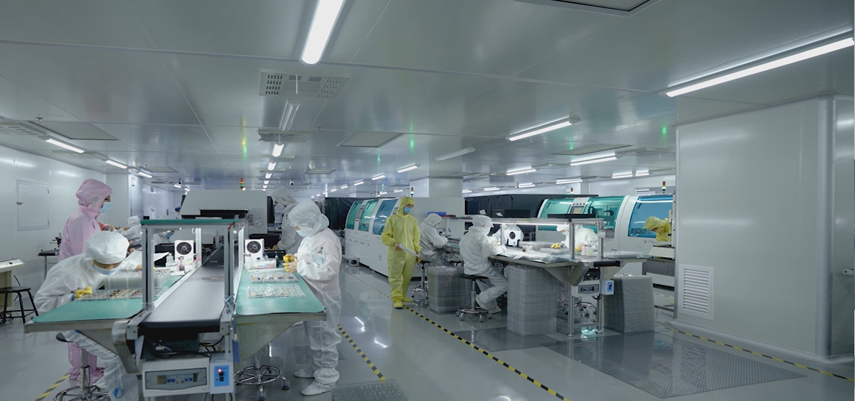
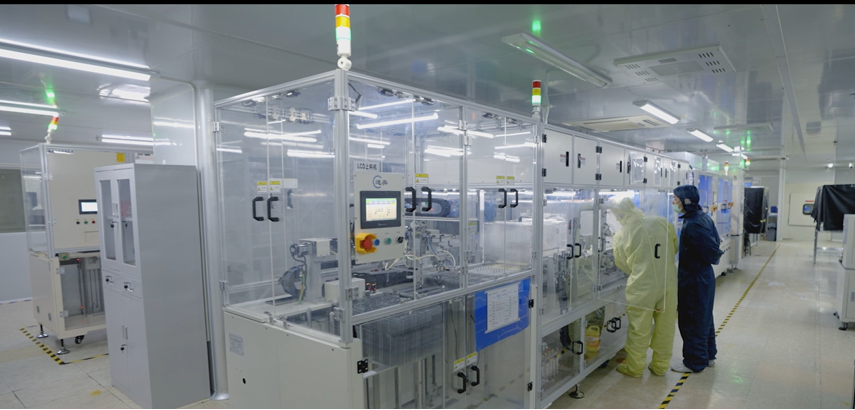
HITULCD bar LCD modules undergo comprehensive testing protocols before shipment to Australian heavy equipment manufacturers. Each production batch receives 100% functional testing including power-on verification, dead pixel inspection, brightness uniformity measurement, and interface communication validation. A statistically significant sample from each batch undergoes accelerated life testing, thermal cycling, vibration testing, and humidity exposure to verify conformance with published specifications.
Traceability systems maintain component-level records for each manufactured unit, enabling rapid root cause analysis in the unlikely event of field failures and supporting continuous improvement initiatives in manufacturing processes.
Technical Support and Regional Service
Recognizing the geographic challenges of supporting Australian heavy equipment manufacturers, HITULCD maintains technical support infrastructure capable of providing rapid response to integration challenges, compatibility questions, and field issue resolution. Engineering documentation including mechanical drawings, electrical schematics, interface timing diagrams, and reference designs are provided to accelerate integration and reduce time-to-market for new equipment models.
Conclusion
Long-lifetime bar LCD technology represents a mature and proven solution for Australian heavy equipment manufacturers seeking reliable, high-performance display solutions. The comprehensive technical specifications encompassing optical performance, environmental durability, electrical compatibility, and mechanical integration capabilities position bar LCDs as the optimal choice for demanding applications where failure is not acceptable. As heavy equipment continues evolving toward increased digitalization and operator interface sophistication, bar LCD technology provides the foundation for clear, reliable, and long-lasting information presentation that enhances operational safety, efficiency, and equipment longevity in Australia's challenging industrial environments.
KEYWORDS: bar LCD heavy equipment, industrial LCD Australia, high brightness bar display, long lifetime LCD, heavy equipment display