Introduction
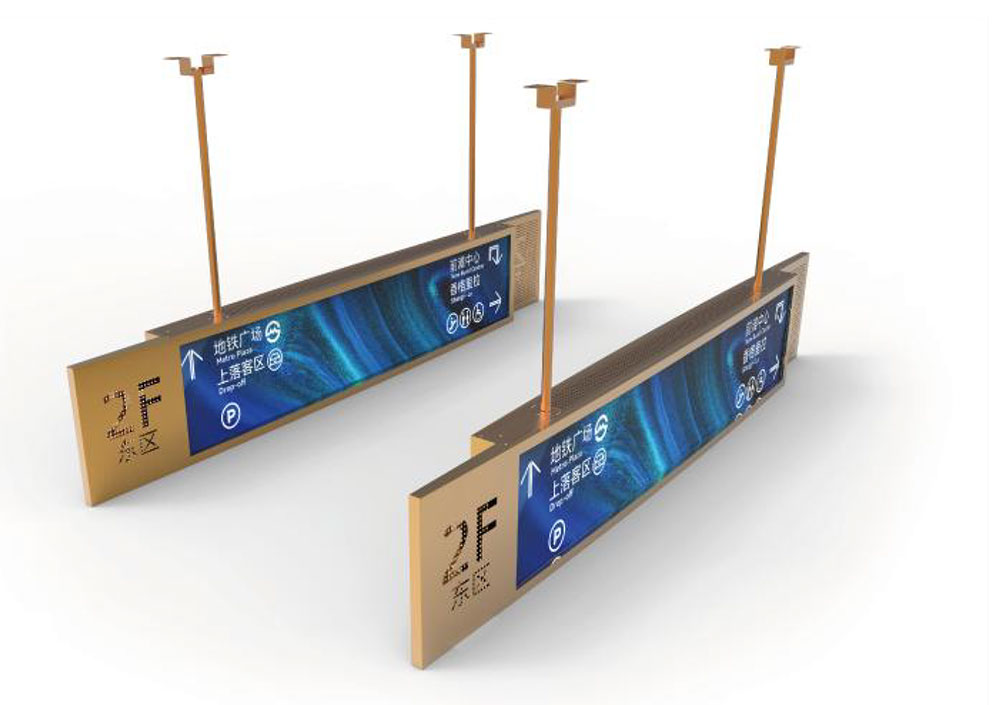
Outdoor self-service equipment, including ticket kiosks, EV charging stations, parking terminals, and self-ordering machines, demands far more from a touchscreen LCD than an indoor display ever does. Direct sunlight, wide temperature swings, dust, moisture, and heavy public use all act on the panel at once. At HITULCD, we design high-brightness LCD modules for exactly these conditions, and this guide walks through the selection criteria that determine whether a deployment survives its full service life or returns to the bench within a season.

1. Brightness and Sunlight Readability
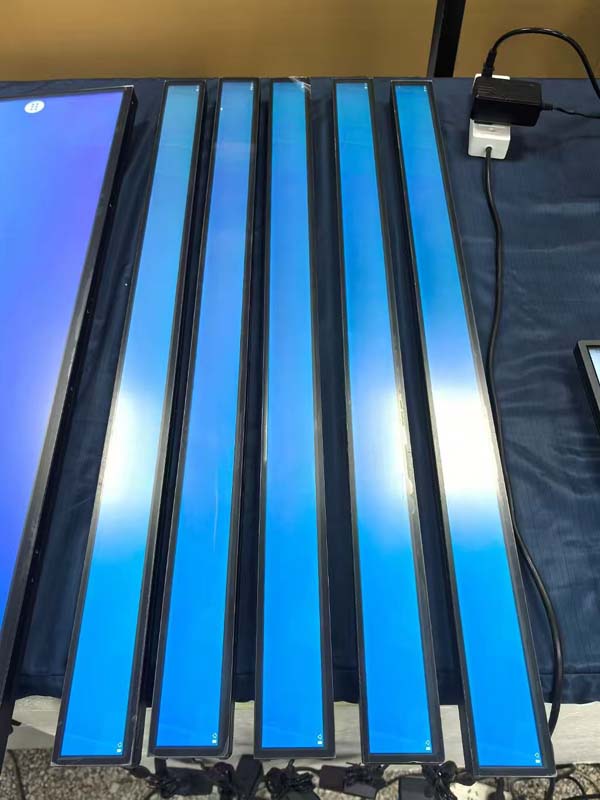
Readability under direct sun is the single most important requirement for outdoor equipment. An indoor display typically offers 250 to 400 nits, which washes out completely outdoors. For self-service terminals facing ambient light above 50,000 lux, we recommend a panel rated at 1000 to 2500 nits.

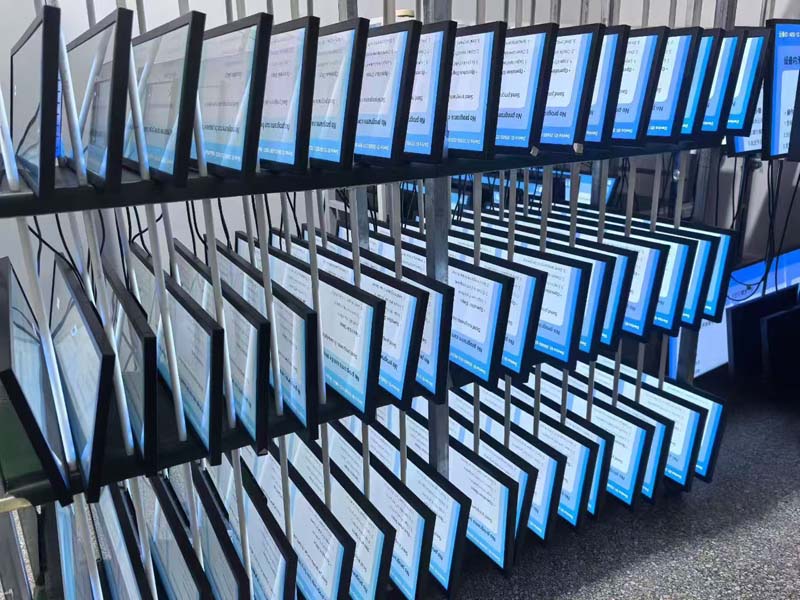
Raw brightness alone is not enough. The contrast ratio measured in sunlight, not in a dark lab, defines actual legibility. Optical bonding and anti-reflection or anti-glare surface treatments reduce reflected light and raise the effective contrast, so a well-treated 1500-nit panel can outperform a poorly treated 2000-nit one. Specify brightness together with the surface treatment rather than in isolation.
2. Touch Technology Selection
Three touch technologies dominate outdoor use, each with clear trade-offs:
- Projected Capacitive (PCAP): The preferred choice for most modern kiosks. It supports multi-touch, offers a smooth glass surface that is easy to clean, and resists scratching. Choose a PCAP controller tuned for thick cover glass and for operation with wet fingers or light gloves.
- Resistive: Low cost and operable with any object, but the flexible top layer wears under heavy public use and degrades in UV and temperature extremes. It suits only low-traffic, budget-limited designs.
- Infrared (IR): Useful for very large screens, yet the surrounding bezel channel collects dust, insects, and water in outdoor settings, which causes false touches unless carefully sealed.
For public outdoor terminals, PCAP with a tuned controller and reinforced cover glass is the safe default.
3. Cover Glass and Impact Protection
Outdoor self-service equipment is exposed to vandalism and accidental impact. Specify chemically strengthened cover glass with a thickness matched to the touch controller, commonly 3 mm to 6 mm, and consider an anti-vandal rating appropriate to the location. The glass should carry an anti-fingerprint coating to keep the surface usable in high-traffic plazas and transport hubs.
4. Operating Temperature Range
A standard commercial LCD rated for 0°C to 50°C will fail outdoors. Specify a wide-temperature panel rated from -30°C to +85°C for most climates. Two risks deserve attention:
- Low-temperature startup: Liquid crystal response slows in cold, so include a heater film or heater control for cold-climate installations.
- High-temperature clearing point and isotropic blackening: Direct sun can push the panel surface well above ambient. A high-brightness panel with a raised clearing point avoids the black-out failure where the liquid crystal loses its image under heat.
5. Thermal Management
High brightness generates heat, and enclosed outdoor housings trap it. Plan the thermal design alongside the panel choice. Options include a ventilated or sealed enclosure with internal air circulation, aluminum heat spreaders behind the backlight, and in extreme cases active cooling. An automatic brightness control that dims the backlight at night reduces both heat load and power draw while extending LED lifetime.
6. Ingress Protection and Sealing
The display face and enclosure must keep out dust and water. Target at least IP65 on the front surface for rain and jet-spray resistance. The bond between cover glass and bezel is the critical seal, so optical bonding also helps here by eliminating the air gap where condensation would otherwise form. Confirm that gaskets and cable entries carry the same rating as the front face.
7. Optical Bonding
Optical bonding fills the gap between the touch sensor and the LCD with a clear adhesive. Its benefits are decisive outdoors:
- Eliminates internal reflections, raising sunlight contrast.
- Prevents internal condensation and fogging across temperature cycles.
- Adds structural rigidity and improves impact resistance.
For any high-brightness outdoor terminal, optical bonding should be treated as standard rather than an upgrade.
8. Lifetime, Reliability, and Backlight
Self-service equipment is expected to run for years with minimal maintenance. Specify an LED backlight with a long rated half-brightness lifetime, ideally 50,000 hours or more at the operating temperature, not at 25°C. Automatic dimming based on an ambient light sensor extends this figure substantially. Confirm UV-stable polarizers and adhesives, because UV exposure yellows and delaminates lower-grade materials.
9. Interface, Integration, and Mounting
Match the panel interface to the controller board: LVDS and eDP are common for embedded systems, with HDMI or USB-C used when driving from a standard PC. For the touch layer, USB is the most widely supported interface for kiosk software. Verify the mechanical mounting method, VESA pattern or custom bracket, and cable routing early, because retrofitting a sealed outdoor enclosure is costly.
10. A Practical Selection Checklist
- Brightness 1000 to 2500 nits, matched to peak ambient light.
- PCAP touch with a controller tuned for thick glass, gloves, and rain.
- Chemically strengthened, anti-fingerprint cover glass sized for the controller.
- Wide operating temperature range, with heater or high clearing point as the climate requires.
- Thermal design and automatic brightness control planned together.
- Front-face ingress protection of at least IP65.
- Optical bonding for contrast, anti-condensation, and durability.
- Long-life, UV-stable backlight and materials.
- Confirmed display and touch interfaces plus a verified mounting plan.
Conclusion
Selecting a touchscreen LCD for outdoor self-service equipment is a systems decision, not a single spec. Brightness, touch technology, temperature range, sealing, optical bonding, and backlight lifetime all interact, and the weakest link sets the real service life. Decide each parameter against the equipment's climate, exposure, and traffic, and the resulting terminal will stay readable and responsive for years. HITULCD works with integrators from specification through production to match every one of these factors to the deployment environment.